

Antique Painted Glass
When you search for antique painted glass, you encounter delicate reverse paintings, silvered trumeau panels and decorated mirrors that bring historic colour and light into a room.
Antique Painted Glass
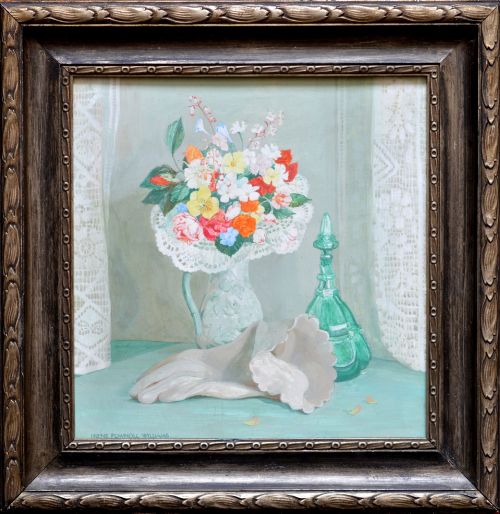
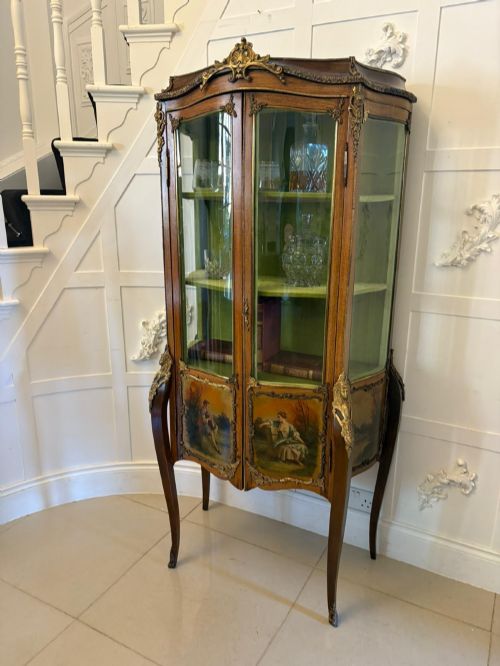
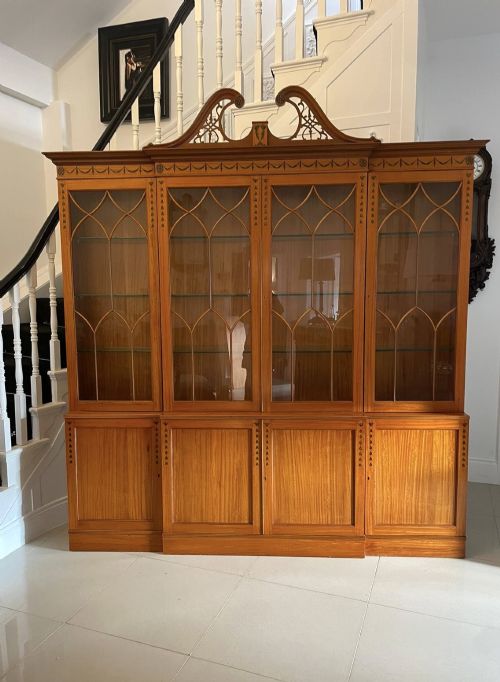
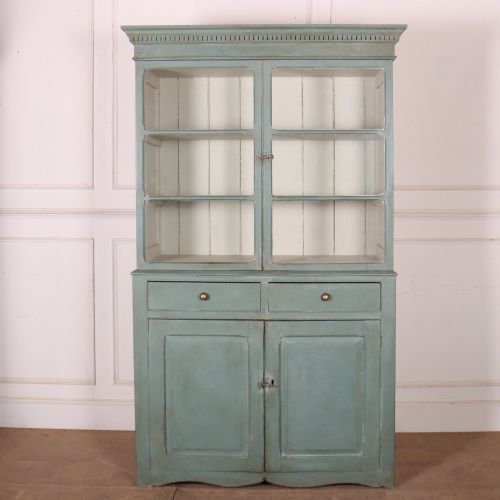
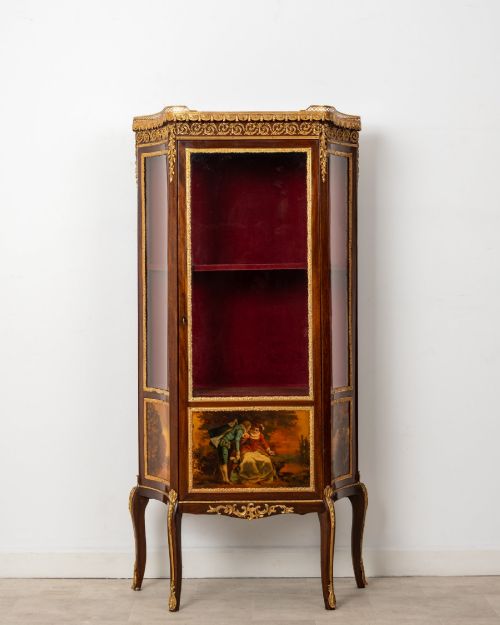
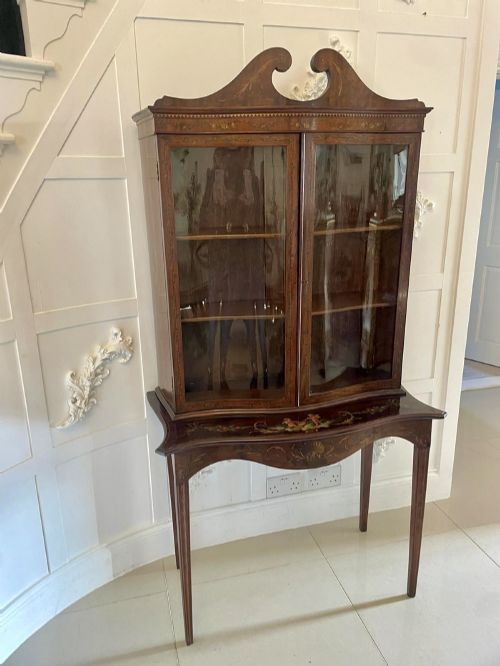
The phrase antique painted glass encompasses a wide variety of decorative objects, from delicate eighteenth-century mezzotints to nineteenth-century display cabinets featuring original painted decoration and wall mirrors with decorated panels.
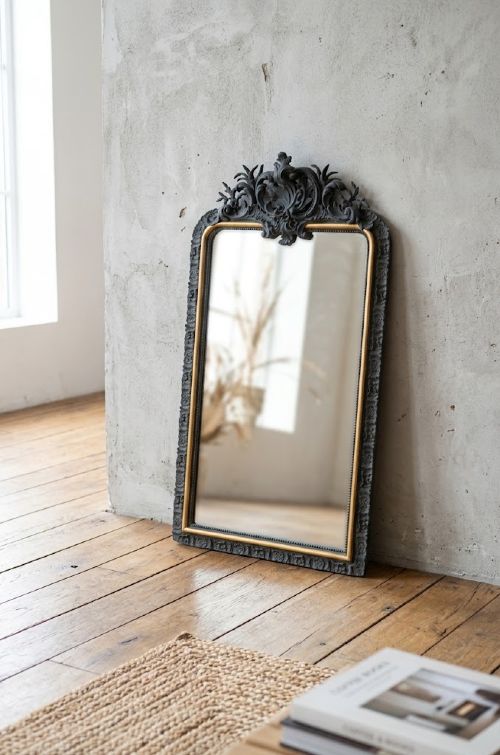
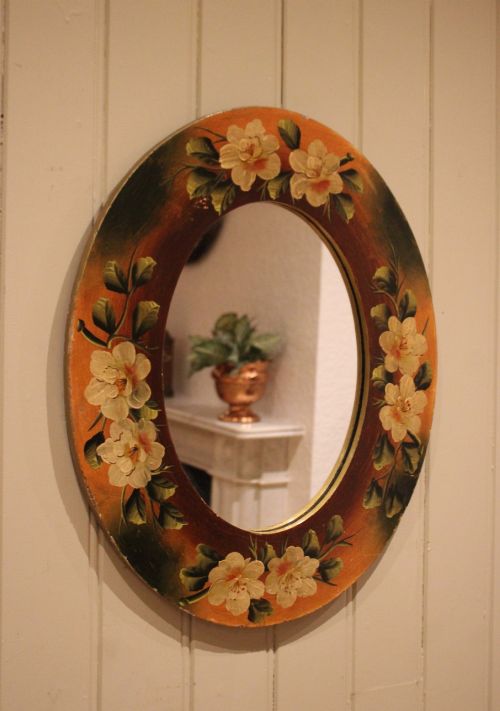
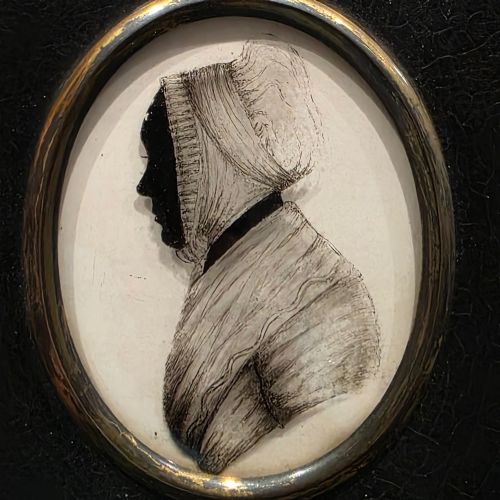
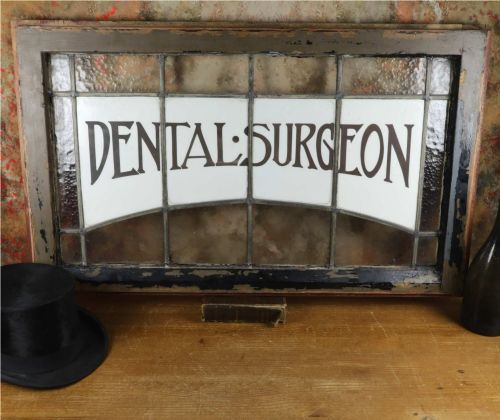
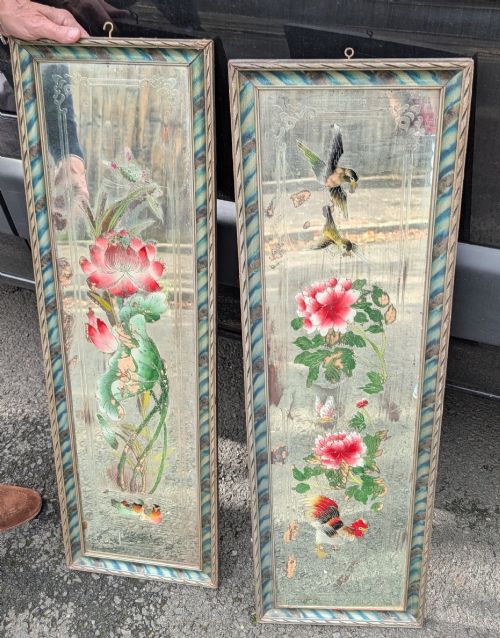
You will frequently encounter wall mirrors inset with painted scenes or verre églomise panels, alongside smaller items like silhouette miniatures, scent bottles, and trade signs.
The selection ranges from Georgian domestic pieces to Edwardian and Art Deco items, reflecting shifting tastes in interior decoration across several centuries.
How these pieces were made
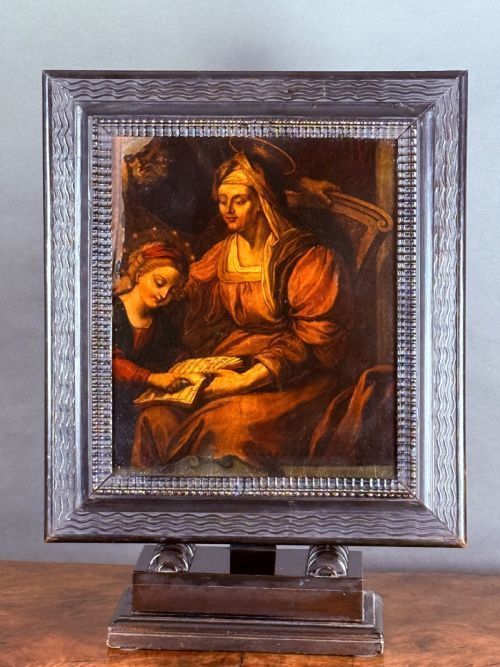
Makers utilised glass as a ground for reverse painting, applying oil paint or coloured mezzotints directly to the reverse side so the image displays clearly through the polished front surface.
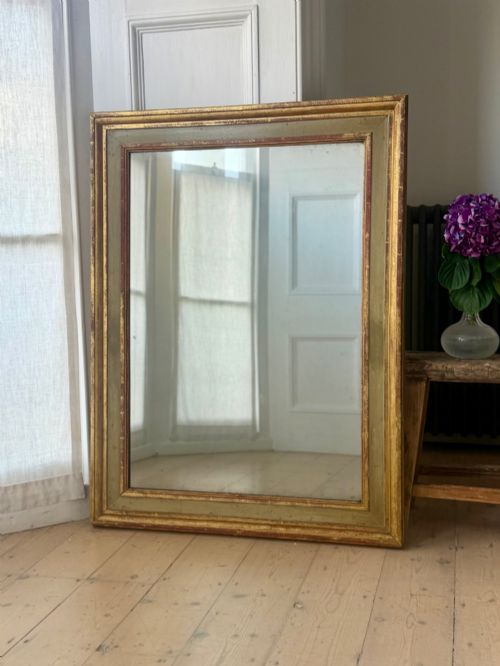
Mirrors and furniture incorporate giltwood, gesso, and mahogany frames, often paired with mercury glass or bevelled mirror glass.
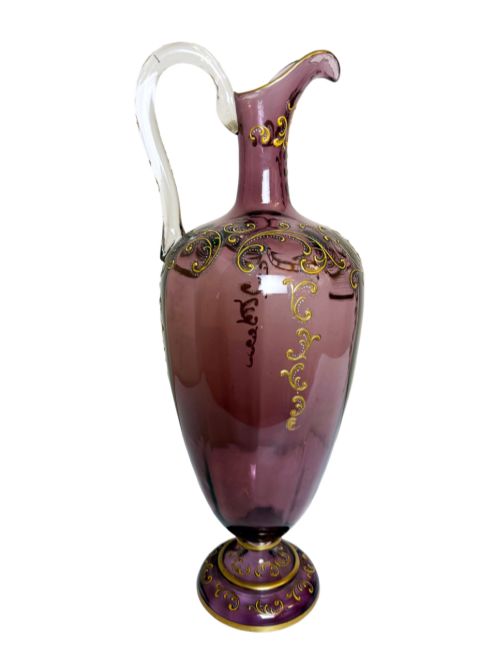
Decorative glass items such as pitchers, vases and lamp shades feature hand-painted enamel or gilt appliques fired onto the glass body.
The listings combine eighteenth-century reverse glass prints with Victorian display cabinets and Edwardian glass signs.
What varies in quality
The fineness of the brushwork distinguishes superior examples, particularly on reverse-painted portraits, mezzotints and delicate floral motifs.
The integrity of the original surface decoration matters greatly, separating pieces with untouched historic paint from those with later overpainting or heavy restoration.
Materials like carved gesso, giltwood frames and original mercury glass elevate the craftsmanship of mirrors and display cabinets.
Fletcher·Sebastiaan Vrancx·Charles Spooner·Hampton & Sons·Konstantin Stoitzner
The Antique Painted Glass Glossary
- Verre églomise
- A cold decoration technique where design elements are applied to the reverse of glass using leaf metal and paint.
- Mezzotint
- A printmaking process where images are created by roughening a copper plate, frequently seen applied in reverse on glass during the eighteenth century.
- Trumeau
- A decorative wall mirror featuring an oil painting or panel set into the upper portion of the wooden frame.
- Vernis Martin
- A simulated Japanese lacquer technique developed in France, often seen on eighteenth and nineteenth-century display cabinets.
- Mercury glass
- A double-walled blown glass object silvered with a liquid mercury amalgam between the layers, creating a reflective mirror effect.
Antique Painted Glass: Frequently Asked Questions
What is reverse painted glass?
Reverse painting involves applying pigment and gold leaf to the back of a glass sheet so the finished image is viewed through the front.
This technique protects the delicate paint layer from atmospheric damage and gives the artwork a glossy depth.
How do I date an antique mirror?
Examine the glass itself for irregularities, hand-beveelling, or foxing spots characteristic of older mercury backing. The timber construction and framing style on the reverse also offer clear chronological clues.
Cabinetmakers utilised specific joinery methods and wood types, such as mahogany or satinwood, depending on the period.
Where were these pieces used?
Georgian and Victorian homes displayed these items in parlours, drawing rooms, and hallways as functional mirrors or decorative wall art.
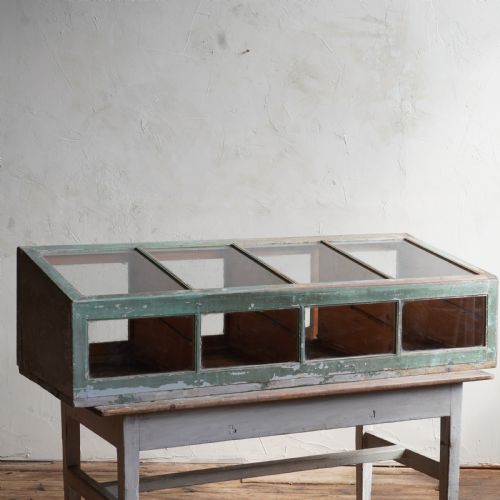
Trade signs and display cabinets served commercial purposes in Edwardian shops before entering domestic collections.