

Antique Painted Frame
When you search for an antique painted frame, you encounter surrounds that house oil paintings, portraits and watercolours spanning multiple centuries.
Antique Painted Frame
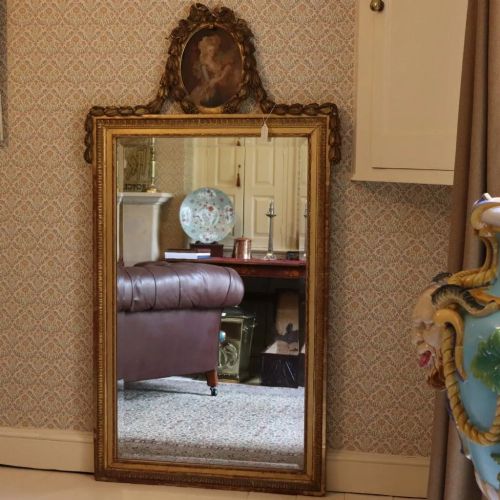
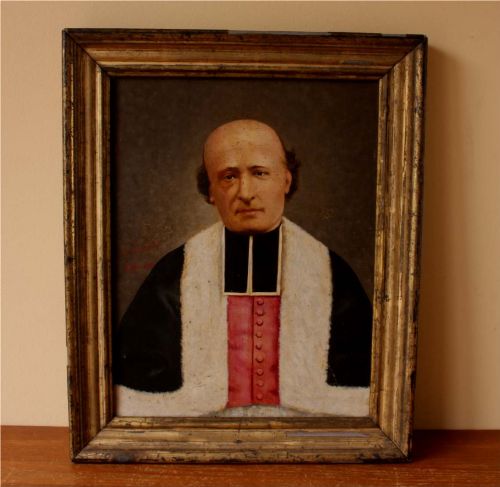
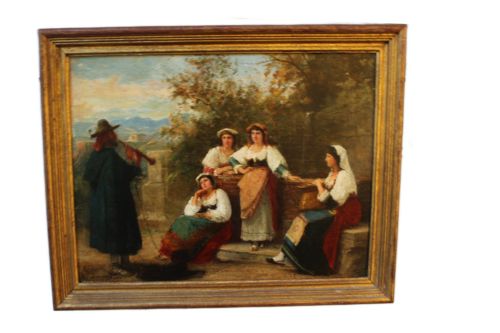
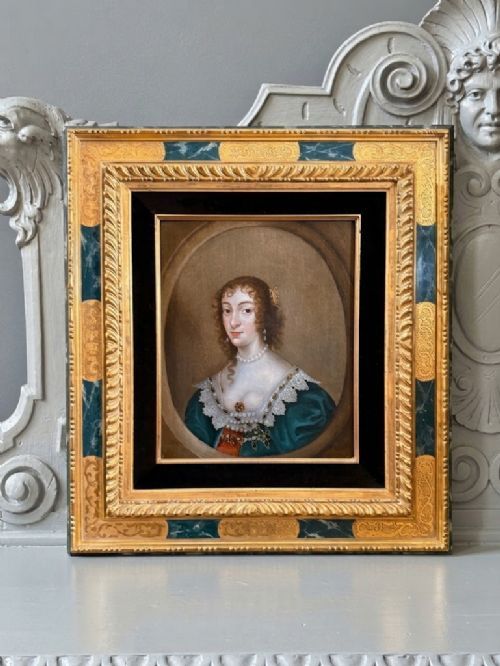
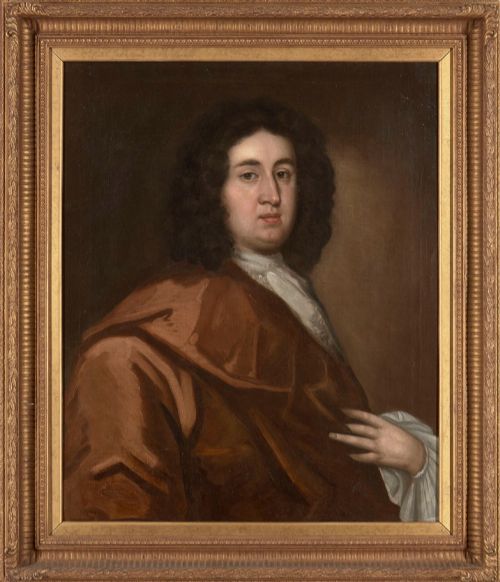
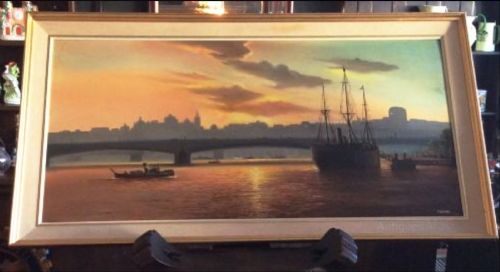
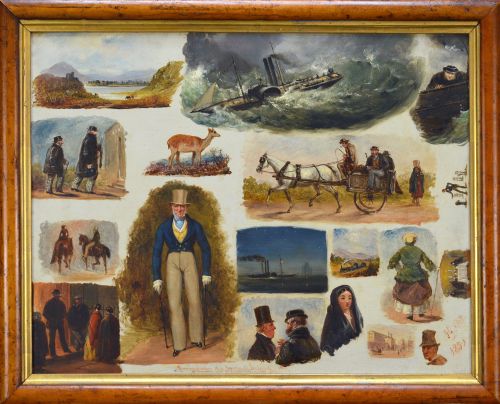
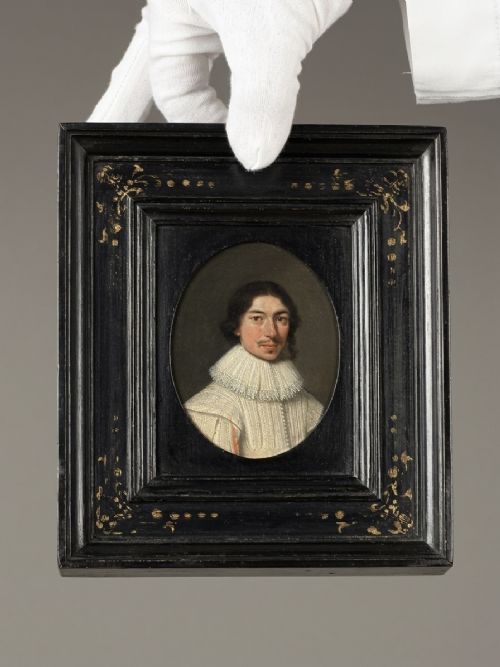
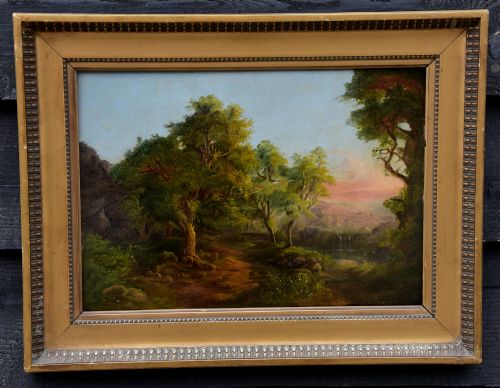
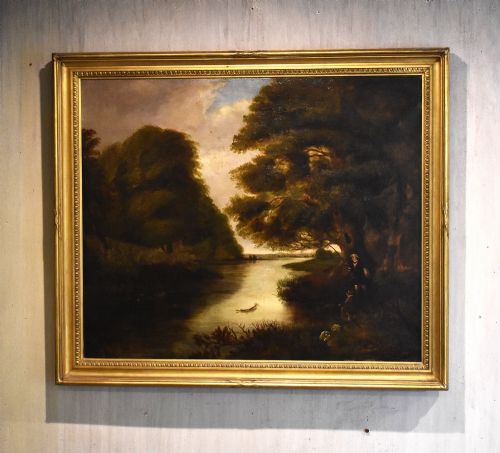
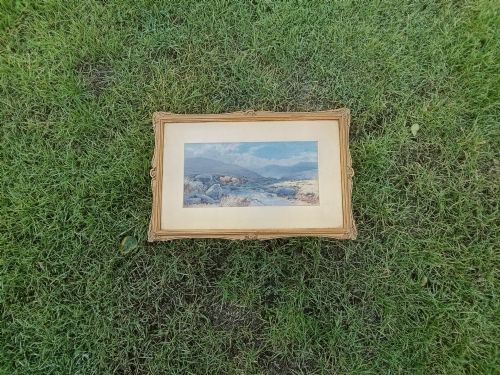
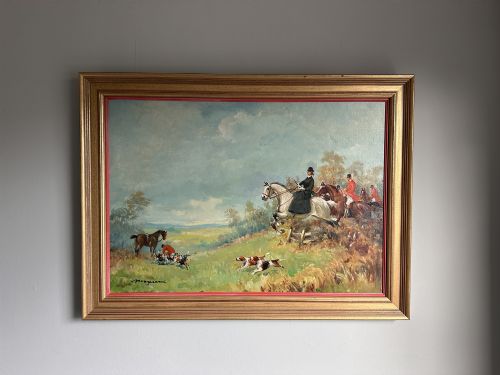
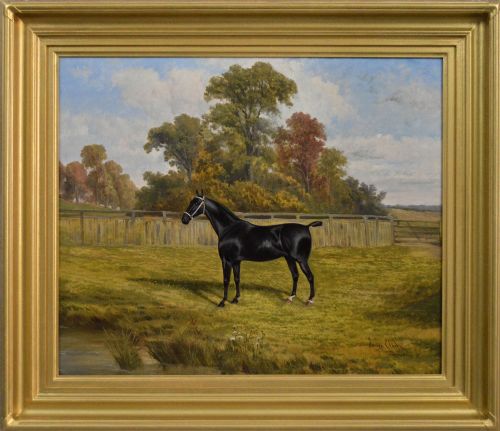
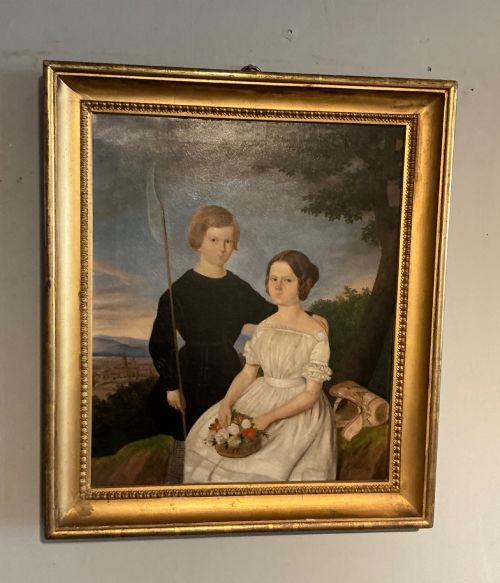
An antique painted frame protects and borders works of fine art, portraits and landscapes created across the seventeenth, eighteenth, nineteenth and early twentieth centuries. These surrounds frequently accompany oil on canvas paintings, watercolours and pastels, originating from British, French, Dutch and broader European schools. The items seen on this page range from deep giltwood and gesso mouldings to maple housings built for specific artistic periods.
The version a buyer meets most frequently is the nineteenth century surround, often finished with giltwood, gesso or oil paint to complement Victorian and Regency portraits. These enclosures hold historical significance in their own right, reflecting the decorative tastes of periods such as the Baroque, Georgian and Edwardian eras. While some listings present frames integrated with period artworks, others focus purely on the architectural moulding of the timber itself.
How they were made
Wood serves as the primary structural foundation for these pieces, shaped into fluted hollow profiles and deep rebate sections to receive canvas or paper. Artisans applied layers of gesso - a mixture of plaster of Paris and chalk - onto the timber base to create smooth surfaces for subsequent decoration. This preparatory layer allowed craftsmen to carve intricate decorative motifs directly into the moulding before finishing.
Surfaces received treatments of oil paint, gold leaf or giltwood, applied by hand to achieve rich metallic sheens or subtle coloured tones. The interaction between the wooden substrate, the gesso ground and the surface leaf or paint determines the visual depth characteristic of each period style. Joinery techniques varied from simple mitred corners to reinforced lap joints designed to withstand the tension of stretched canvases.
Antique Painted Frame Retail Price Guide 2026
Typical asking prices for painted frame among the pieces listed under this phrase on Sellingantiques today, from the lower quarter to the upper quarter. They describe what is for sale here now, not the wider market.
Some frames boast intricate fluting and deep hollows designed so masterfully that viewers spend more time admiring the timber than the portrait inside.
What varies in quality
The integrity of the gesso and the depth of the carving separate standard mouldings from superior examples. Skilled makers executed crisp, undercut relief ornamentation that retained sharp definition beneath layers of gilding or paint, whereas lesser pieces relied on shallow surface impressions.
Original surface preservation dictates desirability among collectors. Examples retaining their untouched historic gilding or authentic period paint layers demonstrate higher craftsmanship than those subjected to later overpainting or aggressive restoration.
Studio of Sir Godfrey Kneller·Studio of Sir Peter Lely·Studio M. Canals·Francis Lindo·Pieter Cornelis Steenhouwer
The Antique Painted Frame Glossary
- Giltwood
- Wood that has been coated with gold leaf or gold dust using a thin adhesive layer. This finish provides a reflective, durable surface favoured in Baroque and Regency framing.
- Gesso
- A paste composed of a binder mixed with chalk, gypsum or pigment, applied to wooden frames. It creates a smooth, absorbent base for gilding and fine decorative carving.
- Rebate
- The recessed groove cut into the back inner edge of a frame. This channel holds the canvas, glass or panel securely in position.
- Fluted
- A decorative moulding featuring parallel hollow grooves carved vertically or horizontally along the surface. This architectural detail adds linear texture to nineteenth century frames.
- Mitre joint
- A corner joint formed by cutting two matching pieces at a forty-five-degree angle. It provides a clean exterior corner while concealing end grain.
Antique Painted Frame: Frequently Asked Questions
How do I date an antique frame?
Dating relies on examining the underlying construction materials, the composition of the gesso ground, and the profile style. Eighteenth-century examples often feature heavier timber sections and hand-carved wooden ornament, while nineteenth-century versions introduce moulded compo decorations.
Changes in fastening methods, from early hand-wrought nails to later machine screws, also assist in determining the era of manufacture. Correlating the frame style with the period of the artwork it houses provides further chronological context.
Can I put a modern painting inside?
Placing contemporary artwork inside an antique surround is entirely possible, provided the depth and internal dimensions match the new canvas or panel. The rebate must accommodate the thickness of the stretcher bars without putting undue pressure on the antique timber.
Careful measurement of both the sight size and the overall rabbet depth ensures a secure fit. Many collectors utilise period surrounds specifically to create a visual contrast with modern or abstract artworks.
How do I clean an antique frame?
Dusting requires a very soft, dry brush to remove loose particles without disturbing delicate gesso or flaking gold leaf. Moisture and chemical cleaners must be avoided, as they can permanently dissolve historic water-gilding or original paint layers.
Stubborn surface grime requires professional conservation assessment rather than domestic intervention. Preserving the original patina remains the primary goal when maintaining any historic wooden enclosure.
What is the difference between gesso and compo?
Gesso is a liquid plaster and glue mixture applied in multiple layers to provide a smooth ground for direct carving or gilding. Compo, short for composition ornament, is a pliable paste made from glue, resin, whiting and oil that is pressed into moulds and applied to the wooden frame.
Compo decorations are typically harder and more brittle than hand-carved gesso details. Identifying the difference helps determine the production methods used by nineteenth-century workshops.