


Antique Painted Double Bed
An antique painted double bed brings character to a bedroom through period craftsmanship and hand-finished surfaces.
Antique Painted Double Bed
An antique painted double bed offers a practical sleeping frame defined by historical proportions and decorative surface finishes. When exploring the market for an antique painted double bed, buyers encounter frameworks originating from the nineteenth century through to the early twentieth century.
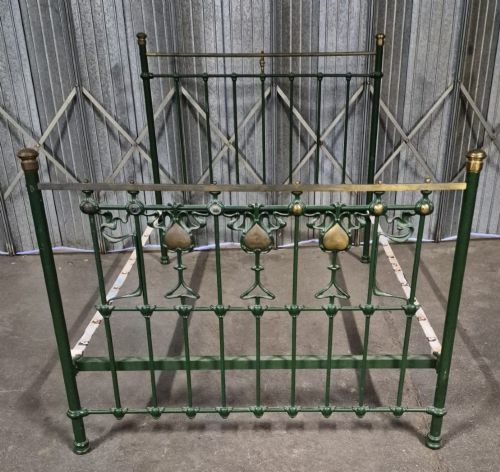
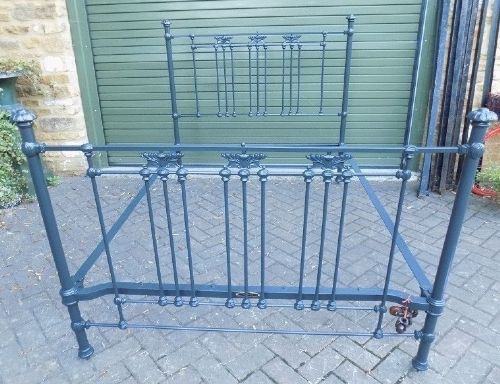
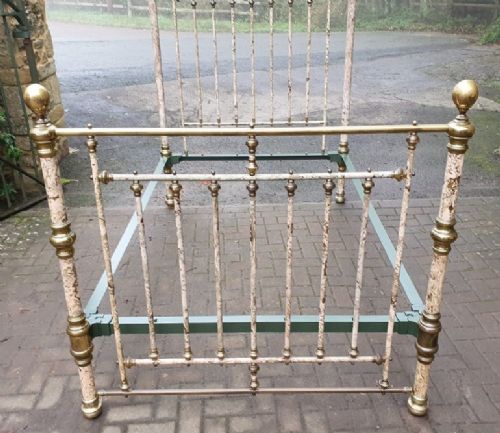
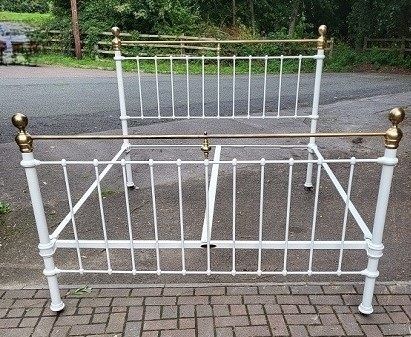
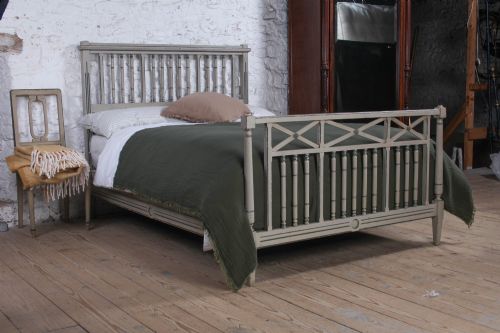
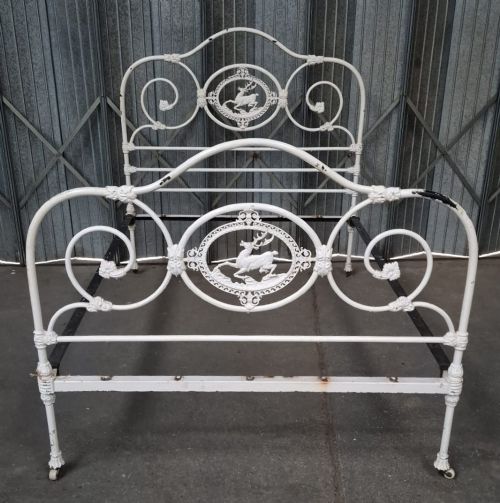
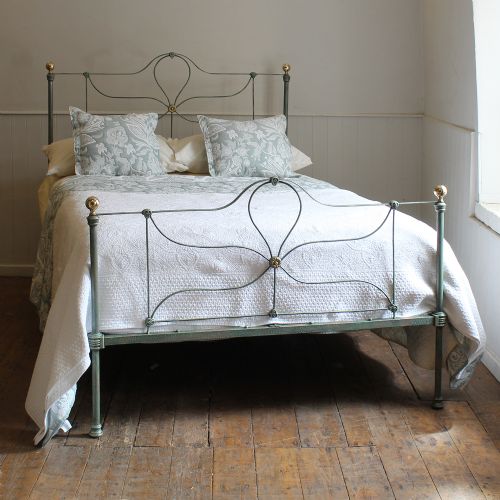
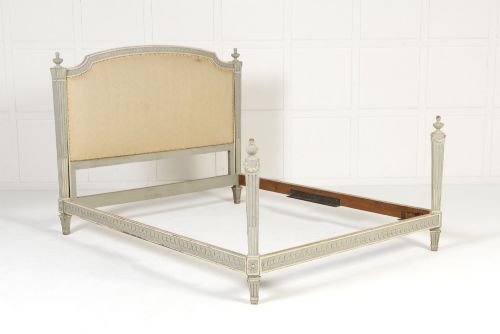
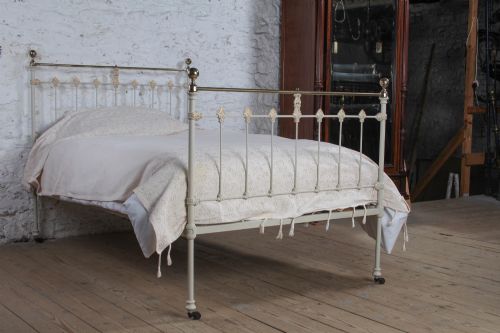
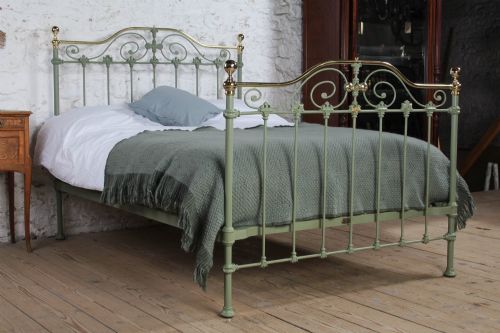
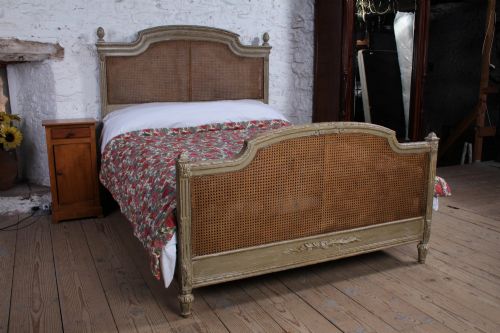
The surviving pieces span multiple design traditions, incorporating French provincial aesthetics, Louis XVI style details, and robust Victorian ironwork. Many examples combine painted wooden elements or cast iron frames with brass embellishments, fabric upholstery, or cane panels.
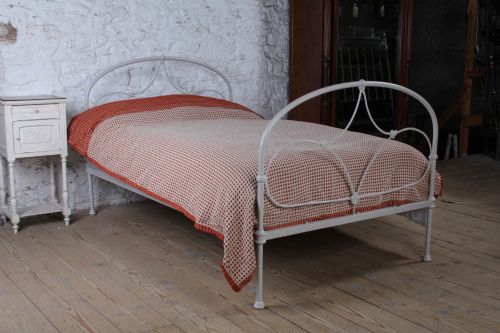
Irish and Celtic revival influences also appear alongside continental European forms, providing varied silhouettes from low footboards to half tester testers. These double beds serve as functional centrepieces while retaining the distinct patination of their original periods.
Materials and Construction
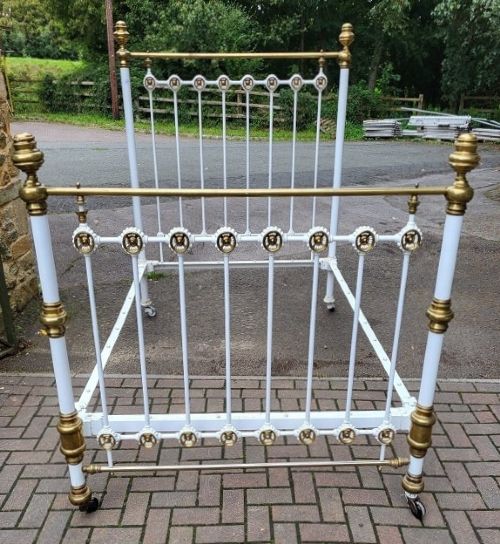
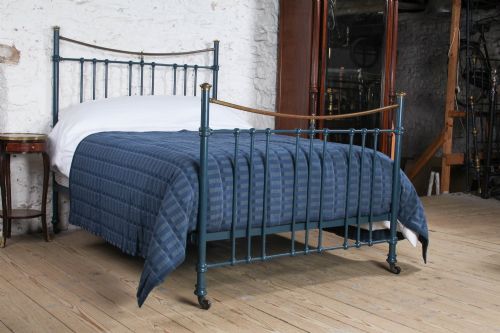
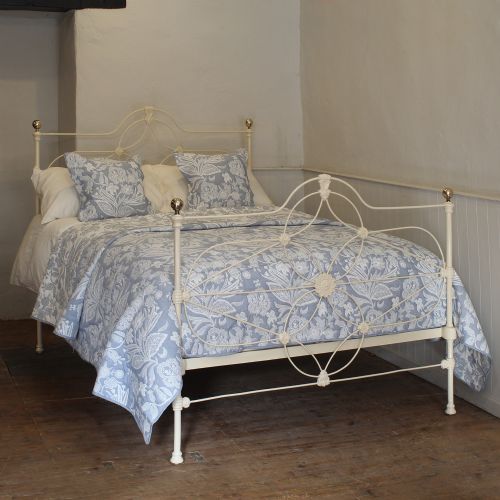
Makers constructed these bedframes using durable structural metals like cast iron, wrought iron, and brass, paired with solid timbers such as walnut, satinwood, and other painted woods. Artisans applied hand-painted finishes directly onto timber or metal surfaces, occasionally incorporating parcel gilt details, ceramic or mother of pearl inlays, and Wedgwood-style plaques.
Upholstered panels utilised traditional fabric coverings, while caned sections required skilled weaving through wooden or metal frames. Metal components featured detailed castings, joined with side irons and fitted with castors for mobility in period bedchambers.
Antique Painted Double Bed Retail Price Guide 2026
Typical asking prices for painted double bed among the pieces listed under this phrase on Sellingantiques today, from the lower quarter to the upper quarter. They describe what is for sale here now, not the wider market.
French provincial, Louis XVI, and Victorian design styles dominate the available painted bedframes.
Assessing Quality and Execution
Quality in these beds rests upon the crispness of the iron casting, the depth and execution of hand-carved woodwork, and the integrity of the original paint surface. Superior examples display refined proportions, sophisticated decorative motifs like brass mounts or carved parcel gilt, and robust structural joinery.
Lower tiers often show simpler, mass-produced ironwork or later repainting that obscures the original surface history. The presence of authentic maker signatures, high-grade caning, and intact period hardware distinguishes the finest workshops from standard commercial output.
Maple and Co·Harrods
The Antique Painted Double Bed Glossary
- Dip rail
- A footboard or headboard rail that curves downward in the centre. This design allows for easier bed-making and alters the visual silhouette of the frame.
- Half tester
- A canopy that extends only partway over the head of the bed. It typically attaches to the wall or the headboard rather than standing on four full posts.
- Caning
- A woven pattern made from rattan or cane strips used for headboard and footboard panels. It provides a lightweight, decorative texture.
- Parcel gilt
- A surface decoration technique where specific carved or raised details are highlighted with gold leaf over a painted base. This creates contrast against the primary colour.
- Side irons
- The longitudinal metal rails that connect the headboard and footboard to support the mattress base. They are essential for the structural stability of antique metal and wooden beds.
Antique Painted Double Bed: Frequently Asked Questions
How do I fit a modern mattress?
Antique double beds often feature internal dimensions that differ slightly from standard modern metric sizes. It is essential to measure the exact distance between the side irons and headboard before purchasing a mattress.
Many period frames accommodate standard double mattresses, but some nineteenth-century or continental European variants require custom sizing or minor adjustments to the wooden slats or base support.
Are these beds structurally sturdy?
Period bedframes are constructed from heavy cast iron, wrought iron, or dense hardwoods designed to withstand decades of daily use. The inclusion of robust side irons and original metal brackets ensures reliable support when properly assembled.
Buyers should ensure all original bolts and wedge joints are tight and secure. Professional restoration often reinforces these joints without compromising the historical integrity of the piece.
How do I care for original paint?
Original painted surfaces require gentle maintenance to preserve the historic patina and prevent flaking. Dusting with a soft, dry cloth is usually sufficient for regular upkeep.
Avoid harsh chemical cleaners, modern solvents, or excessive moisture, as these can strip or damage nineteenth-century paintwork and delicate gilt highlights.
Can iron and brass beds be dismantled?
Most antique metal bedframes dismantle easily into four main components: the headboard, the footboard, and the two side irons. This modular construction was designed for straightforward transport and installation in period homes.
Assembly typically involves slotting the side irons into the tapered brackets on the head and foot posts, requiring no complex tools beyond a proper spanner for tightening.