

Antique Painted Clock
An antique painted clock brings movement and colour to a room, offering brass, mahogany, and porcelain crafted across the Georgian, Victorian, and later periods.
Antique Painted Clock
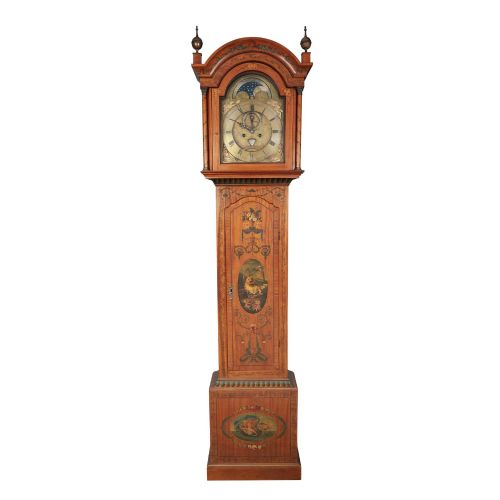
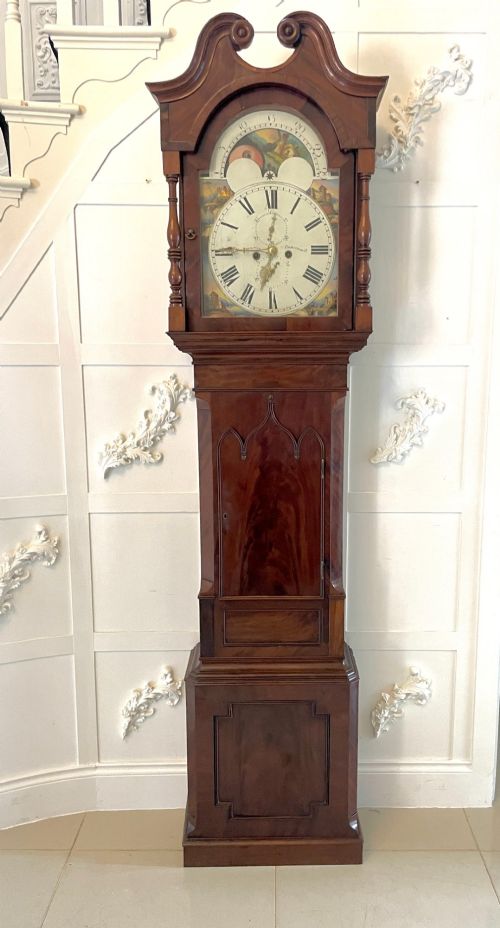
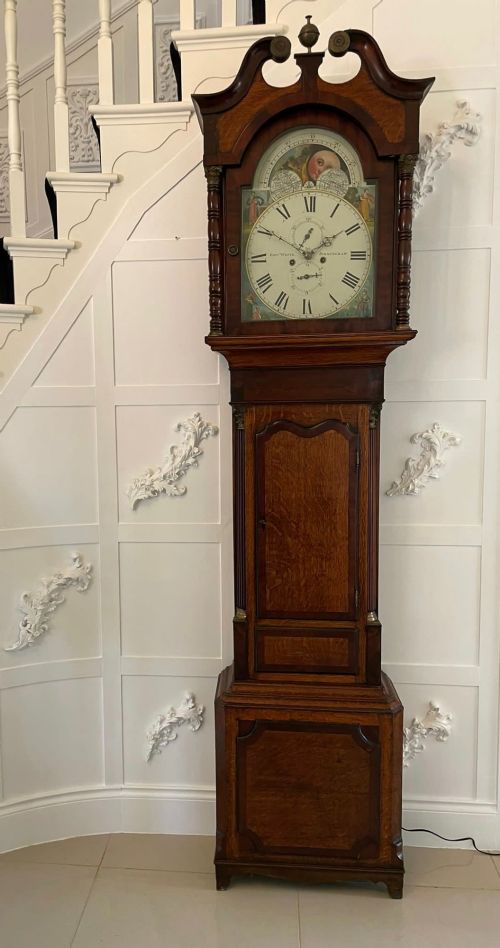
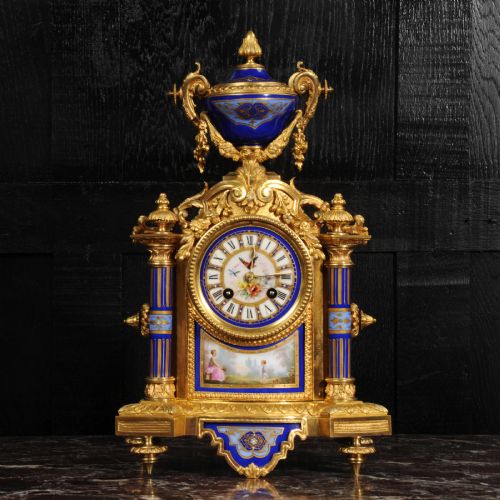
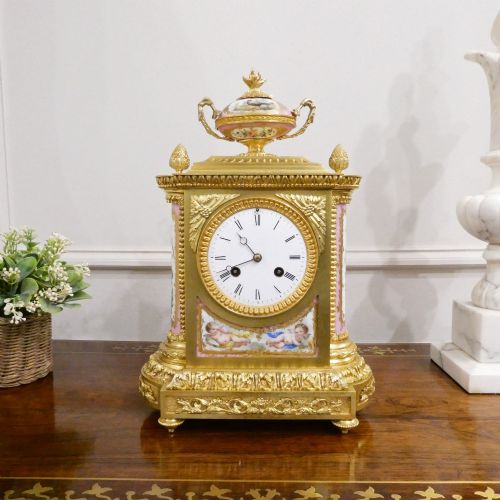
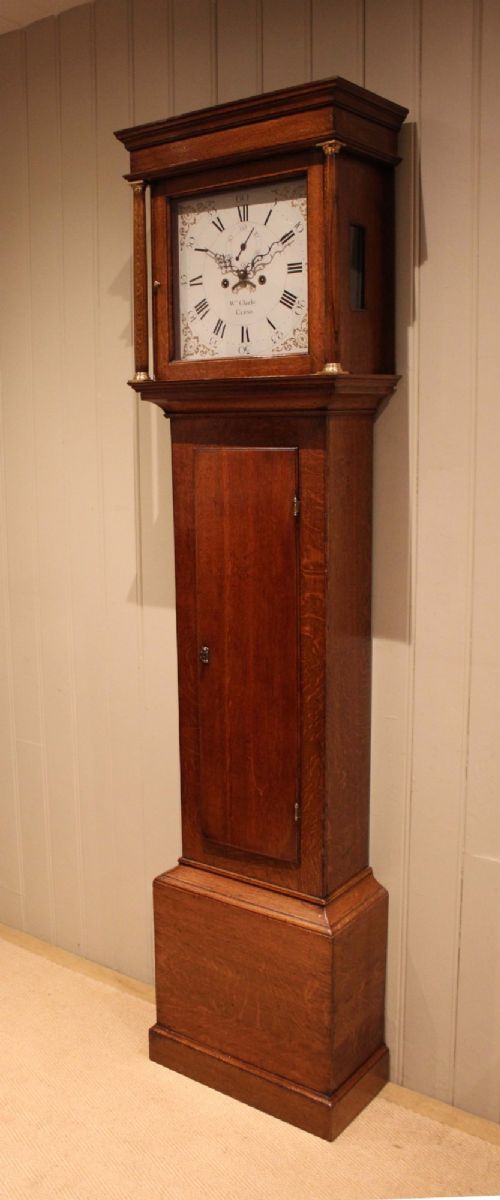
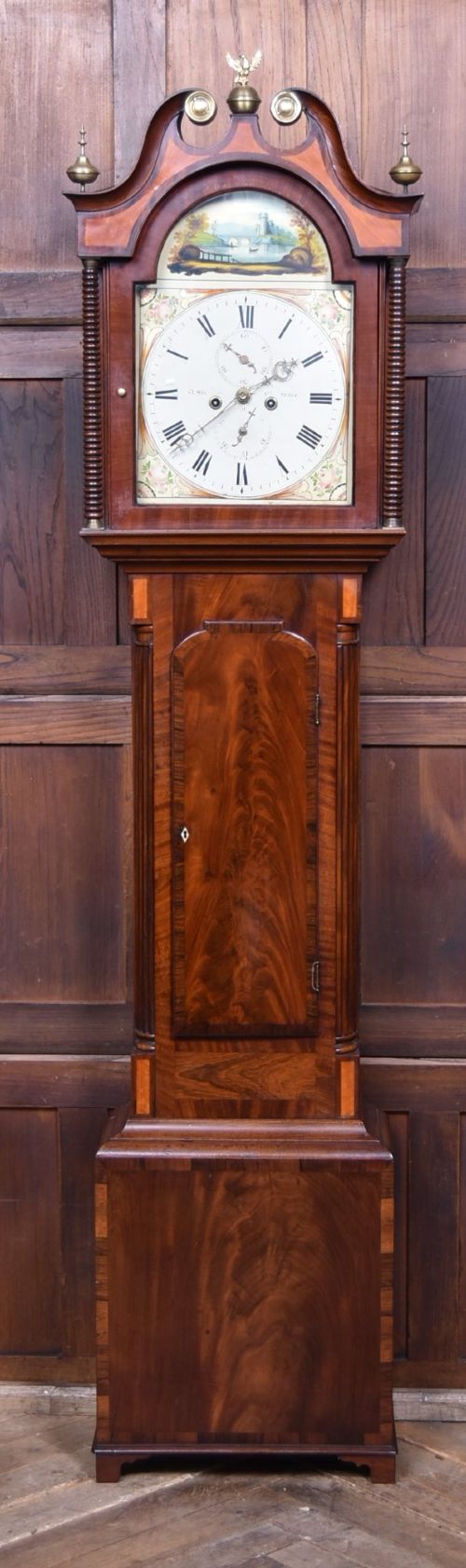
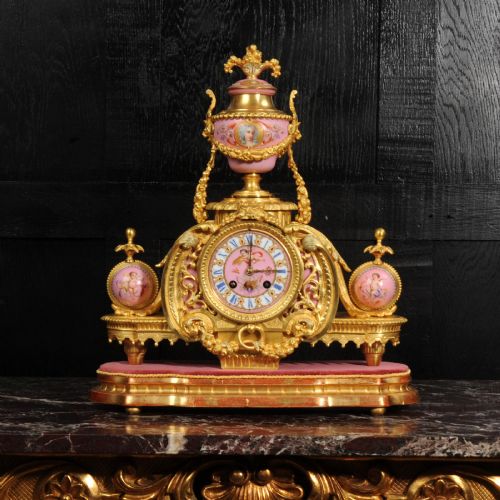
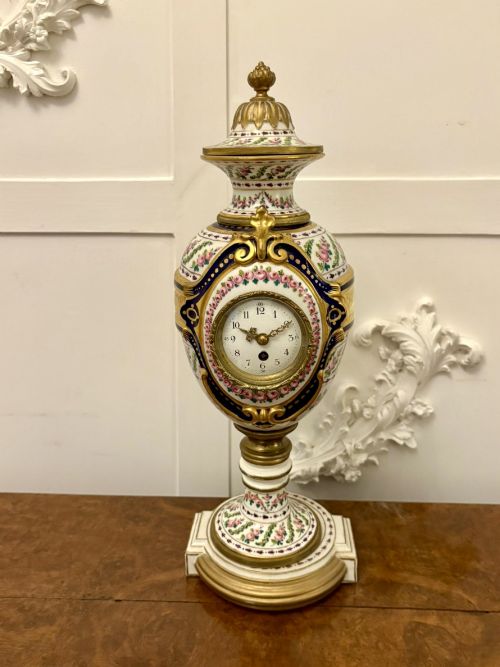
An antique painted clock encompasses tall floor-standing longcase pieces alongside smaller mantel, wall, and carriage formats. The selection ranges from regional British grandfather clocks in oak and mahogany to ornate French porcelain and gilt metal mantel designs.
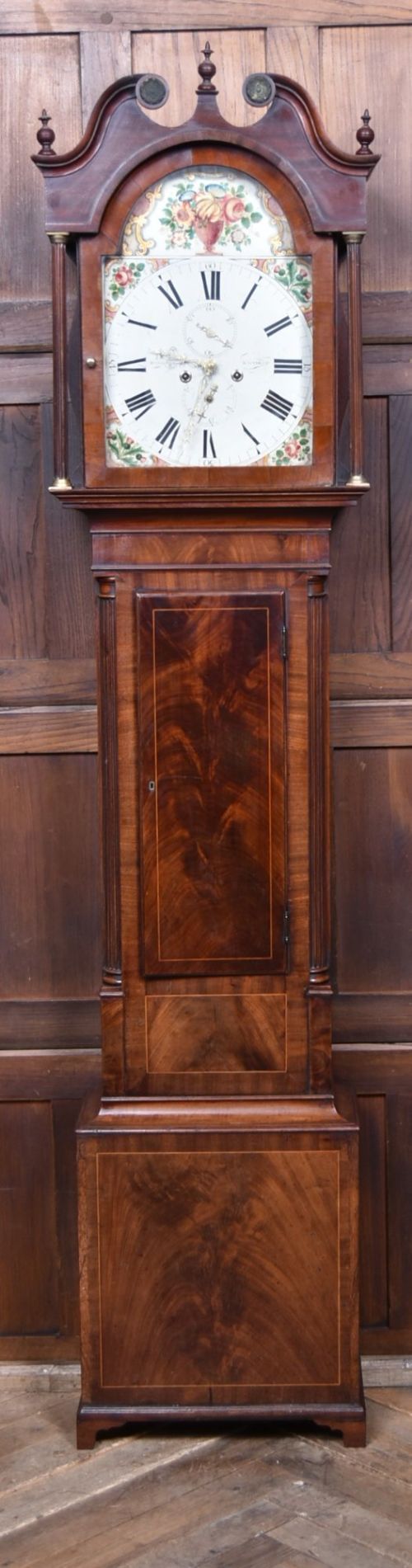
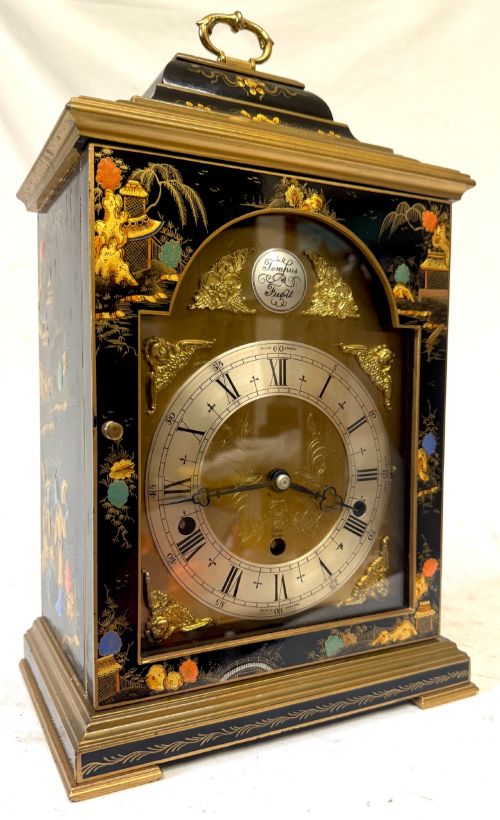
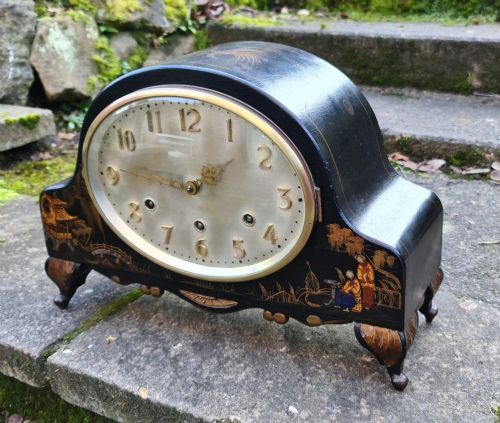
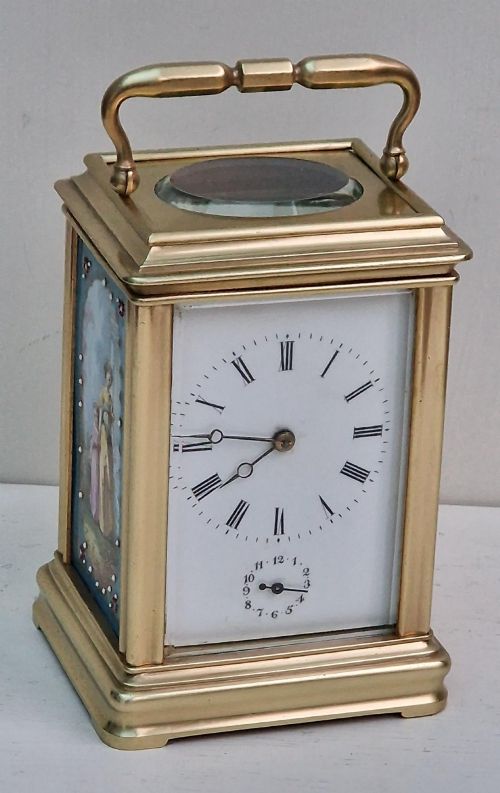
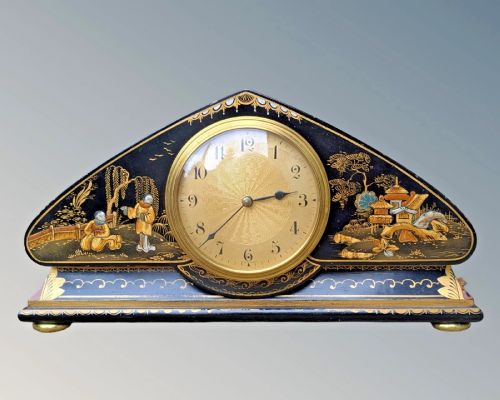
Buyers frequently encounter 19th-century and Georgian longcase clocks featuring hand-painted dials, alongside later Chinoiserie and lacquer decorative pieces. Smaller carriage and mantel timepieces incorporating painted panels or porcelain mounts also appear across the inventory.
How they were made
Cabinetmakers constructed the larger cases primarily from native timbers such as mahogany, oak, and pine, often incorporating flame veneers, inlay, and lacquer or painted decoration. Brass and iron formed the mechanical movements, while dials utilised enamel, iron plates, or papered copper.
French and domestic mantel pieces integrated cast or gilt bronze ormolu, spelter, and glass alongside hand-painted porcelain panels and ceramic urn bodies. Dials and cases frequently received hand-painted floral, figurative, or moonphase details applied by specialist artisans.
The inventory includes dial clocks, wall hanging timepieces, and automated rocking ship longcase mechanisms.
What varies in quality
Quality rests in the crispness of the case carving and cabinetwork, the retention of original painted decoration on dials and lacquer surfaces, and the complexity of the movement. Regional longcases with signed movements and painted moonphase arches demonstrate high standards of period craftsmanship.
In French and decorative mantel examples, the depth of gilding, the fine detail of hand-painted porcelain mounts, and the preservation of original ormolu and figural castings differentiate superior workshop output from standard production.
Hendrie Ogg·D. Straiton·Achille Brocot·Samuel Kellett·Parkinson Bros·Henry Harris·William McEwan
The Antique Painted Clock Glossary
- Longcase clock
- A tall pendulum clock housed in a wooden floor-standing case, commonly known as a grandfather clock. These housing units often feature arched painted dials and regional signatures.
- Dial
- The face of the clock where hours and minutes are displayed. Antique painted versions frequently feature floral corners, maker names, or subsidiary seconds dials.
- Ormolu
- Gilded bronze or brass applied to decorative mounts on French mantel clocks. This technique provides a rich metallic finish characteristic of 19th-century luxury pieces.
Antique Painted Clock: Frequently Asked Questions
Where should I place a longcase clock?
Longcase clocks require a stable, dry interior wall with adequate floor space and height clearance. Avoid positioning them near direct heat sources or in damp hallways to protect the wood and movement.
Ensure the floor is level so the pendulum swings evenly and keeps accurate time. Placing them in principal living areas or hallways allows the chime and visual presence to be fully appreciated.
Are painted clock dials original?
Many antique clocks retain their original hand-painted iron or enamel dials, showing minor age-related wear and craquelure. Replacement or repainted dials also exist, having been refreshed during earlier maintenance or restoration.
Examining the surface under magnification helps determine whether the paintwork and signature match the period of the movement and case.
How do I tell a Georgian clock from a Victorian one?
Georgian clocks typically feature simpler, robust oak or mahogany proportions with regional maker signatures on painted square or arched dials. They reflect eighteenth-century cabinetmaking styles.
Victorian pieces often introduce heavier ornamentation, varied wood veneers, or French porcelain mounts and ormolu. Stylistic cues such as Gothic revival elements or Japonisme motifs help distinguish later nineteenth-century manufacture.