




Antique Oval Serving Plate
An antique oval serving plate brings generous proportions and solid craftsmanship to the table, whether laid out for a grand roast or passed around for tea.
Antique Oval Serving Plate
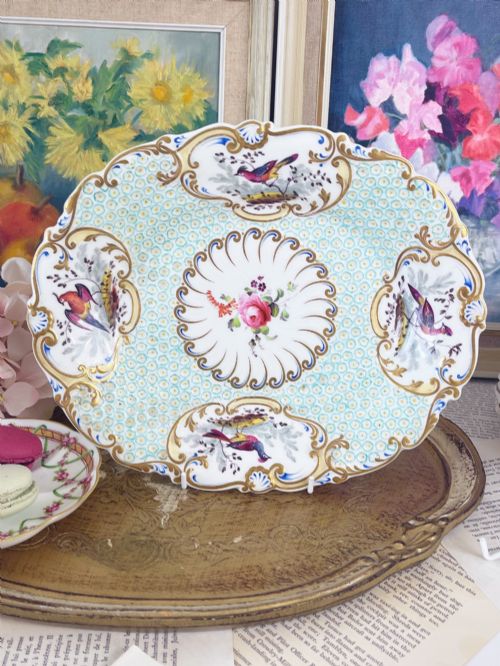
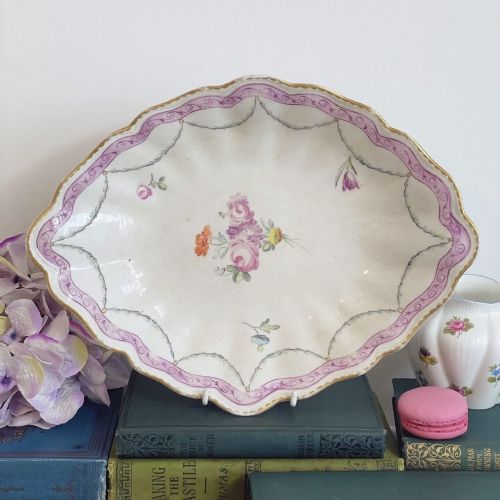
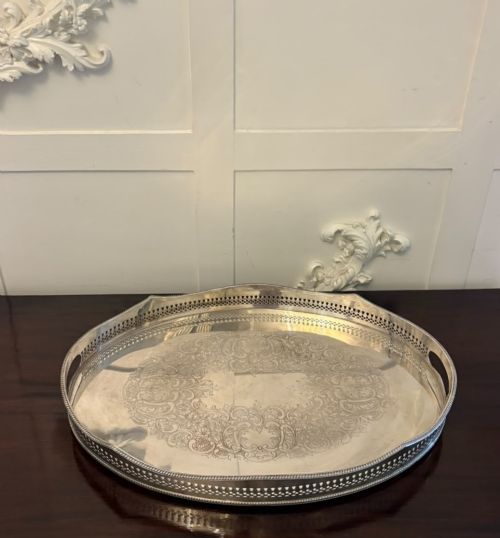
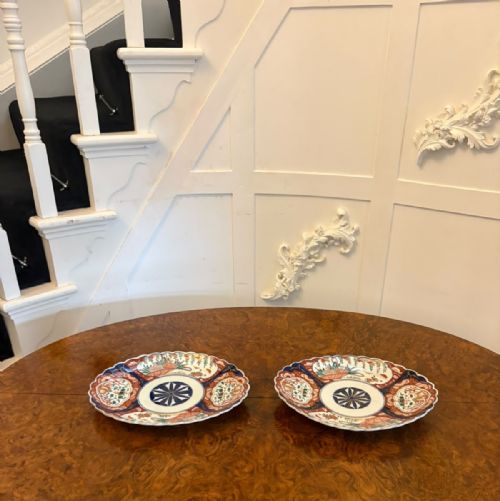
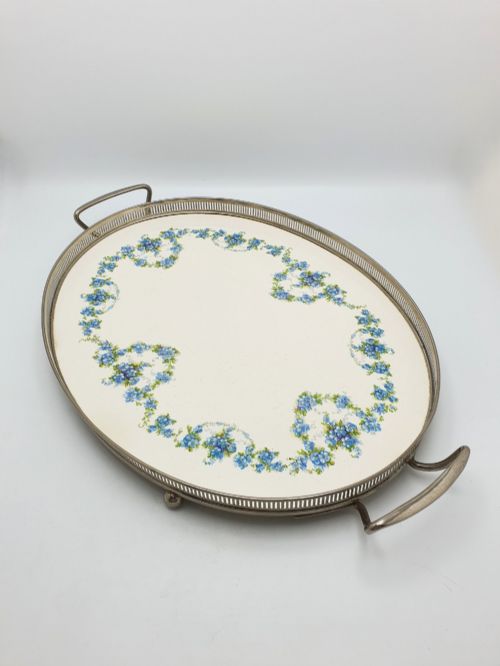
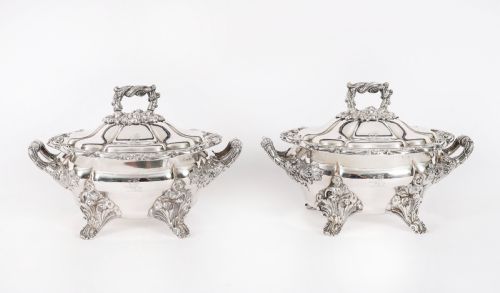
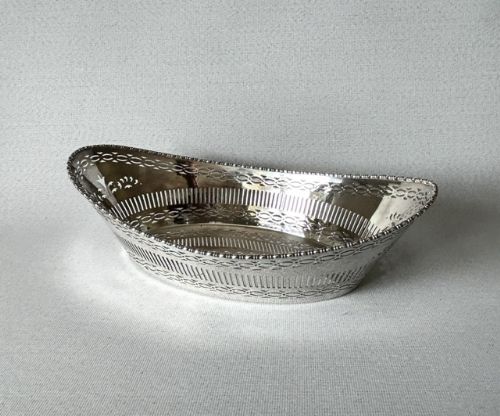
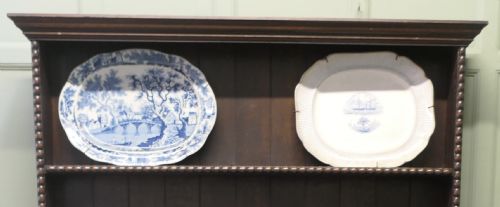
An antique oval serving plate spans several centuries of dining traditions, ranging from heavy earthenware platters meant for carving joints of meat to delicate porcelain dishes intended for fruit or petits fours. When searching for an antique oval serving plate, buyers frequently encounter heavy silver-plated trays from the Victorian and Edwardian eras, alongside crisp blue and white transfer-printed ceramic platters from the nineteenth century.
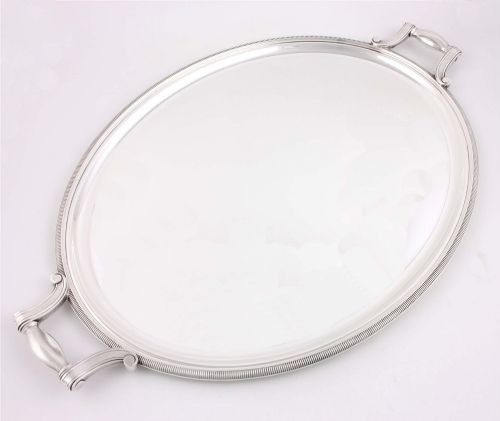
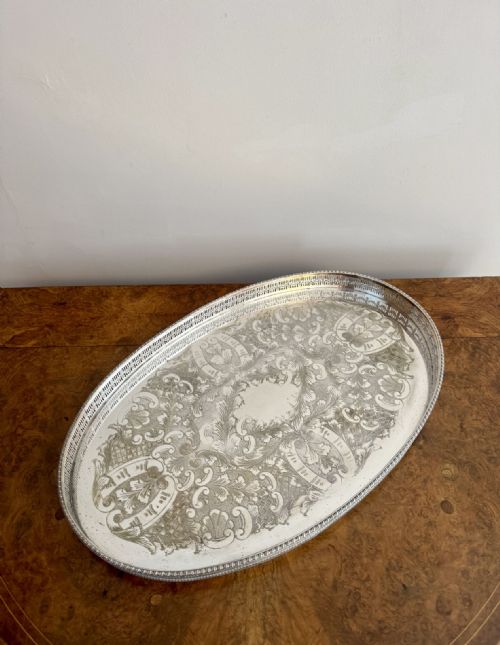
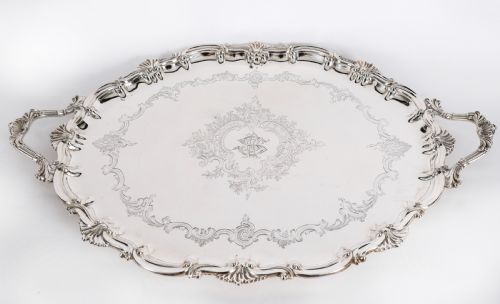
The form adapts to the social rituals of its period, shifting from eighteenth-century handpainted porcelain intended for elite drawing rooms to robust silver-plate serving trays utilised by butlers in Edwardian households. Many examples carry handles, pierced galleries, or engraved scrolls, marking their transition from kitchen utility to table presentation.
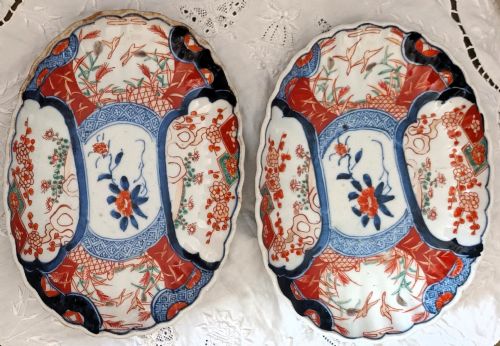
Ceramic examples often display deep wells for gathering juices from roasts, while metal serving trays provide a sturdy surface for carrying decanters, teapots, or large entree dishes. These pieces originate from English potteries, continental workshops, and Japanese export kilns, reflecting a global trade in domestic dining wares.
How they were made
Silver-plated items rely on durable base metals like copper or nickel silver, coated with a layer of silver either through early Old Sheffield plating methods or later electroplating techniques. Artisans then applied intricate decoration by hand, engraving scrolls, piercing galleries, or mounting cast handles onto the rims.
Ceramic versions combine earthenware, ironstone, or porcelain bodies shaped in moulds, then painted by hand or decorated with blue and white transfer printing. Kiln workers applied clear or coloured glazes before firing, sealing the pigments and providing a washable surface suitable for food service.
Some nineteenth-century meat platters include subtle sloping grooves designed specifically to prevent the family roast from sliding onto the tablecloth.
What varies in quality
Quality rests on the crispness of the manufacturing and the depth of the materials used, distinguishing a master potter's painted floral composition from a standard factory transfer. In silver plate, heavier gauge metal provides better balance and resistance to warping, while the depth of the silver layer determines longevity through decades of polishing.
Hand-finishing separates exceptional pieces from ordinary ones, visible in the precision of engraved scrolls on metal trays or the handpainted polychrome details on eighteenth-century porcelain. The integrity of applied mounts, handles, and galleries also indicates the workshop's original standard of production.
H & R Daniel·Mappin & Webb·Christofle·Thomas Bradbury & Sons·Henry Wilkinson·Walker & Hall
The Antique Oval Serving Plate Glossary
- Silver Plate
- A thin layer of silver bonded to a base metal such as copper or nickel. This technique allowed households to enjoy the brilliance of solid silver at a fraction of the cost.
- Transfer Print
- A method of applying detailed monochrome designs to ceramics by pressing paper engraved with copperplate ink onto the biscuity clay body before glazing. It revolutionised mass production in the nineteenth century.
- Gallery
- A pierced or openwork metal railing fitted around the rim of a tray or dish. It prevented items from sliding off during transport.
- Entree Dish
- A covered serving vessel designed for holding the course served before the main meat dish. They often feature removable handles to allow the lid to double as a secondary shallow dish.
- Old Sheffield Plate
- An early method of fusing a thin sheet of silver to a thicker copper ingot by heat and pressure. Pieces made this way show a subtle line of darker copper where the edges meet.
Antique Oval Serving Plate: Frequently Asked Questions
How were these plates used?
These pieces served as the centrepiece for communal dining, carrying large joints of meat, roasted fowl, or generous piles of vegetables to the table. In metal forms, they functioned as butler's trays for transporting tea sets, decanters, and heavy entree dishes between rooms.
Larger ceramic platters often featured recessed channels to collect meat juices during carving, keeping the dining table clean. Over time, their role shifted from strictly utilitarian kitchen equipment to decorative display items in affluent households.
Can I use them for food today?
Most ceramic and silver-plated serving dishes remain entirely functional for modern dining, provided they are washed by hand rather than placed in an automated dishwasher. Earthenware and porcelain with intact glazes safely hold food, while silver plate requires gentle cleaning to preserve the coating.
Dishes with significant loss to their silver plating or deep cracks in the ceramic body should be reserved for decorative display rather than direct food contact. Proper maintenance ensures these historical items continue their original purpose safely.
How do I clean silver plated trays?
Cleaning requires warm soapy water and a soft cloth, avoiding abrasive pads that strip the thin layer of silver from the base metal. Specialist silver creams help maintain the shine without scratching the engraved scrolls or pierced galleries.
Storing pieces in dry environments prevents tarnishing and protects the metal from active corrosion. Regular, gentle upkeep preserves the crispness of the original engraving for years to come.
How do I tell periods apart?
Stylistic shifts and manufacturing marks provide clear clues to a piece's age, moving from handpainted eighteenth-century porcelain to industrial blue and white transfer printing in the Victorian era. Edwardian and later pieces often showcase heavy electroplating alongside refined neoclassical revival motifs.
Examining the underside for maker's stamps, registration numbers, or specific blue underglaze marks helps pinpoint the exact decade of manufacture. Comparing weight, construction methods, and decorative styles further confirms the historical era of the tray.