
Antique Oval Glass
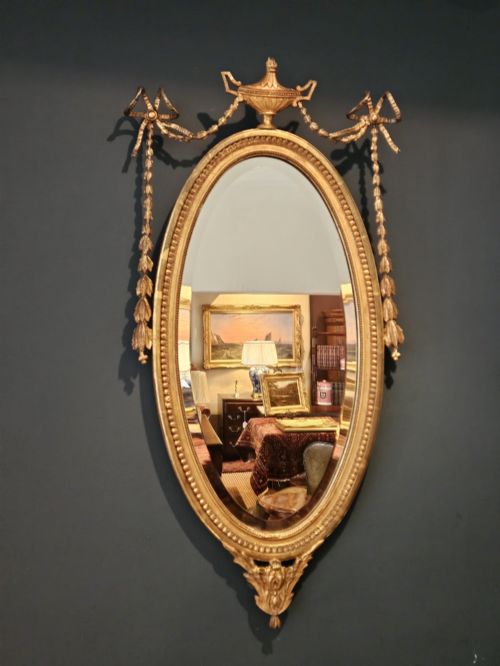
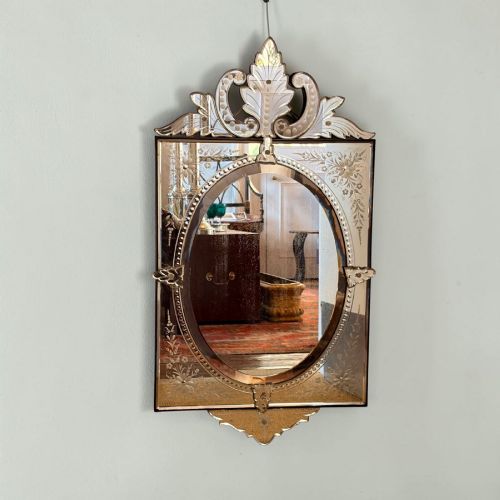
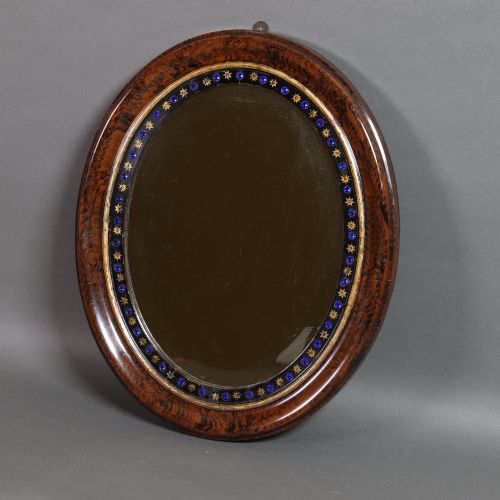
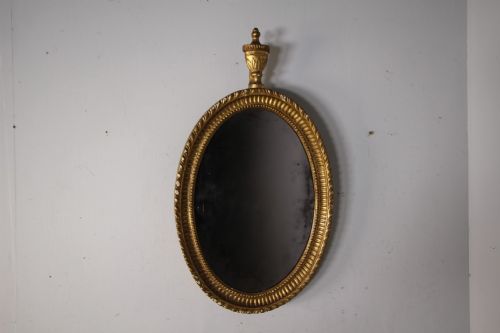
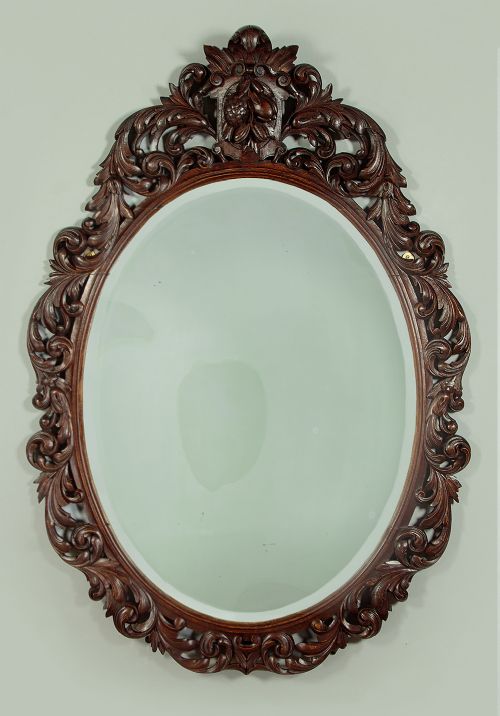
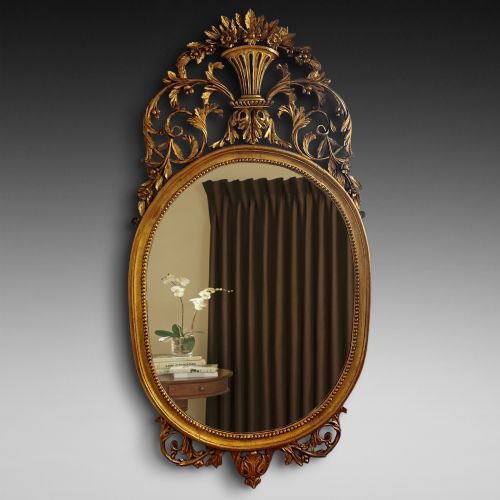
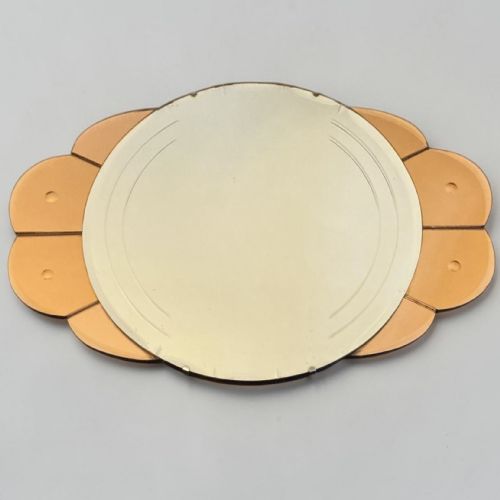
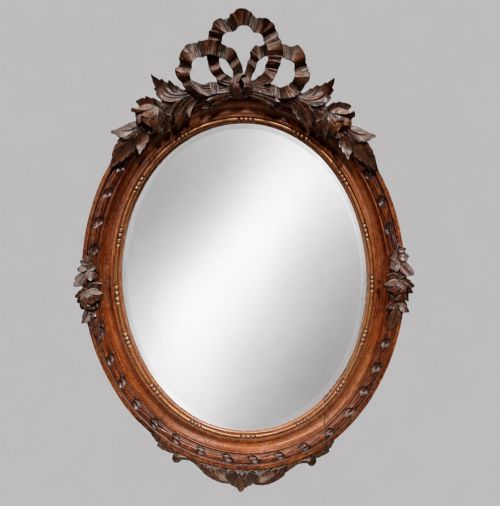
These pieces of antique oval glass combine curved reflective plates with carved frames, offering an elegant focal point for any interior space.
Antique Oval Glass
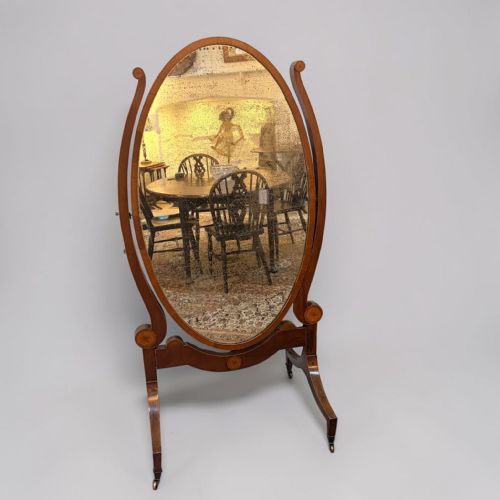
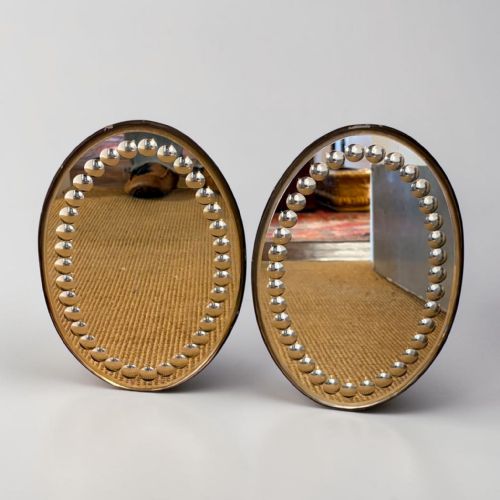
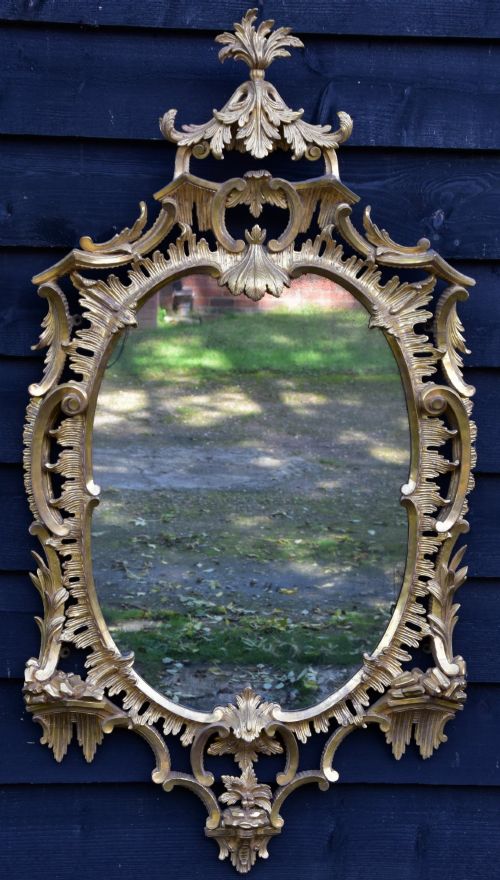
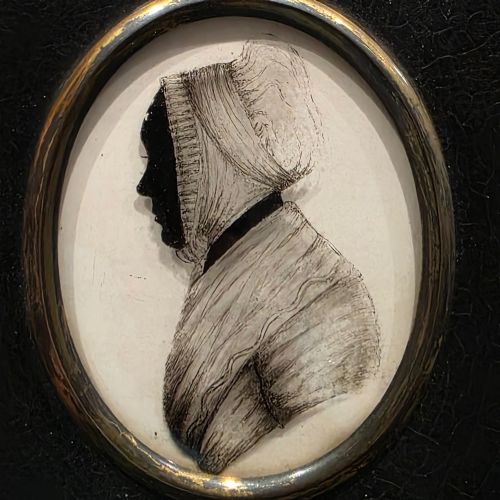
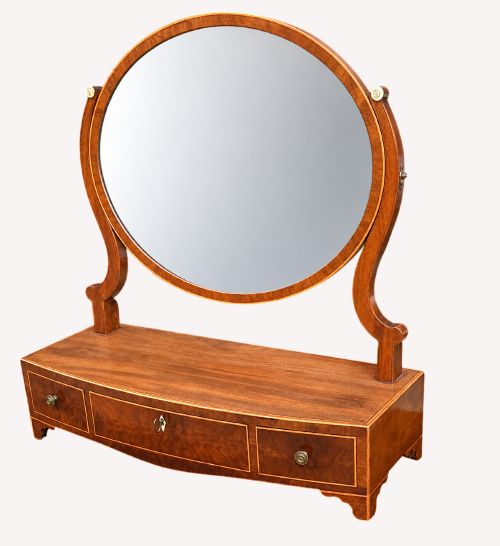
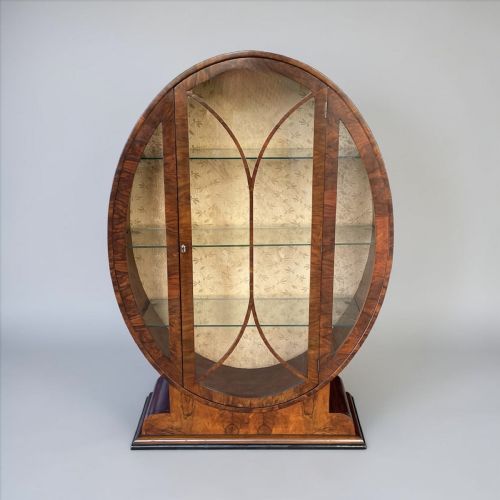
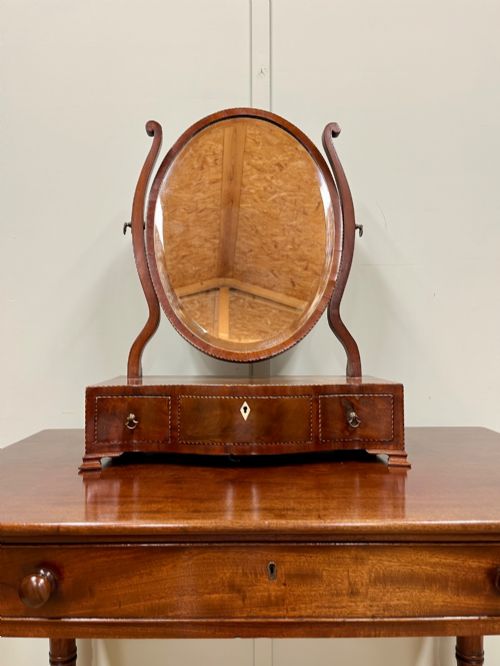
When searching for antique oval glass, collectors encounter a diverse array of objects spanning the eighteenth, nineteenth, and early twentieth centuries. Wall mirrors and dressing table mirrors dominate the selections, framed in materials ranging from carved giltwood to polished mahogany. Beyond mirrors, the category encompasses portrait miniatures, display cabinets, and decorative boxes.
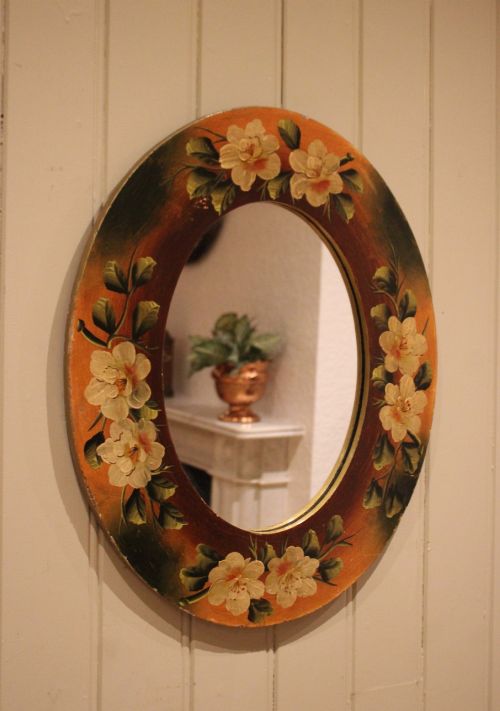
The most prevalent forms on this page are wall mirrors and dressing table mirrors dating from the Georgian, Victorian, and Edwardian eras. Pieces often incorporate decorative elements such as gilt gesso, floral paintwork, or brass mounts. These items reflect the shifting interior fashions of French and English workshops over two centuries.
How They Were Made
Craftsmen shaped wooden frames using carved mahogany, oak, or gesso-coated softwoods finished with gold leaf or paint. Artisans shaped glass plates by hand, sometimes utilising mercury backing or early bevelled techniques to achieve depth and clarity.
Makers integrated metal components such as brass, ormolu mounts, and silver plating to secure and ornament display cabinets, dressing mirrors, and small boxes. Joinery relied on traditional pinned mortise and tenon frames, while mirrors utilised original timber backs and iron or brass hanging fittings.
Early twentieth-century silver paste earrings and intricate micromosaic brooches occasionally join the glass mirrors and display cabinets.
What Varies in Quality
The sophistication of the frame carving and the purity of the glass plate distinguish finer examples from standard production. Deeply undercut gesso ornament, crisp gilding, and well-figured mahogany indicate superior workshop execution.
Originality of components dictates desirability, particularly the retention of antique mirror plates with authentic foxing and original wooden backs. Pieces displaying intact mercury glass and untouched decorative mounts command greater appreciation among collectors.
William Greaves
The Antique Oval Glass Glossary
- Mercury plate
- A reflective glass surface created by applying a tin and mercury amalgam to the rear of the sheet. This technique produces a characteristic mottled appearance and warm reflection seen in older mirrors.
- Gesso
- A plaster-like mixture applied to wooden frames as a base for gilding or painting. Skilled artisans carved intricate relief ornament directly into this dried layer.
- Girandole
- A decorative wall mirror featuring attached candle sconces designed to multiply the flickering light of candles within a room. These pieces often incorporate elaborate giltwood frames.
- Bijouterie table
- A glass-topped display case or table intended for showing small valuables, jewellery, and curiosities. They frequently feature mahogany or satinwood construction with glazed panels.
- Crossbanded
- A method of veneering where narrow strips of wood are applied across the grain of the main surface to create a decorative border. This technique highlights the skill of Georgian cabinet makers.
Antique Oval Glass: Frequently Asked Questions
How do I date an antique oval mirror?
Dating relies on examining the construction of the wooden frame, the backing boards, and the mounting fixings. Earlier eighteenth and nineteenth-century pieces often feature hand-beveled or mercury-backed glass paired with traditional joinery.
stylistic clues such as Regency neoclassical motifs or Edwardian inlay provide further chronological markers. Comparing the framing technique with documented period examples helps confirm the approximate decade of manufacture.
What is mercury glass?
Mercury glass refers to mirror plates produced using a tin and mercury backing technique popular before silver nitrate methods took over in the mid-nineteenth century. This historical process yields a distinct, deep reflection with subtle imperfections.
Over time, chemical reactions create dark spots known as foxing across the surface. Collectors prize these original plates for the authentic character they impart to antique frames.
Where should I hang an oval wall mirror?
Oval mirrors suit narrow wall spaces where rectangular frames feel too heavy, such as above a mantelpiece, in a hallway, or between windows. Their curved silhouette softens rigid architectural lines and introduces balanced proportions to a room.
Ensuring the wall fixings match the weight of the timber and glass assembly is essential for secure hanging. Positioning the piece opposite a light source maximises the reflective diffusion throughout the space.