


Antique Ormolu Mount
An antique ormolu mount delivers gilded bronze brilliance to nineteenth-century French cabinetry, tables, and porcelain pieces.
Antique Ormolu Mount
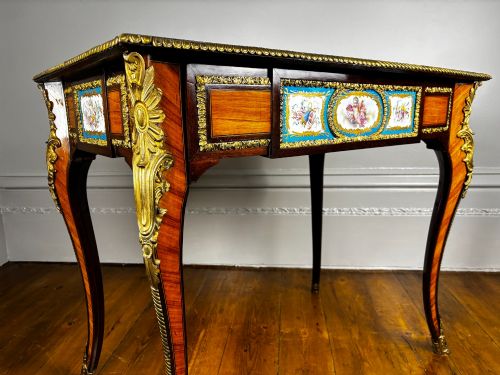
When you search for an antique ormolu mount, you examine gilded bronze and brass decorative hardware applied to nineteenth-century furniture, porcelain, and clocks. These metal ornaments catch the light and frame wood veneers, defining the lavish aesthetic of the period.
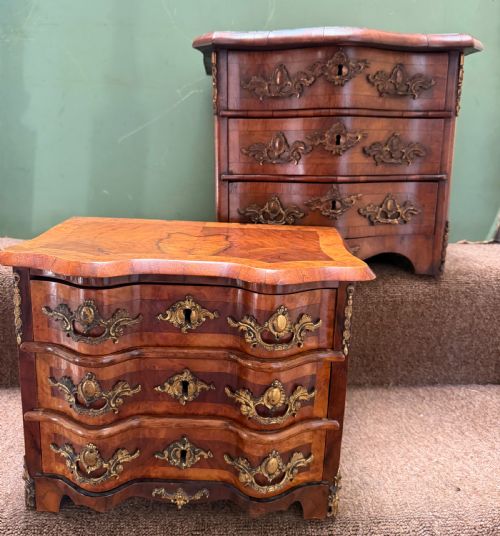
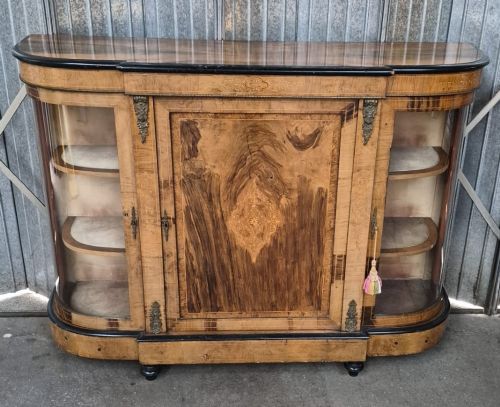
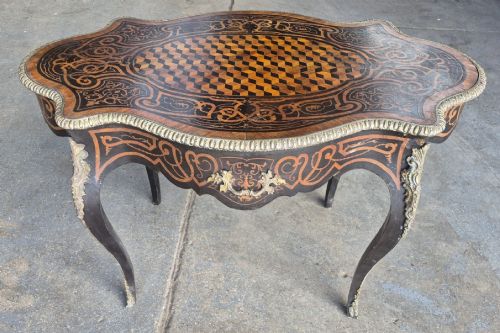
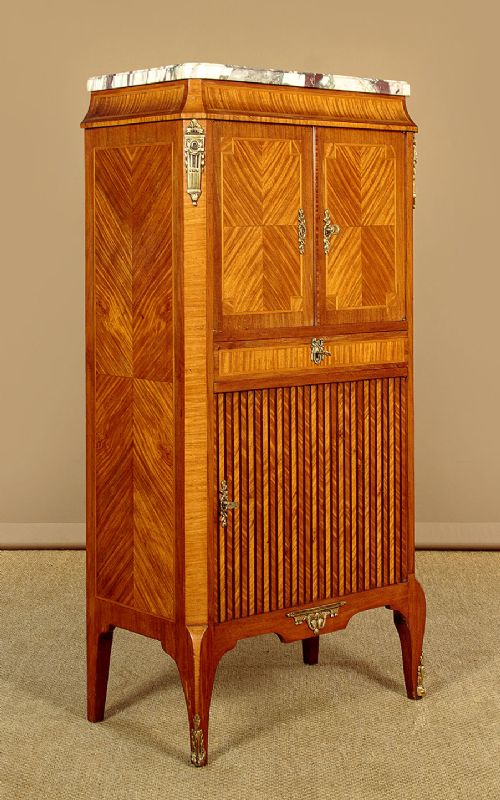
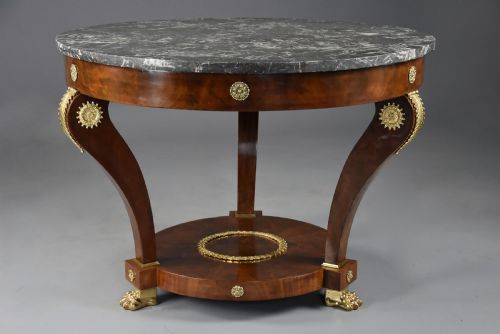
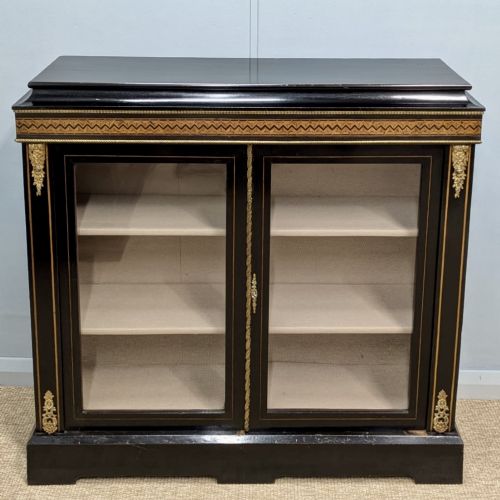
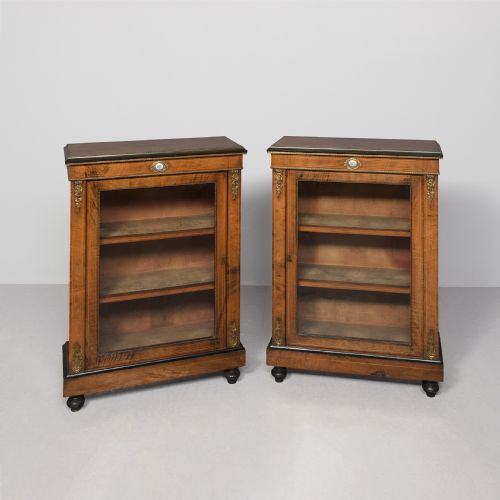
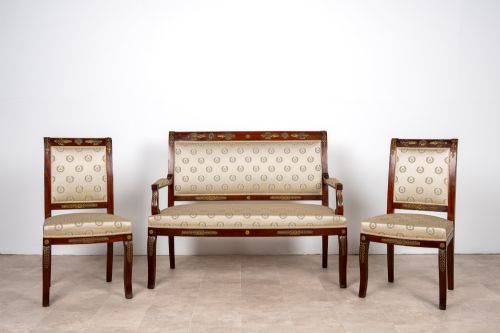
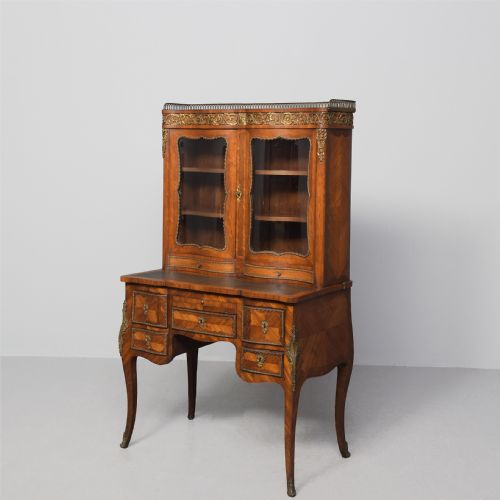
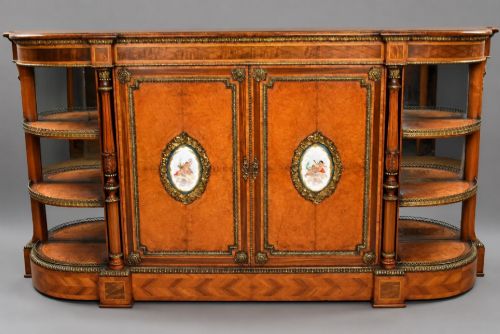
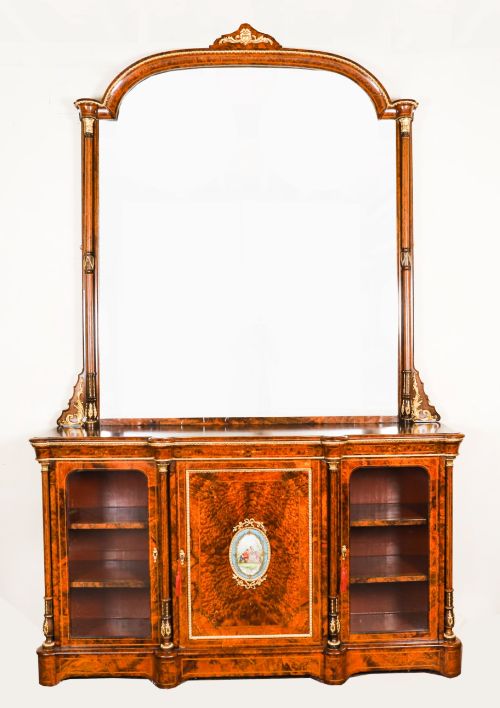
You meet these mounts most often on French bureau plats, credenzas, and vitrines spanning the eighteenth to early twentieth centuries. The selection includes Louis XV and Louis XVI revival pieces alongside Victorian burr walnut cabinets.
The objects carrying these mounts range from large library desks and sideboards to smaller jardinières, lamps, and jewellery boxes. Each piece uses the gilt metal to accentuate structural lines and highlight corners or keyways.
How they were made
Craftsmen cast these mounts in bronze or brass before applying a gold amalgam or gilding layer to create the characteristic warm, bright finish. The metalwork was then hand-chiseled to sharpen details in the foliage, scrolls, or figural motifs.
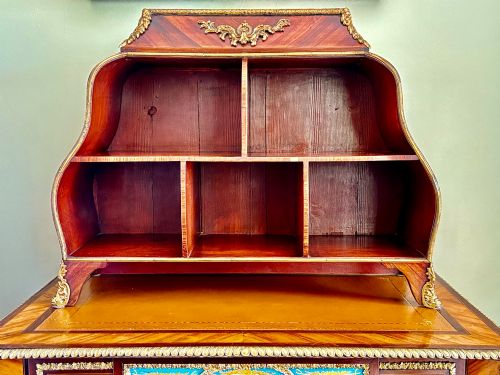
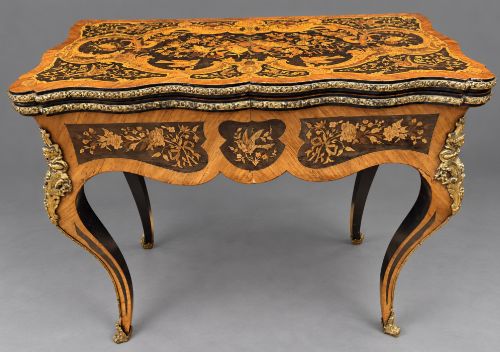
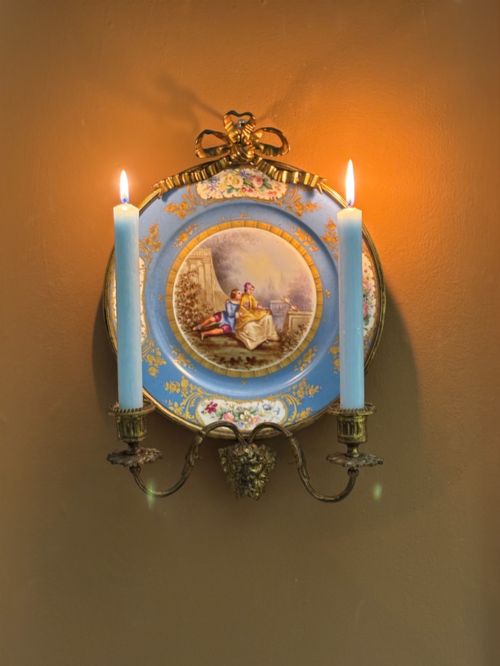
Makers secured the completed mounts directly onto timber foundations like kingwood, walnut, and mahogany, often pairing the metal with marble tops or porcelain plaques. The underlying carcases utilised parquetry and marquetry veneers fitted meticulously around the bronze hardware.
Antique Ormolu Mount Retail Price Guide 2026
Typical asking prices for ormolu mount among the pieces listed under this phrase on Sellingantiques today, from the lower quarter to the upper quarter. They describe what is for sale here now, not the wider market.
Listings feature nineteenth-century French and Victorian writing desks, credenzas, and bookcases accented with gilt bronze mounts.
What varies in quality
The distinction between ordinary and exceptional metalwork lies in the crispness of the chasing and the depth of the gilding. Superior mounts display sharp relief and varied textures, whereas lesser examples appear flat and lack hand-finished definition.
Integration with the wooden carcase also defines standard; top-tier pieces feature mounts that sit flush against the timber without gaps. The harmony between the cast bronze, the choice of veneer, and the marble or porcelain components determines the overall caliber.
François Linke·Edwards and Jones·Epstein·Gillows
The Antique Ormolu Mount Glossary
- Ormolu
- Gilt bronze or brass used for decorative mounts on furniture and decorative objects. The term derives from the French for milled gold.
- Marquetry
- Decorative veneer work forming pictorial or geometric patterns using various coloured woods. It frequently provides the background for gilt bronze mounts.
- Boulle
- An intricate marquetry technique combining tortoiseshell and brass inlay. Pieces utilising this method often incorporate heavy ormolu corner mounts.
- Vitrine
- A glass-fronted display cabinet designed to showcase porcelain and small objects. These display pieces commonly incorporate extensive gilt metal mounts.
- Jardinière
- An ornamental stand or container for plants. Many nineteenth-century examples feature porcelain plaques framed by gilt bronze.
Antique Ormolu Mount: Frequently Asked Questions
What is an ormolu mount?
An ormolu mount is a cast bronze or brass ornament finished with a gold coating and attached to furniture or decorative items. These metal additions served to protect vulnerable corners and enhance the visual richness of the piece.
Craftsmen used them extensively on nineteenth-century French and English cabinets, desks, and tables. They remain a primary indicator of luxury manufacturing standards from that era.
How do I clean ormolu mounts?
Cleaning requires gentle dusting with a soft brush to remove dirt from the recessed chased details. Harsh metal polishes must be avoided because they strip the original gilding.
Professional conservation is recommended if tarnishing obscures the gold surface. Preserving the delicate finish maintains the historical integrity of the piece.
Are ormolu and brass the same?
Ormolu specifically refers to gilded bronze or brass, whereas raw brass lacks the gold surface layer. The gilding gives ormolu a warmer, deeper yellow lustre than untreated brass.
Many antique pieces combine solid brass hardware with fire-gilded bronze mounts. Distinguishing between them involves looking for the remnants of gold application in sheltered areas.
How do I date an ormolu mount?
Dating relies on the casting quality, the style of the chasing, and the wood species of the host object. Eighteenth-century mounts generally feature more fluid, hand-chisedled rococo designs, while later nineteenth-century revival pieces show mechanical precision.
Examining the fixing screws and the way the mount integrates with the carcase helps confirm the period. Matching the mount style to the underlying furniture era ensures accurate dating.