

Antique Ormolu Mirror
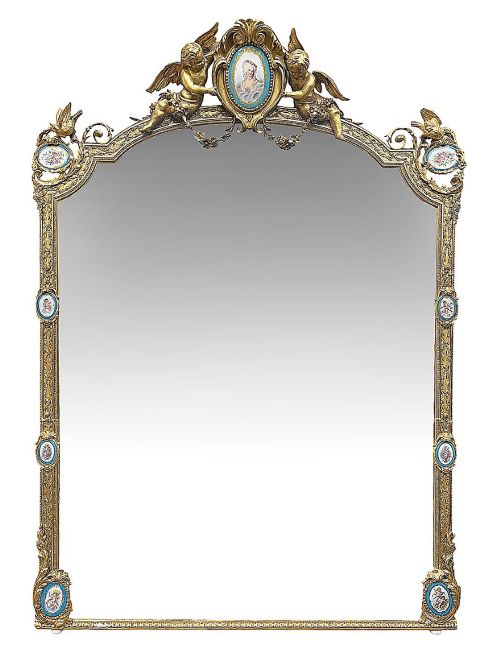
An antique ormolu mirror brings unmistakable nineteenth-century French and Victorian grandeur into a room through its polished mercury glass and chased bronze mounts.
Antique Ormolu Mirror
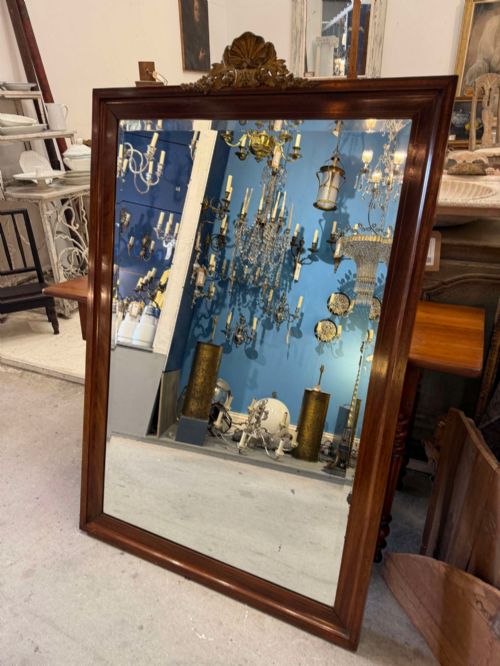
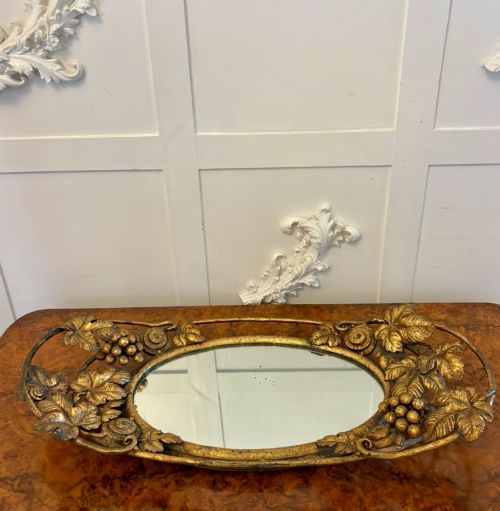
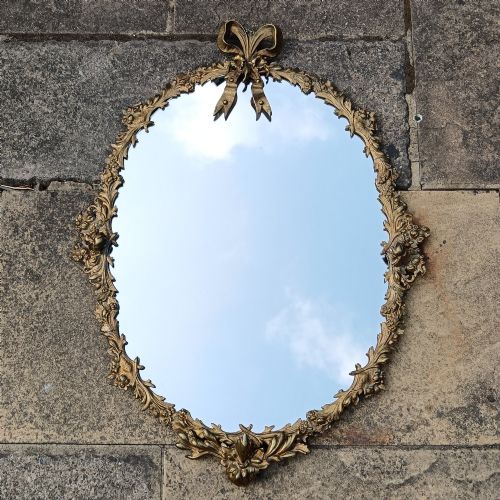
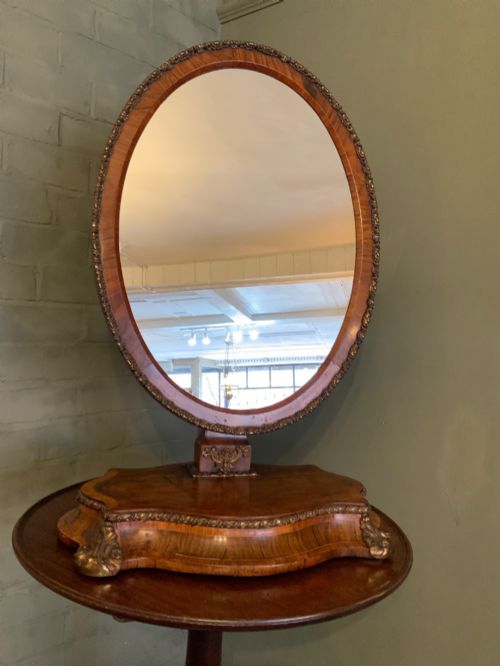
When you search for an antique ormolu mirror, you encounter pieces intended for varied domestic spaces, from large wall-hanging frames to smaller table and toilet mirrors. The selection spans the nineteenth century, taking the form of Louis XV and Louis XVI revivals alongside French Empire and Victorian pieces.
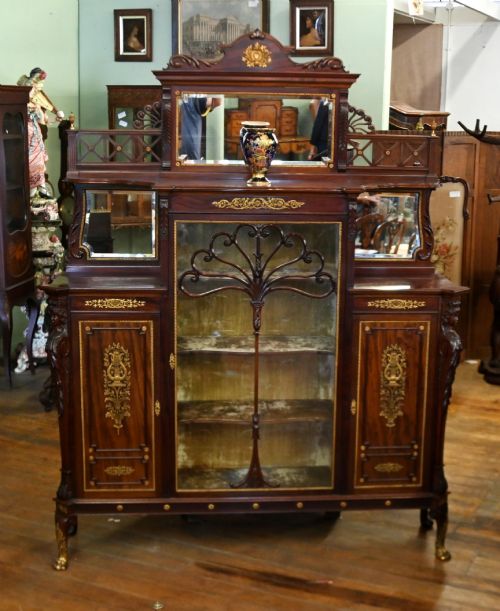
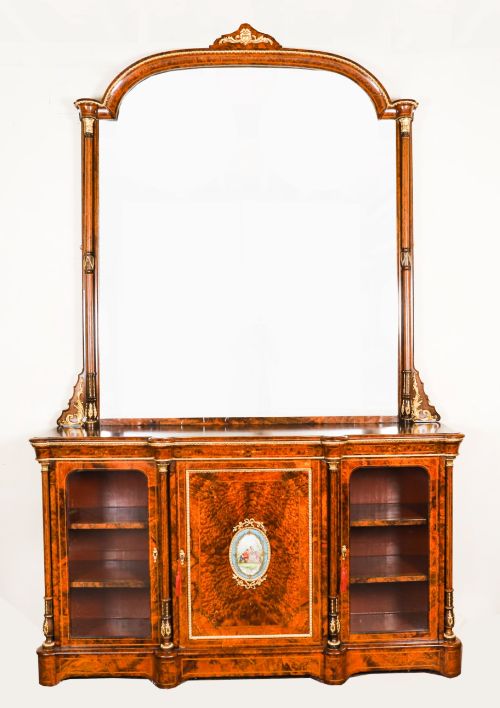
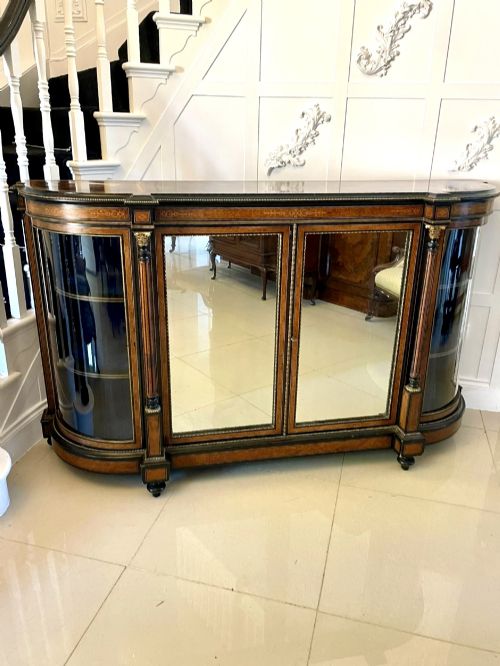
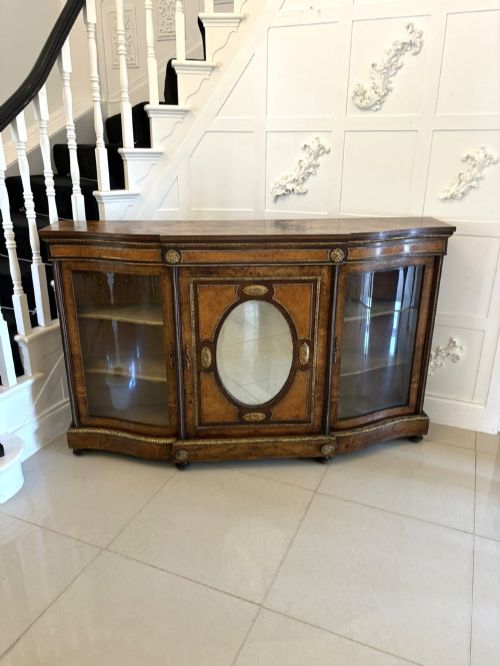
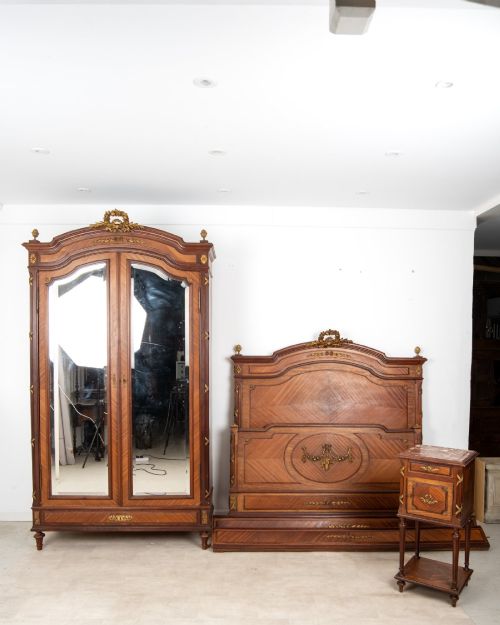
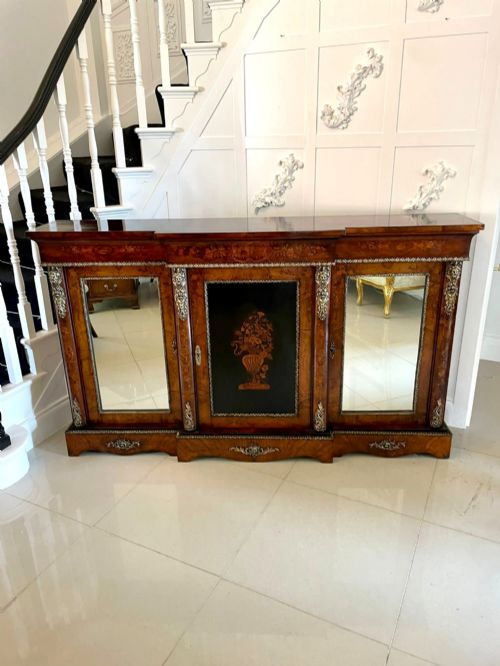
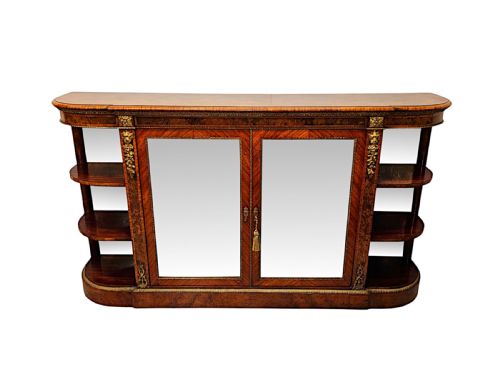
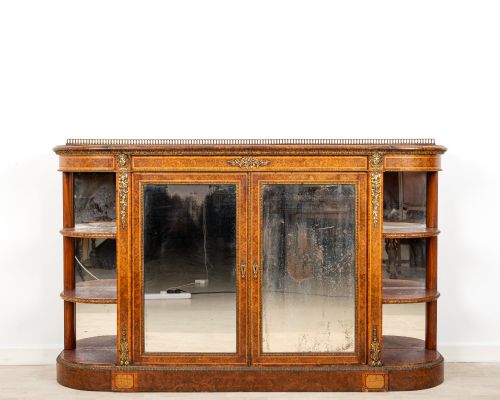
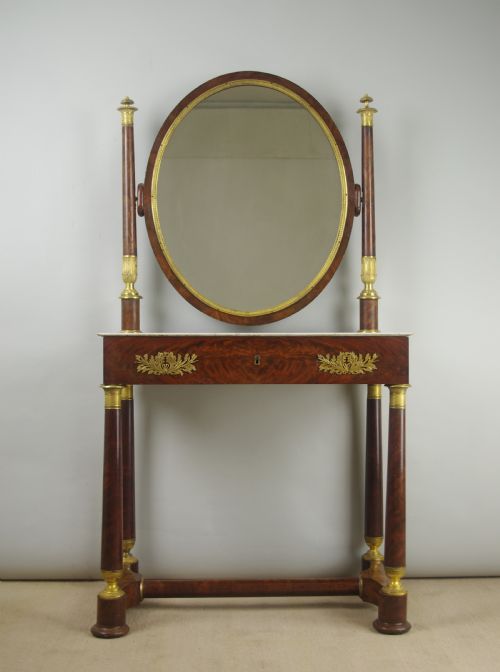
You will frequently find these mirrors integrated into larger furnishings, such as burr walnut credenzas with mirrored doors, or standing independently as cheval mirrors. Wall-mounted variations occasionally incorporate candelabra branches, reflecting how nineteenth-century rooms balanced illumination and reflection.
French workshops dominate the origin of these pieces, particularly those following Rococo and neoclassical styles. The combination of glass with gilt bronze and ormolu mounts creates a substantial decorative impact that defines the category.
Materials and Construction
Makers utilised timber foundations such as walnut, burr walnut, mahogany, and kingwood, often embellished with marquetry or champleve enamel. These woods provided a stable, dark background against which the bright metal mounts stood out.
The metallic decoration relies on ormolu and gilt bronze, created through mercury gilding or modern electroplating techniques to impart a rich gold-coloured finish onto cast brass or bronze. Frames incorporate bevelled or flat glass mirrors held securely within heavily cast floral, scrolling, or architectural bezels.
Antique Ormolu Mirror Retail Price Guide 2026
Typical asking prices for ormolu mirror among the pieces listed under this phrase on Sellingantiques today, from the lower quarter to the upper quarter. They describe what is for sale here now, not the wider market.
Listings feature nineteenth-century pieces spanning the Victorian era, French Empire, and various revival styles.
Distinctions in Execution
Quality rests primarily in the crispness and depth of the cast metal mounts. Master ateliers ensured that scrollwork, acanthus leaves, and figural details possessed sharp undercutting and hand-chased definition rather than soft, mass-produced edges.
The choice of primary and secondary timbers also dictates the standing of a piece. Burr walnut and figured mahogany veneers applied to solid carcases indicate high-end cabinet work, particularly when paired with heavy, mercury-gilded bronze rather than lighter brass.
Gillows·G. Durand·Paul Sormani·Thiebaut Freres
The Antique Ormolu Mirror Glossary
- Ormolu
- A gilded bronze technique used for decorative mounts on furniture and mirror frames. The term derives from the French for ground gold.
- Cheval mirror
- A full-length mirror hung in a frame that allows it to tilt back and forth on vertical pivots. These freestanding pieces often date from the nineteenth century.
- Champleve
- An enamelling technique where troughs are dug into a metal surface and filled with vitreous paste before firing. It appears on mid- to late-nineteenth-century frames.
- Credenza
- A cabinet or sideboard, frequently featuring mirrored doors and ormolu mounts during the Victorian period. They served both display and storage functions.
- Vitrine
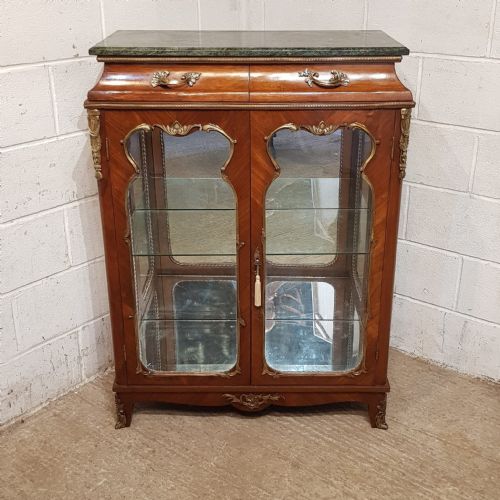
- A glass-fronted display cabinet designed to showcase porcelain and small objects. They share decorative metal mounts with contemporary mirrors.
Antique Ormolu Mirror: Frequently Asked Questions
How do I date an antique ormolu mirror?
Dating relies on combining the stylistic cues of the frame, such as Louis XVI neoclassical symmetry or Victorian exuberance, with the construction methods of the timber and backing boards.
Examining the casting quality of the ormolu mounts and the manufacturing characteristics of the mirror glass provides further confirmation of the period.
Were these mirrors originally wall-mounted or freestanding?
The evidence shows both formats were common, including wall mirrors, overmantels, and table-top dressing or toilet mirrors.
Some larger examples were designed as cheval mirrors to stand independently on the floor in bedrooms and dressing rooms.
What is the difference between ormolu and gilt brass?
Ormolu specifically refers to cast bronze that has been gilded, traditionally using a mercury amalgam process to achieve a deep, enduring lustre.
Gilt brass or gilt metal generally represents a slightly later or less costly manufacturing method utilising base brass alloys.
How should I care for an antique mirror frame?
Keep the piece away from direct sunlight and damp environments to protect the underlying timber veneers and the integrity of the mercury or silvered glass.
Clean the ormolu mounts gently with a dry, soft brush, avoiding chemical polishes that can strip the historic gilding.