


Antique Ormolu Holders
These antique ormolu holders combine gilded metal with marble, glass and bronze to bring formal nineteenth-century lighting and display to a room.
Antique Ormolu Holders
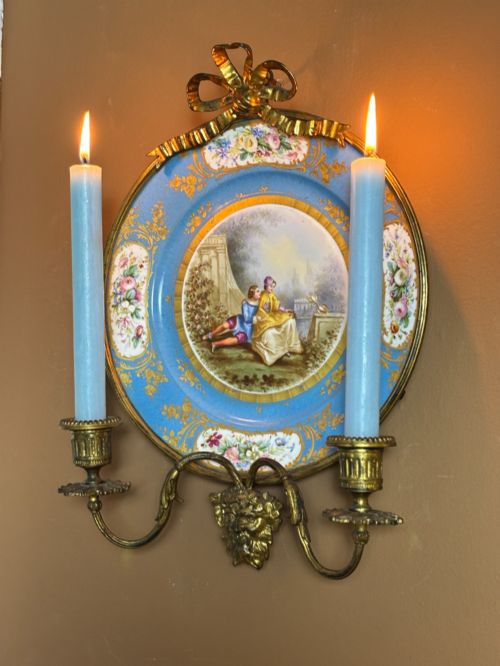
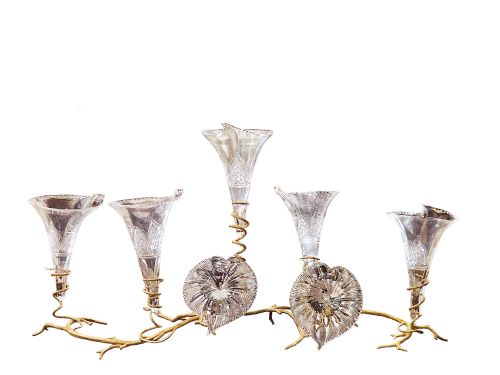
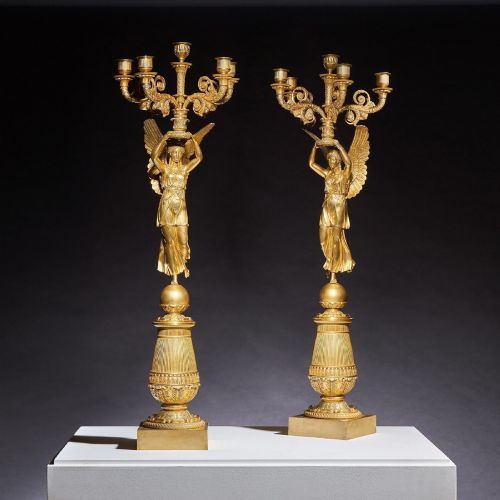
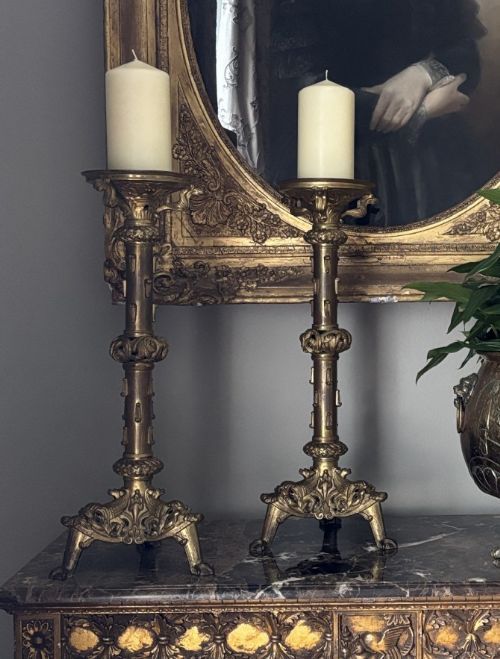
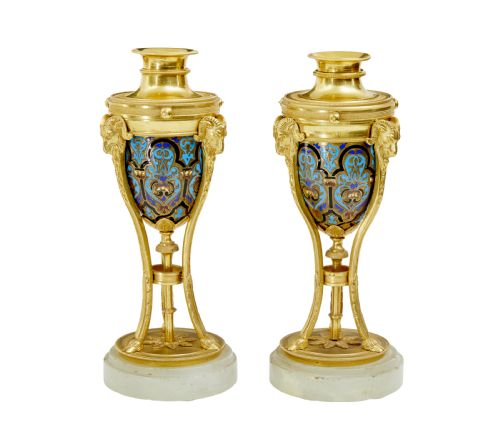
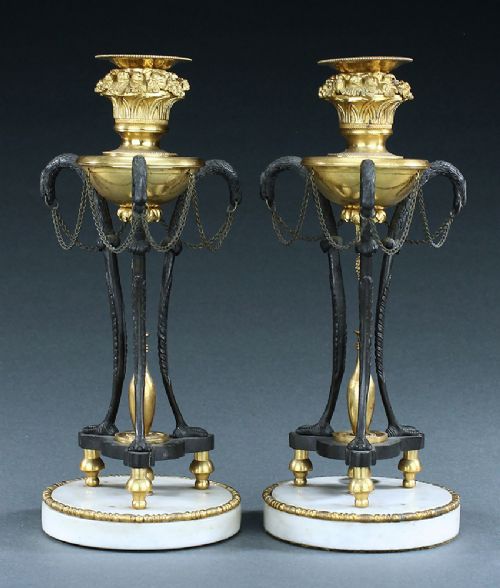
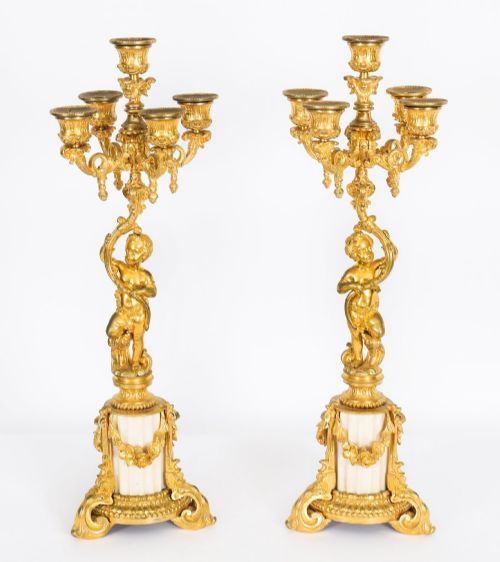
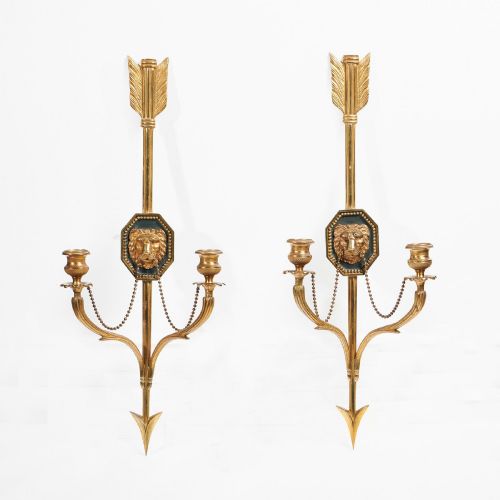
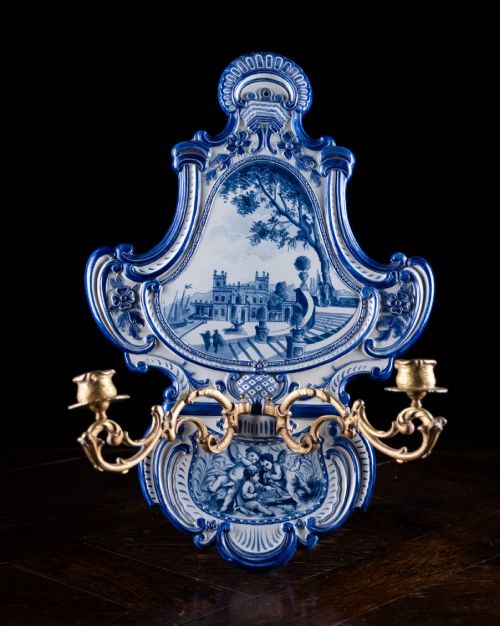
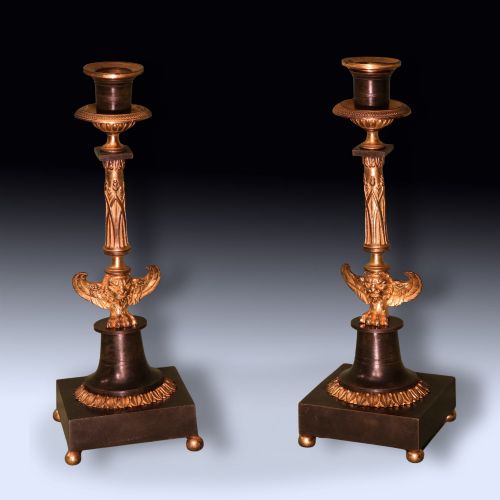
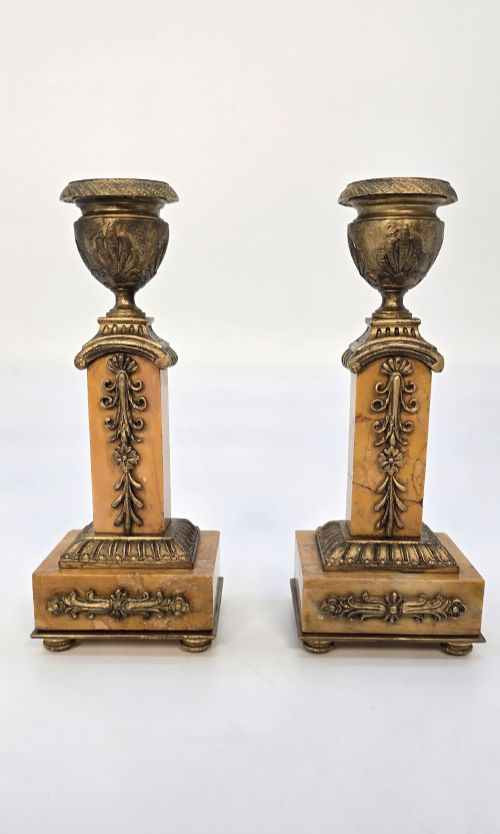
When searching for antique ormolu holders, collectors encounter a diverse group of objects designed for illumination, containment and display. The majority of pieces on this page comprise pairs of candelabra and candlesticks cast in bronze, brass or gilt metal, alongside smaller desk accessories, inkstands and sewing items.
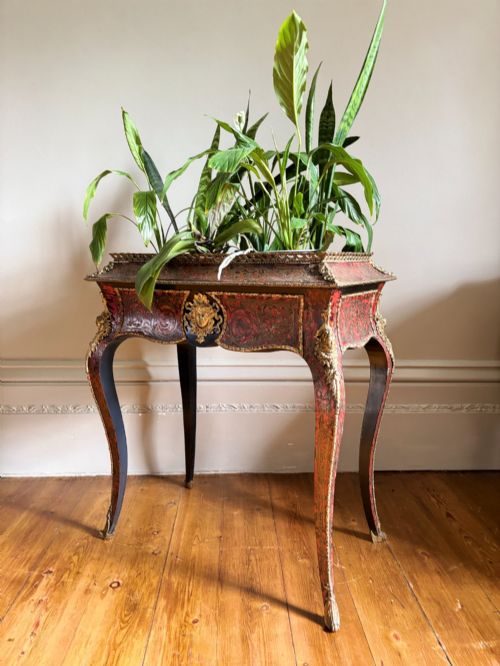
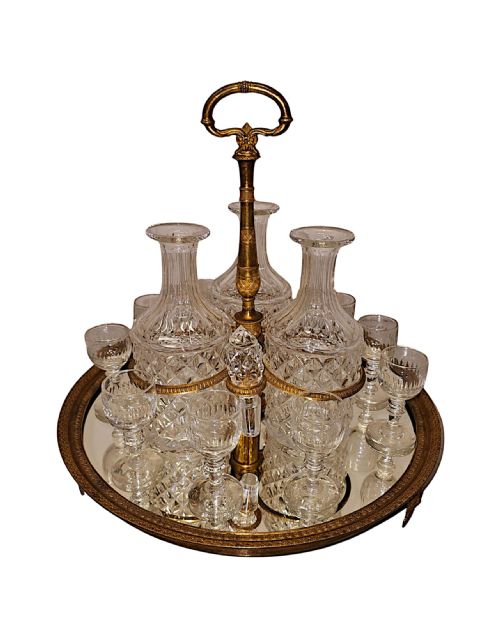
The objects span the nineteenth century and draw heavily on French decorative movements including Empire, Louis XVI and Rococo styles. Alongside lighting, the selection includes fitted tantalus sets, curtain tie-backs and jardinières accented with gilded mounts.
What varies in quality
Quality also shows in the selection of secondary materials, such as unblemished marble bases, flawless cut glass components and precisely fitted compartments in inkstands and tantalus sets.
Antique Ormolu Holders Retail Price Guide 2026
Typical asking prices for ormolu holders among the pieces listed under this phrase on Sellingantiques today, from the lower quarter to the upper quarter. They describe what is for sale here now, not the wider market.
Look closely for the tiny feathered wings on the brass flamingos and the painted whiskers on the horse-drawn sewing companions.
Barbedienne Bronze·Francois Redmond·Pierre Philippe Thomire·Rabiat·Thomas Hope
The Antique Ormolu Holders Glossary
- Ormolu
- A golden-coloured metallic finish applied to base metals like bronze or brass to simulate solid gold. The term derives from the French for ground gold.
- Candelabra
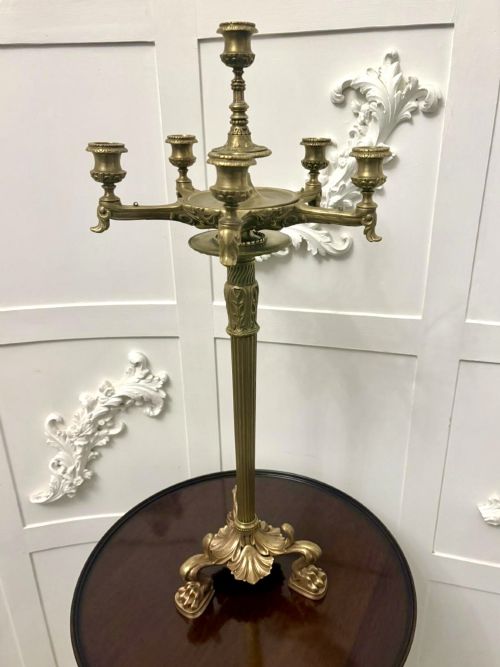
- A branched lighting fixture designed to hold multiple candles at once. These multi-arm stands often feature central figural columns.
- Patinated bronze
- Bronze that has been treated chemically or thermally to produce a darkened surface contrast against the bright ormolu highlights.
- Cave à liqueur
- A portable tantalus or box fitted with decanters and glasses, frequently ornamented with gilt-bronze mounts.
- Champlevé
- An enamelling technique where troughs are dug into a metal surface, filled with vitreous enamel powder, and fired until smooth.
Antique Ormolu Holders: Frequently Asked Questions
What periods do these pieces come from?
The items originate predominantly from the nineteenth century, spanning decades such as the eighteen-eighties and eighteen-nineties alongside earlier Regency and Empire eras.
Design influences reach back further into eighteenth-century neoclassical styles, though the manufacturing dates cluster around the Victorian period and French revivals.
How do I clean ormolu safely?
Dusting gently with a dry, soft microfibre cloth is the safest method to maintain the surface without removing the delicate gilt layer. Moisture and chemical cleaning agents will strip the historical finish from the bronze underneath.
Keep these objects away from direct sunlight and damp environments to protect combined materials like marble, wood and cut glass.
What is the difference between ormolu and brass?
Ormolu refers specifically to a surface treatment of gold applied over bronze or brass, rather than a solid material in its own right. Brass is an alloy of copper and zinc that serves as the base structure for many decorative items.
Gilt brass has a brighter, yellower tone, while traditional ormolu on bronze carries a warmer, deeper lustre after mercury gilding.
How were candelabra used originally?
These branched holders provided functional interior illumination on dining tables, mantelpieces and sideboards before the widespread adoption of gas and electric lighting. Wealthy households deployed them in pairs to balance the room's symmetry and reflect candlelight.
Beyond lighting, larger stands served as decorative sculpture during daylight hours.