


Antique Original Painting
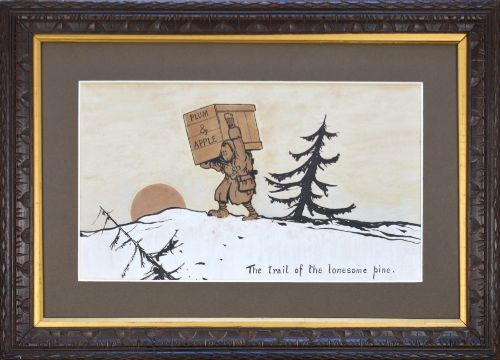
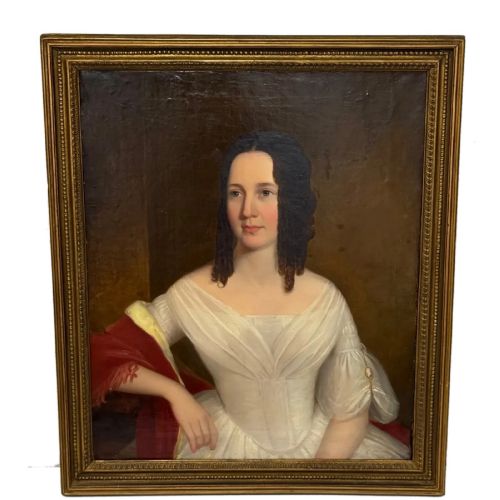
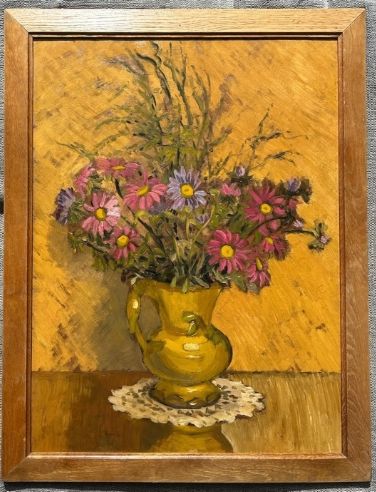
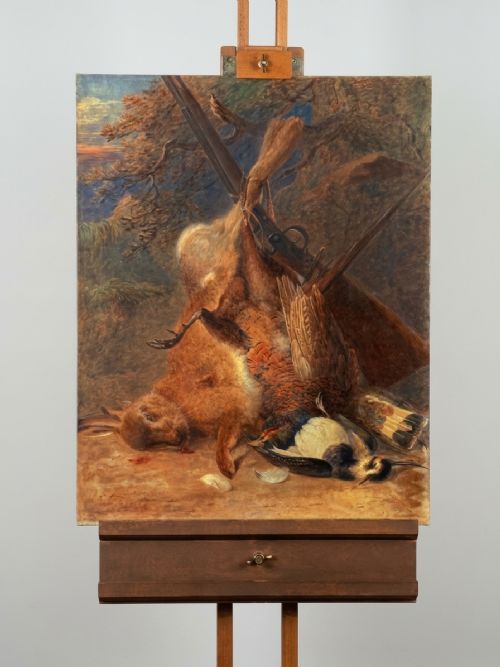
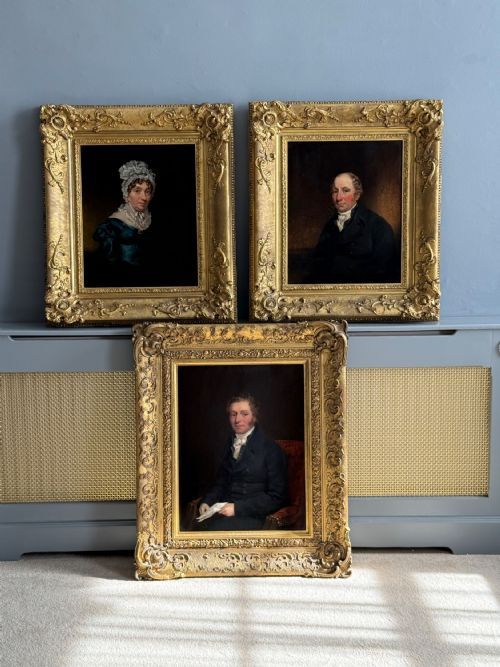
When you search for an antique original painting, you encounter centuries of hand-rendered portraiture, landscape, and marine work preserved on canvas, panel, and paper.
Antique Original Painting
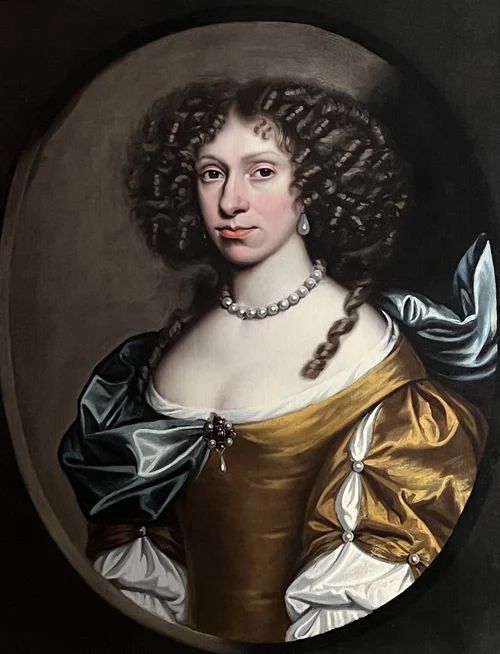
An antique original painting represents a unique, hand-executed work of art rather than a reproduction, spanning subjects from intimate portraiture to sweeping coastal and pastoral landscapes. These pieces arrive from various periods including the seventeenth, eighteenth, and nineteenth centuries, as well as the Edwardian era.
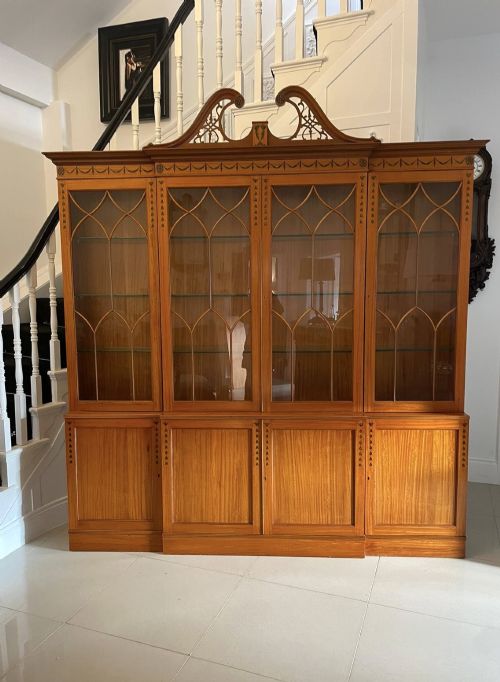
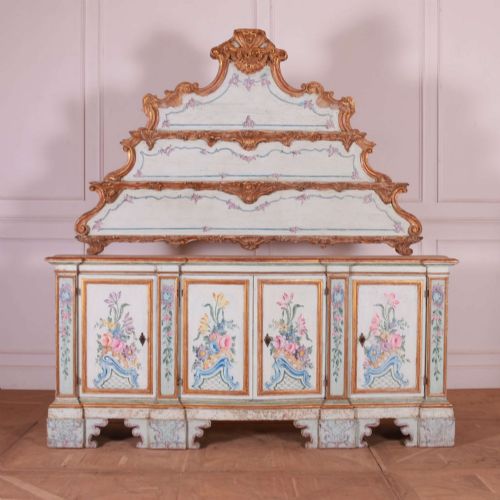
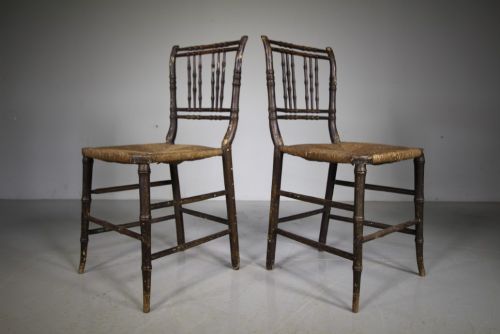
Beyond pure canvases, the category also encompasses surviving decorative pieces with historic painted surfaces, such as sideboards, chairs, and display cabinets, demonstrating how paint was applied to furniture.
How They Were Made
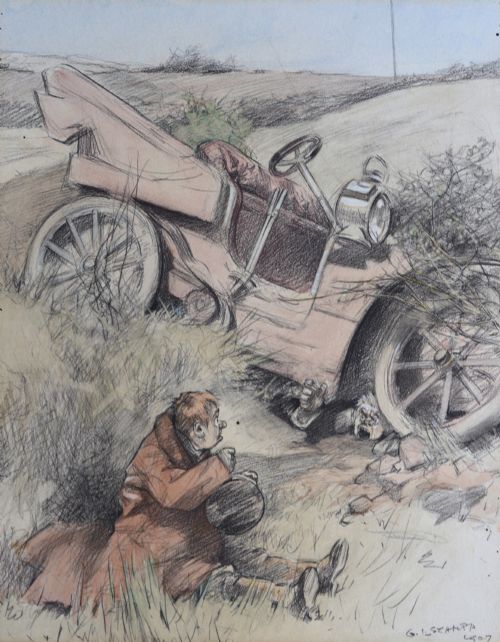
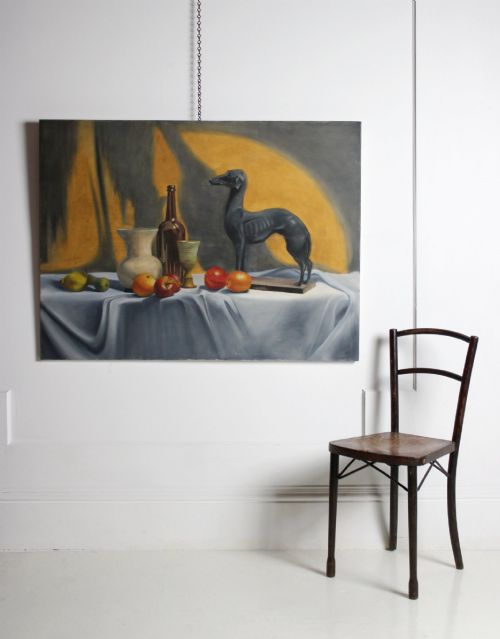
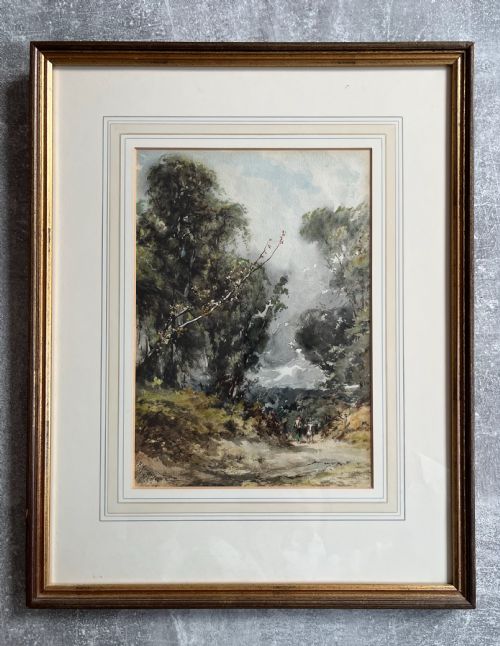
Artists built oil paintings by applying pigment suspended in oil onto stretched canvas, prepared wooden panels, or board, allowing for rich textures and deep tonal layering. Watercolours relied on water-soluble pigments applied swiftly to heavy paper, capturing light with translucent washes.
Support materials varied by period and medium, utilising sturdy wood panels for earlier works or woven canvas for larger exhibition pieces. Frames were frequently carved from wood, finished in giltwood, or moulded to protect the delicate media within.
Cats occasionally walked across drying canvases in historic workshops, leaving permanent, tiny paw prints beneath the final layers of oil.
What Varies in Quality
Quality rests upon the confidence of the brushwork and the artist's command of anatomy, light, and perspective. Superior works demonstrate meticulous control over composition and atmospheric depth, whereas lesser examples can feel stiff or formulaic.
The condition of the pigment and its original support structure heavily influence desirability. Untouched surfaces retain their vibrancy and historical integrity, while poorly executed restorations diminish the artistic value of the piece.
Falkirk Carron foundry·Joseph Clover RA·George Lorain Stampa·James Smetham·Sir Joshua Reynolds
The Antique Original Painting Glossary
- Canvas
- A heavy woven fabric stretched across a wooden frame to serve as a sturdy support for oil painting. It provides a textured surface that interacts distinctively with applied layers of pigment.
- Watercolour
- A painting method where fine pigments are mixed with water-soluble binders and applied to paper. This medium relies on the white of the paper shining through translucent washes of colour.
- Panel
- A rigid flat surface, usually made of wood, utilised by artists as a ground for painting before stretched canvas became dominant. Wooden panels offer a smooth, stable base that preserves fine detail.
- Giltwood
- Timber carved and coated with a thin layer of gold leaf, commonly utilised for ornate antique picture frames. It adds a luminous border that complements the tones of the artwork within.
- Impasto
- A technique where paint is laid onto a surface in very thick strokes, standing visibly out from the canvas. This method introduces physical texture and three-dimensional depth to the painted scene.
Antique Original Painting: Frequently Asked Questions
What is an original painting?
An original painting is a one-off, hand-painted artwork created directly by the artist using traditional media such as oil or watercolour. It differs entirely from mass-produced prints or mechanical reproductions.
Every brushstroke and pigment layer reflects the distinct hand and technique of its maker during their specific historical period.
How do I date an antique painting?
Dating relies on examining the stretcher frames, canvas type, paper quality, pigments, and stylistic conventions associated with known periods. Signatures, inscriptions, and exhibition labels on the reverse also provide vital clues.
Comparative analysis with documented works by the same artist or school helps narrow down the exact decade of creation.
Should watercolours be kept out of sunlight?
Watercolours are painted on paper using pigments that are susceptible to fading when exposed to direct, harsh ultraviolet light for extended periods. Proper conservation framing with UV-protective glass mitigates this risk.
Displaying these delicate pieces away from direct sunlight preserves the original vibrancy of the washes.
What is the difference between oil and watercolour?
Oil paint uses drying oils to bind pigments, offering a rich, buttery consistency that allows for subtle blending and thick impasto textures over canvas or wood. Watercolour employs water-soluble binders on paper, creating luminous, transparent effects.
Oils generally require sturdy frames without glass for breathing room, whereas watercolours must be sealed under glass to protect the paper.