


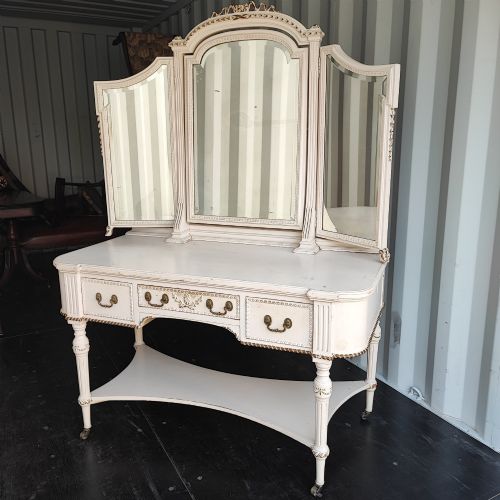
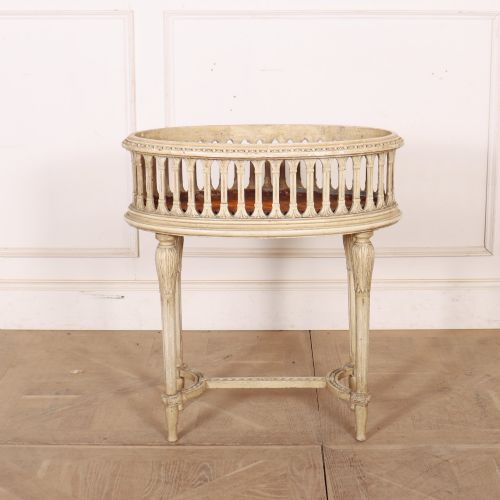
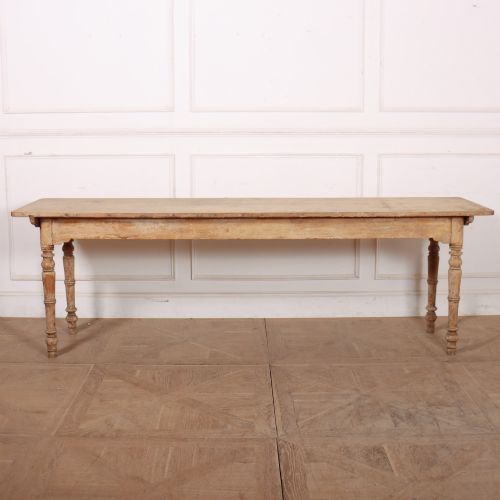
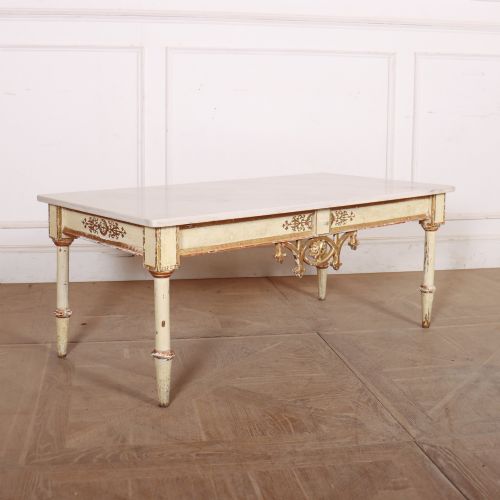
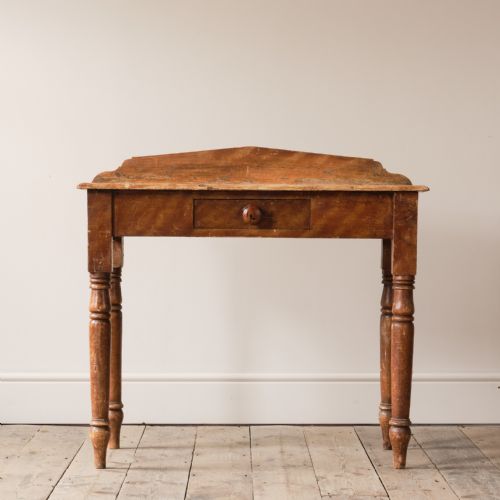
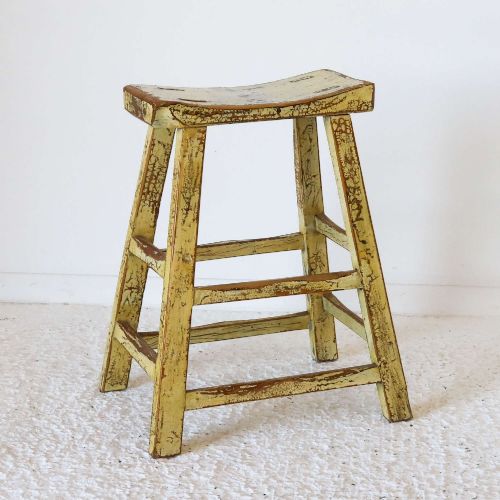

Antique Original Paint Table
An antique original paint table carries decades of weathered pigment, offering unmatched character for modern interiors.
Antique Original Paint Table
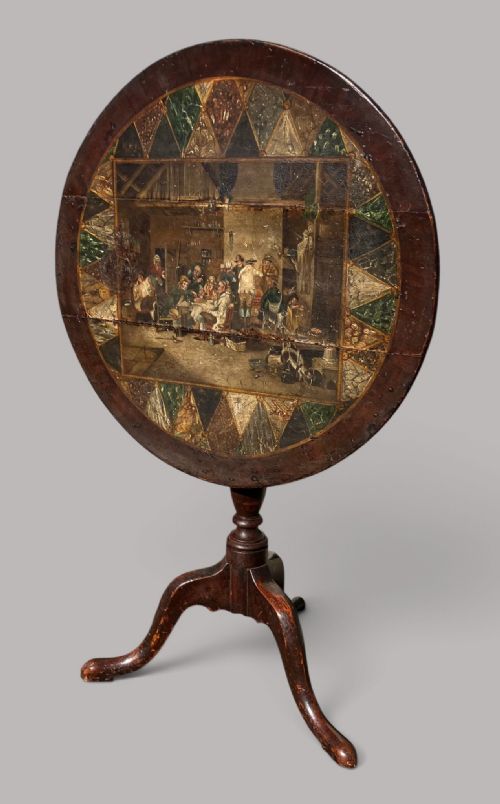
When searching for an antique original paint table, buyers encounter furniture retaining its historic surface layers rather than stripped or modernly refinished wood. These pieces span utility forms such as side tables, kitchen tables, console tables, and tavern tables.
The selections most frequently met on this page originate from the Georgian, Regency, and Victorian eras, alongside broader nineteenth-century domestic workshops. Pine forms heavily feature, often reflecting English, Welsh, or Scandinavian country use.
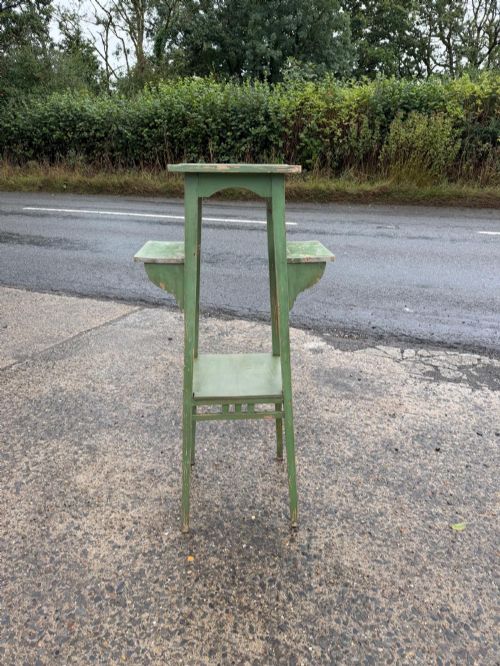
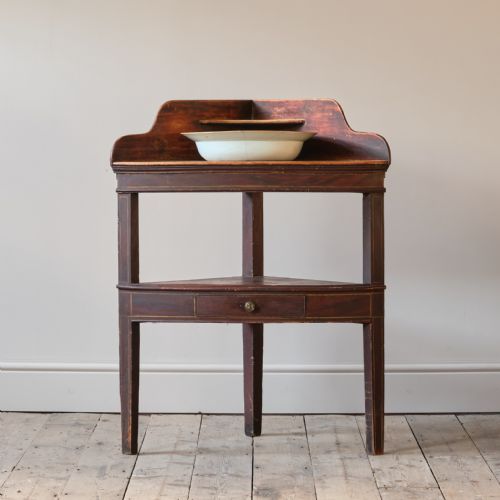
Domestic tables range from compact washstands and plant stands to large butchers blocks and serving tables. Each retains surface treatments that record decades or centuries of domestic application.
What varies in quality
Quality rests primarily upon the integrity and survival rate of the historic surface. Pieces preserving undisturbed, unpolished layers of early pigment command greater attention than those with compromised or heavily overpainted skins.
Construction robustness dictates utility, separating sturdy tavern and kitchen tables from lighter decorative stands. The sophistication of the underlying joinery and regional vernacular styling also shape the standing of individual examples.
Visual balance between the timber form and the remaining patina determines overall success. Cohesion in wear patterns across both top and base indicates a unified history of use.
Antique Original Paint Table Retail Price Guide 2026
Typical asking prices for original paint table among the pieces listed under this phrase on Sellingantiques today, from the lower quarter to the upper quarter. They describe what is for sale here now, not the wider market.
Several tables survived decades of kitchen prep and tavern meals only to retire into quiet contemplation as plant stands.
Maples of London and Paris·Holland and Sons·Sitzendorf
The Antique Original Paint Table Glossary
- Scumble
- A decorative technique involving a translucent glaze dragged or mottled over a paler base coat to simulate wood grain or texture. This finish appears frequently on nineteenth-century washstands and side tables.
- Cricket table
- A small, lightweight occasional table typically featuring three splayed legs and a round wooden top. These vernacular pieces were designed for stability on uneven farmhouse floors.
- Gueridon
- A small French occasional table supported by one or more figures or a central column. They frequently incorporate decorative painted motifs or marble tops.
- Lowboy
- A small eighteenth-century dressing or side table with one or more drawers and cabriole or straight legs. Georgian examples often survive in original painted pine.
- Faux bamboo
- A decorative turning technique on wood that mimics the jointed stalks of bamboo. This style gained popularity during the Regency period.
- Jardiniere
- A decorative container or stand designed to hold plants or flowers. Painted examples often complement domestic room schemes.
Antique Original Paint Table: Frequently Asked Questions
What is an original paint table?
An original paint table is a historic piece of furniture that retains its historic surface coating rather than having been stripped down to bare wood. These surfaces display the character of accumulated wear from decades of domestic service.
Buyers value these items for the authentic decorative qualities that only age and historic pigment can provide. They serve as functional focal points in contemporary interiors.
How do I care for original paint?
Preserving historic painted surfaces requires gentle dusting with a soft, dry cloth without modern chemical polishes or abrasive cleaners. Keeping the furniture away from direct sunlight and excessive humidity prevents flaking or fading of the old pigments.
Treating the wood with care ensures the historic patina remains stable for years to come. Minimal intervention is the best approach for maintaining these delicate surfaces.
Where were these tables used?
Historic painted tables served varied roles across domestic and commercial spaces, from farmhouse kitchens and taverns to grand drawing rooms. Smaller pieces functioned as washstands or lamp tables, while larger formats acted as serving or dining surfaces.
Vernacular examples often reflected regional preferences in rural homes across Britain, France, and Scandinavia. Their robust construction suited heavy daily tasks.
How can I tell a period piece?
Dating relies on examining construction methods, tool marks, timber types, and the composition of the paint layers. Georgian and Regency pieces show distinct joinery traits compared to later Victorian vernacular items.
The ageing of the pigment, combined with natural wear patterns on high-contact areas, helps confirm historical authenticity. Comparing pieces against documented archive examples aids verification.