

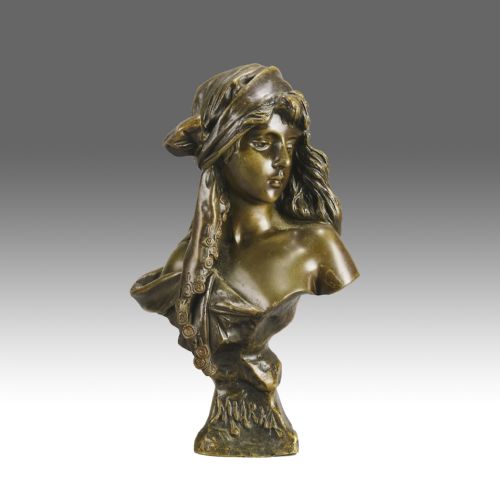


Antique Orientalist Portrait
These antique orientalist portrait pieces capture nineteenth and early twentieth century visions of Near Eastern and Asian subjects.
Antique Orientalist Portrait
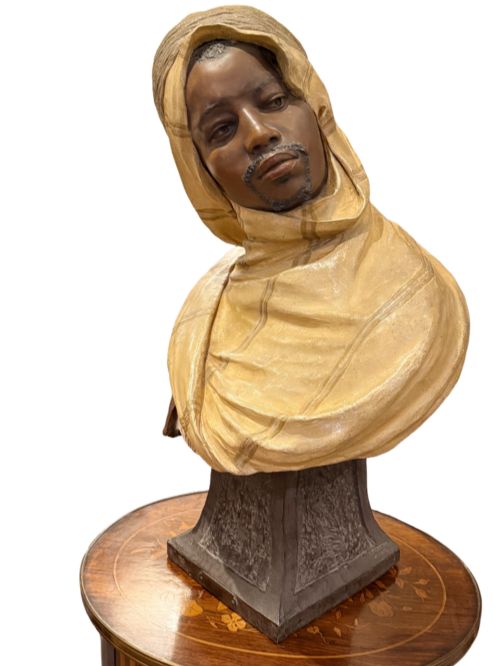
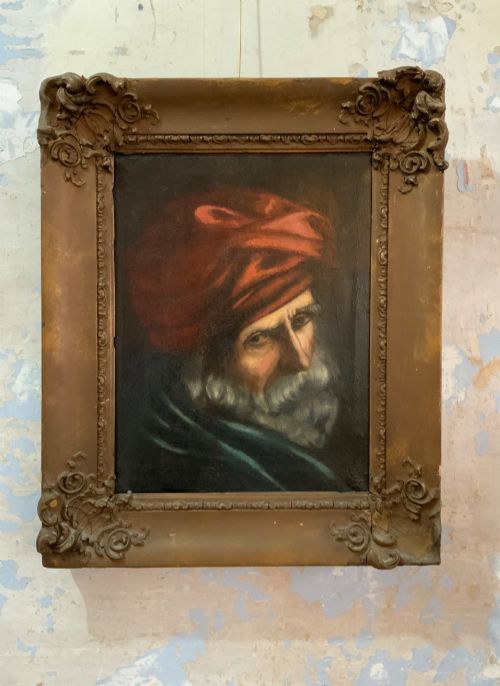
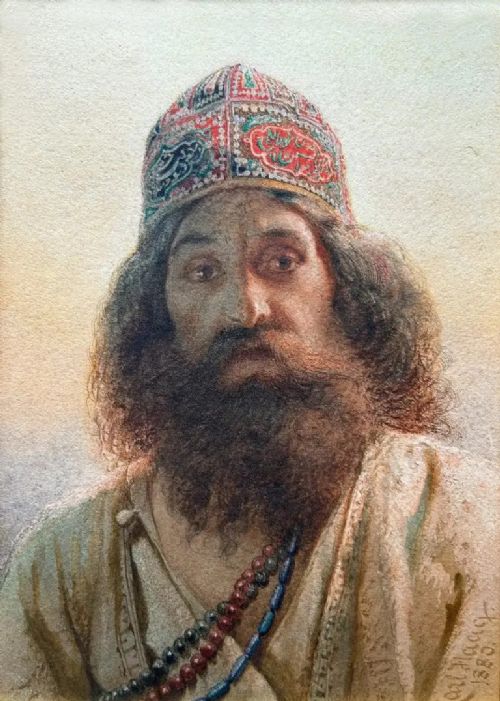
An antique orientalist portrait depicts subjects from the Near East, North Africa, and Asia through the lens of nineteenth and early twentieth century artists. The form spans various mediums including oil paintings, watercolours, charcoal drawings, and bronze or marble busts.
Buyers will most frequently encounter nineteenth-century oil paintings on canvas depicting Arab or Persian gentlemen, alongside sculptural bronze busts from the Victorian and Art Nouveau periods. These works capture specific cultural figures, historical rulers, or imaginative character studies from the period.
The selections range from detailed framed watercolours by French and British hands to imposing sculptural figures mounted in giltwood or marble. Each piece reflects the aesthetic preoccupations of European artists working within the orientalist tradition across the decades.
How they were made
Sculptural pieces rely on cast bronze or carved marble, often finished with patination to accentuate the textures of robes, headdresses, and facial expressions. Frames frequently consist of period giltwood complementing the pictorial warmth of the paintings.
Antique Orientalist Portrait Retail Price Guide 2026
Typical asking prices for orientalist portrait among the pieces listed under this phrase on Sellingantiques today, from the lower quarter to the upper quarter. They describe what is for sale here now, not the wider market.
The selection includes contributions from British, French, and German artists working within academic and modernist traditions.
What varies in quality
The distinction between standard works and exceptional examples lies in the precision of draughtsmanship and the psychological depth of the sitter. Superior pieces convey individual character and nuanced expression rather than relying solely on costume tropes.
Material execution dictates value, from the finesse of the metal chiselling on a bronze bust to the preservation of the original ground and pigment layers on canvas. Hand-signed works by recognised academic painters demonstrate greater mastery of light, shadow, and anatomical structure.
Carl Haag·Emmanuel Villanis·Herbert Gustave Schmaltz·Georges-Charles Coudray·Frederick Goodall·Abraham Cooper
The Antique Orientalist Portrait Glossary
- Orientalism
- Artistic and academic production during the nineteenth and early twentieth centuries focusing on the themes, peoples, and landscapes of the Middle East, North Africa, and Asia. It encompasses multiple European stylistic movements from the Victorian era onwards.
- Photogravure
- A printmaking process producing an image from an intaglio plate etched with a photographic negative. This technique reproduces tonal gradations with photographic fidelity.
- Patination
- The surface coloration or sheen developed on bronze sculpture either naturally over time or through chemical application by the foundry. It protects the metal and defines sculptural contours.
- Giltwood
- Timber, typically carved wood, coated with gold leaf or gold paint to create a decorative frame surface. It was widely utilised on nineteenth-century picture frames.
- Panel
- A rigid support for painting, usually made of wood, used frequently before canvas became the universal standard. Panel paintings require stable environmental conditions to prevent warping.
Antique Orientalist Portrait: Frequently Asked Questions
What defines an orientalist portrait?
An orientalist portrait is a nineteenth or early twentieth-century artwork depicting individuals from Eastern cultures, usually created by European artists.
These pieces often highlight traditional attire, distinct settings, and dramatic expressions reflecting contemporary Western engagement with the Near East.
How do I identify the period?
Dating relies on materials, framing techniques, signatures, and stylistic markers such as Victorian academic realism or Art Nouveau curves.
Examining the canvas preparation, stretcher bars, and backing materials provides further clues to the decade of creation.
Are bronze busts cast from this era heavy?
Period bronze and marble sculptures possess substantial weight due to solid casting methods and dense stone bases.
Proper display requires sturdy furniture capable of supporting concentrated sculptural mass safely.
How should I care for oil paintings on canvas?
Oil paintings require stable indoor humidity away from direct sunlight and dramatic temperature fluctuations.
Dusting should be done gently with a soft, dry brush without applying pressure to the canvas weave.