
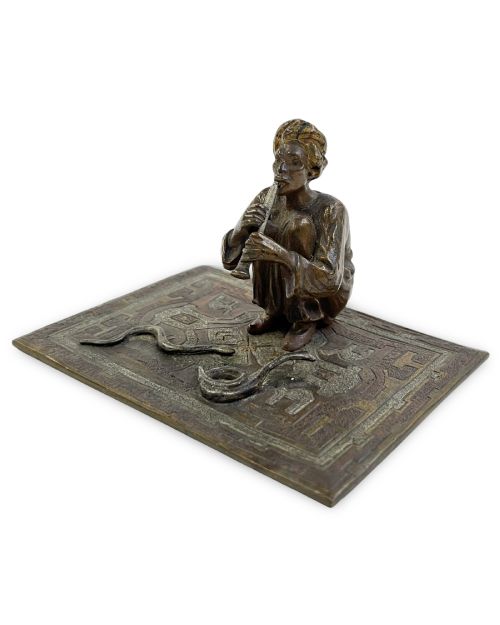
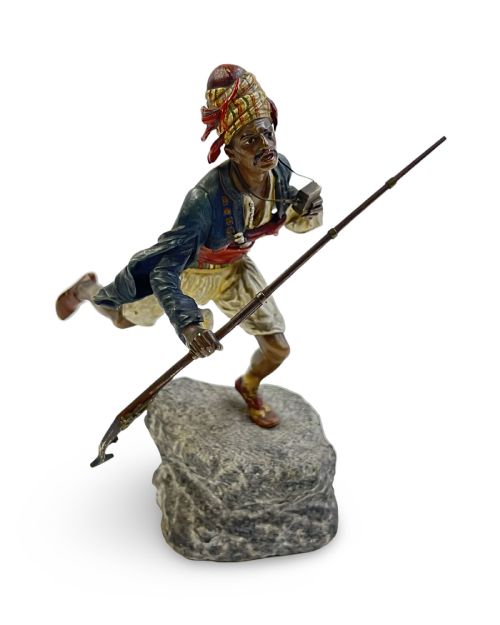
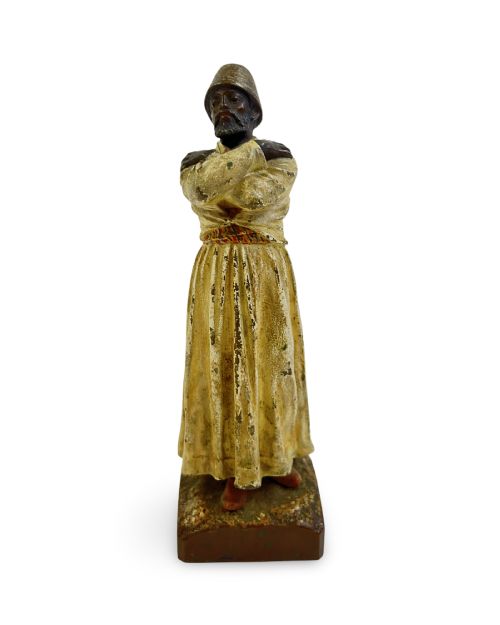

Antique Orientalist Painting
An antique orientalist painting brings nineteenth-century scenes of distant lands into a room through oil, watercolour, and pastel.
Antique Orientalist Painting
An antique orientalist painting captures subjects from North Africa, the Middle East, and Asia, rendered by European and American artists during the nineteenth and early twentieth centuries. These works range from detailed portraits of local figures to expansive desert landscapes and bustling street scenes.
Buyers will encounter oil on canvas, delicate watercolours, and gouache works dating from the Victorian era up to the 1930s. The selection also includes pastels and mixed media compositions reflecting distinct stylistic traditions of the period.
How they were made
Artists utilised traditional oil paints on stretched canvas or board, alongside watercolour and gouache on paper, to achieve rich pigment depth and luminosity. Many works are preserved within their original wood frames, occasionally accented with gold leaf.
Techniques varied from tight academic realism to looser, avant-garde applications of medium, capturing harsh desert light and intricate architectural details through careful layering of colour.
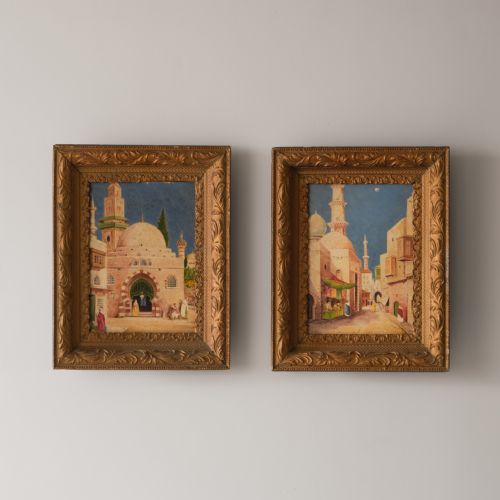
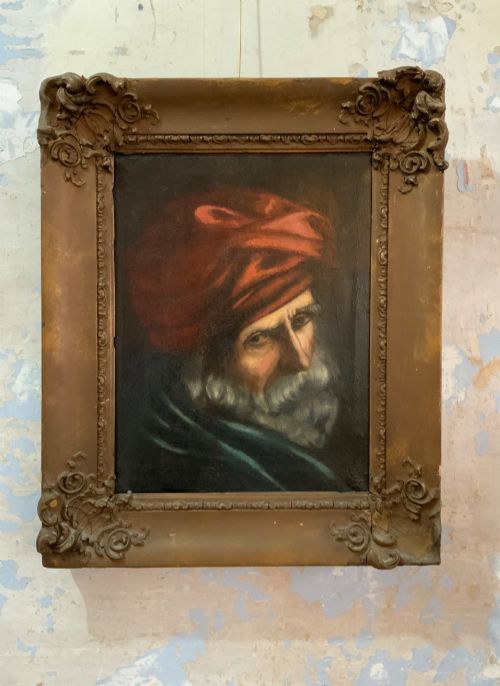
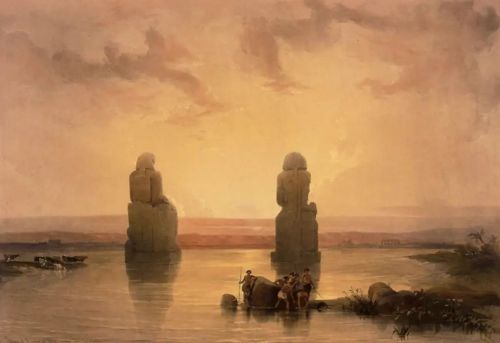
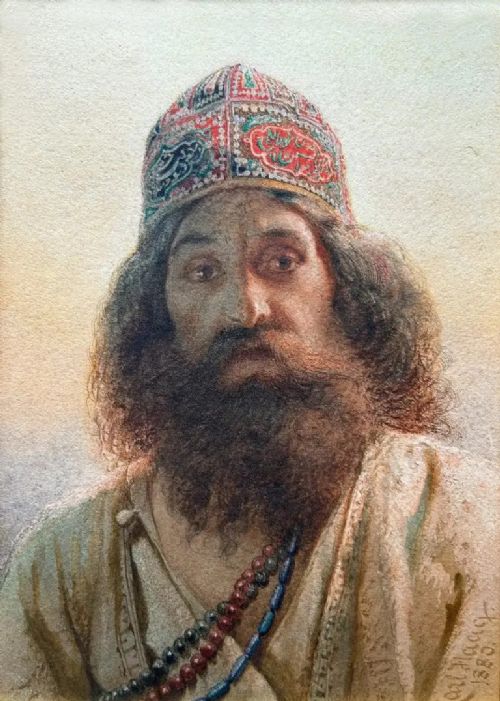
Paintings from this tradition capture Persian gentlemen, Egyptian landscapes, and street scenes.
What varies in quality
The distinction in quality rests upon the artist's command of light, anatomical precision, and the historical depth of the subject matter. Finer works demonstrate superior brushwork and atmospheric perspective rather than mere decorative appeal.
Condition of the canvas or paper, original framing, and documented provenance elevate certain examples above standard decorative pieces from the same period.
David Roberts·Carl Haag·Franz Bergman·Herbert Gustave Schmaltz·Edwin Lord Weeks·Charles Bellay·Frederick Goodall·Gabriel Puig Roda·Arthur Waagen·Robert Camille Quesnel
The Antique Orientalist Painting Glossary
- Orientalism
- The artistic movement focusing on the themes, peoples, and landscapes of the Middle East, North Africa, and Asia. It was particularly prominent among European artists during the nineteenth century.
- Gouache
- An opaque water-based paint that dries to a matte finish, frequently utilised alongside watercolour in nineteenth-century works on paper to create solid areas of vibrant colour.
- Provenance
- The documented history of ownership of a work of art, which helps establish authenticity and historical context.
- Avant-garde
- A style pushing the boundaries of traditional art, appearing in later twentieth-century interpretations of these distant subjects.
Antique Orientalist Painting: Frequently Asked Questions
Are these paintings original period works?
The selection consists of genuine nineteenth and early twentieth-century paintings executed during the height of the orientalist movement.
Signatures, framing, and materials align with the recorded production methods of these eras.
How should I care for watercolour paintings?
Works on paper require protection from direct sunlight to prevent fading of sensitive watercolours and gouache pigments.
Display them in climate-controlled rooms away from sources of excessive moisture or heat.
What subjects are most common?
Common subjects include desert landscapes, architectural studies of ancient ruins, and portraits of local inhabitants in traditional attire.
Artists frequently documented their travels across Egypt, the Levant, and North Africa.
How do I identify the date of a piece?
Dating relies upon artist signatures, exhibition labels on the reverse, and the stylistic conventions of the framing and canvas preparation.
Comparative study with documented works by the same hand provides further verification.