




Antique Oriental Wall Mirror
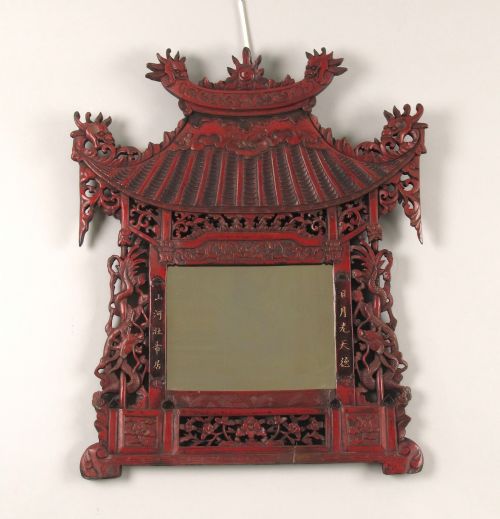
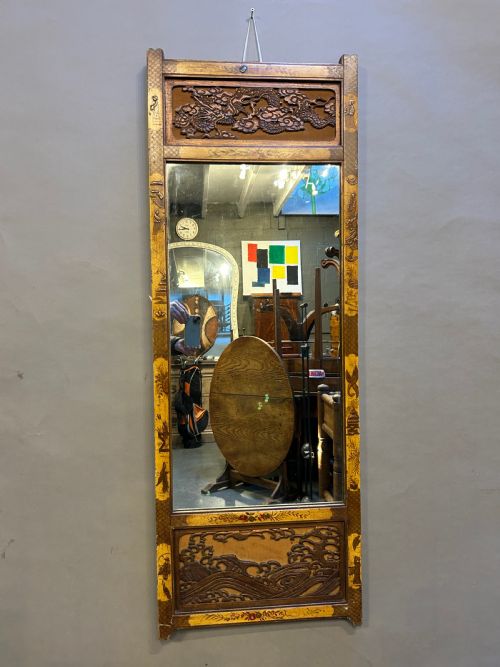
An antique oriental wall mirror brings decorative lacquer, carved frames and hand-painted scenes straight into a hallway or bedroom.
Antique Oriental Wall Mirror
An antique oriental wall mirror encompasses decorative looking glasses framed in carved wood, gilt, or painted lacquer. Buyers seeking this phrase encounter distinct regional interpretations, predominantly Chinoiserie works alongside Anglo-Indian and Persian pieces.
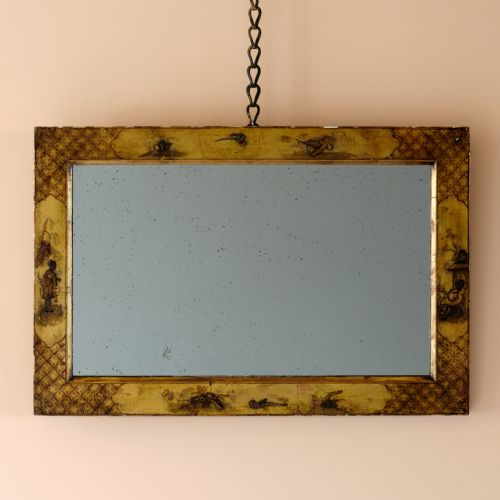
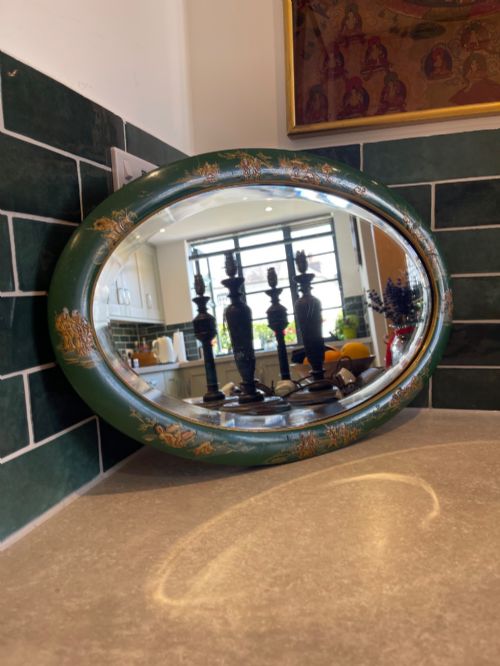
The selections span the nineteenth century through the Edwardian era and the 1930s, featuring Chinese red or black lacquer, pagoda motifs, and intricate pierced woodwork. Forms range from large ovals to pier wall mirrors and hanging pairs.
While many items directly reflect Chinese styles or Qing Dynasty aesthetics, the category also embraces Moorish designs and Kashmiri brass inlaid frames. Each piece brings a distinct sense of historic craftsmanship and cultural narrative to an interior wall.
Materials and construction methods
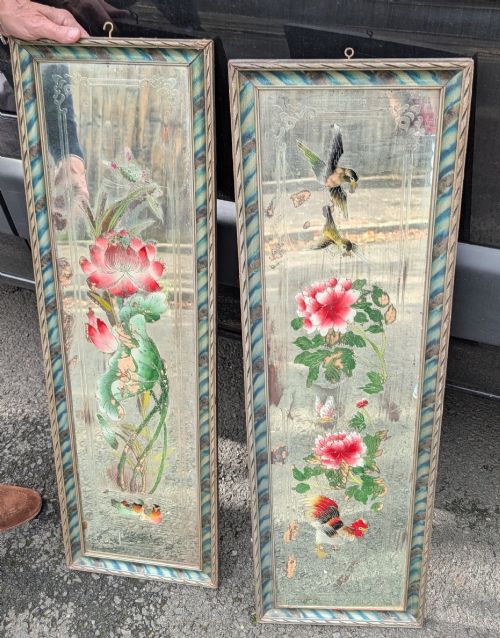
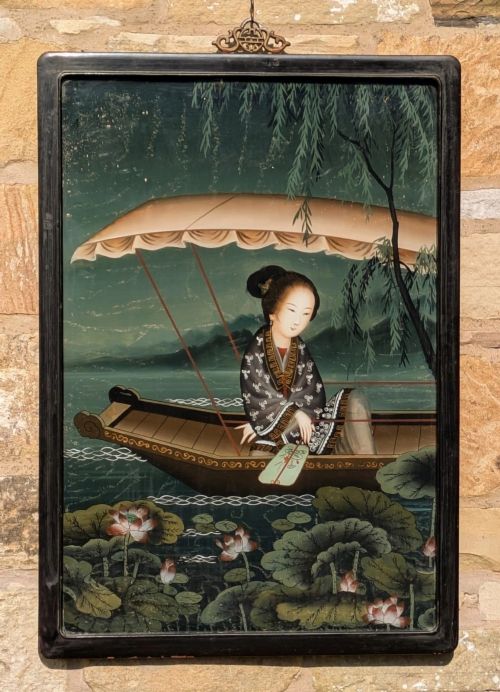
Makers constructed these frames using timber finished with layers of lacquer, paint, and gold leaf or gilt. Reverse glass paintings and standard mirror glass are set within these elaborately decorated surrounds.
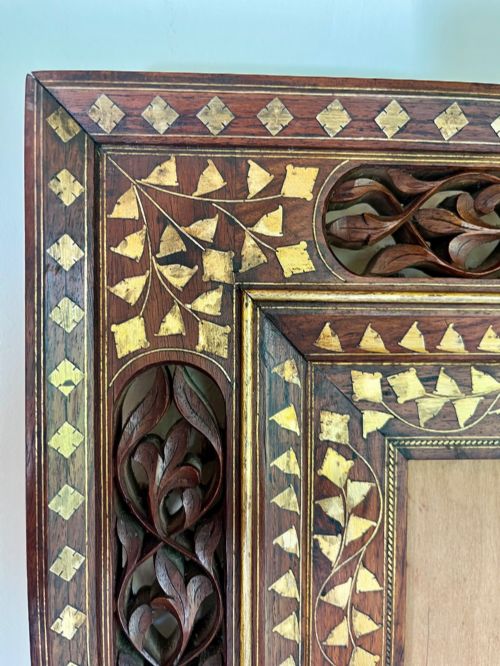
Woodworking techniques include intricate carving and pierced detailing, seen clearly in Kashmiri and Hoshiarpur frames. Brass inlay and metal elements frequently accent the wooden structures to add contrast and texture.
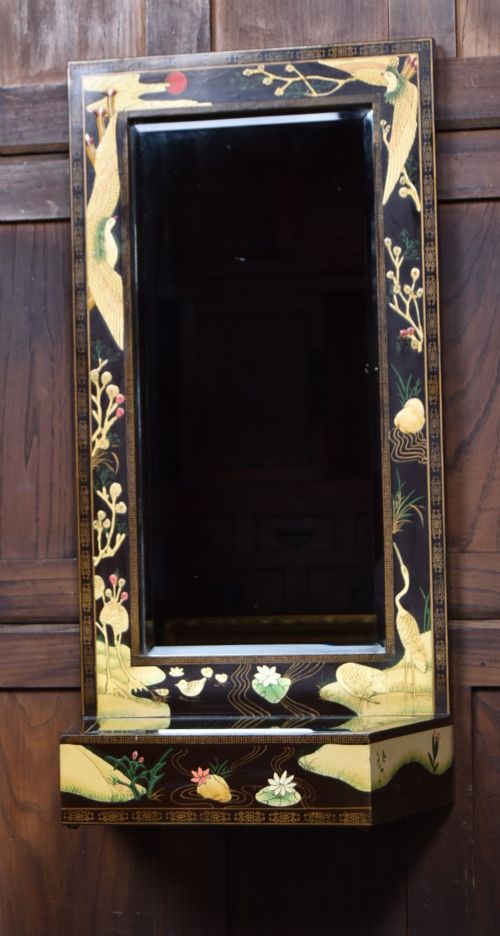
Surface decoration relies on traditional japanning and hand-painted oriental scenes, often depicting figures, pagodas, and floral motifs. Artisans applied multiple coats of lacquer to achieve deep black or scarlet red colour foundations.
Listings feature periods spanning from the eighteenth century through the 1930s, uniting Chinoiserie lacquer, Edwardian ovals, and carved Anglo-Indian woodwork.
Assessing quality and craftsmanship
Quality reveals itself in the depth and intricacy of the hand-painted lacquer work, the finesse of the wood carving, and the preservation of the original gilt surface. Finer examples display meticulous detail in figures and pagoda scenes rather than simplified, uniform brushwork.
The integrity of the frame construction and the clarity of the original mirror glass or reverse glass painting separate superior pieces from standard workshop output. Heavier timber frames with complex pierced edges or well-preserved brass inlay demonstrate higher craftsmanship.
The Antique Oriental Wall Mirror Glossary
- Chinoiserie
- European interpretation and imitation of Chinese and East Asian artistic traditions, popular in furniture and mirror decoration. This style frequently employs motifs such as pagodas, exotic figures, and landscaped gardens.
- Reverse glass painting
- An art technique where the painting is executed directly on the back of a piece of glass and viewed from the front. This method creates a glossy, reflective surface finish.
- Pier wall mirror
- A tall looking glass designed specifically to hang on the wall space between windows. These mirrors often feature elongated frames to maximise light reflection in a room.
- Hoshiarpur
- A town in India renowned for intricate woodwork, particularly frames inlaid with brass, bone, or shisham wood. Pieces from this tradition show dense, geometric floral carving.
Antique Oriental Wall Mirror: Frequently Asked Questions
Where should I hang an oriental wall mirror?
These mirrors suit hallways, living rooms, and bedrooms where their reflective glass and decorative frames can catch the light. Hanging one above a mantelpiece or console table creates a striking focal point.
Consider the surrounding interior colour scheme, as black or red lacquer frames stand out dramatically against neutral walls. Ensure the wall structure can support the weight of heavier timber and glass combinations.
How do I date an antique oriental mirror?
Dating relies on examining the construction of the wooden frame, the type of mirror glass used, and the style of decoration. Nineteenth-century and Edwardian pieces often exhibit distinct lacquer ageing and specific regional carving patterns.
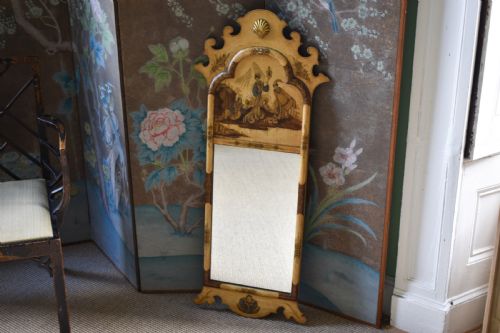
Comparing the reverse side, fixings, and beveling on the looking glass helps confirm the period. Archival styles like Queen Anne revival or Georgian Chinoiserie provide further clues to the era of manufacture.
What is the difference between Chinoiserie and Moorish mirrors?
Chinoiserie mirrors reflect European interpretations of East Asian art, featuring painted lacquered scenes, pagodas, and figures. They lean towards smooth painted finishes in black, red, or gilt.
Moors or Anglo-Indian and Kashmiri styles focus heavily on carved wooden geometry and metal inlay rather than painted pictorial narratives. The textures and structural motifs set the two aesthetics clearly apart.
How do I care for antique lacquer and gilt?
Dust the frames gently with a soft, dry cloth to prevent accumulation without abrasive friction. Avoid placing the mirror in direct sunlight or areas of high humidity to protect the delicate lacquer and gold leaf.
Keep moisture entirely away from the wooden surfaces and the edges of the mirror glass. Professional conservation advice should be sought if structural movement or surface flaking occurs.