

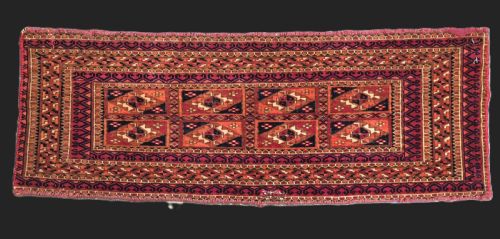


Antique Oriental Textile Panel
An antique oriental textile panel brings rich needlework, tribal patterns and historic silk work directly onto the wall.
Antique Oriental Textile Panel
When searching for an antique oriental textile panel, buyers encounter an array of embroidered wall art, tribal storage bag faces, and framed fragments originating from Central Asia, China, Persia, and the Ottoman Empire.
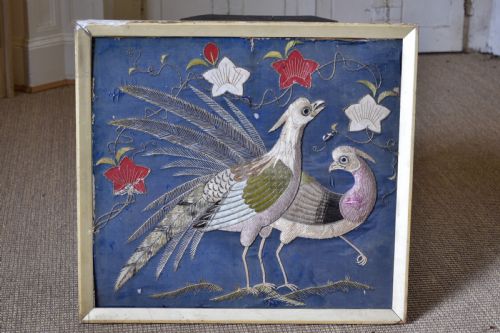
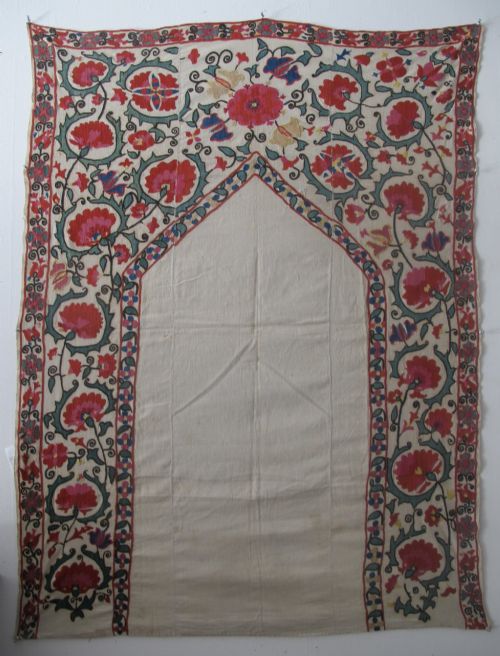
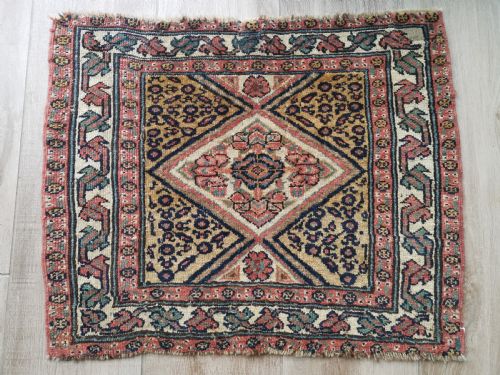
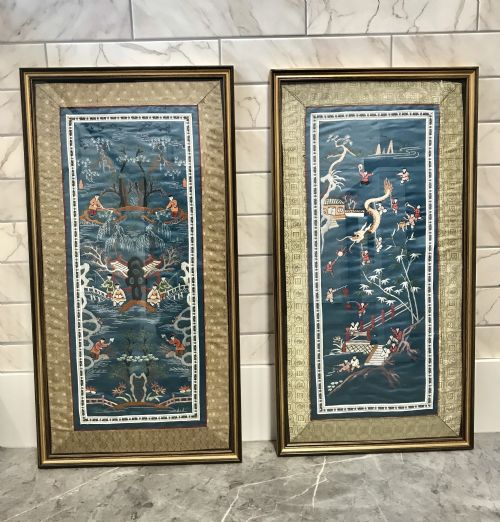
The selection frequently includes Uzbek suzanis worked in silk on cotton grounds, Turkmen torbas and chuvals bearing traditional gul motifs, and intricate Chinese silk embroideries depicting figures, dragons, birds, and floral arrangements.
Many items survive as fragments or repurposed sections from larger nomadic structures like mafrashes and khorjins, often mounted behind glass or prepared specifically for hanging.
How they were made
Maker execution relies on natural dyes applied to foundational textiles woven from wool, cotton, and silk, occasionally incorporating metallic thread and felt applique work.
Artisans employed needlework and hand-sewn embroidery techniques, sometimes framing delicate silk panels within carved wooden trays or under glass to preserve the fine detail.
Geese in flight and mandarin ducks share the needlework space with fierce dragons across these historic panels.
What varies in quality
Quality rests upon the precision of the drawing, the complexity of the design layout, and the retention of strong, natural colour across the silk or wool ground.
Fine examples demonstrate meticulous needle control and well-balanced proportions within traditional motifs such as gul designs or architectural suzani layouts, distinguishing masterwork tribal pieces from standard utilitarian items.
The Antique Oriental Textile Panel Glossary
- Suzani
- An embroidered textile from Uzbekistan, traditionally worked in silk on a cotton or linen ground with bold floral and architectural patterns.
- Torba
- A small Turkmen storage bag face, often featuring repeating gul medallions and woven in wool with rich natural dyes.
- Chuval
- A large Turkmen tent storage bag face, valued by collectors for its dense tribal guls and fine weave.
- Mafrash
- A Caucasian or Persian woven storage container panel, frequently repurposed into flatweave mats or wall hangings.
- Gul
- A repeating primary medallion or octagonal design motif characteristic of Central Asian tribal rugs and textile panels.
Antique Oriental Textile Panel: Frequently Asked Questions
What is an antique oriental textile panel?
These items are historic embroidered or woven panels originating from regions such as Central Asia, China, Persia, and Turkey.
They encompass framed silk embroideries, suzanis, and nomadic bag faces created for domestic use or decoration.
How were textile panels used originally?
Nomadic tribes utilised many of these pieces as storage bags, saddlebags, and tent furnishings to organise household goods.
Other examples, such as Chinese embroideries and Uzbek suzanis, served as ceremonial items, wall decoration, or furnishings within wealthier homes.
How should I hang a textile panel?
Mounting fragile textiles often involves securing them behind glass within a frame to protect the delicate silk or wool threads from dust and damage.
Larger flat pieces can also be professionally stitched onto a supportive fabric backing and hung using a concealed rod system.
How do I tell different tribal designs apart?
Tribal attribution depends on specific geometric motifs, such as the distinct gul patterns used by Tekke, Yomut, and Ersari weavers.
Colour palettes, material choices, and embroidery techniques also point directly to specific regions like Uzbekistan, Caucasus, or Persia.