

Antique Oriental Style Vase
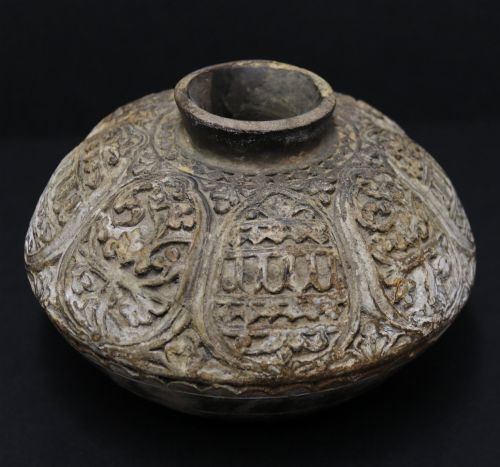
These antique oriental style vase examples bring hand-painted ceramic, bronze, and cloisonné artistry directly into a room.
Antique Oriental Style Vase
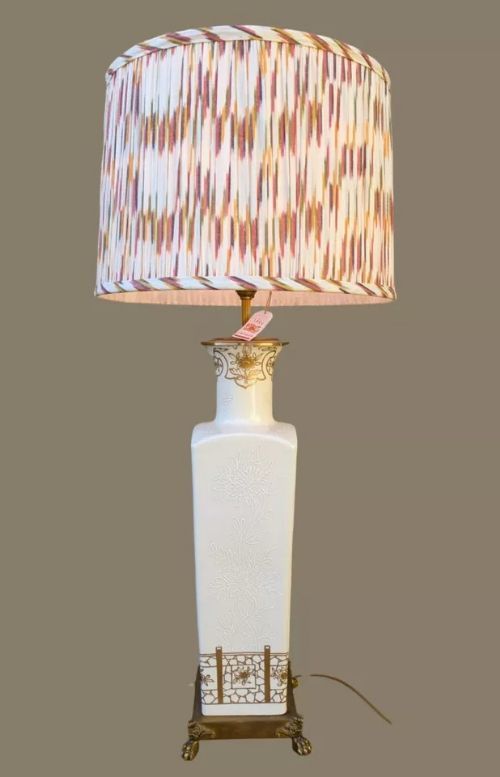
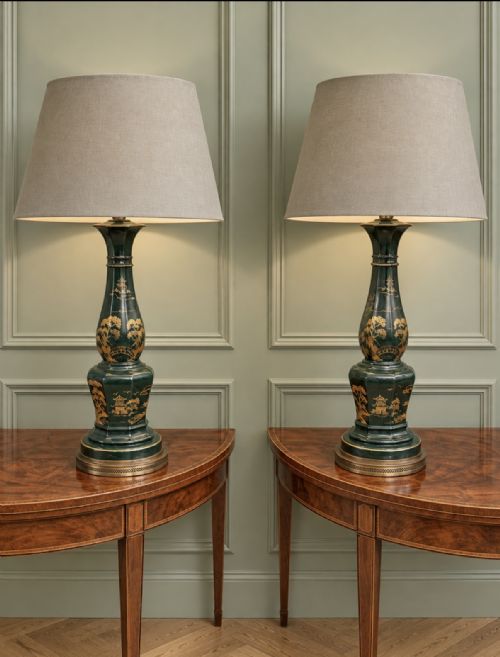
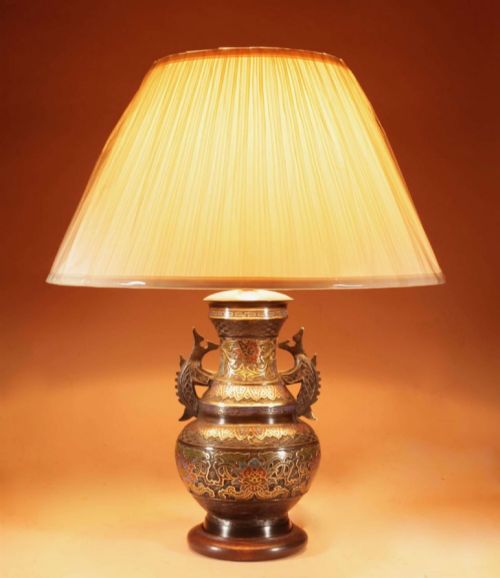
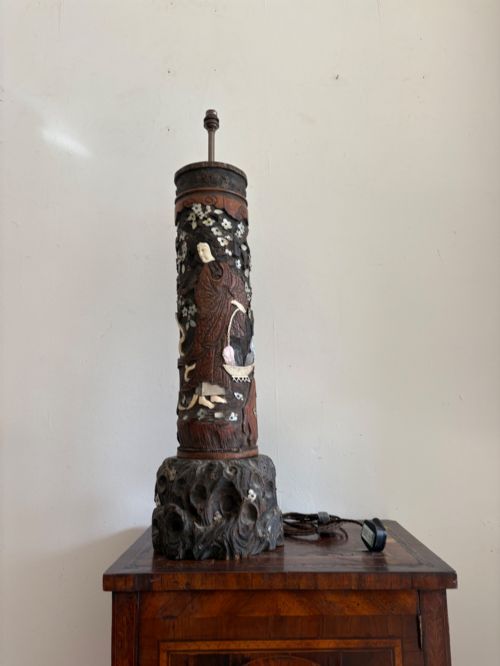
When you search for an antique oriental style vase, you encounter pieces that draw upon Chinese, Japanese, and broader Asian aesthetic traditions produced across the nineteenth and early twentieth centuries. The selection spans straightforward ceramic vessels alongside examples converted into table lamps using brass, wood, and fabric fittings.
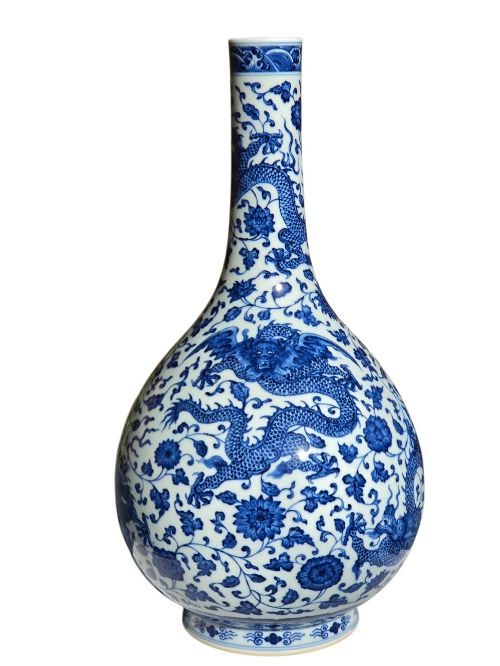
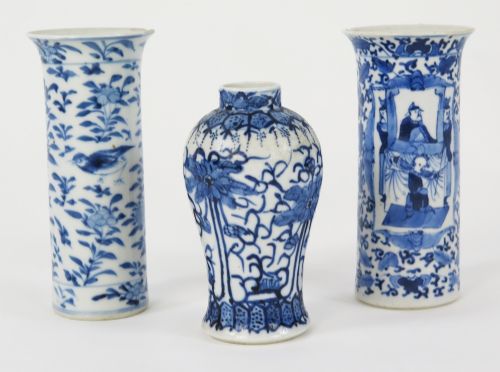
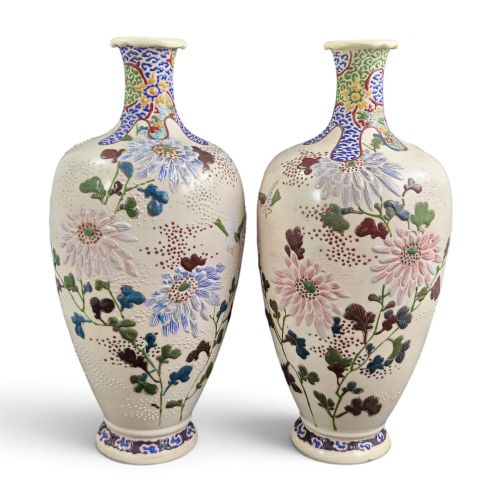
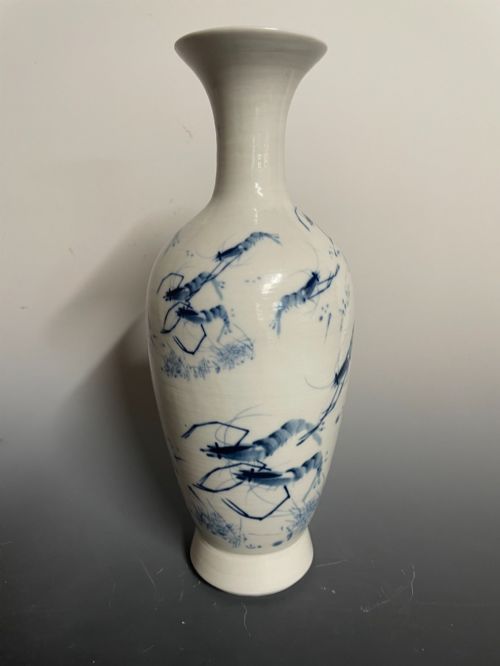
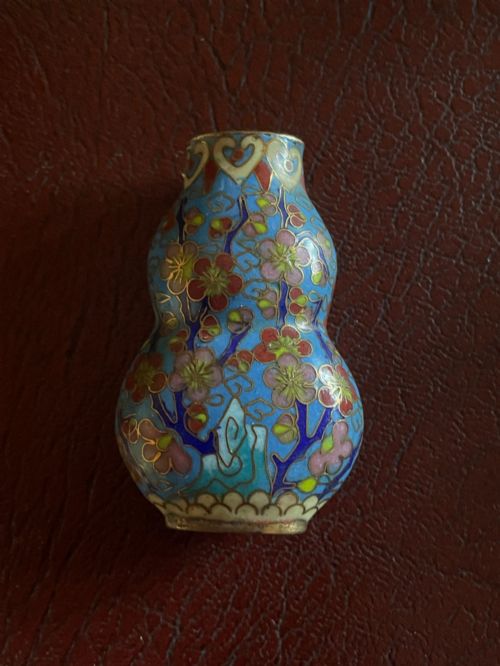
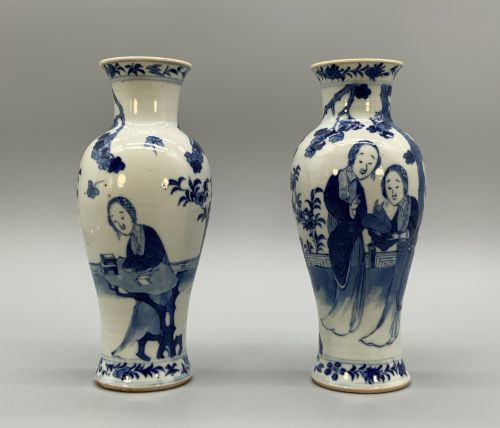
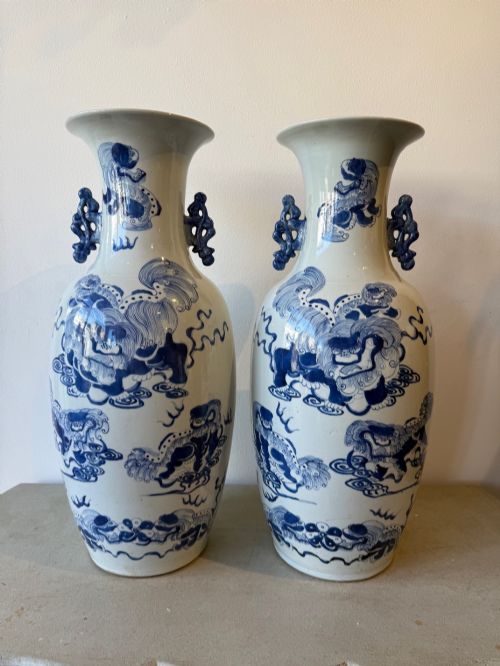
You meet blue and white porcelain items following earlier dynasties, alongside cloisonné, champlevé bronze, and Imari or Satsuma wares. Many of these objects date from the Victorian and Edwardian eras, reflecting European fascination with Eastern decorative arts during those periods.
The category extends beyond conventional vessels to include ginger jars, moon flasks, and beaker vases bearing styles ranging from Kangxi design influences to Famille Verte and Famille Rose palettes.
Materials and construction methods
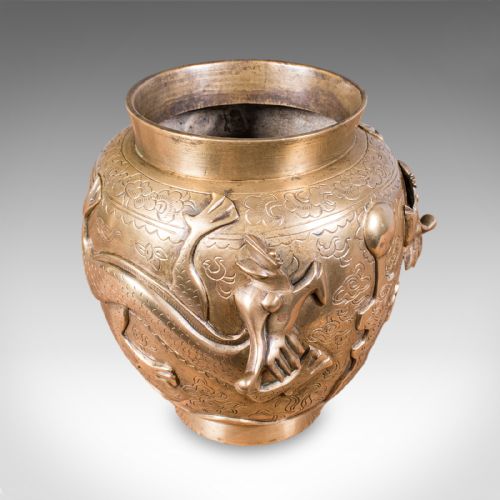
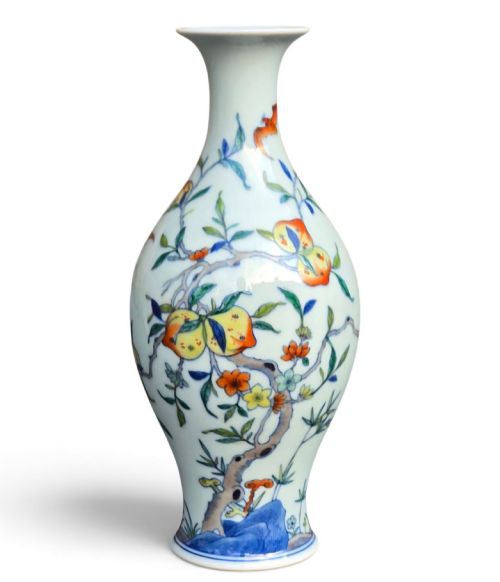
Potters and artisans utilised porcelain, ceramic, and bronze as primary substrates, applying underglaze blue, enamel colours, and gold leaf details to build complex surfaces. Cloisonné and champlevé techniques involve wirework partitions and metal recesses filled with vitreous enamel before firing and polishing.
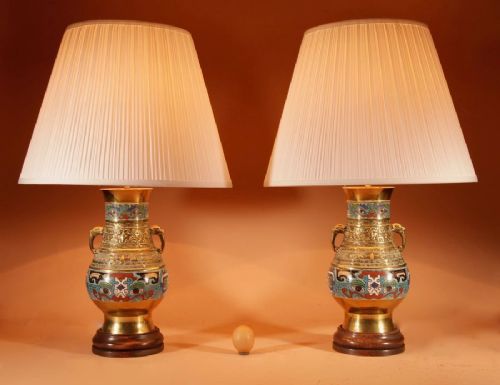
Many vessels incorporate ormolu mounts, carved hardwood stands, or later adaptations involving electrical wiring when converted into lamps during subsequent decades. The physical weight of the bronze and the density of the ironstone or porcelain indicate the traditional kiln and foundry methods employed.
Antique Oriental Style Vase Retail Price Guide 2026
Typical asking prices for oriental style vase among the pieces listed under this phrase on Sellingantiques today, from the lower quarter to the upper quarter. They describe what is for sale here now, not the wider market.
Materials recorded across the inventory include porcelain, enamel, brass, fabric, wood, ceramic, glaze, and gold leaf.
Distinguishing quality across the range
Quality rests upon the precision of the hand-painting, the crispness of the underglaze cobalt, and the complexity of the enamel work on porcelain surfaces. Finer pieces demonstrate control in brushwork, balanced composition of figural and floral motifs, and deliberate registration of seal marks.
In metalwork and cloisonné, the tightness of the wire cells and the smoothness of the polished enamel surface separate standard production from superior examples. The integration of bronze casting, applied dragon handles, and original mounts further distinguishes the upper tier.
Carlton Ware·Royal Doulton·Wedgwood·Hicks and Meigh·Samson
The Antique Oriental Style Vase Glossary
- Cloisonné
- Enamelwork created by soldering thin metal wire onto a bronze or copper base to form compartments filled with paste and fired. This technique produces intricate cellular patterns across the surface of vases and jars.
- Famille Verte
- A porcelain palette dominated by green enamels introduced during the Qing dynasty. Artisans combined this dominant green with iron red, yellow, and blue to render detailed floral and figural scenes.
- Kangxi
- A stylistic period referencing the late seventeenth-century Qing reign, frequently emulated in later nineteenth-century blue and white porcelain. Pieces in this design feature vibrant cobalt tones and specific beaker or bottle silhouettes.
- Imari
- A style of Japanese export porcelain characterised by underglaze blue, iron red, and gilt highlights. The decorative scheme typically covers the entire ceramic body in dense geometric and floral panels.
- Champlevé
- A metalworking technique where troughs or cells are carved directly into a bronze surface and filled with enamel before firing. It differs from cloisonné by relying on excavated metal channels rather than soldered wires.
Antique Oriental Style Vase: Frequently Asked Questions
What is an antique oriental style vase?
These items are decorative vessels and lamps produced in Britain, Europe, and Asia during the nineteenth and early twentieth centuries, mimicking or originating from Eastern design traditions.
They utilise materials such as porcelain, bronze, and enamel to replicate historic Chinese and Japanese aesthetics for Western interiors.
How were these vases originally used?
Many served as ornamental mantelpiece ornaments, table centerpieces, or lidded containers for spices and dry goods in period homes.
Others were imported specifically as decorative focal points before later being converted into functional table lamps with electrical wiring.
How do I identify the period of a vase?
Dating relies on examining the base marks, the composition of the glaze, and the manufacturing characteristics of the ceramic or metal body. Victorian and Edwardian adaptations often feature European wiring or mounts attached to nineteenth-century Asian bodies.
Styistic references to Kangxi designs indicate nineteenth-century revivals rather than original seventeenth-century manufacture, requiring careful inspection of wear patterns and material density.
Can I use an antique vase as a lamp?
Numerous pieces on the market were converted into table lamps during the twentieth century, retaining their original porcelain or bronze bodies while incorporating electrical hardware.
Such conversions allow these decorative objects to function safely in modern lighting schemes without altering their primary aesthetic appeal.