

Antique Oriental Bowl
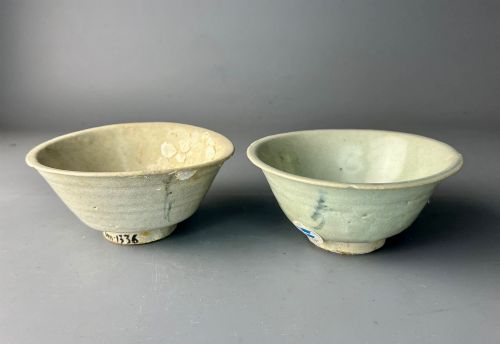
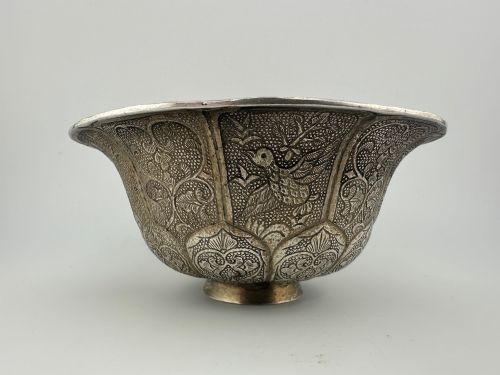
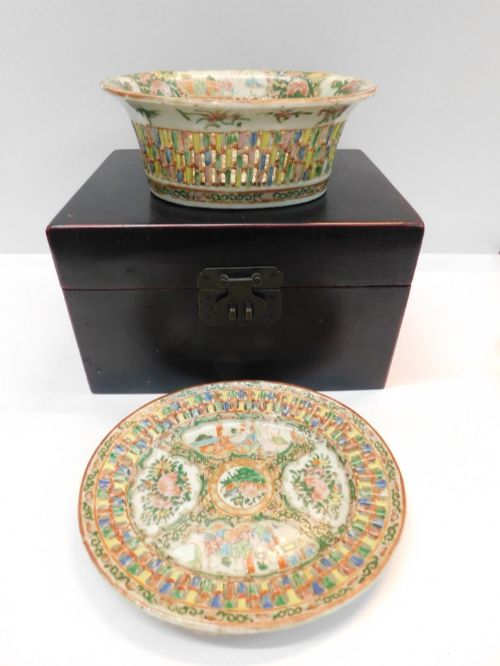
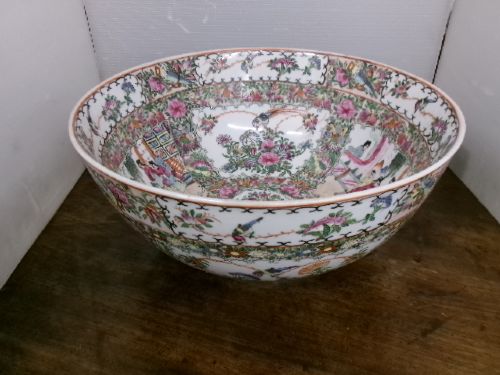
An antique oriental bowl holds centuries of craftsmanship, bringing together porcelain, bronze, and cloisonné enamel from dynasties and periods across the East.
Antique Oriental Bowl
When you search for an antique oriental bowl, you encounter a diverse selection of vessels ranging from decorative bowls and jardinieres to incense burners and scholar's brush washers.
The pieces on this page span several centuries, with examples originating from the Ming, Qing, and Meiji periods, reflecting both Chinese export wares and Japanese domestic production.
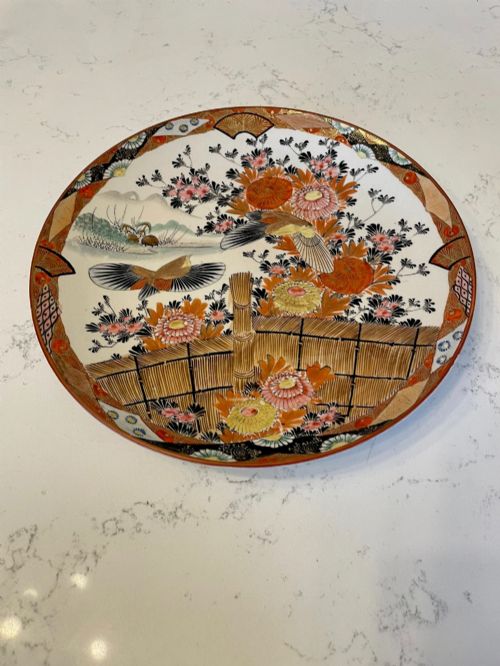
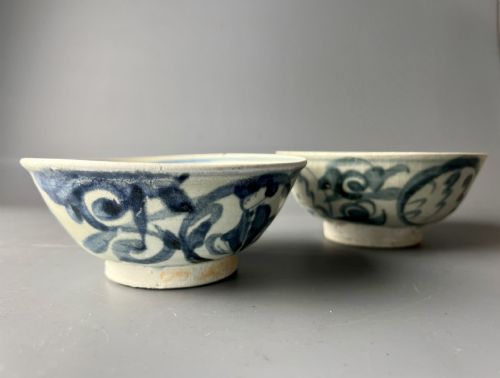
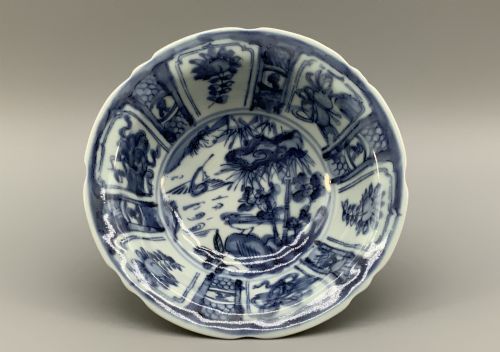
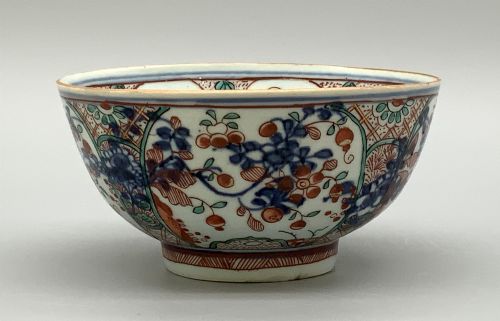
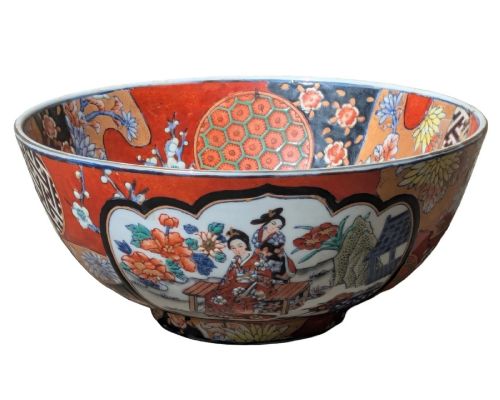
Porcelain vessels featuring blue and white decoration or Imari palettes appear frequently, alongside heavy bronze censers and delicate enamel pieces.
Materials and construction
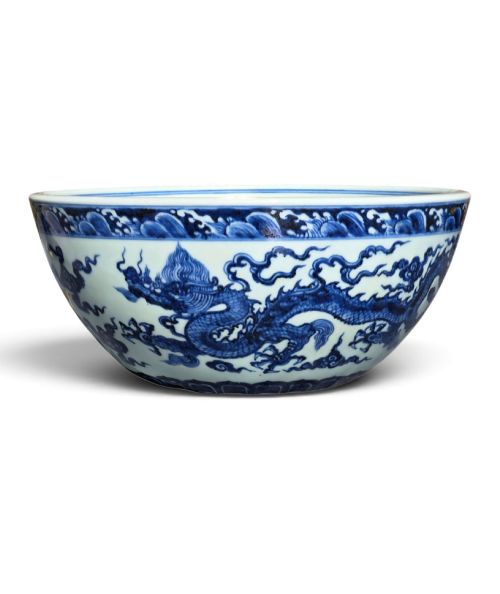
Potters shaped kaolin clay into porcelain bodies, applying cobalt glaze before high-temperature firing to achieve deep blue pigments beneath clear surfaces.
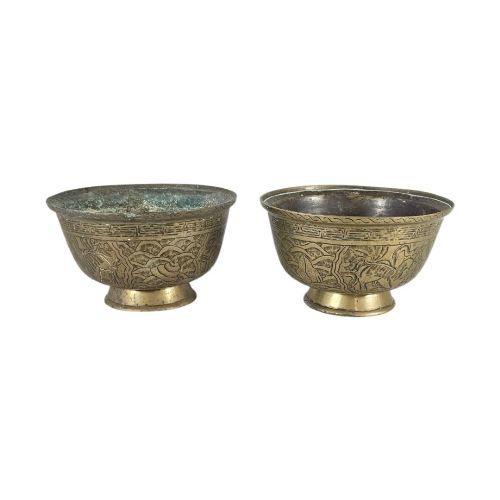
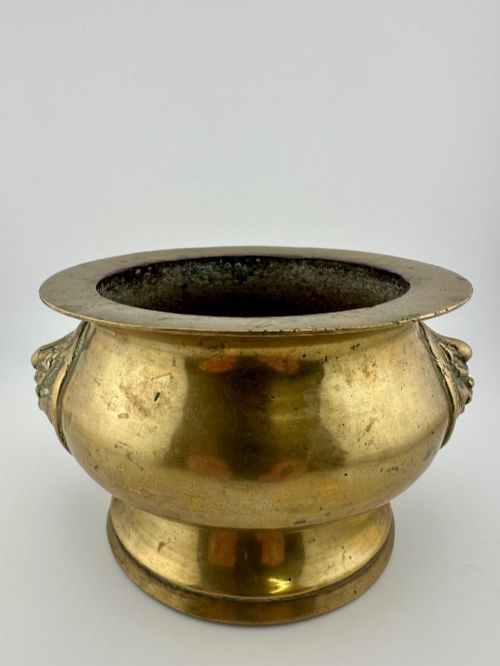
Metalworkers cast bronze and brass into ritual vessels, incorporating intricate relief panels, lion mask handles, and archaistic motifs.
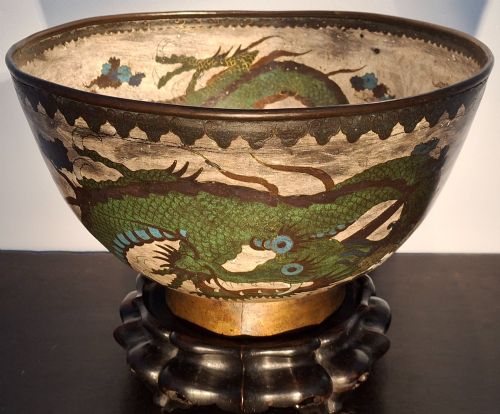
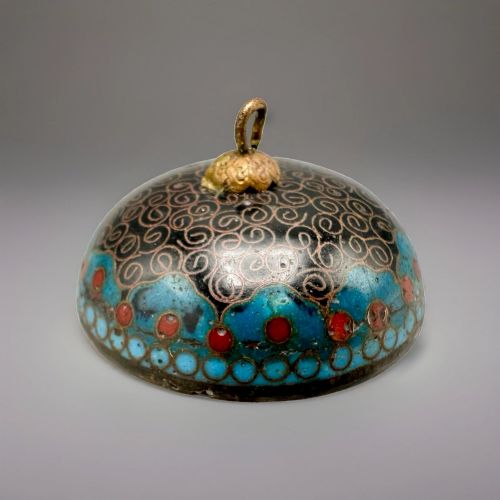
Cloisonné enamel makers soldered wire compartments onto metal bases, filling the cells with coloured enamel pastes before firing and polishing the finish.
The listings span from the 17th century through to the 20th century, incorporating Kangxi period porcelain and Meiji period bronzes.
Assessing the craftsmanship
The refinement of hand-painted detail distinguishes exceptional porcelain, where brushwork on motifs such as dragons, florals, and figures remains sharp and deliberate.
In metalwork, the weight and uniformity of the bronze casting, alongside the precision of applied handles and relief panels, signal the skill of the workshop.
The complexity of enamel work and the clarity of the glaze dictate the overall finish of cloisonne and ceramic vessels alike.
Shozo·Inoue Ryōsai·Ginshōtei Gyokushi·J. & R. Riley
The Antique Oriental Bowl Glossary
- Imari
- A style of Japanese porcelain featuring a palette of underglaze blue, iron red, and gilt highlights. It originated in Arita and gained popularity through export trade.
- Cloisonne
- A metalwork technique where fine wires create raised barriers on a surface to contain coloured enamel pastes. The object is fired and polished smooth.
- Censer
- A vessel designed for burning incense, commonly cast in bronze or brass with tripod feet and pierced covers. These objects often served scholars and ritual spaces.
- Famille Rose
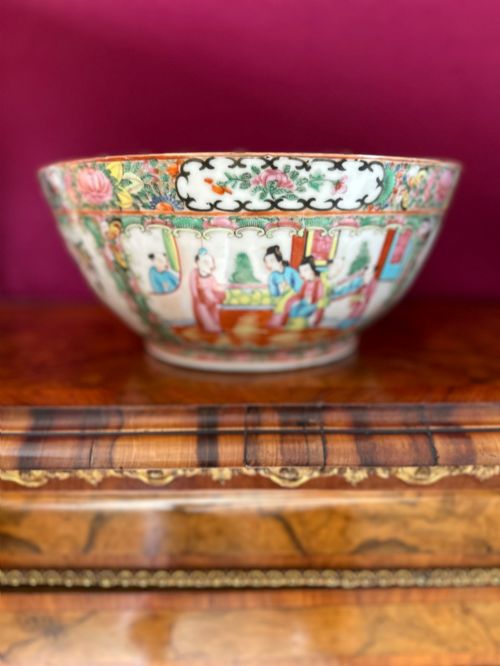
- A palette of opaque rose-pink enamel introduced to Chinese porcelain during the Qing dynasty. It allowed for soft tonal gradations in floral and figural scenes.
Antique Oriental Bowl: Frequently Asked Questions
How do I care for an antique porcelain bowl?
Clean porcelain gently using warm water and mild soap, avoiding abrasive sponges that might damage the glaze or surface decoration.
Display these vessels away from direct sunlight and sudden temperature changes to protect the integrity of the material.
Were these bronze bowls used for cooking?
Heavy bronze vessels typically served as ritual censers or scholar's desk items for burning incense rather than culinary use.
Their substantial weight and decorative handles indicate they were designed for display and contemplation in studies.
How can I tell the difference between Chinese and Japanese pieces?
Chinese pieces frequently display motifs such as five-claw dragons, cobalt blue underglaze, and famille rose enamels tied to dynastic periods.
Japanese works often feature distinct regional styles like Imari palettes, Kutani painting, or Meiji period metalwork techniques.