



Antique Oriental Arms
Antique oriental arms combine functional edged weapons and firearms with intricate decorative artistry from the eighteenth and nineteenth centuries.
Antique Oriental Arms
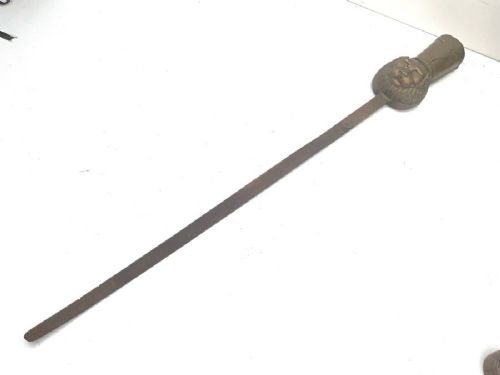
When searching for antique oriental arms, collectors look at historical edged weapons and firearms originating from Indian, Indo-Persian, and Himalayan regions. These pieces range from frontier kora-type swords and pesh kabz daggers to matchlock muskets known as toradar guns.
The items most frequently met on this page date from the eighteenth and nineteenth centuries, often featuring regional ornamentation unique to South Asian armouries.
Materials and construction methods
Makers utilised forged steel and iron for functional blades and barrels, ensuring durability alongside striking decorative potential. Stocks and mounts incorporated hardwoods, bone, and mother-of-pearl inlay.
Metalwork often included brass and silver mountings, whilst engraving and inlay techniques added intricate surface detail to both matchlocks and edged blades.
Muskets covered entirely in mother-of-pearl offer a shimmering battlefield aesthetic that genuinely confounds modern notions of camouflage.
Factors determining quality
The distinction between standard examples and superior pieces rests on the complexity of the decorative inlay and the refinement of the metalwork. Musket barrels with extensive silver or bone mounting reflect higher workmanship than plain functional equivalents.
Blade engraving and the preservation of original organic components like mother-of-pearl or turquoise elements elevate the historical importance of individual pieces.
The Antique Oriental Arms Glossary
- Toradar
- A traditional South Asian matchlock musket characterised by a long barrel and distinct stock construction. These firearms frequently display detailed bone, brass, or silver inlay along the wooden body.
- Kora
- A heavy, single-edged sword associated with the Bengal and Nepal frontier region, known for its distinctive forward-curving blade profile. Engraved details often embellish the steel surface.
- Matchlock
- An early type of firearm ignition mechanism that uses a slow-burning match to ignite the powder charge. This system appears commonly on eighteenth and nineteenth-century regional muskets.
Antique Oriental Arms: Frequently Asked Questions
What are antique oriental arms?
Antique oriental arms comprise historical swords, daggers, and matchlock firearms originating from South Asia, India, and neighbouring frontier regions during the eighteenth and nineteenth centuries.
These pieces combine functional military design with regional decorative traditions, featuring metalwork, bone, and mother-of-pearl embellishments.
How were matchlock muskets used?
Matchlock muskets served as military and hunting firearms across South Asian kingdoms, utilising a slow-burning match lowered by a lever to fire the weapon.
Many surviving examples from the period display ornate silver and bone mounts, suggesting they held ceremonial value alongside practical utility.
How do I display these pieces?
Displaying antique arms requires secure wall mounting or dedicated cabinetry that protects delicate inlays and steel surfaces from environmental moisture.
Keeping items away from direct sunlight and sudden temperature shifts preserves the integrity of organic materials like bone and mother-of-pearl.
How are periods identified?
Periods are identified through construction techniques, regional armoury styles, and the specific material types used for mounts and inlays.
Eighteenth-century pieces often show distinct regional forging methods compared to later nineteenth-century military developments.