





Antique Open Wall Unit
An antique open wall unit offers dependable display and storage, bringing timber character to any room.
Antique Open Wall Unit
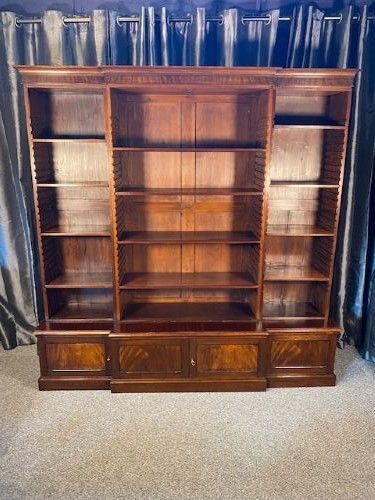
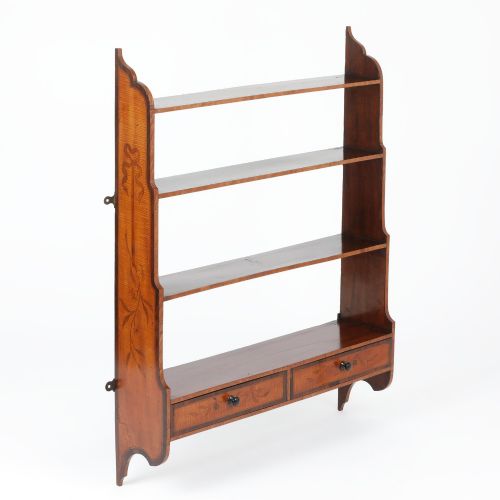
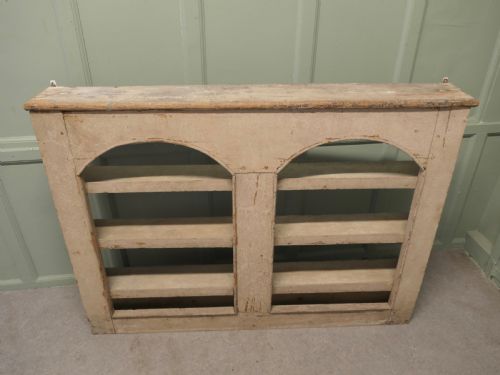
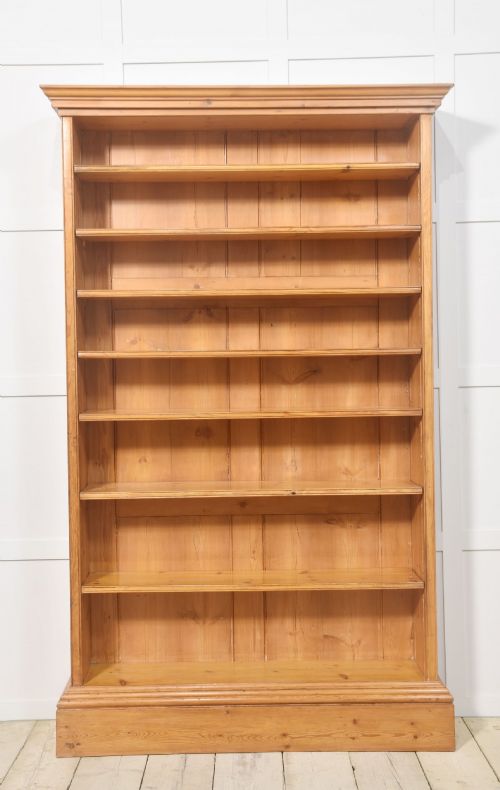
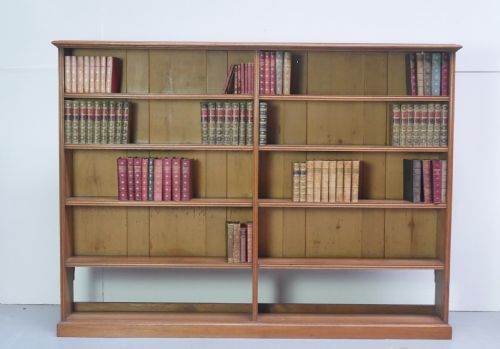
An antique open wall unit provides accessible shelving for books, ceramics, and ornaments without the barrier of doors. These pieces span the 18th century, Georgian, Victorian, and Edwardian periods, appearing in forms such as wall shelves, bookcases, alcove shelving, and display shelves.
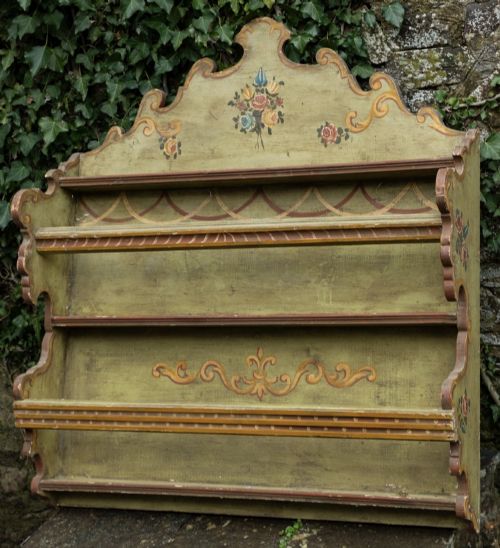
The most common versions met on this page include mahogany and pine wall hanging shelves alongside floor-standing open bookcases. Examples range from simple utilitarian pine boards to decorative French provincial and Arts and Crafts designs.
Buyers also encounter specialist iterations like hanging waterfall bookshelves, corner shelves, and giltwood mirrored display pieces. Each variant serves a distinct architectural purpose, whether filling a narrow alcove or anchoring a principal wall.
Materials and construction
Makers utilised a range of dense hardwoods and softer timbers including mahogany, oak, walnut, satinwood, amboyna, and pine. Structural elements occasionally incorporate brass and iron hardware, whilst decorative surfaces feature hand painting, gesso, and giltwood.
Joinery techniques matched the weight of the timber and the intended function, supporting heavy book collections or lighter display items. Backboards, dovetail joints, and adjustable shelf mechanisms indicate the standard of craftsmanship applied during construction.
Antique Open Wall Unit Retail Price Guide 2026
Typical asking prices for open wall unit among the pieces listed under this phrase on Sellingantiques today, from the lower quarter to the upper quarter. They describe what is for sale here now, not the wider market.
Listings feature pieces spanning the 18th, 19th, and early 20th centuries, executed in mahogany, pine, oak, walnut, and cherry wood.
Distinguishing quality across the range
The distinction between ordinary and superior pieces rests on the selection of timber and the sophistication of decorative carving. Well-figured mahogany, satin birch, and finely executed giltwood and gesso ornamentation elevate a piece well beyond utility.
The Antique Open Wall Unit Glossary
- Waterfall bookshelves
- Graduated open shelves arranged in a descending stepped tier, often designed for hanging on a wall. This format gained popularity in the 18th and 19th centuries for holding smaller volumes.
- Whatnot
- A multi-tiered open piece of furniture used for displaying ornaments and books. They appear in floor-standing and wall-mounted formats from the Victorian era onward.
- Giltwood
- Timber that has been coated with gold leaf or a gold-coloured metallic preparation. It frequently appears on decorative Victorian display shelves and mirrors.
- Gesso
- A plaster-like mixture applied to wood surfaces to serve as a base for intricate moulding and gilding. Craftsmen used it to create relief ornamentation before applying gold leaf.
- Alcove shelving
- Fitted or hanging shelves specifically proportioned to fit within a wall recess. These maximise awkward spaces in period rooms.
Antique Open Wall Unit: Frequently Asked Questions
Where should I place open wall shelves?
Open wall shelves suit living rooms, studies, and kitchens where easy access to frequently used items matters. Placing them away from direct sunlight protects vulnerable timbers and painted finishes from fading.
Consider room proportions and traffic flow to ensure the unit does not obstruct movement or overwhelm smaller spaces.
How do I care for antique wood surfaces?
Maintain timber surfaces by dusting regularly with a dry, soft cloth to prevent particulate buildup. Avoid silicone-based polishes that can degrade historical finishes and attract dust.
Apply a traditional beeswax sparingly if the timber appears dry, buffing gently to restore a natural lustre.
Are these shelves suitable for heavy books?
Pine and softwood shelves suit lighter paperbacks and decorative objects, whereas dense hardwoods like oak and mahogany handle heavier volumes securely. Adjustable shelving systems allow you to reconfigure vertical space for different book sizes.
Check the thickness of the boards and the strength of the support brackets before loading substantial collections.