



Antique Okimono Sculpture
An antique okimono sculpture is a Japanese decorative carving or cast object designed for display, bringing subjects from nature and folklore into the home.
Antique Okimono Sculpture
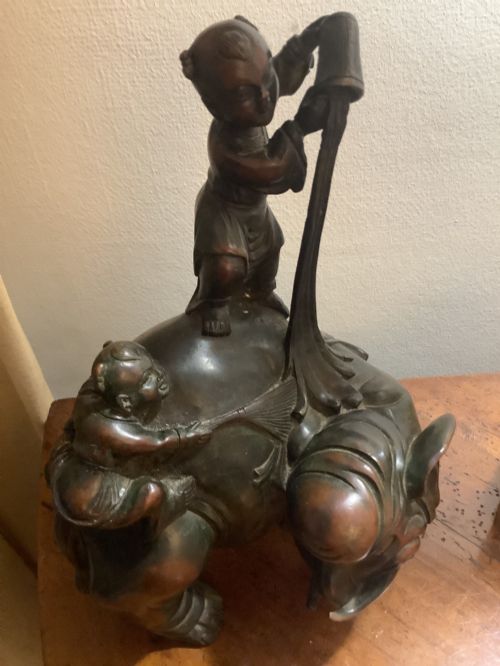
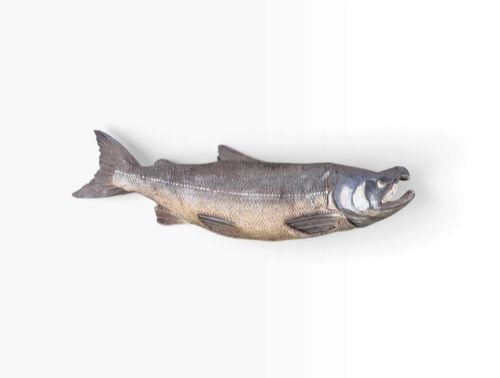
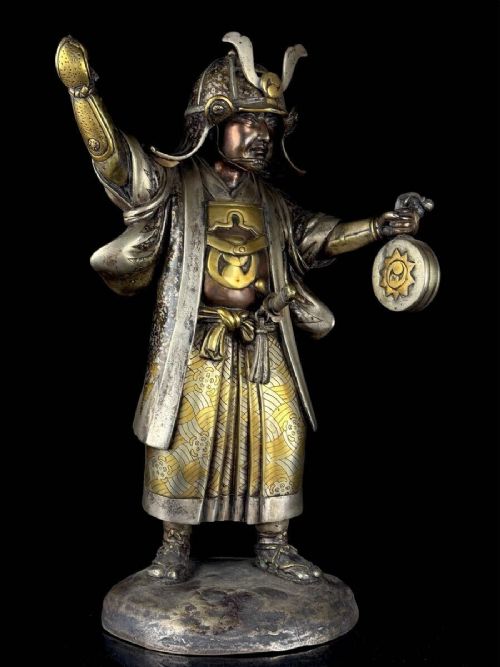
When you examine an antique okimono sculpture, you encounter standalone Japanese decorative objects created for interior display during the nineteenth and early twentieth centuries. These pieces encompass everything from small desktop figures to large garden bronzes.
The selections on this page centre heavily on the Meiji period, alongside Edo, Edwardian, and Showa eras. Subjects range from naturalistic animal studies to human figures, scholars, and mythological deities.
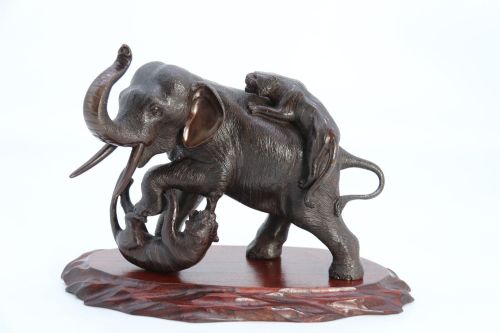
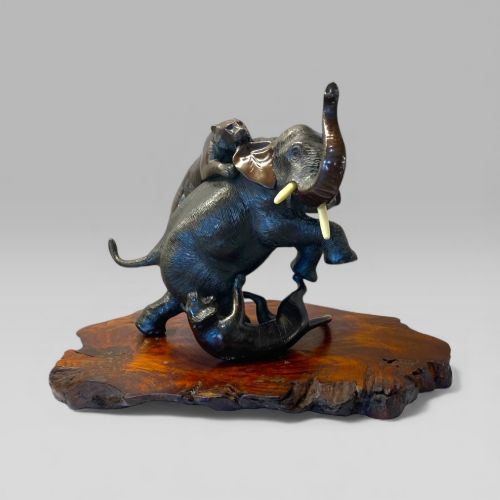
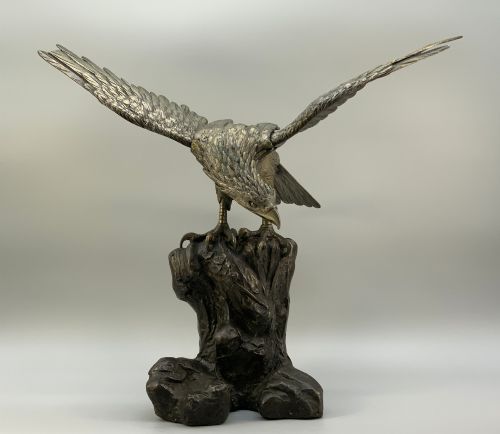
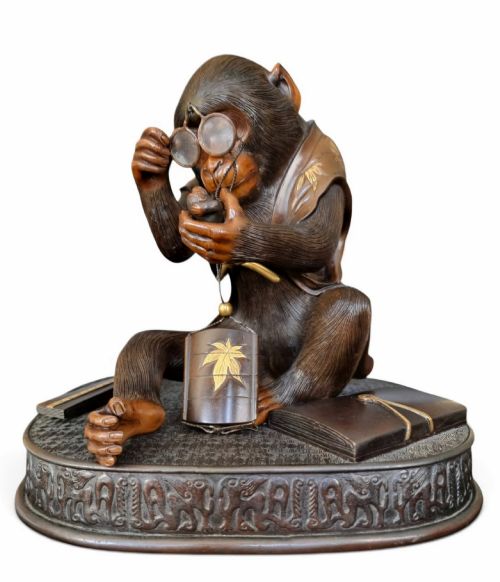
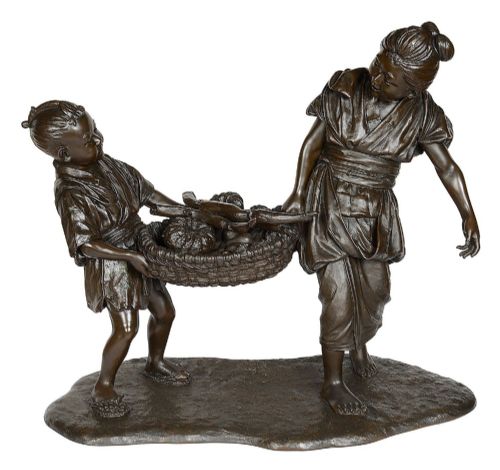
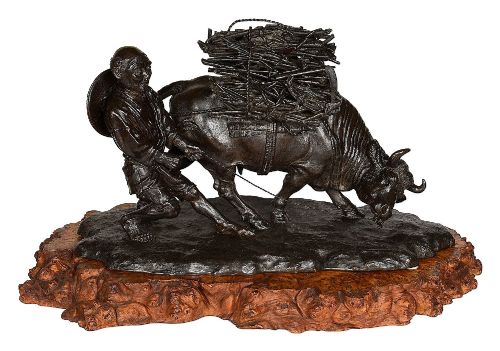
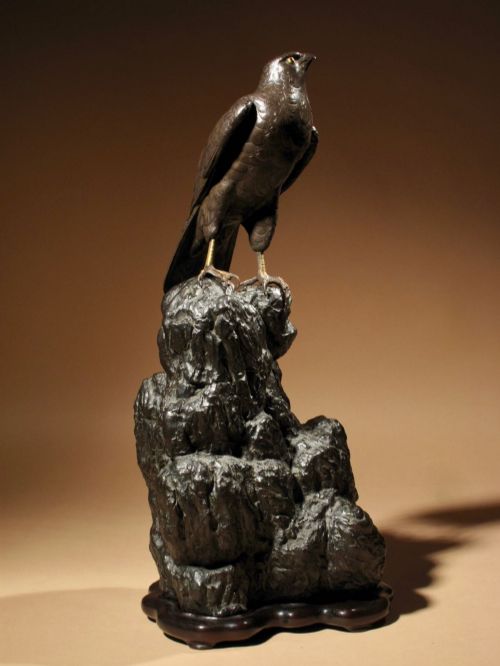
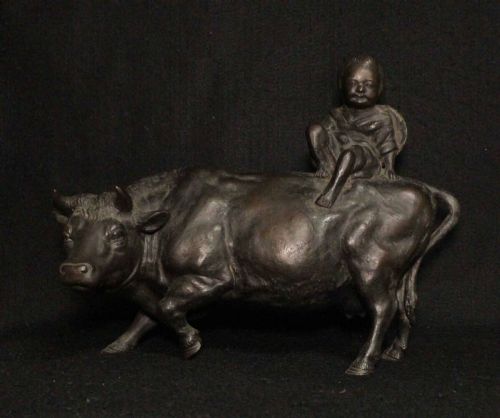
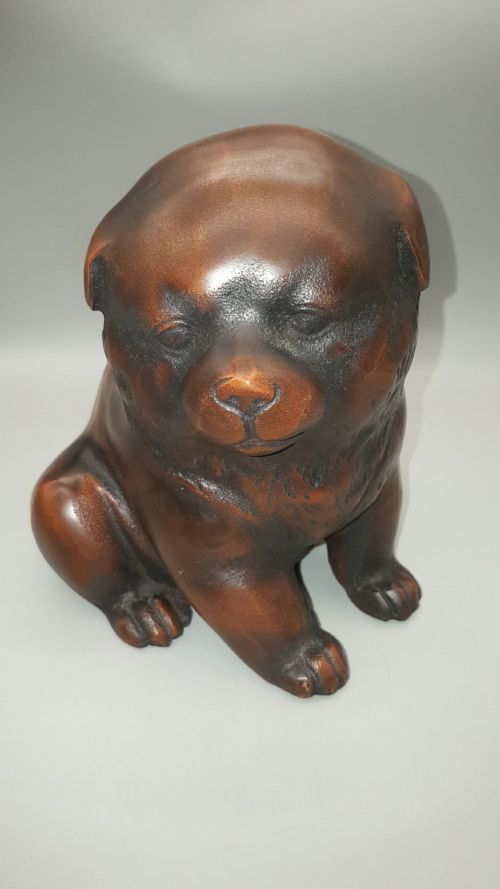
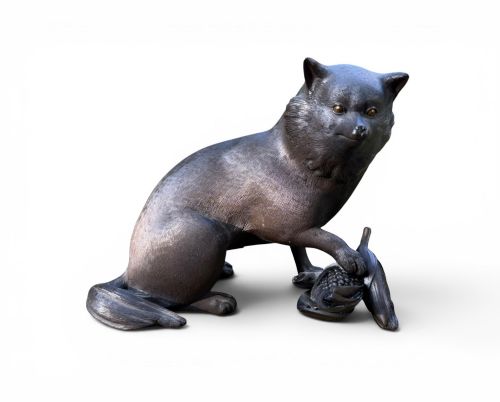
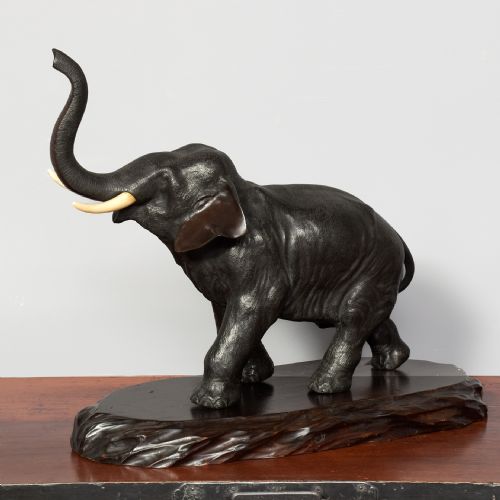
Animals appear with notable frequency, including elephants, tigers, monkeys, birds, and insects rendered in startling detail. Human subjects often depict traditional figures, woodcutters, children, and deities such as Daikoku and Fukurokuju.
How They Were Made
Metalworking forms the backbone of these pieces, utilising bronze, patinated bronze, iron, gold leaf, and shakudo. Makers cast these metals into complex animal forms, articulated insects, and human subjects.
Carvers worked extensively in wood, boxwood, hardwood, and bamboo to produce figures and netsuke. These organic materials reveal intricate hand-carved textures, facial expressions, and clothing folds.
Ceramic traditions also contribute to the form through porcelain, Satsuma ware, and Kutani ware. These ceramic examples utilise glazes and hand-painted enamel details to portray figures and animals.
Antique Okimono Sculpture Retail Price Guide 2026
Typical asking prices for okimono sculpture among the pieces listed under this phrase on Sellingantiques today, from the lower quarter to the upper quarter. They describe what is for sale here now, not the wider market.
Several artists specialised in astonishingly lifelike centipedes and rhinoceros beetles with fully articulated joints.
What Varies in Quality
Quality rests in the fidelity of anatomical observation and the crispness of surface detail. Masterworks capture the tension in a fighting tiger or the delicate joint articulation of an insect with absolute precision.
The choice of medium and patination drives distinction across the range. Sophisticated chemical patination on bronze or subtle staining on boxwood elevates a piece far above simpler, mass-produced decorative items.
Signatures by recognised makers provide a further indicator of standard. Works bearing marks from celebrated metalworkers and carvers demonstrate a higher level of compositional ambition and finishing skill.
Jomi Eisuke·Tsunemitsu·Shosai·Masaaki·Kaniya Kuniharu·Makuzu Kozan II·Tomochika·Seiunsai Miyamoto Sei·Unno Shomin·Haruyama Shunzan·Kizan
The Antique Okimono Sculpture Glossary
- Okimono
- A Japanese decorative object or sculpture intended for display in an alcove or on a shelf. These pieces range from small carved netsuke to large bronze garden statues.
- Meiji Period
- The era in Japanese history spanning from 1868 to 1912, characterised by rapid modernisation and the opening of trade with the West. Much of the finest metalwork and carving originates here.
- Shakudo
- A Japanese billon of copper with a small percentage of gold, treated to produce a dark blue-black patina resembling lacquer. It appears frequently in highlights on bronze group sculptures.
- Netsuke
- A small carved toggle fastened to the end of a cord attached to a small container worn on kimono robes. Many fine examples double as miniature okimono.
- Satsuma
- A type of Japanese pottery with a pale, ivory-coloured crackle glaze, typically decorated with polychrome enamels and gold leaf. It is often used for figural and deity okimono.
Antique Okimono Sculpture: Frequently Asked Questions
What is an antique okimono sculpture?
An antique okimono sculpture is a decorative Japanese figurine or statue designed to be placed on a shelf, tokonoma alcove, or table.
Unlike utilitarian items, these pieces exist purely for aesthetic appreciation and contemplation.
How were antique okimono sculptures used?
These sculptures served as interior ornaments in Japanese homes, intended to reflect seasonal changes or cultural values.
Owners displayed them to spark conversation among guests and to invite auspicious qualities like wealth or longevity into the room.
How do I care for bronze okimono?
Bronze and metal okimono require very little maintenance beyond dusting with a soft, dry cloth.
Avoid using polishes or chemical cleaners, which can strip away the original patination and historical finish.
How can I tell the Meiji period pieces apart?
Meiji period works generally exhibit extreme naturalism and highly refined metal casting or wood carving techniques.
This era saw Japanese artisans responding to international exhibition demands with unprecedented technical ambition and complex multi-part construction.