
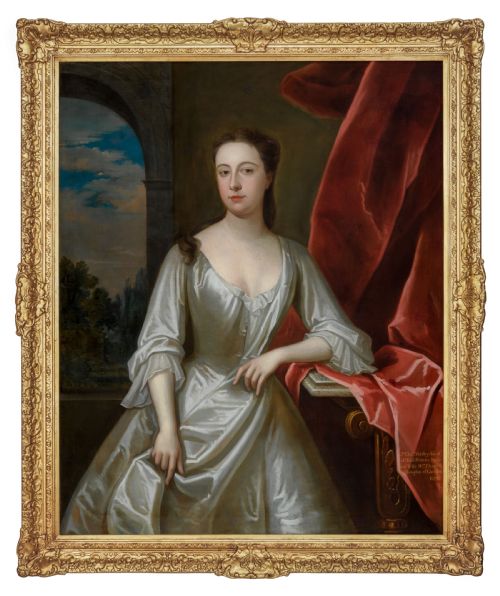

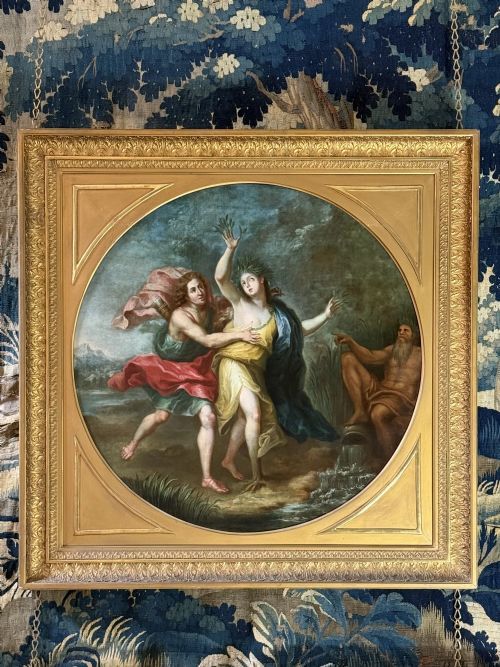
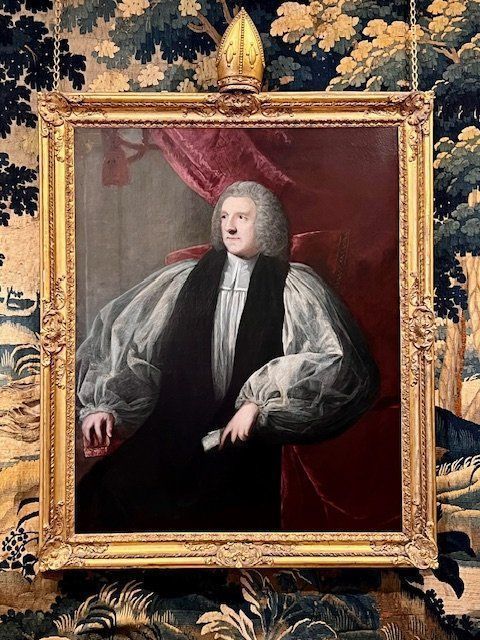
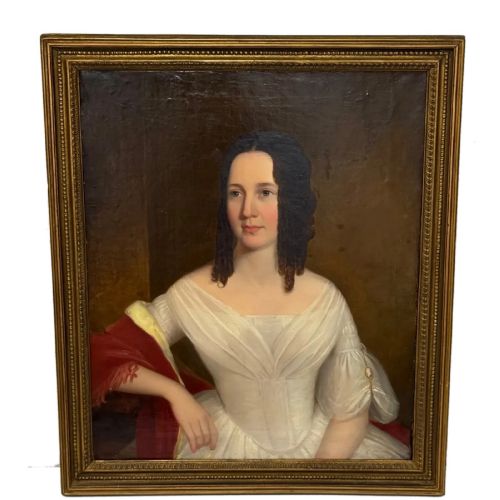


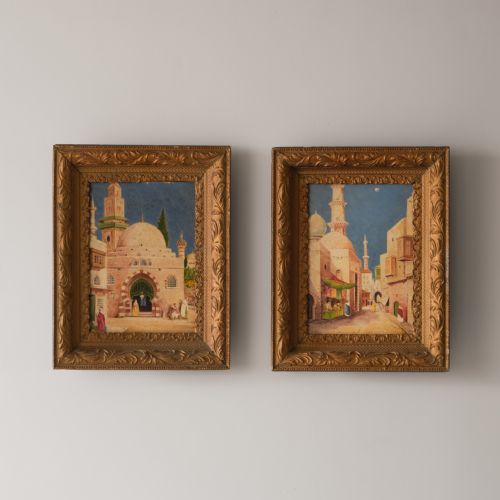
Antique Oil Painting in Frame
An antique oil painting in frame brings centuries of hand-mixed pigments, textured canvas and carved wooden moulding straight into a modern room.
Antique Oil Painting in Frame
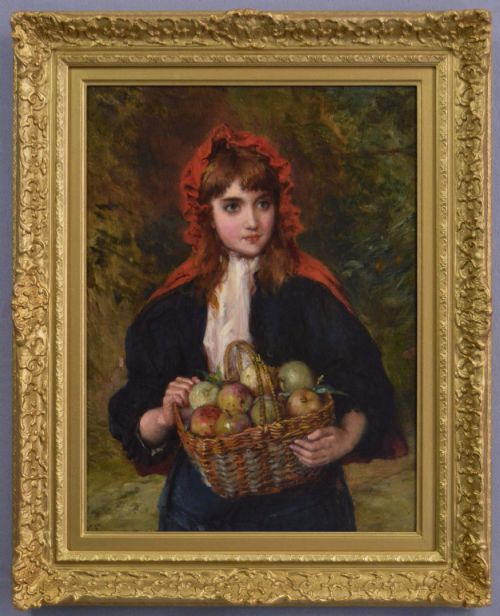
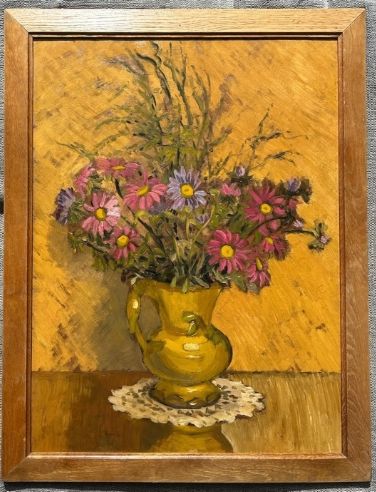
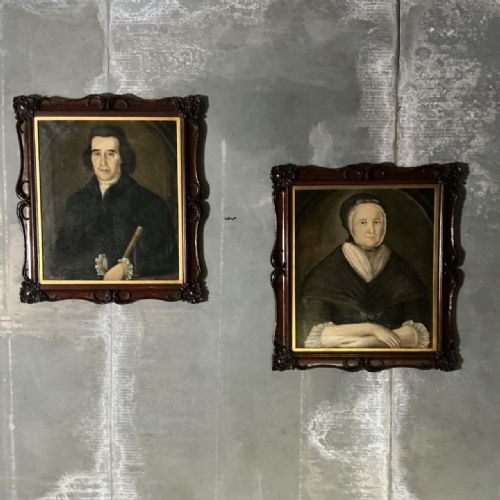
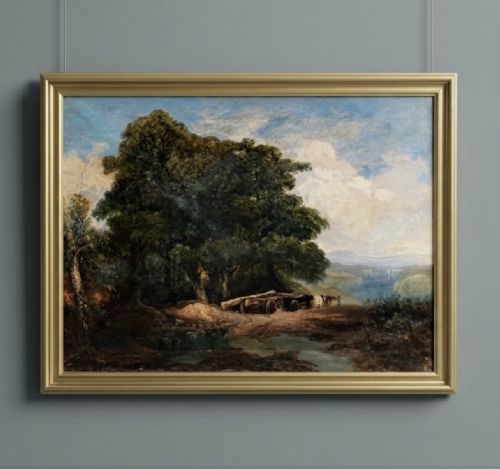
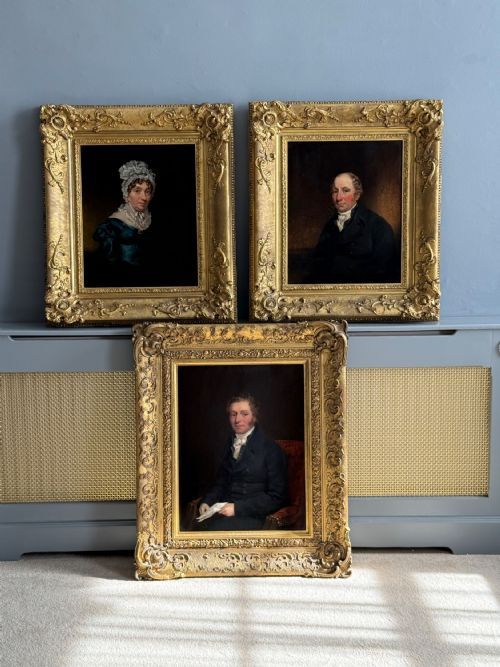
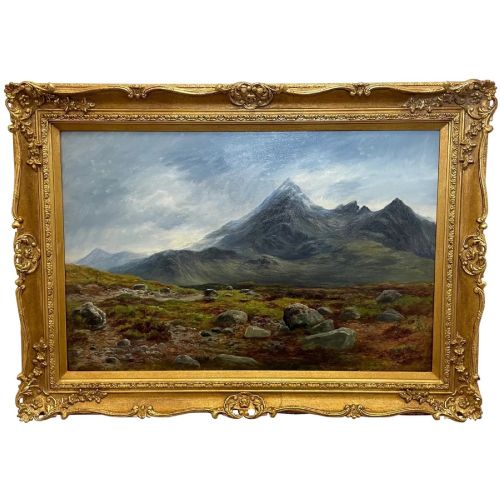
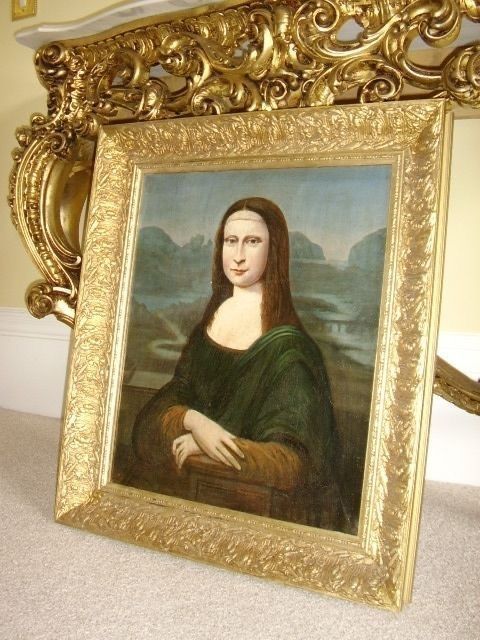
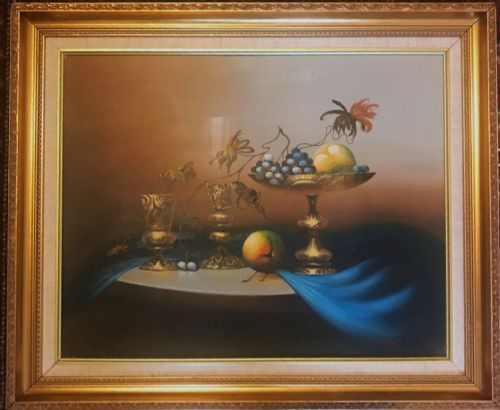
When you search for an antique oil painting in frame, you encounter centuries of fine art traditions ranging from seventeenth-century portraits to twentieth-century pastoral scenes. These works capture historic sitters, pastoral landscapes, coastal views and mythological narratives rendered by named masters or skilled regional schools. Most pieces you meet on this page hail from the nineteenth and eighteenth centuries, housed in their original or period-matching wooden surrounds.
Portraits dominate the earlier centuries, recording aristocrats, gentlefolk and notable figures in elaborate costume, while later eras favour romantic landscapes, marine views and rustic farmyard scenes. These canvases, panels and boards preserve the shifting aesthetic movements of British and European art history, from Baroque grandeur through Regency elegance to Post-Impressionist brushwork. Every painting offers a direct window into the domestic or public spaces of its original era.
How they were made
Artists built these works upon stretched canvas, wooden panels, card or tin sheets, applying ground layers before laying down oil paint with bristle brushes and fine sables. The pigments, ground by hand from natural minerals and plant extracts, retained their rich depth and subtle tonal variations over centuries.
Frames were constructed from timber such as pine, oak or maple, then embellished with carved plaster, gesso and composition ornaments before receiving layers of gold leaf or gilt paint. Many frames use deep mouldings and floral motifs designed specifically to complement the perspective and palette of the artwork within.
Materials recorded across the archive include oil paint, stretched canvas, wood panels, giltwood and carved maple frames.
What varies in quality
The relationship between artwork and surround dictates overall distinction, as works retaining their original period carved giltwood frames hold greater historical integrity than those paired with later replacements. The complexity of the frame moulding, the preservation of original gilding and the stability of the canvas support all contribute to the standing of the piece.
The Antique Oil Painting in Frame Glossary
- Giltwood
- Wood carved and coated with a thin layer of gold leaf or gold paint. This finish creates the brilliant metallic sheen seen on traditional antique frames.
- Canvas
- Heavy woven fabric stretched tightly across a wooden wooden stretcher to serve as a painting surface. It provides the flexible base for the majority of historical oil works.
- Panel
- A flat piece of wood used as a rigid support for paint rather than canvas. Artists frequently utilised wooden boards for smaller or earlier compositions.
- School
- A group of artists working in a similar style, region or period, often under the influence of a master. Listings frequently attribute unsigned works to a particular national school.
- Provvenance
- The documented history of ownership tracing a work from its creation to the present day. Detailed records add significant historical context to portrait and landscape subjects.
Antique Oil Painting in Frame: Frequently Asked Questions
How do I date an antique oil painting?
Dating relies on examining the canvas weave, stretcher construction, nail types and the chemical composition of the pigments used. Stylistic clues in the clothing, hairstyles and framing methods also provide reliable chronological markers.
Expert analysis of the backing materials and any inscriptions or signatures helps narrow the creation period to a specific decade or school. Comparing the brush technique with documented examples from the same era confirms the timeline.
Should oil paintings be cleaned professionally?
Professional conservation prevents damage to delicate paint layers and aged varnishes that accumulate soot and dust over decades. Experts use specialised solvents to lift surface grime without disturbing the original artist's brushstrokes.
Attempting home cleaning with water or household products risks stripping the pigment or cracking the brittle oil surface. Regular dusting with a soft, dry brush is sufficient for routine maintenance between professional assessments.
How do I care for a framed oil painting?
Hang paintings away from direct sunlight and strong heat sources to prevent the canvas from warping and the paint from cracking. Stable room temperatures and moderate humidity preserve both the wooden stretcher and the gilt frame.
Check the hanging wire and wall fixings periodically to ensure the substantial weight of the framed artwork is supported safely. Avoid placing pieces on damp exterior walls where moisture can cause mould growth behind the canvas.
What is the difference between canvas and panel works?
Canvas provides a flexible, textured surface that absorbs the tension of temperature shifts across a large area. This makes it the preferred medium for grand portraits and sweeping landscapes.
Wooden panels offer a rigid, smooth base that allows for minute detail and crisp lines, frequently found in smaller historical works. Panels require careful humidity control to prevent the wood from splitting over time.