



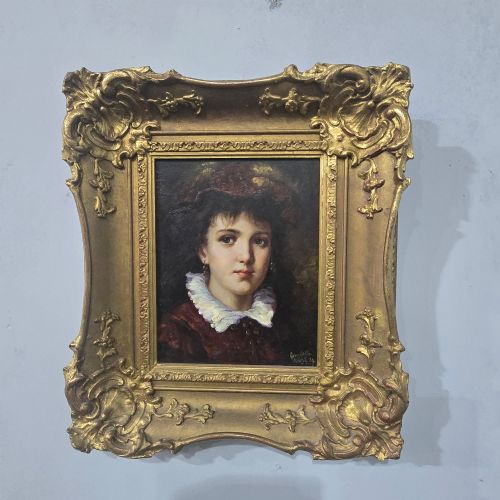
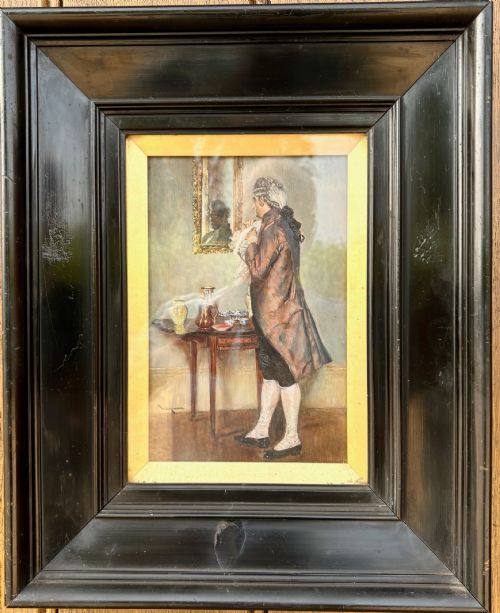
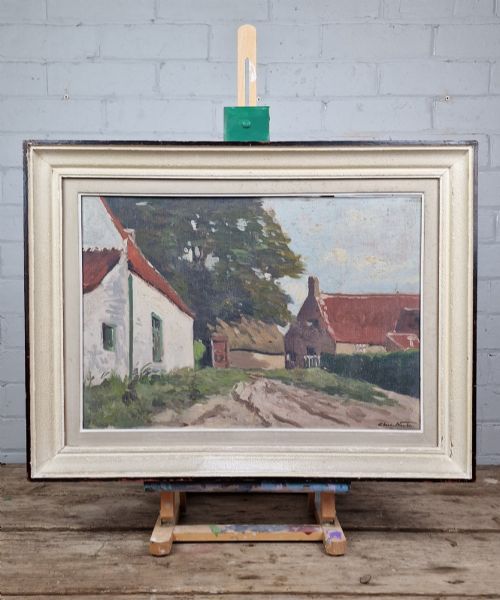
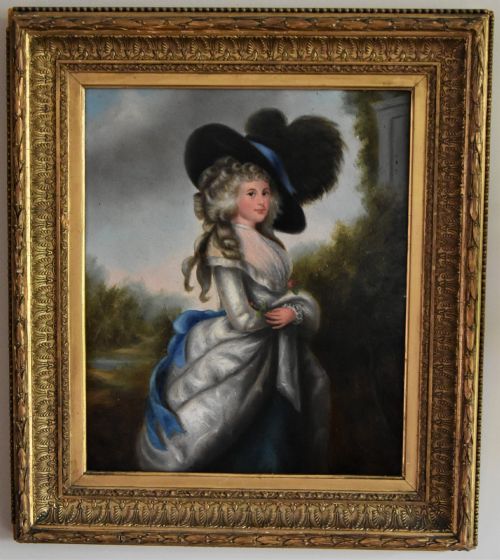
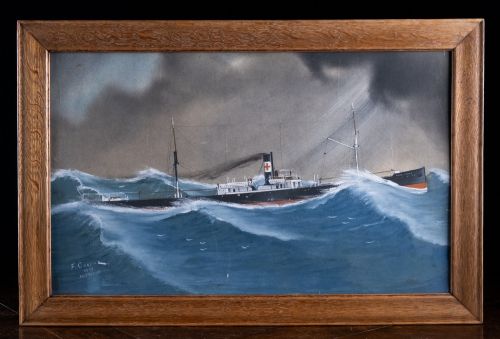
Antique Oil on Board
Discover genuine antique oil on board works, offering rich textures and intimate scales from past centuries for any collector.
Antique Oil on Board
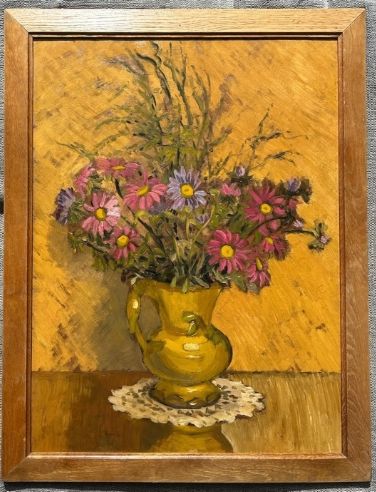
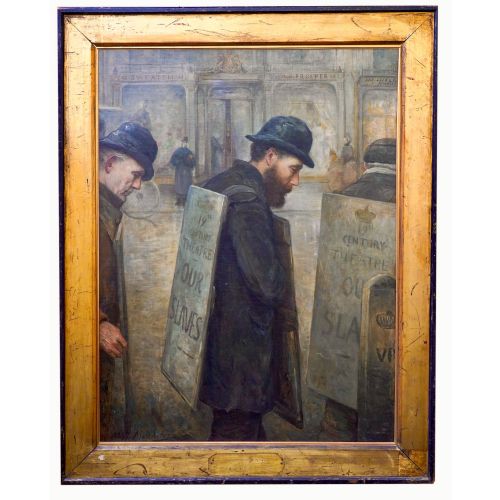
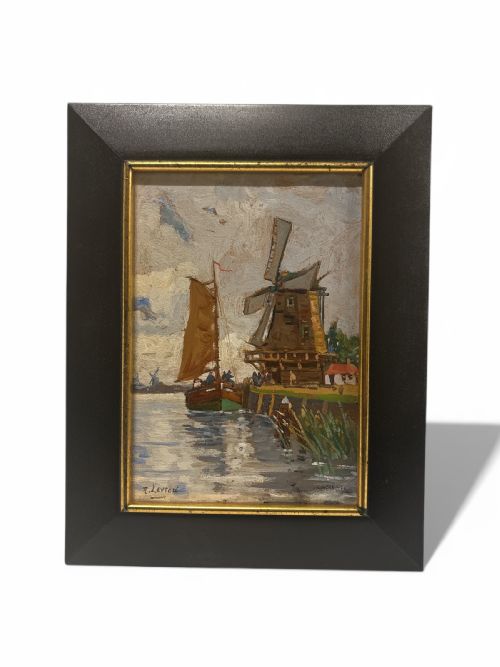
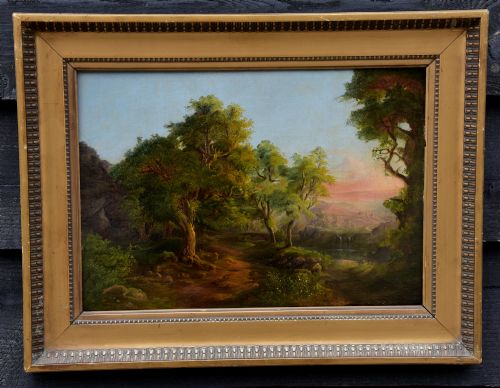
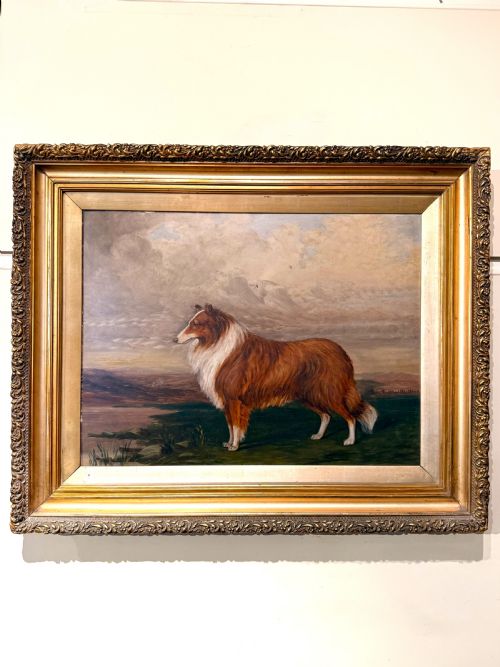
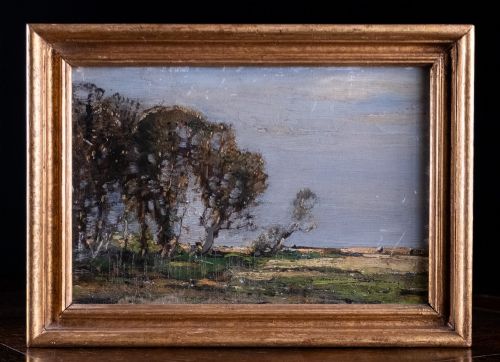
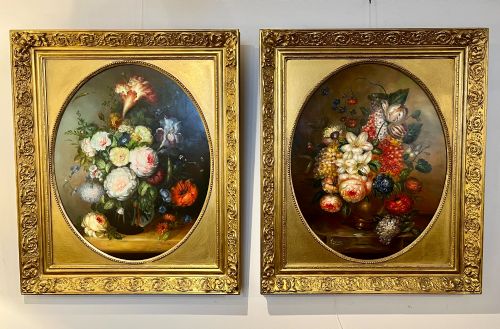
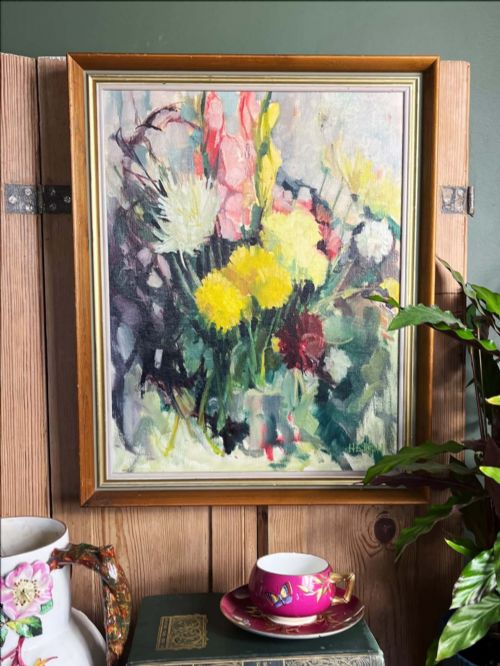
When you search for antique oil on board, you encounter intimate painted works executed on rigid supports rather than stretched canvas. These pieces span from the Georgian era through the Victorian period and into the early twentieth century, capturing landscapes, portraits, and still lifes.
The selection frequently includes nineteenth-century British and European rural scenes, maritime views, and botanical studies. Smaller panels offer a direct window into the working methods of academic and plein-air painters of past eras.
Collectors find both framed works and unframed panels, ranging from rapid compositional sketches to highly finished studio exhibition pieces. The rigid substrate provides stability that often preserves pigment layers remarkably well over the decades.
How They Were Made
Artists applied oil paint directly onto prepared wooden panels, millboards, or canvas laid down onto supportive boards. These rigid supports were often coated with gesso or priming layers to ensure proper adhesion and luminosity for the pigments.
Brushwork varies from smooth, highly detailed academic rendering to vigorous impasto applied with palette knives during the impressionist movements. Many works retain original gilt frames or decorative wooden surrounds applied by the studio or contemporary framers.
Antique Oil on Board Retail Price Guide 2026
Typical asking prices for oil on board among the pieces listed under this phrase on Sellingantiques today, from the lower quarter to the upper quarter. They describe what is for sale here now, not the wider market.
Materials documented across these artworks include oil paint, prepared boards, wood panels, gilt frames, and gesso grounds.
What Varies in Quality
Quality rests upon the confidence of the brushwork, the subtlety of the colour palette, and the accuracy of anatomical or architectural drawing within the composition. Master painters captured atmospheric light and spatial depth with immense economy of stroke.
The condition of the pigment layer, stability of the underlying board, and presence of original framing elements significantly influence the integrity of the piece. Works retaining clear artist signatures, exhibition labels, or documented provenance command particular attention.
Felix Stone Moscheles·Kershaw Schofield·Charles Houben·John Moore of Ipswich·Alexander Jamieson·Philip Rideout·T C Hofland·George Morland·Allan Douglas Davidson·William JB Jenkins
The Antique Oil on Board Glossary
- Oil on board
- A painting executed with oil-based pigments upon a rigid backing material such as millboard, wood panel, or thick card. This medium offers a firm surface that prevents the flexing associated with stretched canvas.
- Impasto
- Paint applied thickly to a surface, leaving visible brush or palette knife marks that stand proud of the plane. This technique adds tactile dimension and captures glancing light across the composition.
- Gesso
- A traditional white paint mixture consisting of a binder mixed with chalk, gypsum, or pigment, used to prepare rigid panels for painting. It creates a smooth, absorbent ground for oil layers.
- Plein air
- The nineteenth-century practice of painting outdoors directly from nature to capture transient effects of light and atmosphere. Artists favoured portable board supports for this immediate method.
- Provenance
- The documented history of ownership and exhibition of an artwork from its creation to the present day. Clear provenance authenticates the attribution of the piece.
Antique Oil on Board: Frequently Asked Questions
Why did artists paint on board instead of canvas?
Boards provided a rigid, portable, and economical surface that required no complex stretching. This made them ideal for outdoor sketching trips and rapid studio studies.
Many artists also preferred the smooth resistance of a solid panel over the springy bounce of woven canvas.
How do I identify the date of an oil on board painting?
Dating relies upon examining the type of board support, framing style, pigment composition, and any signatures or inscriptions on the reverse. Victorian and Edwardian works often display specific framing styles and label remnants.
Comparing brush technique with known examples from specific artistic periods helps narrow down the decade of creation.
Can I reframe an antique oil painting safely?
Original frames contribute historical context and aesthetic balance, but framing can be updated if the current mount threatens structural preservation. Any new frame must accommodate the exact depth and expansion characteristics of the board without pinching the edges.
Retaining the original frame separately preserves the complete history of the artwork for future collectors.