



Antique Oil Miniature
An antique oil miniature brings centuries of portraiture into intimate scale, offering small-format paintings executed with remarkable brushwork.
Antique Oil Miniature
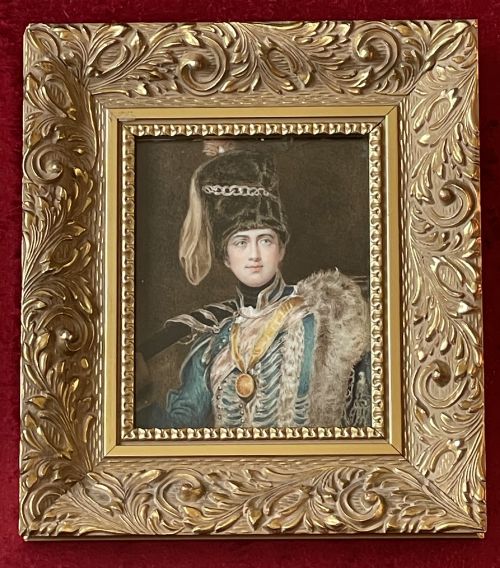
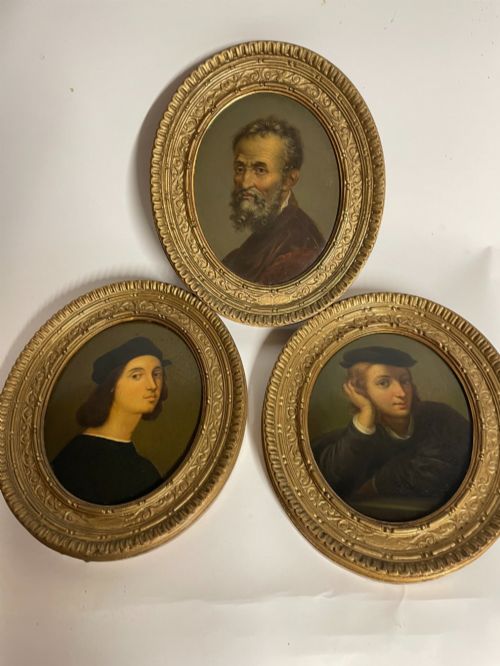
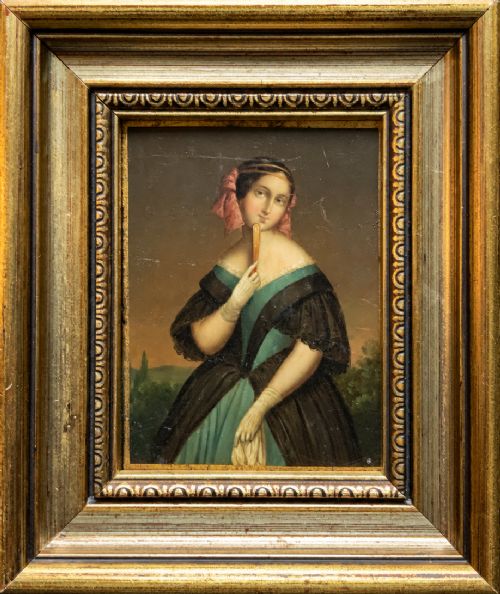
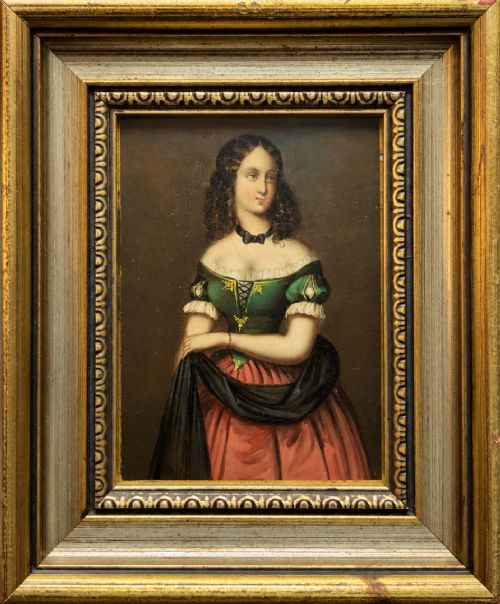
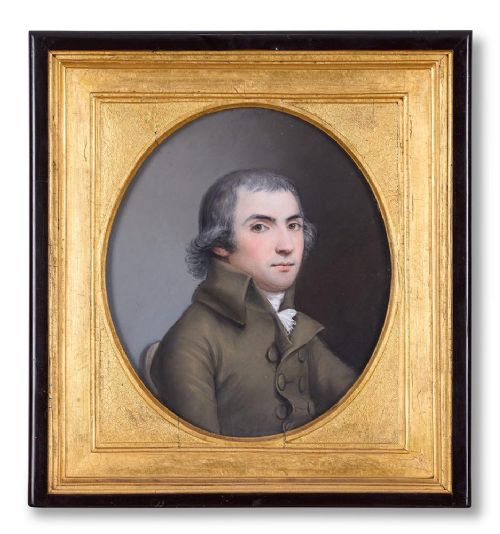
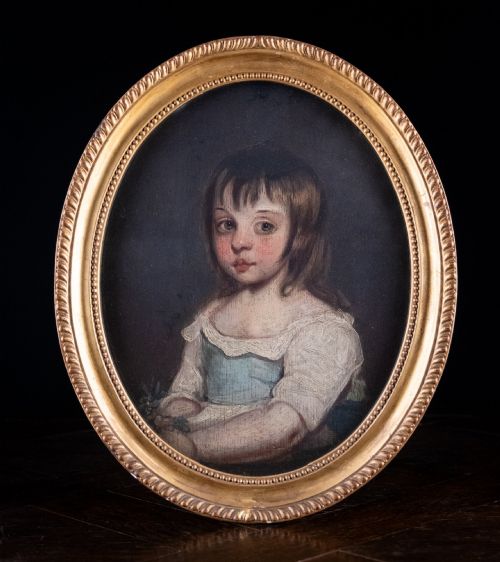
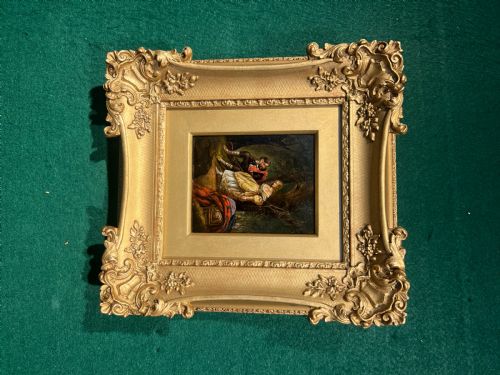
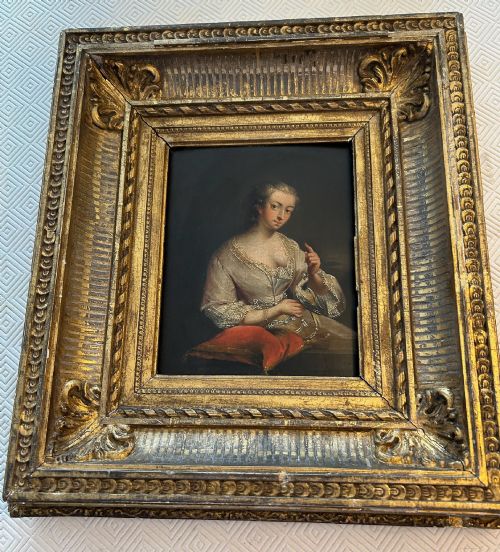
An antique oil miniature typically presents a portrait painting executed on a small scale, ranging from individual likenesses of gentlemen and ladies to narrative scenes. The items gathered under this phrase include framed portrait miniatures, river landscapes, and classical depictions spanning multiple centuries.
Most examples you will encounter on this page date from the eighteenth and nineteenth centuries, including Georgian and Regency periods. These small works capture sitters, historical figures, and mythical subjects with striking presence despite their diminutive dimensions.
Beyond intimate portraits, the selection encompasses decorative pairs, romantic ruins, and still life compositions. The makers range from named European artists and continental schools to regional British painters working in oil on board or copper.
How they were made
Many surviving pieces retain their period framing, incorporating materials such as gilt wood, glass, and gesso to protect the delicate paint surface. The integration of gold leaf accents enhances the visual depth of the miniature composition.
Antique Oil Miniature Retail Price Guide 2026
Typical asking prices for oil miniature among the pieces listed under this phrase on Sellingantiques today, from the lower quarter to the upper quarter. They describe what is for sale here now, not the wider market.
Listings feature works spanning from the seventeenth century through the Victorian era, executed on wood, copper, and prepared board.
What varies in quality
The distinction between ordinary and exceptional works rests upon the precision of the brushwork and the psychological depth of the portraiture. Master painters achieved lifelike expressions and convincing drapery even on surfaces measuring only a few centimetres across.
The preservation of the original paint layer and the integrity of the secondary support heavily influence the standing of a piece. Finer examples retain their original surface tension without excessive overpainting, housed within period frames that complement the scale of the artwork.
Anna Tonelli·Jean-Baptiste van Loo·William Egley·Louis Léopold Boilly·Adriaen Van der Werff·Sir Peter Lely·John Scougall·George Clint·Francis Alleyne
The Antique Oil Miniature Glossary
- Oil on copper
- A technique where pigment is applied directly to a thin sheet of polished copper. This surface provided a remarkably smooth ground that preserved vibrant colour over centuries.
- Miniature painting
- A small-format artwork executed with extreme precision. These works demand microscopic attention to detail compared to full-scale canvases.
- Gilt wood
- Timber carved and coated with a thin layer of gold leaf or gold powder. This material defined the ornate presentation frames typical of Georgian and Regency periods.
- Gesso
- A plaster-like mixture applied to wood panels or frames to create a smooth surface for gilding or painting. It formed the foundational layer for decorative mouldings.
- Continental school
- A term used to designate European artists working outside of Britain. It groups together diverse regional traditions from France, Italy, and the Netherlands.
Antique Oil Miniature: Frequently Asked Questions
How were antique oil miniatures displayed?
These small paintings were typically hung in intimate rooms, private studies, or bedchambers where viewers could examine them closely. Their portable scale also allowed owners to carry likenesses of family members during travel.
Over time, many were fitted with specialised frames or kept in protective display cases to safeguard the delicate paint surface from dust and handling.
What is the difference between watercolour miniatures and oil miniatures?
Watercolour miniatures on ivory or paper generally required a protective convex glass and brass bezel, often worn as jewellery or kept in hinged cases. Oil miniatures were painted on sturdier supports like wood, board, or copper.
Because oil paint is more robust than watercolour, oil miniatures were usually framed more like standard paintings, albeit on a fraction of the scale.
How do I identify the period of an oil miniature?
Dating relies heavily on the sitter's costume, hairstyle, and the style of the frame. Georgian and Regency portraits often feature distinctive neckwear, coats, and powdered or natural hair fashions that align with documented portraiture conventions.
Examinations of the reverse side can also reveal period inscriptions, artist signatures, or stamps on the wood and copper supports that confirm the era of creation.
Did trained masters paint miniatures?
Many accomplished portraitists painted on a small scale alongside their large canvas commissions. Academically trained artists utilised the same pigment preparation and glazing techniques for miniatures as they did for life-sized works.
Attributions in listings often connect unsigned works to specific schools or circles of known painters who practiced this demanding specialty.