




Antique Oil Cigar Lighter
An antique oil cigar lighter brings miniature sculpted form and steady flame to the smoking room, offering a tactile piece of Victorian and Edwardian ritual.
Antique Oil Cigar Lighter
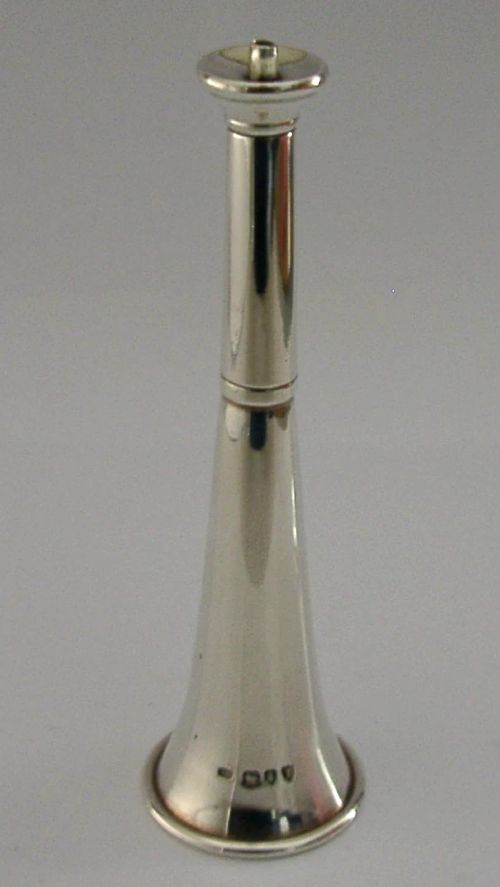
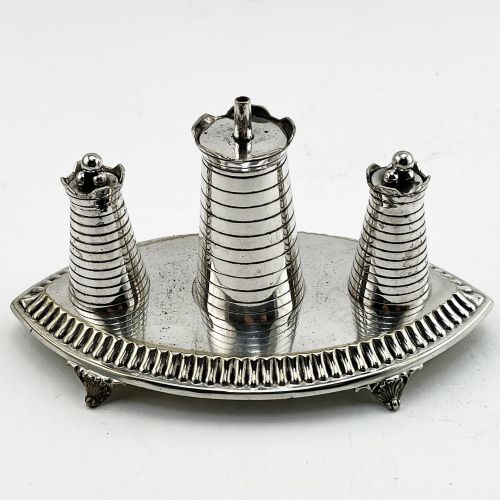
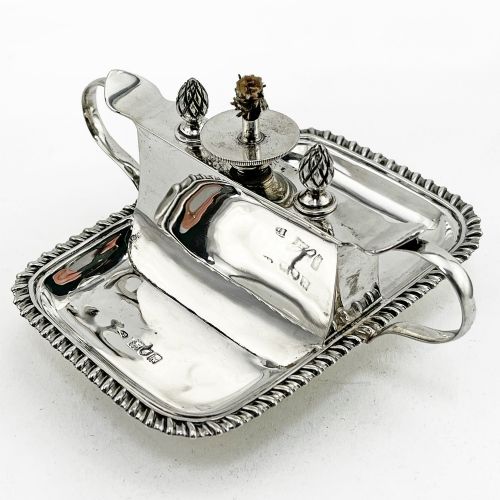
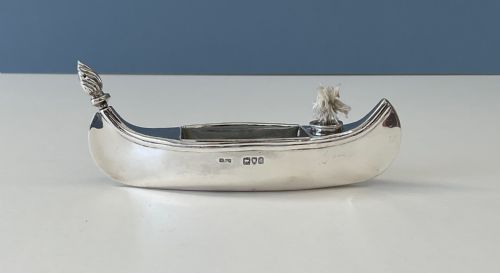
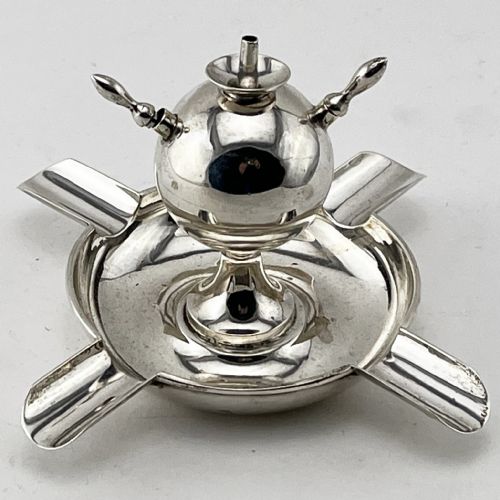
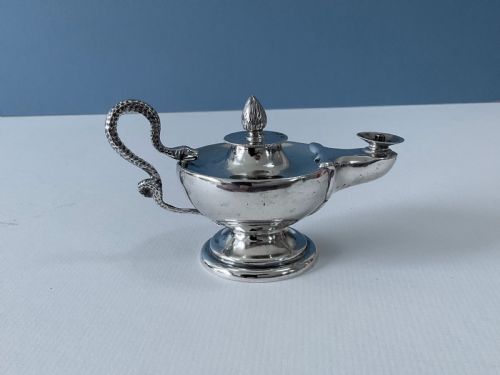
An antique oil cigar lighter takes many forms on this page, appearing as table lighters, smoking accessories, and cigar lighters designed for the Victorian and Edwardian interior. These pieces function as small oil lamps intended specifically for lighting cigars rather than indoor illumination.
The selections span distinct periods including the Victorian and Edwardian eras, reaching into the 1920s and 1930s. Buyers will find novelty shapes such as horns, canoes, and oil lamps alongside classical revival styles.
How they were made
Makers utilised sterling silver and silver plate over base metals, shaping the metal into complex novelty forms like hunting horns and canoes. Cotton and fabric wicks feed oil from the internal reservoir to sustain the flame.
Designers incorporated materials such as horn alongside brass and nickel silver to build durable smoking accessories. Workshops applied classical revival and art nouveau aesthetics directly to the metalwork.
Materials span sterling silver, silver plate, horn, brass, and nickel silver, paired with fabric wicks.
What varies in quality
The standard of execution in the chasing and engraving separates ordinary table lighters from exceptional ones. Finer pieces show crisp detail in novelty forms like fox hunting horns or architectural castle designs.
Weight and metal gauge distinguish substantial sterling silver items from lighter silver-plated wares. The integrity of the original wick mechanism and fuel reservoir also influences the standing of a piece.
Braham·Goldsmith & Silversmith·Jan Eisenlöffel·WMF·Comyns·Elkington
The Antique Oil Cigar Lighter Glossary
- Sterling silver
- A silver alloy containing 92.5 percent pure silver by mass, frequently used for high-end table lighters. This standard metal guarantees durability and polish.
- Silver plate
- A layer of silver applied to a base metal core such as brass or nickel silver. It offers the appearance of solid silver at a different scale of production.
- Novelty lighter
- A smoking accessory shaped to resemble an unrelated object, such as a hunting horn, canoe, or classical oil lamp. These whimsical items were popular in the Victorian period.
- Fabric wick
- The cotton or fibrous cord that draws oil up from the reservoir to sustain the flame. Original wicks add authenticity to vintage smoking equipment.
- Classical revival
- A design movement drawing inspiration from the art and architecture of ancient Greece and Rome. This style appears frequently in lamp-form table lighters.
Antique Oil Cigar Lighter: Frequently Asked Questions
How do you use an oil cigar lighter?
Fill the internal reservoir with lamp oil and allow the cotton or fabric wick to absorb the liquid. Light the exposed tip of the wick to produce a steady flame for your cigar.
Extinguish the flame by placing a snuffer cap over the wick or starving it of oxygen. Keep the vessel upright on a table when not in use to prevent oil leaks.
What periods do these lighters come from?
The pieces originate primarily from the Victorian and Edwardian eras, with additional examples spanning the 1920s and 1930s. Styles shift from ornate Victorian novelty designs to cleaner art nouveau and art deco lines.
Dating a piece relies on hallmarks stamped into the silver and stylistic cues from the specific revival movement it represents. Mid-century examples are absent from this particular grouping.
Are these lighters made of solid silver?
Many items feature sterling silver construction, while others consist of silver plate over base metals like brass or nickel silver. Hallmarks on the metal will typically verify the silver standard used by the maker.
Weight and finish also help differentiate solid precious metal from plated alternatives. Both solid and plated versions were common in period smoking rooms.
How should I display a table lighter?
Place the lighter on a desk, sideboard, or smoking table where its sculptural form can be appreciated as a decorative object. Novelty shapes like horns and miniature lamps serve as effective conversation pieces.
Ensure the reservoir is drained if you choose to display the item permanently without using it. This protects the interior and prevents accidental spills on antique surfaces.