




Antique Ocean Landscape Art
Antique ocean landscape art captures the drama and light of coastal waters, bringing historical maritime scenes and moody shorelines into modern rooms.
Antique Ocean Landscape Art
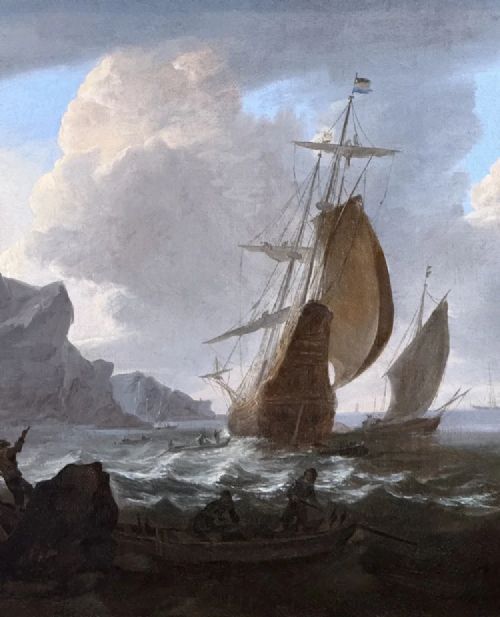
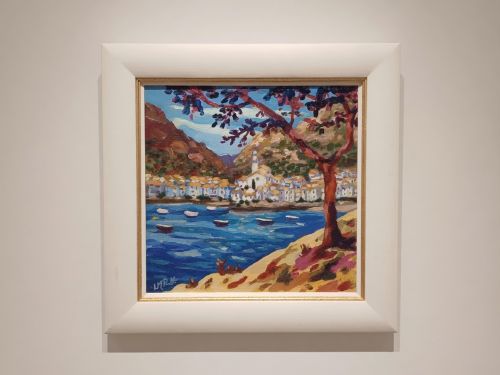
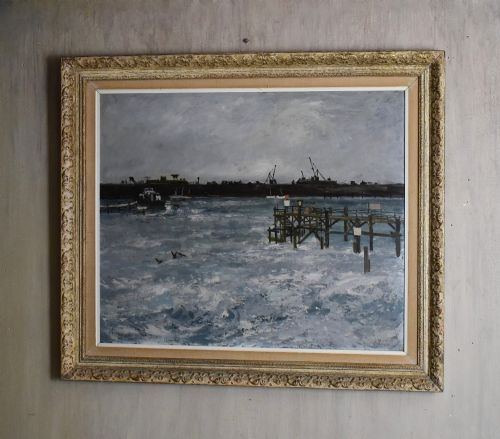
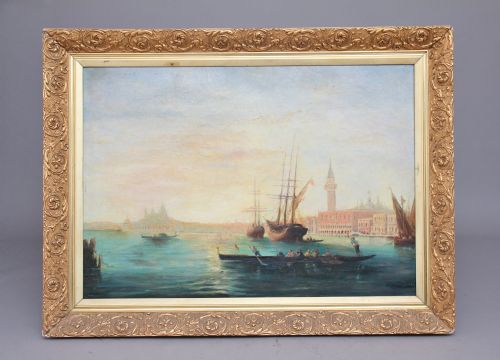
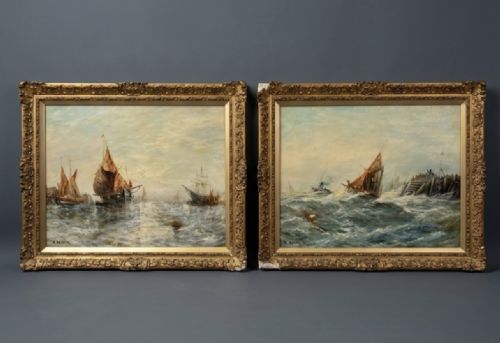
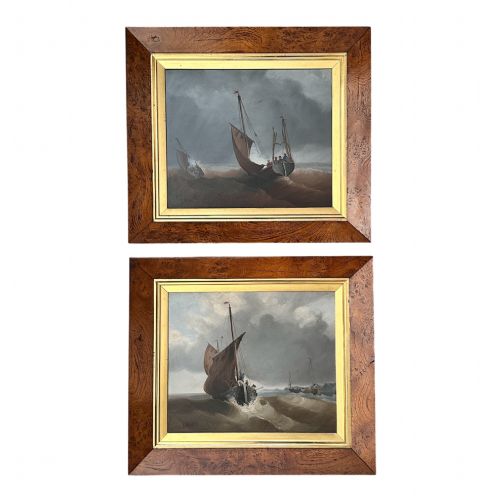
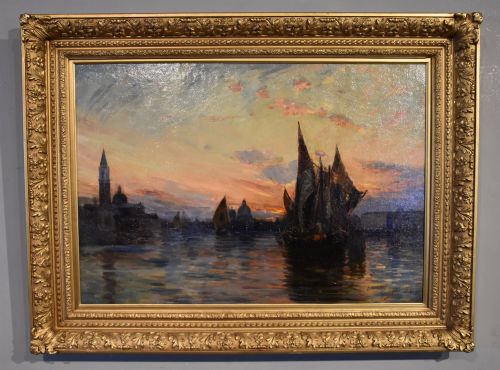
When you search for antique ocean landscape art, you are looking at paintings that record the movement of water, the changing weather of the coast, and the daily work of maritime communities. These works capture everything from calm Venetian lagoons to dramatic shipwrecks in heavy gales.
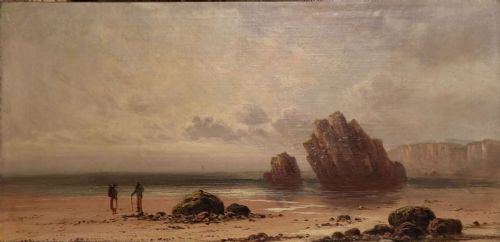
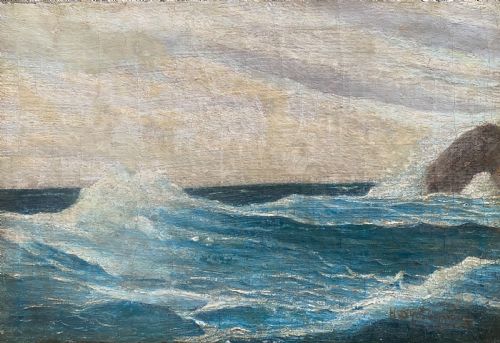
You are most likely to meet 19th-century and early 20th-century examples on this page. The selections span detailed Victorian watercolours of Cornish harbours and atmospheric oil paintings on canvas depicting Dutch boats or rugged sea stacks.
The subjects range from quiet local scenes featuring fishing vessels to expansive views of the open sea under moonlight or bright sun. They reflect a long artistic fascination with capturing the untamed character of coastal environments.
Materials and methods
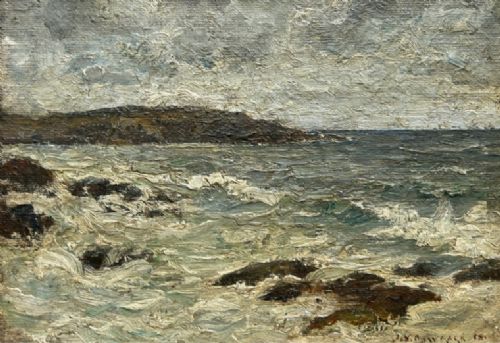
Artists painted these coastal scenes primarily with oil paint on canvas or board, and with watercolour on paper. Oil allowed for heavy impasto and rich textures to build up the heavy movement of waves, while watercolour offered translucent layers for calm skies and shifting light.
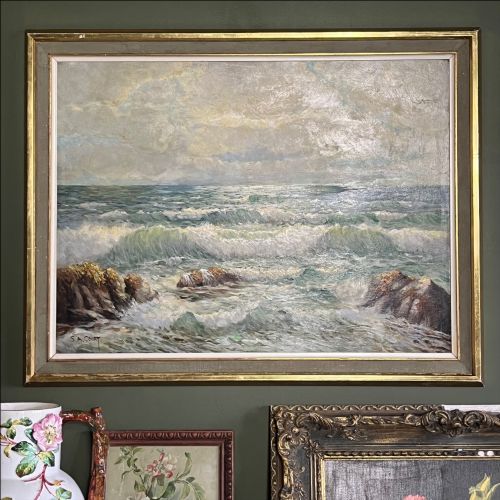
Many works are housed in original wooden and gilt frames that complement the period of the painting. Gold leaf accents on frames highlight the tonal qualities of the marine scenes contained within them.
Factors that separate the range
The distinction between standard works and exceptional examples lies in the artist's ability to render the weight and motion of water convincingly. Superior paintings demonstrate a confident handling of light reflecting off choppy seas and stormy skies.
Provenance and attribution also elevate certain pieces, particularly those bearing the signatures of established marine painters or documenting specific historical vessels and coastal locations with precision.
Reginald Arthur Borstel·John E. Aitken·William Banks Fortescue·Bonaventura Peeters·John Moore of Ipswich·George Stanfield Walters·Henry Barlow Carter·John Moxon·Charles William Adderton·Gustave De Bréanski·William Greaves·Charles Malfroy·Abraham Hulk Snr·Charles Sim Mottram·Hendrik Willebrord Jansen·John Bell·Roger de la Corbiere·Claude Thomas Stanfield Moore·Kate E Booth·Sir David Murray·E Tucker·Percy Brooke
The Antique Ocean Landscape Art Glossary
- Impasto
- Paint applied thickly to a canvas so that it stands out from the surface. This technique gives texture and physical presence to churning waves and sea foam.
- Seascape
- A work of art depicting the sea. These compositions often focus on the ocean itself rather than the land from which it is viewed.
- Gilt wood
- Wood that has been treated with a thin layer of gold leaf. Frames finished in this manner were commonly used for nineteenth-century oil paintings.
- Sea stack
- A geological landform consisting of a steep and often vertical column or columns of rock in the sea. They appear frequently as dramatic focal points in nineteenth-century coastal views.
Antique Ocean Landscape Art: Frequently Asked Questions
How do I care for an oil painting on canvas?
Keep the artwork away from direct sunlight and fluctuating temperatures to prevent the canvas from warping or the oil paint from cracking over time.
Dust the surface gently with a soft, dry brush and avoid using water or chemical cleaning agents on the paint layer.
What is the difference between a seascape and a landscape?
A seascape focuses primarily on the ocean, coastal waters, and marine activity, whereas a landscape depicts inland scenery like forests, mountains, and fields.
Many antique maritime works bridge the two genres by showing figures on a beach looking out toward the water.
How can I tell a Victorian marine painting apart from a later work?
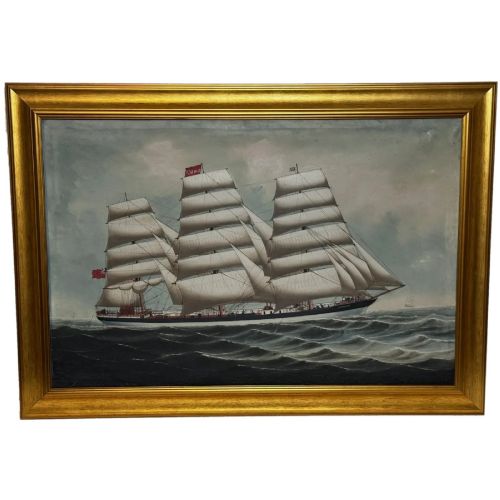
Victorian marine paintings often feature meticulous detail in rigging and atmospheric effects like mist or dramatic gale conditions, reflecting a nineteenth-century fascination with maritime trade and naval power.
Later twentieth-century works frequently employ looser brushwork and a greater emphasis on abstract light and colour over strict topographical accuracy.
Where were these coastal scenes typically painted?
Artists often travelled to active fishing ports, rugged cliffs, and sheltered bays along British and European coastlines to sketch and paint en plein air.
Locations such as Cornwall, Yorkshire, and the Dutch coast were particularly popular destinations for painters seeking varied maritime subjects.