




Antique Oak Vanity Seat
An antique oak vanity seat brings sturdy timber and period upholstery together into a compact dressing room staple.
Antique Oak Vanity Seat
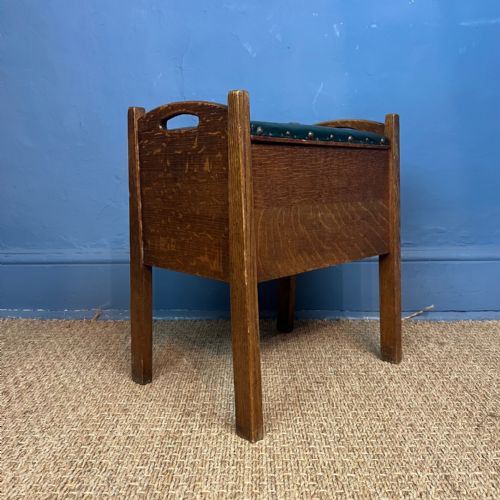
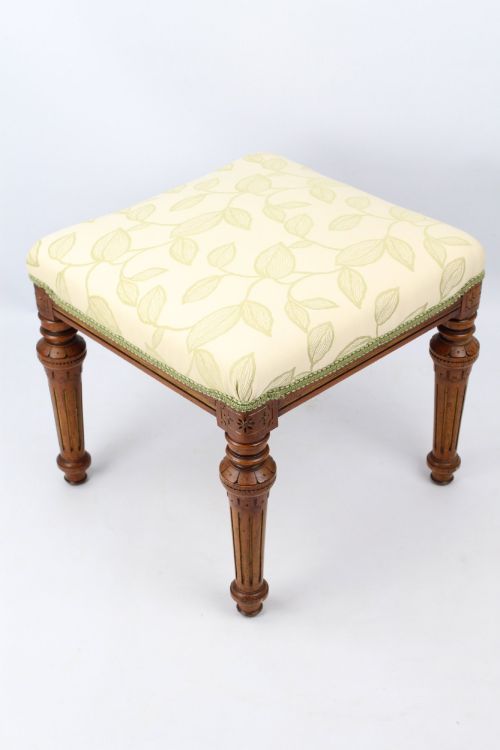
When you search for an antique oak vanity seat, you encounter compact seating designed specifically for dressing tables, bedrooms, and sitting rooms. These pieces combine a solid timber framework with padded seating pads upholstered in diverse textile coverings.
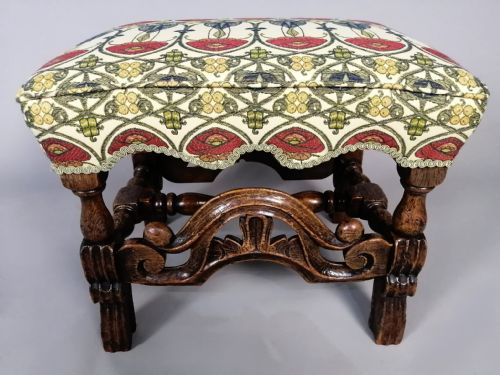
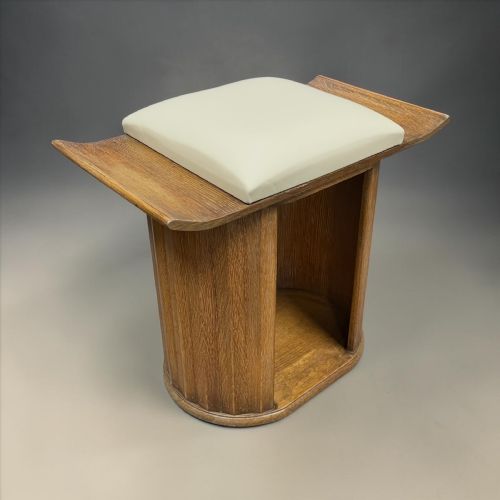
The versions you are most likely to meet on this page span the Victorian, Edwardian, and Art Deco periods, alongside specific revivals like the Carolean and Neoclassical styles. Forms range from simple drum shapes with internal storage to X-frame stools and slipper chairs.
Origins represented in the evidence include English workshops and French makers, utilising durable hardwoods to create functional furniture that still performs its original domestic role today.
Materials and construction methods
Construction relies heavily on solid oak timber, shaped through period joinery techniques to form sturdy frames, legs, and carved details. Some examples incorporate parcel gilt highlights or turned elements to add visual interest to the wooden structure.
Upholstery forms the other half of the construction, utilising traditional materials such as leather, damask, tapestry fabric, and tweed linen fixed over internal padding. Brass fixings and hidden storage compartments occasionally feature in specific drum-shaped or lidded designs.
Antique Oak Vanity Seat Retail Price Guide 2026
Typical asking prices for oak vanity seat among the pieces listed under this phrase on Sellingantiques today, from the lower quarter to the upper quarter. They describe what is for sale here now, not the wider market.
Upholstery materials seen across these pieces include leather, damask, tapestry, tweed linen, and standard textile fabrics.
Assessing quality in period vanity seating
Quality reveals itself in the crispness of the timber carving and the structural integrity of the oak frame. Pieces exhibiting hand-carved details or specific stylistic revivals often show a higher standard of joinery than utilitarian examples.
The choice and execution of the upholstery also dictate the overall standard, with traditional textiles like damask, leather, and tapestries reflecting the intended luxury of the original commission.
Gordon Russell·B. North and Son
The Antique Oak Vanity Seat Glossary
- Vanity seat
- A low seat or stool designed for use at a dressing table or vanity. These pieces are typically compact to fit neatly beneath furniture surfaces.
- X-frame stool
- A form of seating featuring intersecting diagonal legs that cross in the centre to support the upholstered top. This classic Neoclassical and Renaissance-revival shape offers inherent structural strength.
- Parcel gilt
- A decorative technique where specific carved details or mouldings on the oak surface receive a thin application of gold leaf. This creates contrast against the natural grain of the timber.
- Slipper chair
- A low-set upholstered chair with a short legs, originally designed for dressing rooms and bedchambers in the Edwardian era.
- Carolean revival
- A style popular in the nineteenth century that mimics the ornate carved woodwork and high-backed proportions of the seventeenth-century Restoration period.
Antique Oak Vanity Seat: Frequently Asked Questions
What is an antique oak vanity seat used for?
These pieces serve primarily as functional seating placed in front of dressing tables or washstands in bedrooms. Their compact dimensions allow them to tuck away neatly when not in use.
Beyond dressing rooms, collectors often place them in hallways or living spaces as occasional stools or footstools.
How do I identify the period of a vanity seat?
Dating relies on examining the stylistic clues, such as the clean geometric lines of Art Deco pieces or the elaborate carvings of Victorian and Carolean revival examples. Material choices and upholstery styles also point toward specific decades like the Edwardian era or the nineteen-thirties.
Construction marks and timber treatments further help place a piece within its historical context.
Can I reupholster a period vanity seat?
Reupholstering is a common practice that allows you to replace worn fabric while preserving the antique wooden frame underneath. Many owners choose textiles that complement their interior decoration scheme.
Retaining the underlying padding structure where possible helps maintain the historic integrity of the piece.
Are these seats suitable for daily use?
Solid oak construction provides the natural durability needed for everyday seating in modern homes. The robust timber frames handle regular weight without losing structural stability.
Checking the firmness of the internal padding ensures comfortable support for daily routines.