

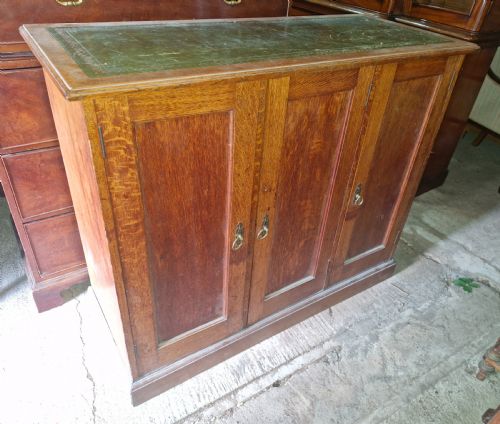
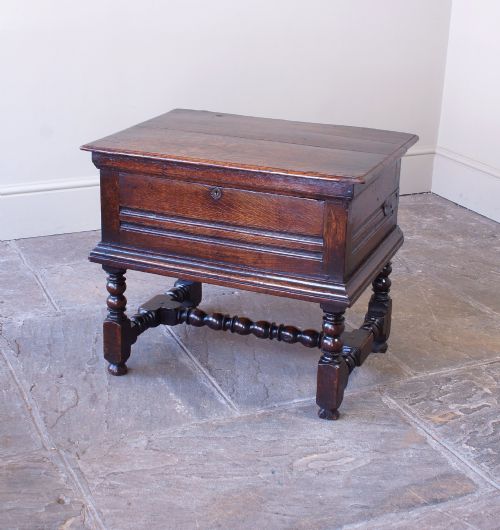


Antique Oak Side Chest
An antique oak side chest offers robust storage with deep grain character, spanning compact bedside tables to larger lowboards found across centuries.
Antique Oak Side Chest
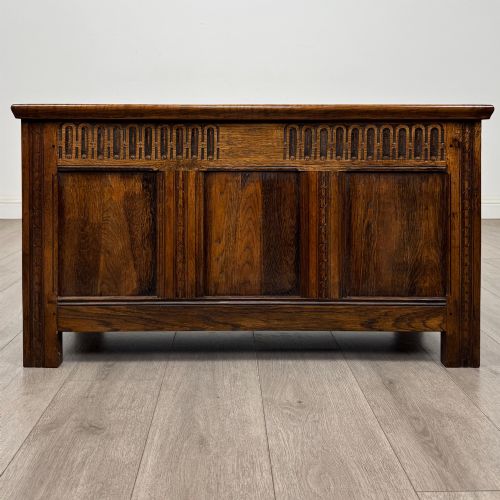
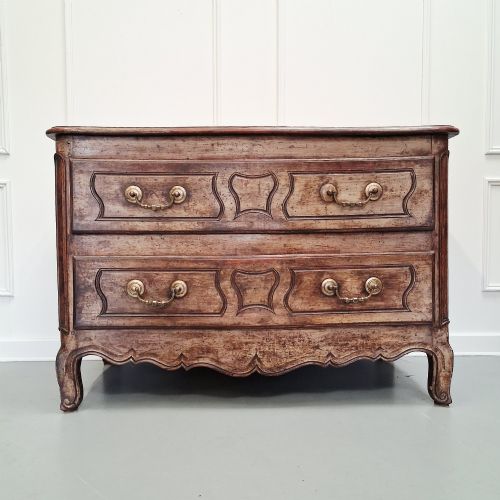
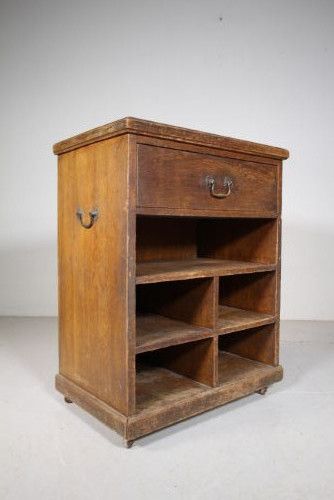
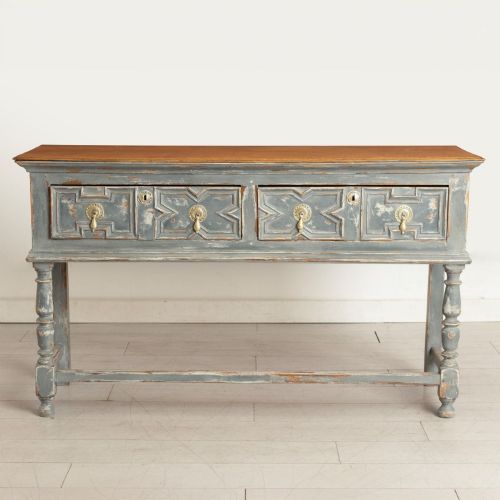
When searching for an antique oak side chest, you encounter a varied selection of functional storage pieces built from sturdy timber. The listings range from seventeenth-century box stools and press cupboards to nineteenth-century bedside cabinets and compact chests of drawers.
The pieces appearing most frequently combine utilitarian forms with domestic storage, such as bedside chests, lowboys, and small cupboards. These items derive from British and European traditions spanning the seventeenth, eighteenth, and nineteenth centuries, alongside revival pieces from the early twentieth century.
Makers and workshops utilised available local hardwoods, meaning structural forms adapt closely to the specific domestic needs of their period. You will find low side tables alongside tall commodes and mule chests designed to fit narrow spaces in historic interiors.
How they were made
Cabinet makers relied primarily on solid oak, supplemented occasionally by chestnut, mahogany, and cherry wood for specific panels or secondary framing. Joinery methods relied heavily on traditional mortise and tenon joints secured with wooden pegs, ensuring structural stability without relying on modern fasteners.
Surface treatments range from scrubbed raw timber to waxed polished finishes that highlight the natural medullary rays in the oak. Metal elements such as iron and brass hardware, hinges, and drawer pulls were hand-forged or cast, anchoring the timber framework securely.
Materials across the inventory include solid oak, brass fittings, scrubbed chestnut, and painted pine surfaces.
What varies in quality
Quality rests upon the selection of timber and the precision of the underlying joinery rather than surface ornamentation alone. Superior examples display quarter-sawn oak with tight, consistent grain patterns that resist warping over centuries of use.
The integrity of original backboards, drawer linings, and hardware distinguishes exceptional items from heavily restored or later assembled pieces. A well-preserved original finish retains a warm patina developed through decades of careful maintenance.
Heals
The Antique Oak Side Chest Glossary
- Lowboy
- A small table with drawers, typically raised on four legs, used historically as a dressing table or side table. It frequently appears in eighteenth-century walnut and oak.
- Mule chest
- A storage chest fitted with one or more drawers at the base, bridging the transition between a traditional coffer and a chest of drawers. Early examples date to the Georgian period.
- Box stool
- A primitive seat featuring a hinged lid that opens to reveal an internal compartment for storage. These compact items date back to the seventeenth century.
- Commode
- A low cabinet or chest of drawers designed for domestic bedchambers, often featuring serpentine or bombe shaping in French and Dutch traditions.
- Medullary ray
- A cellular ribbon of tissue radiating outward from the centre of a tree trunk, visible as decorative flecks or silver grain marks when oak is quarter-sawn.
Antique Oak Side Chest: Frequently Asked Questions
How do I use an antique oak side chest today?
These compact chests adapt readily to modern rooms as bedside tables, hallway storage units, or lamp stands beside seating.
Their shallow depths allow them to sit flush against walls in corridors or smaller reception spaces without obstructing walkways.
What period do most of these chests come from?
The available selection spans widely, featuring seventeenth-century joined pieces, eighteenth-century Georgian designs, and nineteenth-century Victorian variants.
Twentieth-century revival items built in older Jacobean styles also appear frequently alongside genuine period pieces.
How do I care for antique oak surfaces?
Maintain the timber by applying a traditional beeswax polish sparingly and buffing it with a soft cloth to preserve the natural sheen.
Keep the furniture away from direct heat sources and drastic humidity changes to prevent the solid oak panels from splitting.
How do I distinguish eighteenth-century oak from later revival pieces?
Examine the interior drawer construction, joint types, and timber shrinkage patterns to determine the true age of the piece.
Eighteenth-century examples often display hand-cut dovetails, irregular hand-planed board thicknesses, and pegged frame joints rather than machine-cut uniformity.