

Antique Oak Painting
An antique oak painting brings together solid timber and historic pigment, offering a tangible record of past centuries.
Antique Oak Painting
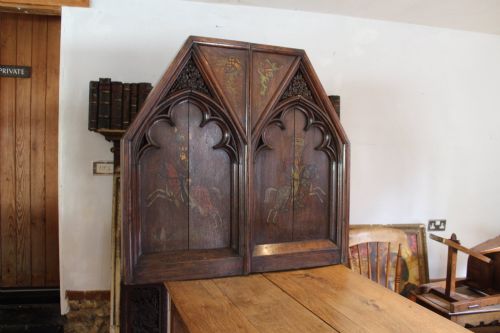
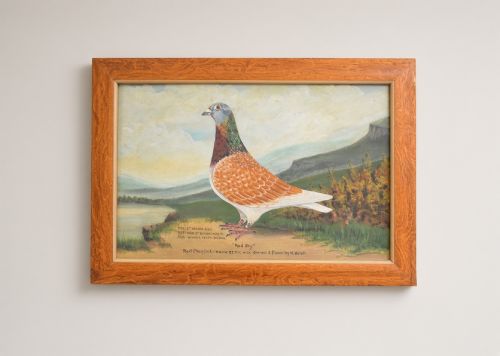
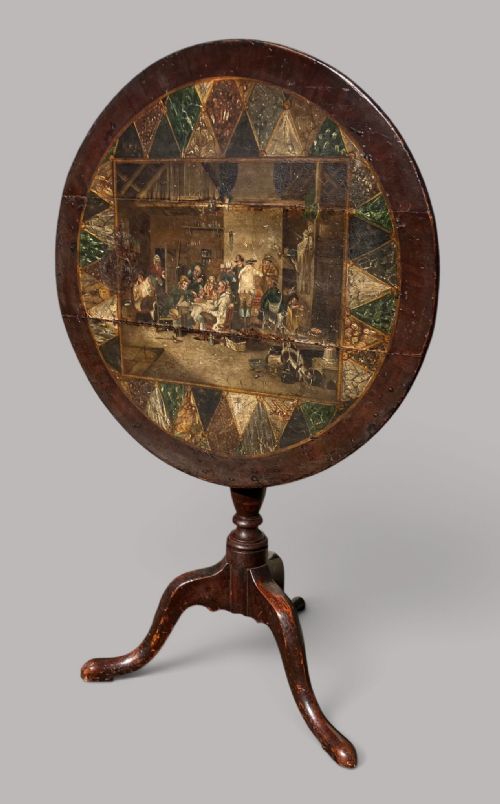
When searching for an antique oak painting, buyers encounter works executed directly on timber panels alongside framed watercolours, oils on canvas, and decorated furniture surfaces. The inventory spans from the seventeenth century through the Georgian and Victorian eras, reflecting diverse regional traditions across Britain and continental Europe.
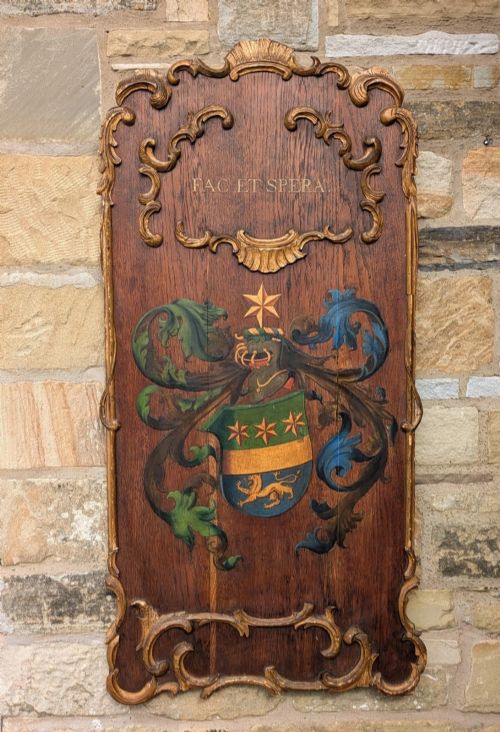
Early examples include seventeenth-century portraits painted straight onto sturdy oak boards, while later items incorporate painted finishes on pine, mahogany, and oak furniture. Pieces range from detailed landscape watercolours in oak frames to heraldic panels and devotional art.
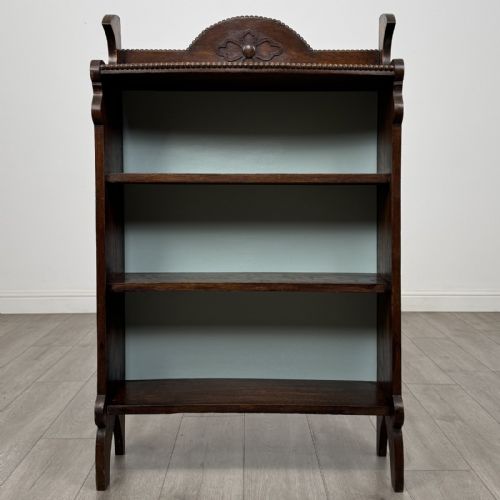
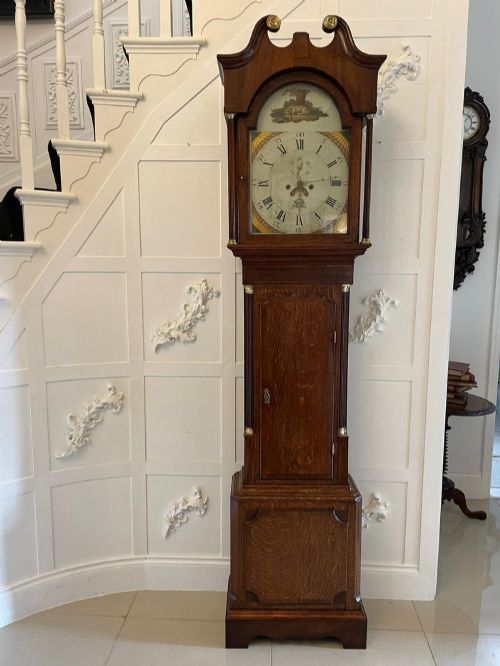
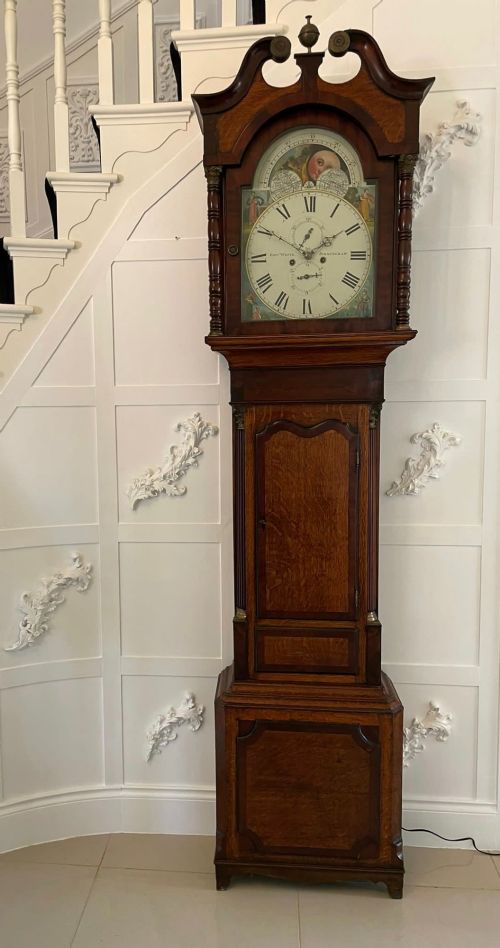
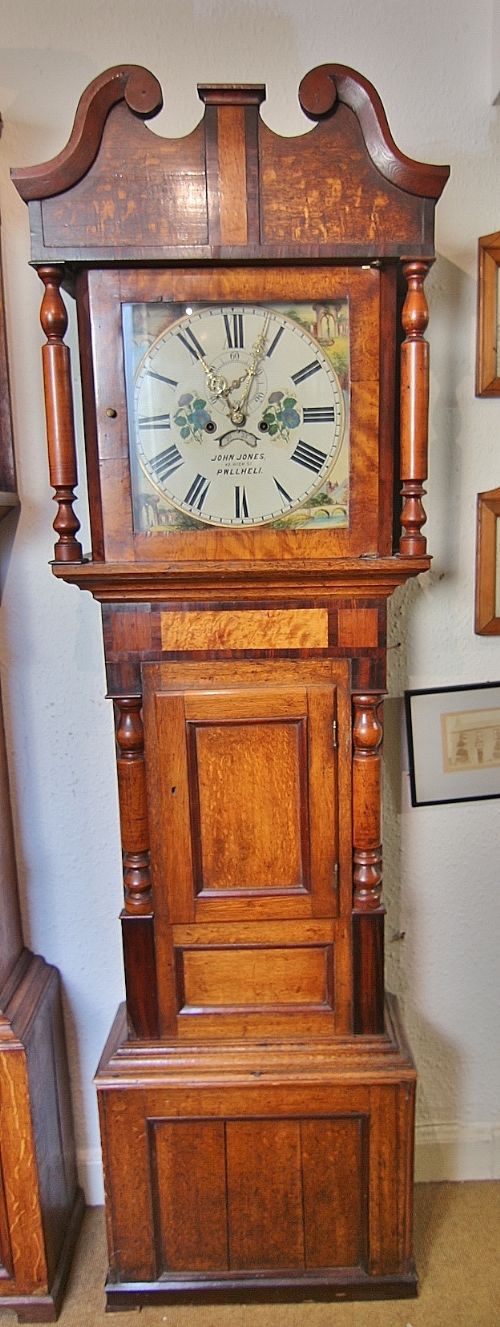
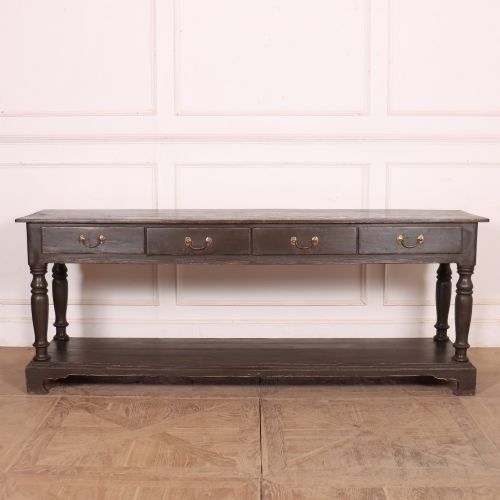
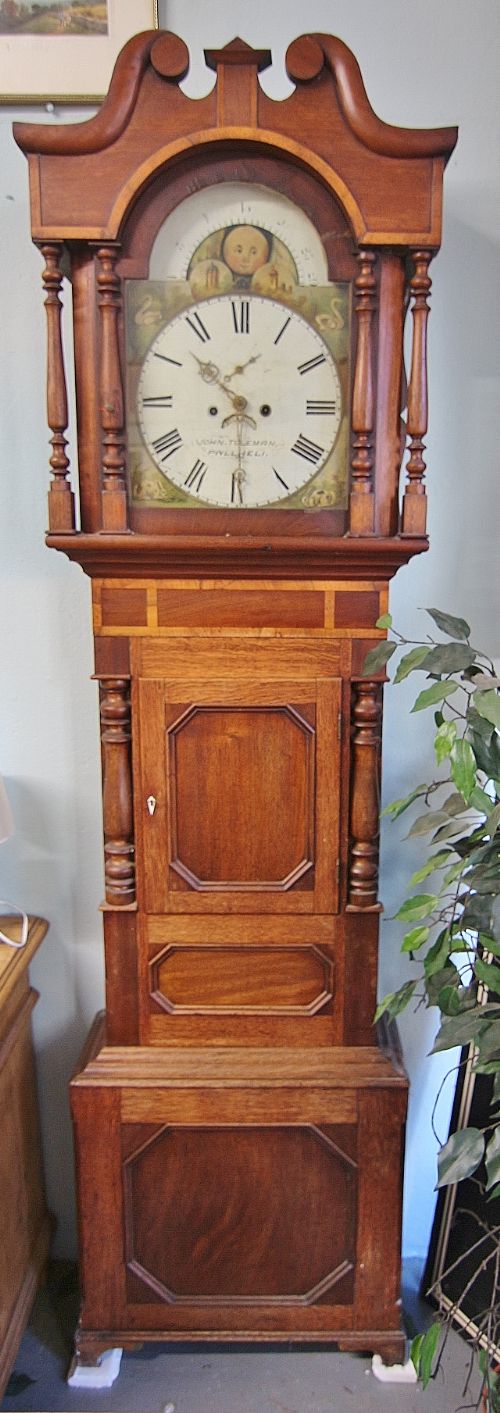
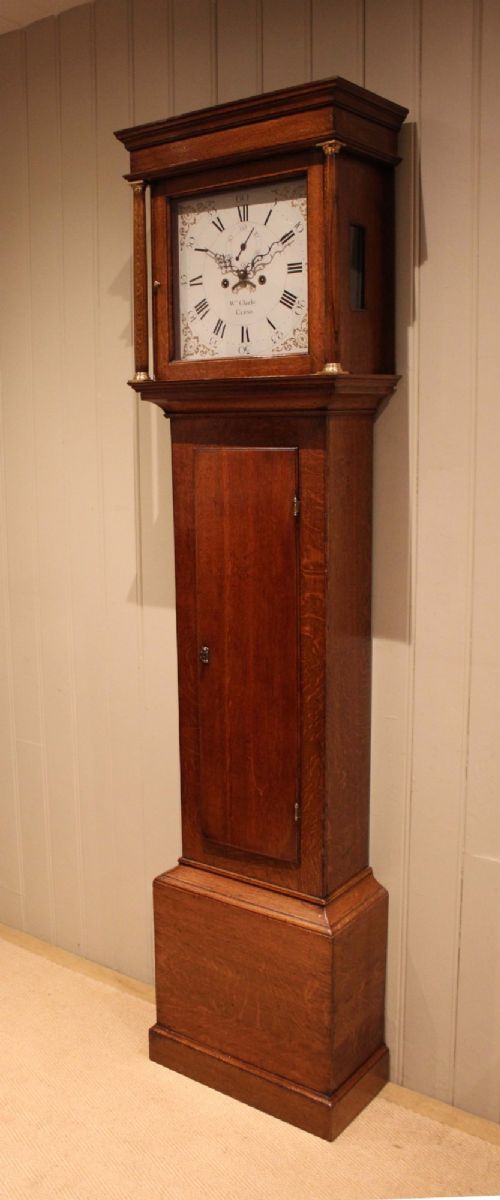
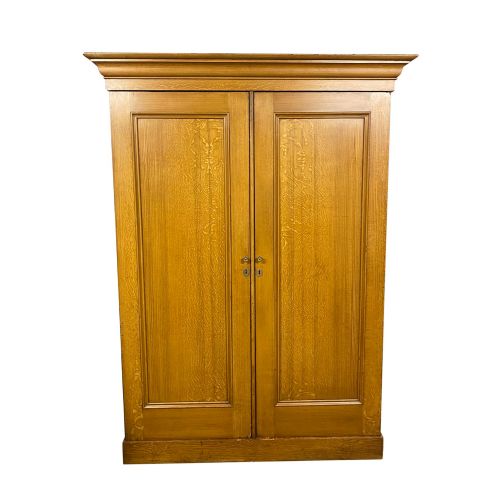
The assortment bridges fine art and functional woodwork, capturing everything from academic portraits by named artists to naïve vernacular pieces. Buyers find domestic items such as dressers, chests, and longcase clocks alongside standalone canvases and panels.
Materials and construction
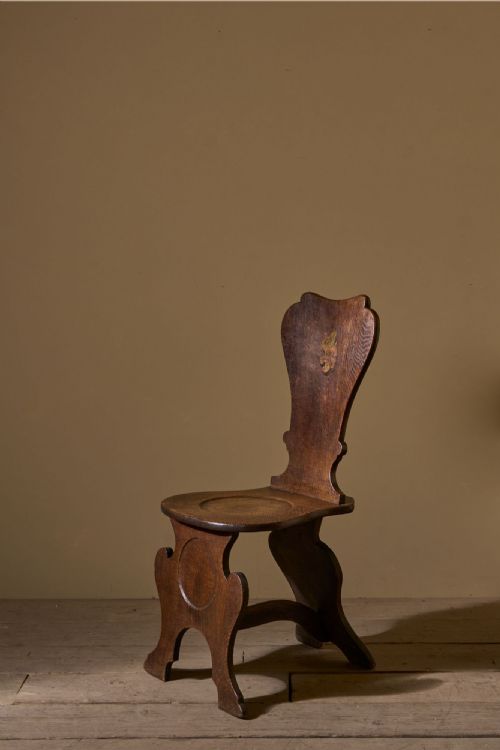
Makers utilised dense native oak for structural panels and furniture frames, providing a stable surface for oil pigments, gesso, and protective glazes. Iron hardware, brass dials, and carved details completed these constructions.
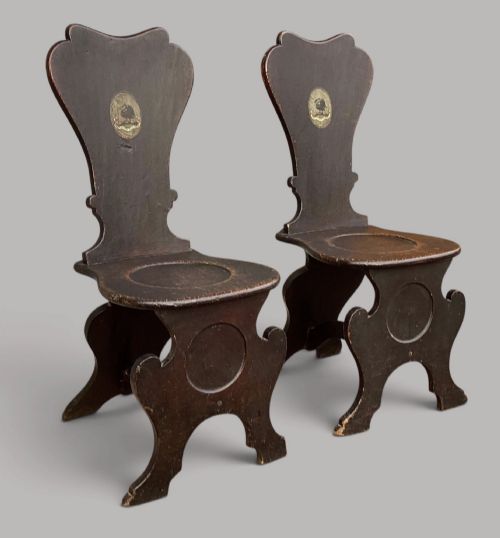
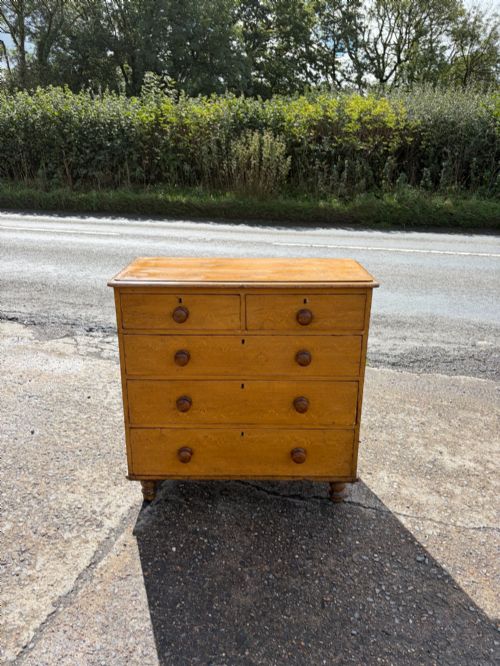
Artisans applied hand-mixed oil paints, watercolours, and polychrome finishes directly to prepared wood or canvas substrates. Techniques such as scumble graining and faux painting were also employed to simulate richer timbers on simpler pine bases.
Antique Oak Painting Retail Price Guide 2026
Typical asking prices for oak painting among the pieces listed under this phrase on Sellingantiques today, from the lower quarter to the upper quarter. They describe what is for sale here now, not the wider market.
Listings feature works spanning the 17th century to the 1930s, incorporating oak, pine, mahogany, and painted glass.
Assessing craftsmanship
Superior execution shows in the precision of the brushwork and the stability of the support material, whether an evenly quarter-sawn oak panel or a finely stretched canvas. Hand-carved details and original painted surfaces retain their clarity without excessive modern intervention.
The harmony between the artwork and its frame contributes significantly to a piece's integrity. Original iron hardware, untouched scumble paintwork, and legible historic inscriptions elevate individual items above heavily restored alternatives.
Walker of Nantwich·Edward White Birmingham·Bernard Hailstone·Frederick Marriott·TB Hardy·Bonomi Edward Warren
The Antique Oak Painting Glossary
- Scumble
- A translucent layer of paint dragged over a lighter base colour to create texture and depth. This technique produced simulated wood grains on alternative timbers.
- Panel painting
- A painting executed on a flat piece of wood rather than canvas. Oak was frequently utilised for this purpose in early European works.
- Polychrome
- Decorated in several colours. This term describes painted wooden sculptures, cupboards, and architectural elements.
- Varnishing
- The application of a protective resin coating over a finished painting. It seals the pigment layer and alters the surface gloss.
- Provenance
- The documented history of ownership surrounding an artwork or antique. It establishes authenticity and traces the piece through time.
Antique Oak Painting: Frequently Asked Questions
What is an oak panel painting?
An oak panel painting is an artwork created directly on a prepared wooden board rather than on fabric canvas. These rigid supports were common in early European art before canvas became widely adopted.
The density and grain of the oak provided a durable surface for artists applying oil pigments and gesso grounds. Many seventeenth-century portraits and decorative panels survive in this format.
How do I care for painted wood?
Painted wood requires stable indoor humidity and protection from direct sunlight to prevent the timber from warping and the pigments from fading. Consistent environmental conditions preserve both the structural oak and the fragile paint layers.
Dusting should be performed gently with a dry, soft cloth without chemical polishes. Professional conservators should handle any cleaning of historic paint surfaces.
Are original frames important?
Original frames provide historical context and often show construction methods contemporary to the artwork or furniture piece. An oak frame matching the period of the painting completes the object's integrity.
Matching frames also ensure proper physical support for panels and canvases, preventing edge damage. Collectors value items that retain their initial mounting hardware.
How are periods identified?
Periods are determined by examining construction techniques, tool marks, joinery styles, and pigment composition. Eighteenth-century and nineteenth-century pieces display distinct manufacturing methods that separate them from earlier eras.
Stylistic cues such as Georgian framing conventions or Victorian stretcher designs help date the physical object. Documentary evidence like signatures, inscriptions, and historic labels further refine the timeline.