
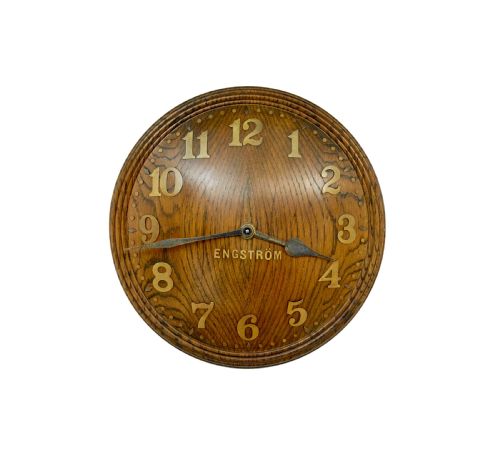


Antique Oak Horology Clock
An antique oak horology clock offers substantial timber presence and mechanical interest, spanning tall floor-standing longcase examples down to wall dials and mantel pieces.
Antique Oak Horology Clock
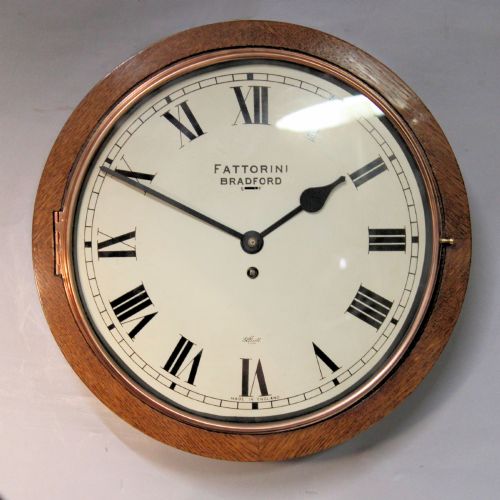
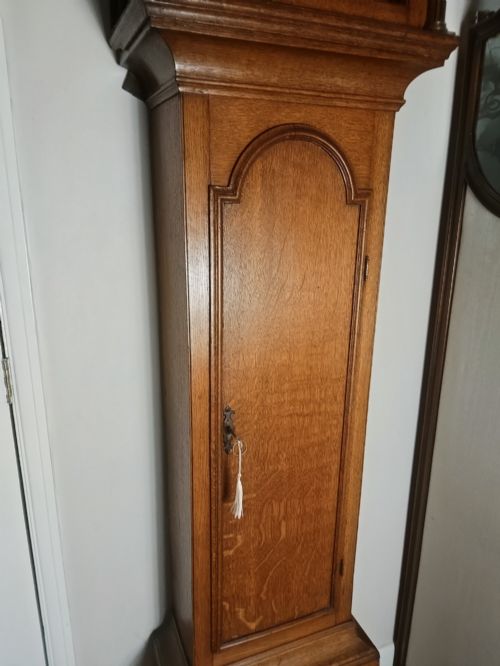
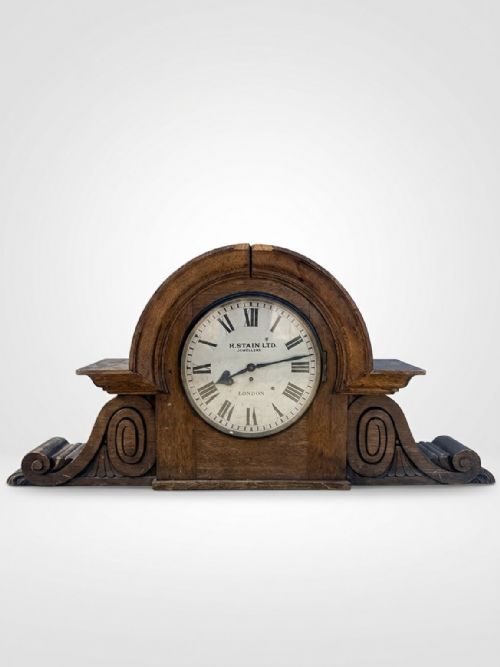
When you search for an antique oak horology clock, you encounter a diverse group of timepieces ranging from towering floor-standing longcases to wall-mounted dials and compact bracket designs. The materials visible across these pieces rely heavily on solid timber housing enclosing intricate brass, steel, and iron internal mechanisms.
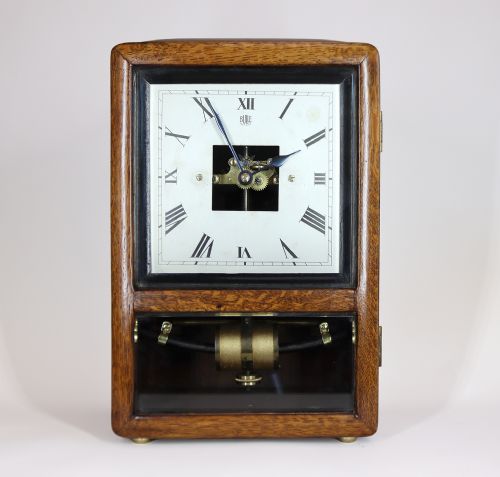
The most common examples you meet on this page span the Georgian and Victorian eras, alongside select early twentieth-century variations including Art Deco wall clocks and railway timepieces. Regional diversity is evident through makers working in locations such as Scotland, Kent, Worcester, and London.
Domestic interiors benefit from these clocks through their architectural timber cases and visible pendulum or dial displays. Whether standing on the floor or mounted to a wall, each item combines utilitarian timekeeping with period craftsmanship.
Materials and construction
Cabinetmakers constructed the primary housings using solid oak and occasionally pollard oak, pairing the dense timber with glass viewing panels and brass bezels. Internal movements integrate brass gear trains, steel arbors, and iron components designed to drive striking trains and escapements.
Dial faces incorporate painted iron, metal, or engraved brass plates often featuring subsidiary seconds or date apertures. Specialised movements range from thirty-hour weight-driven systems to eight-day fusee and lever escapements.
Object forms span large floor-standing longcases, compact bracket clocks, wall dials, and mantel pieces.
Quality variations in the range
The distinction between standard domestic pieces and superior examples often rests on the sophistication of the internal movement and the crispness of the case carving. Advanced mechanisms such as double fusee setups or strike-silent complications require higher levels of horological skill.
Timber selection and secondary details also dictate standing within the category, with figured oak grains and signed dials by known makers elevating an individual clock. Originality of components and casework integrity remain central to the overall standard.
Elliott·Engström By Zenith·David Craig·Henry Deykin·Richard Prew·Smith·Mercer·World Time Clock Maker·Herbert of Haversham·Payne & Co·J. Hummel
The Antique Oak Horology Clock Glossary
- Longcase clock
- A tall pendulum clock enclosed in a wooden case standing directly on the floor. These pieces are frequently referred to as grandfather or grandmother clocks depending on their height.
- Bracket clock
- A portable table or shelf clock historically designed to sit upon a wall bracket. They often feature carrying handles and glazed side panels.
- Fusee
- A conical pulley used in spring-driven clocks to maintain equal power as the mainspring unwinds. This mechanism improves timekeeping accuracy across the power reserve.
- Escapement
- The mechanical linkage that converts rotational force into impulse while releasing the gear train at controlled intervals. Common types include lever and anchor variations.
- Dial
- The visible face of the clock where hours and minutes are indicated by hands. Dials can be formed of painted iron, brass, or silvered metal.
Antique Oak Horology Clock: Frequently Asked Questions
What is a longcase clock?
A longcase clock is a tall floor-standing timepiece utilising a suspended pendulum and descending weights to drive the gear train. These pieces are housed within protective wooden trunk cases.
They were traditionally positioned in hallways or living spaces to serve as the primary timekeeper for a household.
How do wall dials differ from bracket clocks?
Wall dials are flat-backed timepieces designed to hang directly on vertical surfaces for communal viewing in public or domestic spaces. Bracket clocks are more compact, self-contained units intended for shelves or tables.
Both formats utilise mechanical movements but serve different spatial requirements within a room.
What does an eight-day movement mean?
An eight-day movement requires winding approximately once a week to maintain continuous operation. This configuration utilises heavier weights or stronger mainsprings compared to thirty-hour alternatives.
It represented a practical development for households seeking less frequent interaction with the mechanism.
How do I identify the period of an oak clock?
Period identification relies on observing stylistic markers in the oak case construction alongside the typography and materials of the dial face. Early Georgian examples often feature simpler proportions, while Victorian pieces may display heavier carved ornamentation.
Examining the maker signature, if present, also helps anchor the clock to a specific era.
Where were these clocks used historically?
These timepieces served functional roles in domestic parlours, grand country houses, railway signal boxes, and commercial jewellers' shops. Their presence ensured coordinated schedules for inhabitants and workers alike.
Today they function as decorative furniture items that retain active mechanical capability.