
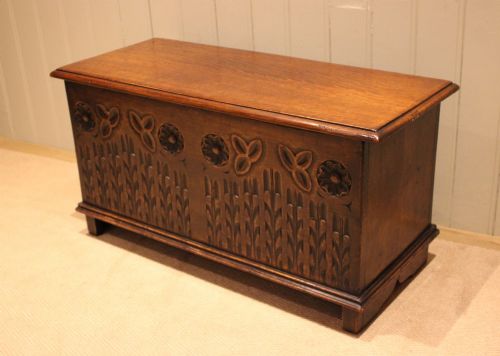


Antique Oak Hope Chest
An antique oak hope chest brings centuries of fitted grain and utilitarian craft straight into a modern hall.
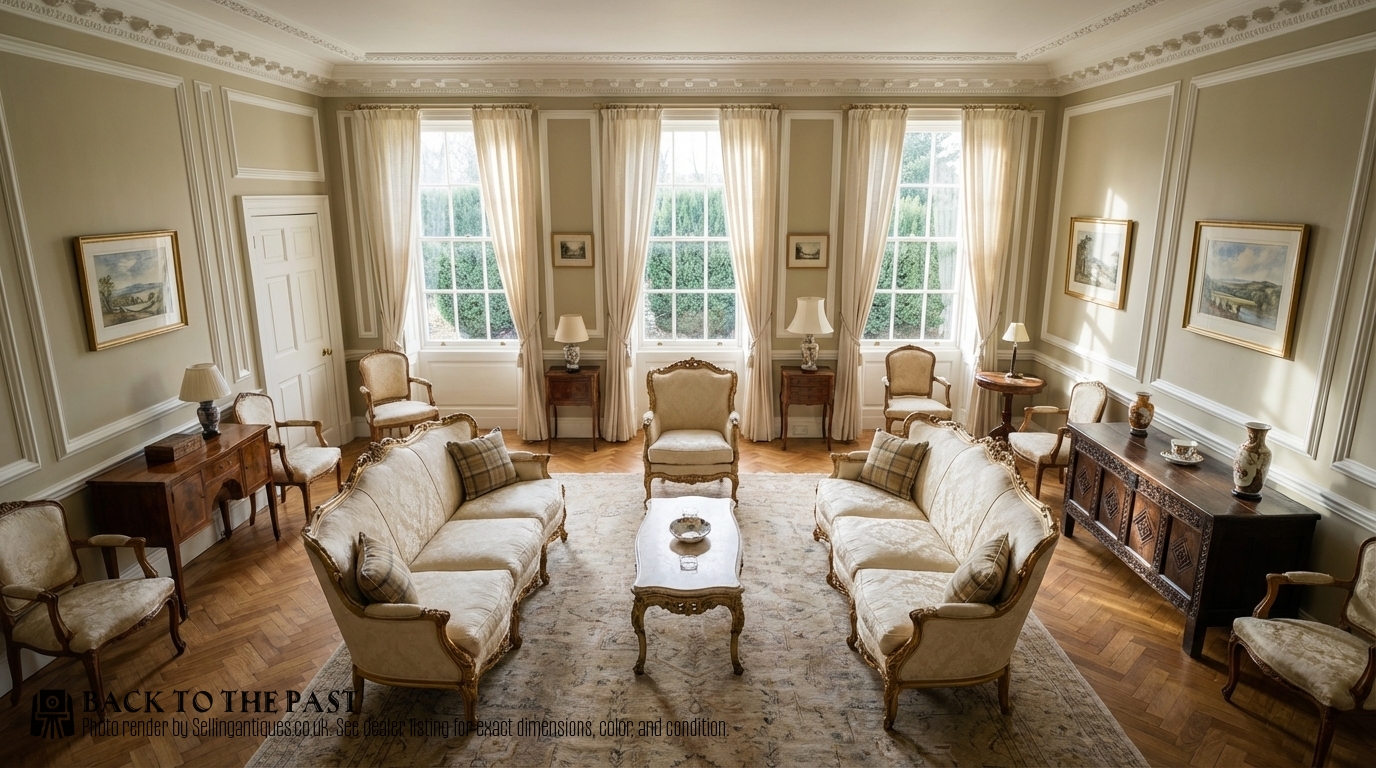
Antique Oak Hope Chest
An antique oak hope chest functions as a sturdy storage coffer built to hold household textiles, linens, and personal valuables. These pieces span periods from the 17th century through the 19th century up to 1930, capturing foundational British cabinet-making traditions. Buyers encounter regional iterations, from substantial 17th-century Yorkshire coffers to later Arts and Crafts interpretations.
The material vocabulary centres firmly on solid oak, occasionally paired with brass or iron hardware and finished in limed oak or traditional patinated timber. Forms range from early carved panels to later vernacular blanket boxes and trunks shaped by Victorian or Jacobean Revival sensibilities. A typical search reveals pieces originating directly from domestic British contexts across multiple centuries.
Makers and workshops range from anonymous 17th-century country joiners to 20th-century producers working in the Heal's style or Cotswold school tradition. Certain examples represent 19th-century revivals deliberately styled after 17th-century models. Each piece preserves the physical weight and practical utility demanded by households of its specific era.
How they were made
Construction relies upon solid oak planks joined to form deep floor-standing trunks designed for heavy domestic service. Joiners utilised traditional framing and panel methods to accommodate the natural seasonal movement of timber without splitting the structure.
Surface detailing incorporates hand carving, fielded panels, and pegged joints characteristic of 17th-century British craftsmanship. Later interpretations introduce limed oak finishes or simpler board construction while maintaining the heavy structural integrity inherent to hardwood trunks.
Many early coffers still carry the faint scent of dried lavender and centuries of stored homespun linen inside their heavy lids.
What varies in quality
The depth and crispness of period carving separate standard utilitarian boxes from exceptional regional examples. Early 17th-century coffers exhibit hand-wrought joinery and patinated surfaces that reflect centuries of continuous use.
Proportion and material selection dictate visual hierarchy across revival pieces and early originals alike. Solid oak framing with original iron or brass hardware maintains greater historical integrity than heavily altered or later composite trunks.
The Antique Oak Hope Chest Glossary
- Coffer
- A heavy wooden storage chest traditionally used for valuables and documents. These pieces form the primary structural archetype for early blanket boxes.
- Jacobean
- A design style spanning the early 17th century characterised by geometric panel moulding and linear carved ornamentation. Revival versions emerged later in the 19th century.
- Limed oak
- A surface treatment involving a white pigment rubbed into the open grain of oak timber. This finish gained popularity during the early 20th-century Arts and Crafts movement.
- Arts and Crafts
- A design movement valuing honest construction and traditional hand-craftsmanship over industrial mass production. Pieces from this period often display simplified forms and exposed joinery.
Antique Oak Hope Chest: Frequently Asked Questions
What is an antique oak hope chest?
An antique oak hope chest is a heavy wooden storage trunk historically used by families to store household linens, blankets, and personal items. These pieces are constructed primarily from solid oak and date from the 17th century through to the early 20th century.
They serve as both practical storage furniture and historical examples of traditional British cabinet-making. Different eras introduced distinct decorative carvings, iron hardware, and surface treatments.
How do I date an oak coffer?
Dating an oak coffer involves examining the construction methods, tool marks, and style of carving present on the timber. Early 17th-century examples typically feature hand-riven oak, pegged joints, and vernacular panel designs specific to regions like Yorkshire.
Later Victorian pieces or 20th-century revivals often display machine-sawn timber or cleaner internal structures. Comparing the patination and hardware style against documented period pieces helps clarify the timeline.
Where were these chests made?
These chests were manufactured primarily in British workshops, ranging from local rural joinery shops to specialised cabinet-making centres. Regional schools, including the Cotswold school, developed distinctive vernacular interpretations of traditional forms.
Many pieces remain tied to specific English counties where native oak provided the primary material for domestic furniture production.
How do I care for antique oak?
Caring for antique oak requires maintaining a stable indoor environment away from direct heat sources and excessive moisture. Sudden temperature shifts can cause historic timber to dry out or split.
Applying occasional natural wax helps nourish the patinated surface without sealing the wood. Gentle dusting with a dry cloth preserves the original finish.