


Antique Oak Dining Storage
These pieces of antique oak dining storage bring character and practical utility to a room through centuries of traditional craftsmanship.
Antique Oak Dining Storage
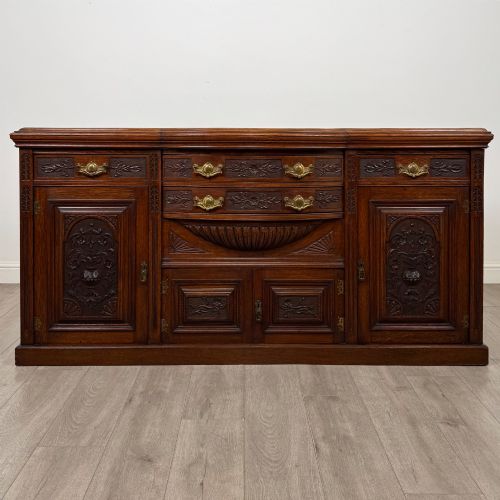
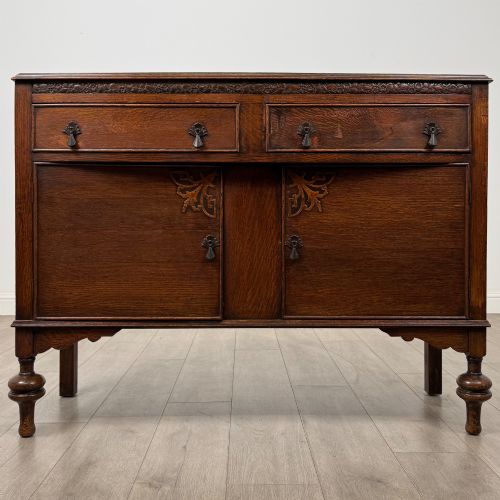
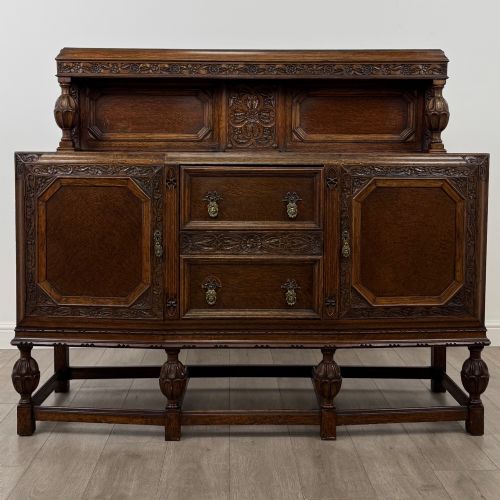
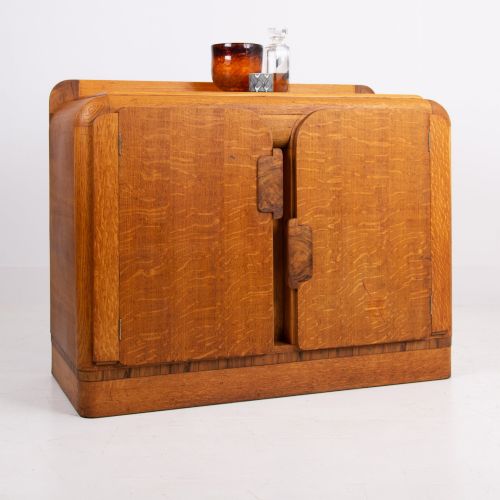
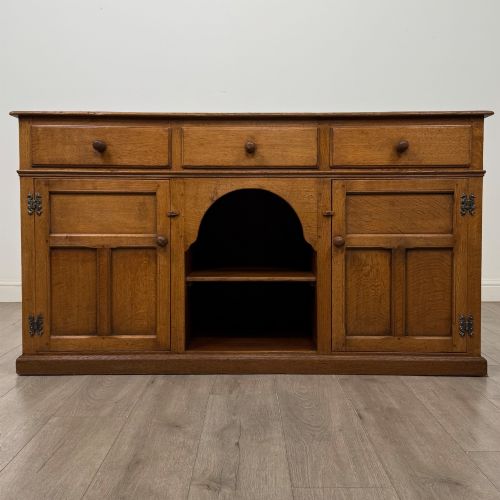
When searching for antique oak dining storage, collectors encounter a diverse array of forms designed to hold tableware, cutlery, and provisions. Sideboards, dressers, and court cupboards dominate the selection, offering substantial surface areas and deep interior cavities. These items originate from periods ranging from the eighteenth century through the Edwardian era.
The most common variations on this page include Victorian and Edwardian sideboards alongside earlier country dressers. Pieces span multiple stylistic influences, incorporating Jacobean Revival carving, English Country simplicity, and Arts and Crafts proportions. Buyers frequently select these forms to anchor a dining room with historical presence.
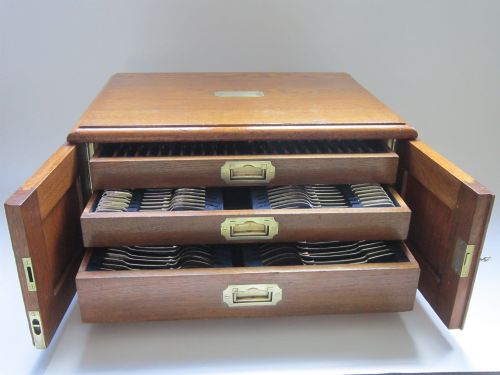
Originating from British workshops and French provincial regions, these functional items reflect regional traditions of domestic design. The inclusion of specialised items like cutlery canteens demonstrates the specialised storage solutions developed for formal dining. Every piece serves the dual purpose of display and concealment within the home.
Materials and construction methods
Cabinet makers relied primarily on solid oak, frequently utilising golden or limed variants to achieve distinct surface tones. Secondary woods such as walnut and mahogany appear alongside primary oak structures in specific regional pieces. Carpenters joined structural members using traditional mortise and tenon techniques, ensuring long-term durability.
Decorative elements involve intricate hand carving, often featuring floral motifs, geometric panels, or linenfold patterns. Hardware components utilise brass, iron, copper, and sterling silver for hinges, handles, and escutcheons. Glass panels are incorporated into upper dresser sections for the display of ceramics and glassware.
Listings feature oak storage pieces spanning from the eighteenth century through the Edwardian period.
Assessing quality in antique storage
Superior examples distinguish themselves through the selection of timber, particularly quartersawn oak displaying prominent medullary rays. The depth and crispness of hand-carved ornamentation separate exceptional workshop pieces from simpler provincial items. Original hardware and matching keys contribute significantly to the integrity of a piece.
Structural refinement shows in the smoothness of drawer runners and the precise fit of cabinet doors. Maker attribution, through stamps or known design characteristics, elevates certain items within the historical record. The balance of proportions and originality of surfaces define the upper echelon of these dining pieces.
Heals of London·Maple and Co·Liberty
The Antique Oak Dining Storage Glossary
- Sideboard
- A large piece of dining room furniture used for serving food, storing dishes, and holding table linen. These items often feature a combination of drawers and cupboards arranged horizontally.
- Dresser
- A traditional item featuring open shelving above a base cabinet or set of drawers. It serves primarily to display ceramics while keeping everyday dining utilities close at hand.
- Court cupboard
- An enclosed antique cabinet featuring an upper section recessed behind a lower storage base. These heavy pieces date to earlier centuries and exhibit deep relief carving.
- Canteen of cutlery
- A fitted box or cabinet designed to hold a complete set of matching tableware securely. These containers often include multiple lined tiers for knives, forks, and spoons.
- Fiddle pattern
- A traditional silhouette for flatware handles characterised by a narrow stem expanding into a broad, rounded end. This design gained popularity during the Victorian period.
- Medullary rays
- Natural ribbon-like cellular structures visible in quartersawn oak timber. Their presence indicates high-quality milling and adds distinctive visual depth to the wood grain.
Antique Oak Dining Storage: Frequently Asked Questions
How do I clean antique oak?
Dust surfaces regularly with a soft, dry cloth to prevent the accumulation of abrasive particles. Apply traditional beeswax periodically to nourish the timber and maintain a natural sheen.
Avoid using modern silicone-based polishes or harsh chemical sprays, which can permanently damage the historic finish. Keep wooden items away from direct heat sources and dramatic humidity fluctuations to prevent splitting.
Where should I place a sideboard?
Position these substantial pieces against a primary dining room wall where they can function efficiently during meals. Ensure adequate clearance around the cabinet doors and drawers for smooth daily operation.
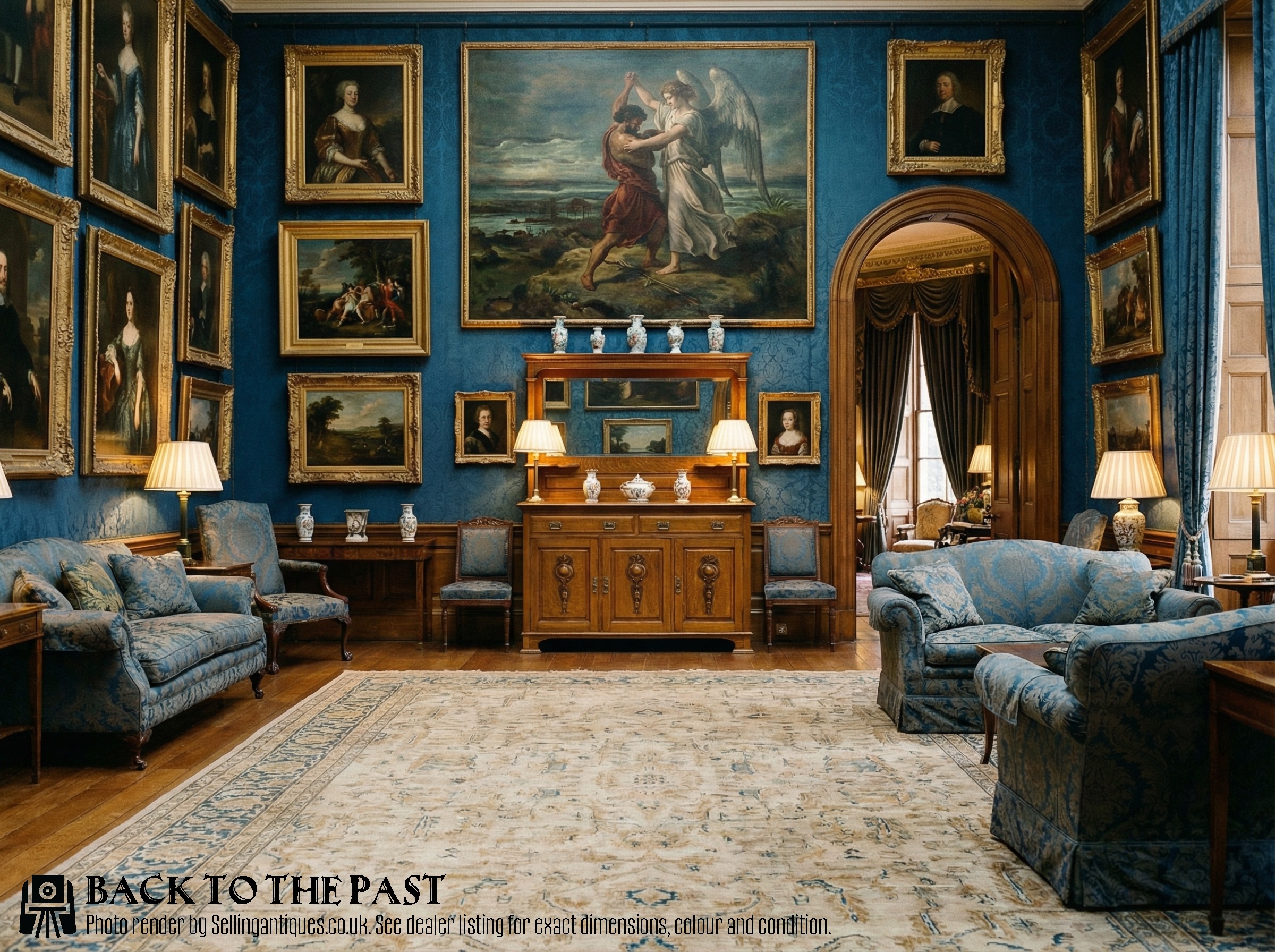
Consider the natural light in the room to highlight the carved details and grain patterns of the oak. Balance the heavy visual weight of the storage unit with appropriate artwork or mirrors hung above.
How do I date a carved oak sideboard?
Examine the construction joints, drawer linings, and hardware styles to establish a baseline era of manufacture. Hand-cut dovetails and forged iron fixings generally point toward eighteenth-century or earlier country origins.
Later Victorian and Edwardian examples often display machine-assisted elements alongside heavier, revivalist ornamentation. Compare the overall proportions and decorative motifs against documented pieces from known workshops.
What is a French provincial buffet?
These lower storage cabinets originate from regional French workshops, serving as practical sideboards in dining areas and hallways. They frequently feature warm walnut or oak timbers combined with subtle panel carving.
Unlike formal British designs, provincial pieces prioritize rustic utility and regional aesthetic traditions. They provide versatile storage solutions while introducing distinct continental character to modern interiors.