

Antique Oak Columns
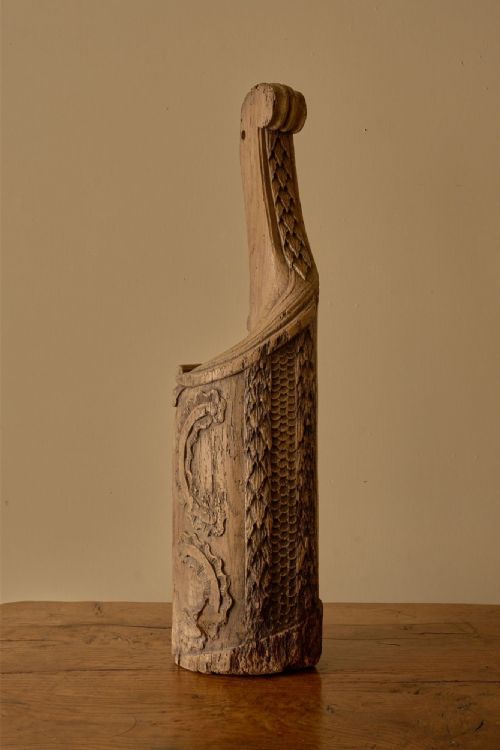
These antique oak columns are solid architectural elements and carved supports that bring heavy timber character and substantial historical presence into a room.
Antique Oak Columns
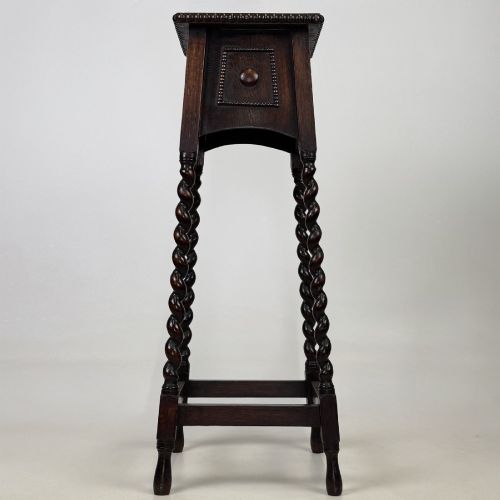
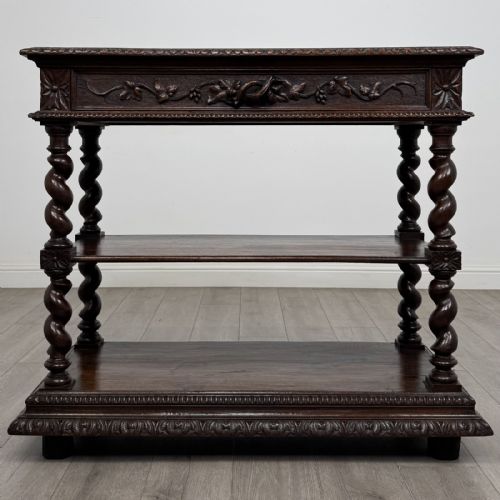
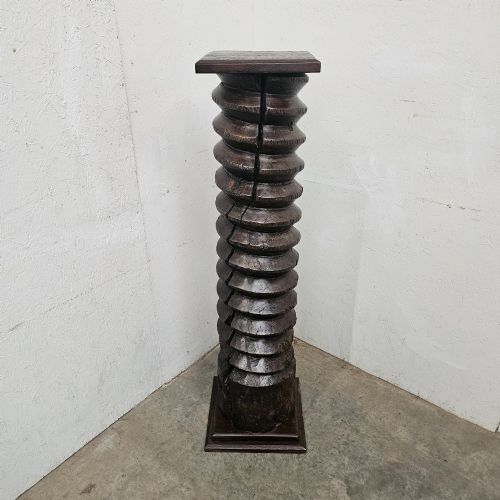
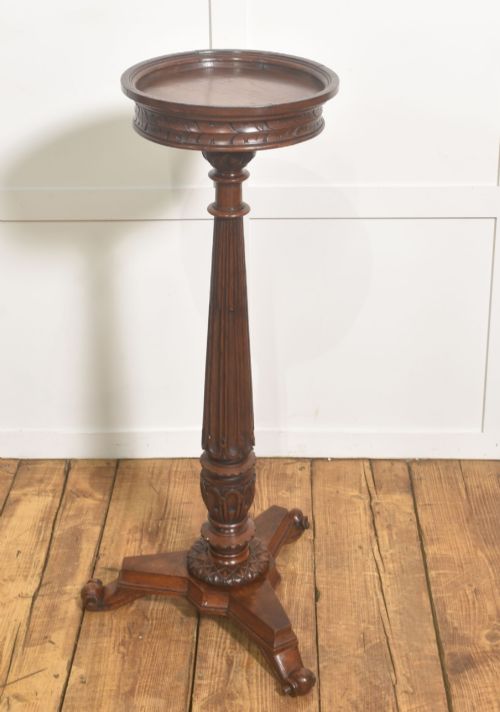
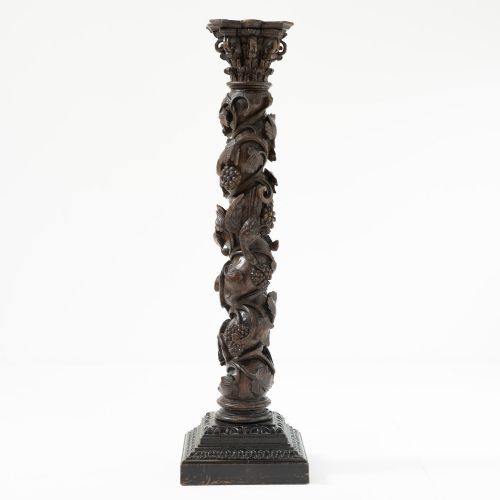
When you search for antique oak columns, you encounter structural supports, pairs of architectural elements, and sculptural pedestals salvaged from buildings or fashioned as decorative items. These pieces span the eighteenth and nineteenth centuries, taking forms such as Solomonic twists, barley twist shafts, and classical orders.
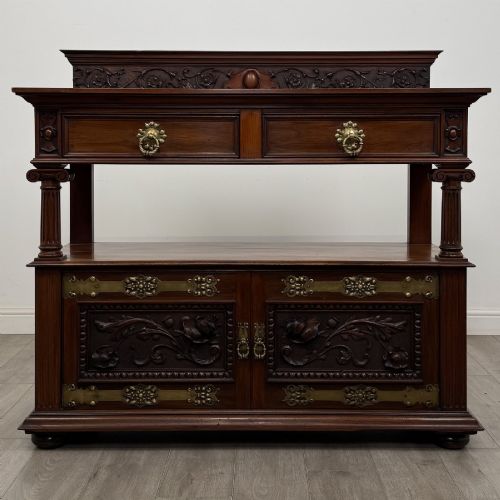
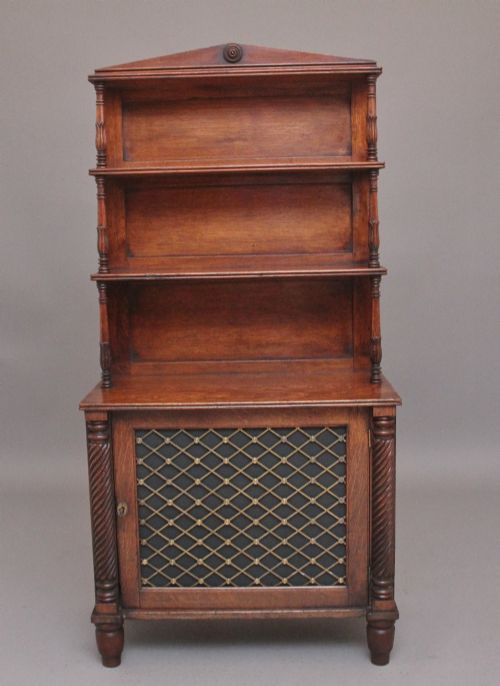
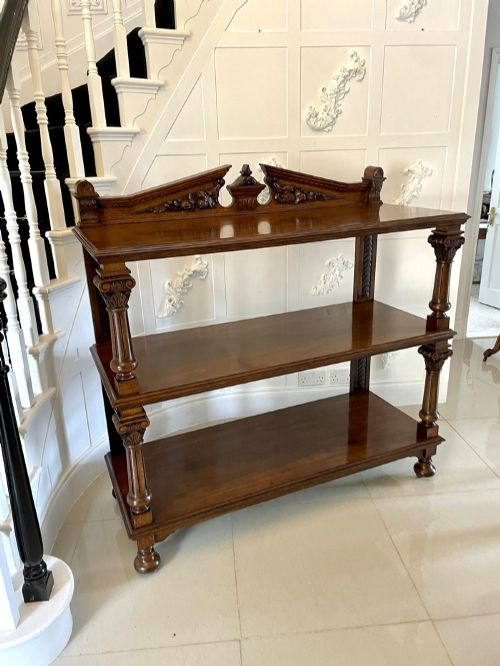
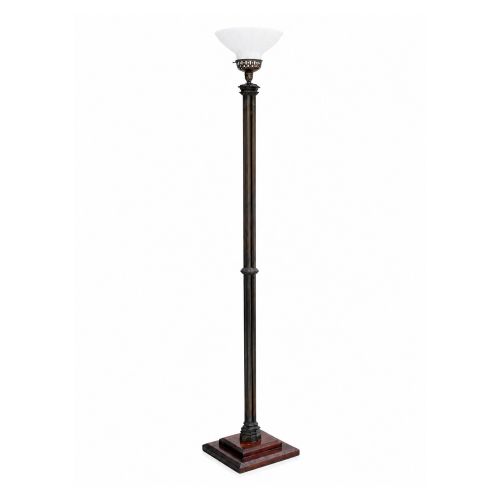
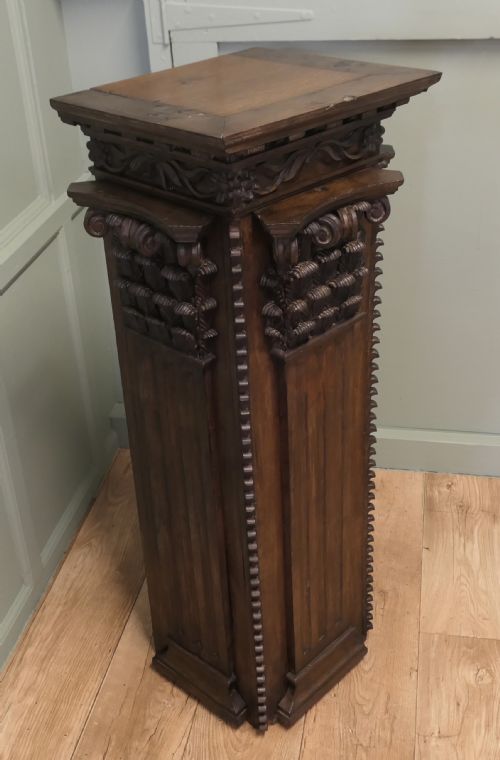
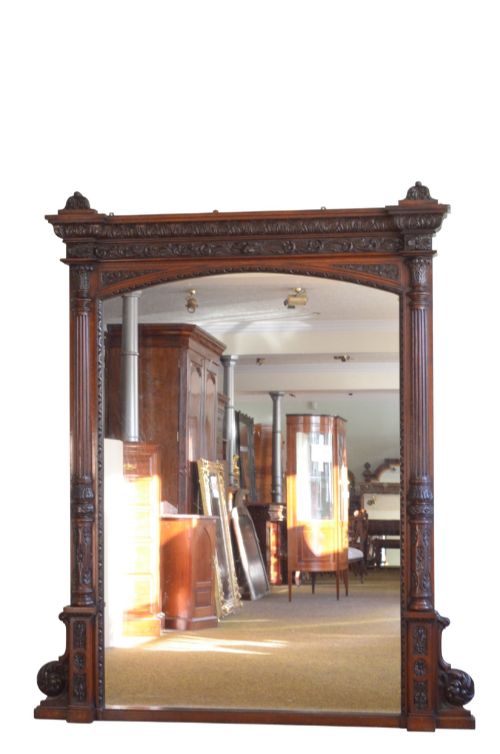
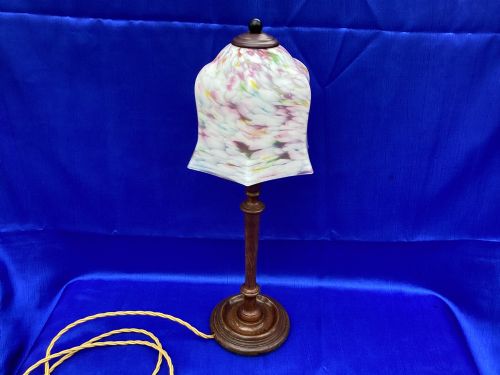
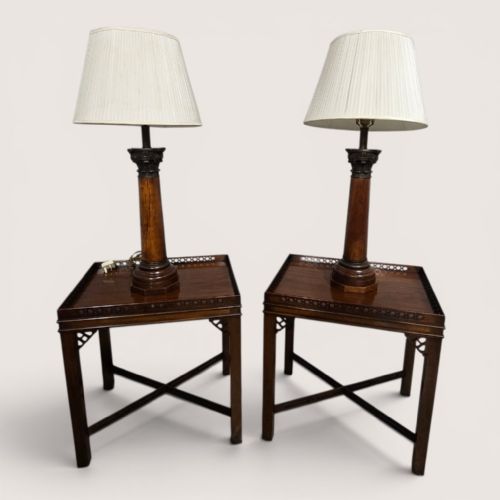
The selection ranges from tall freestanding pairs designed for grand interiors down to smaller table lamps, plant stands, and bedside cabinets incorporating columned details. You also meet architectural fragments like church lecterns, mirror frames with side columns, and Delft racks flanked by Corinthian capitals.
Originating largely from English country workshops and French cabinet makers, these items reflect vernacular traditions alongside revivals of Gothic, Jacobean, and Renaissance styles. The wood frequently displays the rich grain of golden oak, dark oak, or pollard oak developed over centuries.
How they were made
Craftsmen built these items using solid oak timber, sometimes combining it with pine or incorporating metal and brass hardware for structural stability. Joinery techniques relied on traditional methods appropriate to the period, allowing the timber to expand and contract naturally.
Carving was executed by hand using gouges and chisels to produce spiral twists, fluting, and elaborate capitals in the Corinthian or Gothic taste. Surfaces were finished with wax or polish, highlighting the natural medullary rays and figuring inherent in quarter-sawn oak.
Antique Oak Columns Retail Price Guide 2026
Typical asking prices for oak columns among the pieces listed under this phrase on Sellingantiques today, from the lower quarter to the upper quarter. They describe what is for sale here now, not the wider market.
Church lecterns and candle columns occasionally moonlight as dramatic household reading stands.
What varies in quality
Quality rests in the crispness of the hand-carved detail and the selection of the timber, particularly where figured burr or pollard oak is utilised. Pieces cut from quarter-sawn stock exhibit superior stability and a more pronounced silver grain.
Proportion and architectural integrity dictate value, separating awkward conversions from harmonious elements correctly scaled from their original architectural context. The depth of the relief carving and the integrity of the timber joints further distinguish standard vernacular items from exceptional showroom examples.
The Antique Oak Columns Glossary
- Solomonic
- A helical or spiral column shape resembling a twisted rope, popular in Baroque and revival furniture. This form creates dynamic movement along the vertical shaft.
- Barley twist
- A turning technique producing a diagonal spiral resembling a stalk of barley. It appears frequently on seventeenth-century revival table legs and candlesticks.
- Corinthian
- A classical order of architecture distinguished by ornate capitals decorated with acanthus leaves. These appear on pedestals, mirrors, and architectural columns.
- Quarter-sawn
- A method of timber cutting where logs are quartered before slicing, yielding boards with straight grain lines and prominent medullary rays. This cut minimises warping.
- Pollard oak
- Timber taken from trees that have been pollarded, resulting in a tightly bundled, highly decorative grain pattern. Cabinet makers valued this wood for fine surfaces.
Antique Oak Columns: Frequently Asked Questions
How were antique oak columns used?
These pieces served as structural supports in grand buildings, framing doorways, supporting mantelpieces, or dividing interior spaces. They also formed the uprights for bespoke furniture, church lecterns, and decorative display pedestals.
In domestic settings, paired columns were often incorporated into architectural overmantel mirrors or flanking side cabinets. Smaller examples functioned independently as plant stands, lamp bases, or ornamental objects.
How do I date an antique oak column?
Dating relies on the style of the carving, the method of timber preparation, and the tools evident in the grain. Eighteenth-century pieces typically exhibit hand-adzed surfaces and vernacular joinery, while nineteenth-century revivals often reflect specific historical movements like Gothic or Jacobean Revival.
Changes in turning techniques and the patination of the oak provide further chronological markers. Analysing secondary woods, such as pine or deal used in internal framing, helps confirm the period of construction.
Are these columns solid oak?
The majority of these pieces are constructed from solid oak, frequently quarter-sawn to showcase the natural grain and medullary rays. Some architectural elements and larger pedestals utilise heavy timber scantlings joined to prevent splitting.
Certain items, such as cabinets or mirrors, combine oak with secondary timbers like pine for backing boards or internal carcases. Surface treatments range from waxed finishes to limed effects applied during later revival periods.
How do I care for antique oak?
Protect the timber by maintaining stable humidity levels away from direct heat sources and strong sunlight. Sudden environmental changes can cause old oak to crack or the historical joints to loosen.
Apply a traditional beeswax polish sparingly and buff with a soft cloth to nourish the grain. Avoid modern silicon-based sprays that can penetrate the pores and damage the historic patina.