
Antique Oak Book Shelving
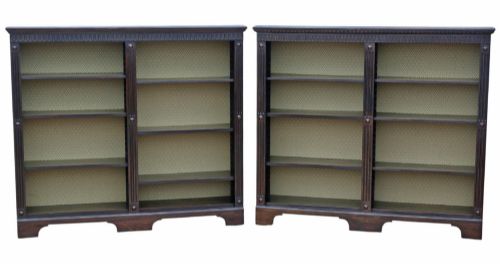
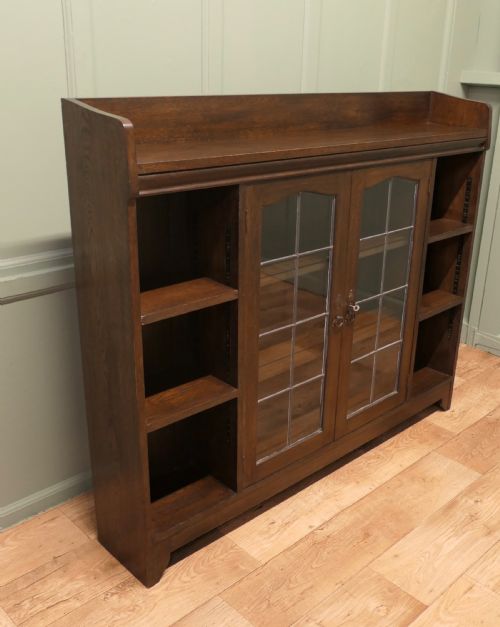
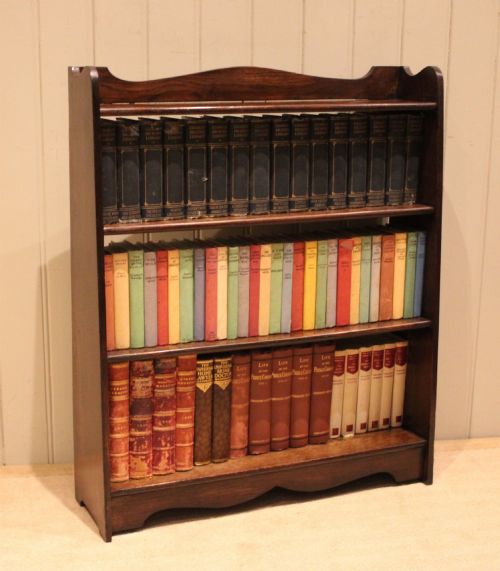
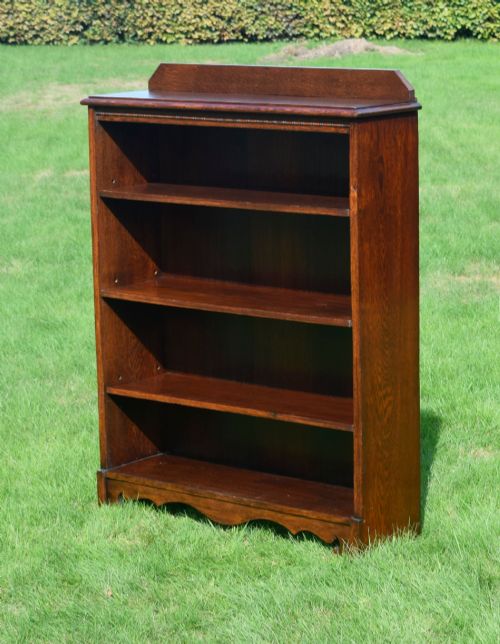
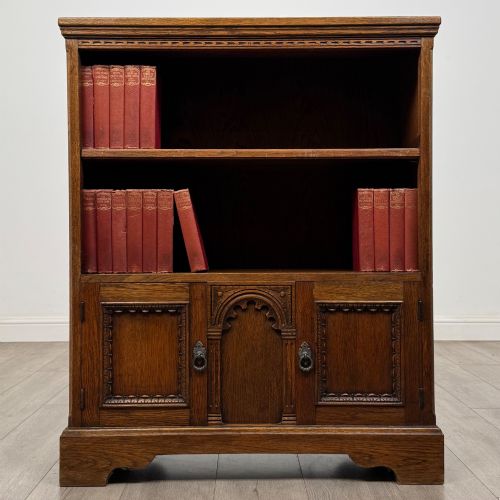
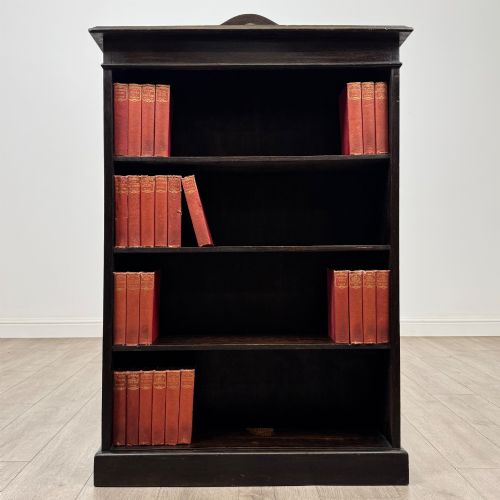
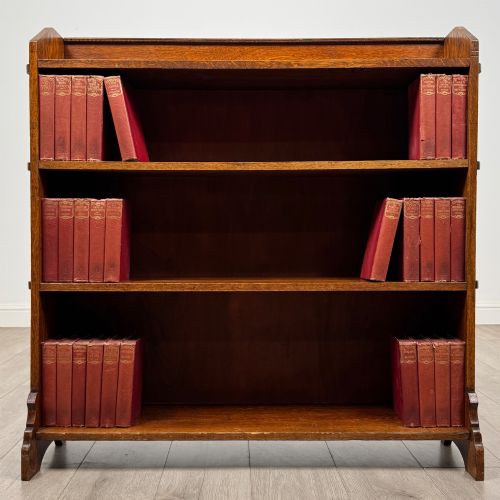
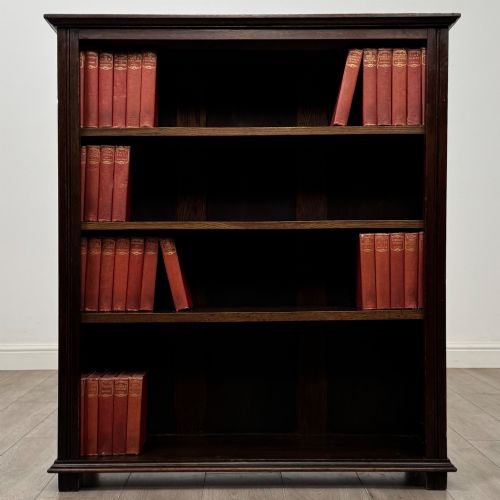
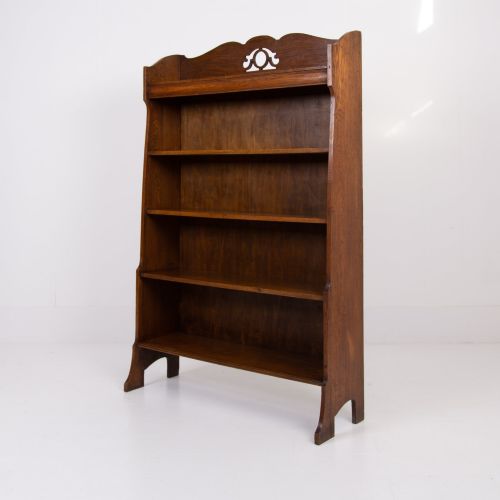
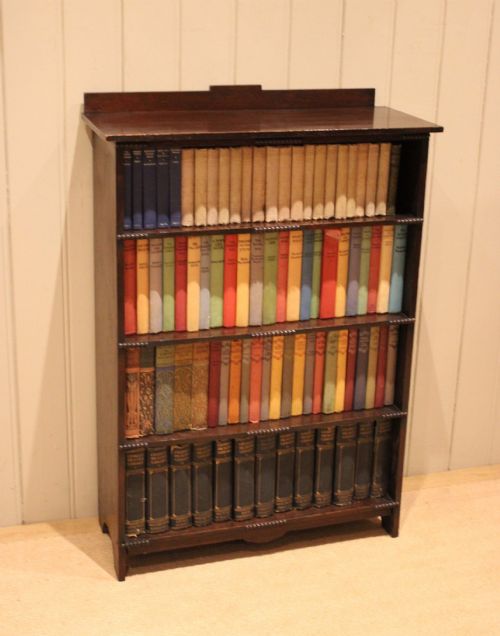
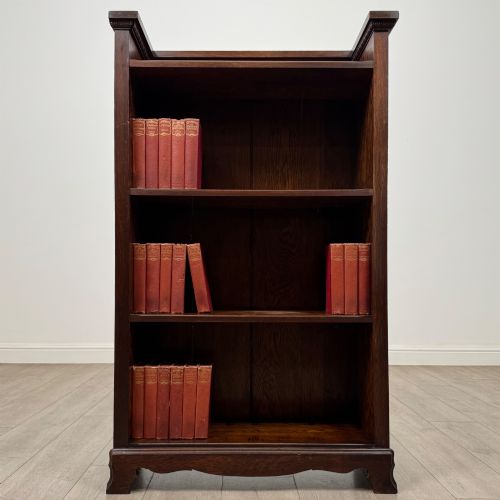
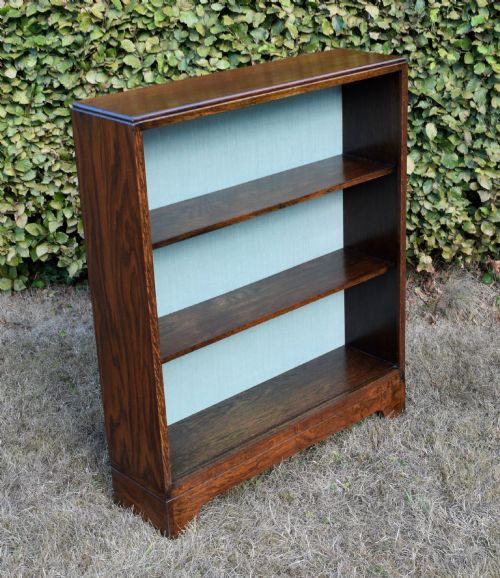
Antique oak book shelving brings practical storage and solid timber character into a room, most often appearing as open bookcases from the Edwardian period.
Antique Oak Book Shelving
When you search for antique oak book shelving, you encounter practical furniture designed to hold volumes while adding distinct period character to a room. The items listed span several decades, reaching from the late nineteenth century through the Edwardian era into the nineteen-thirties.
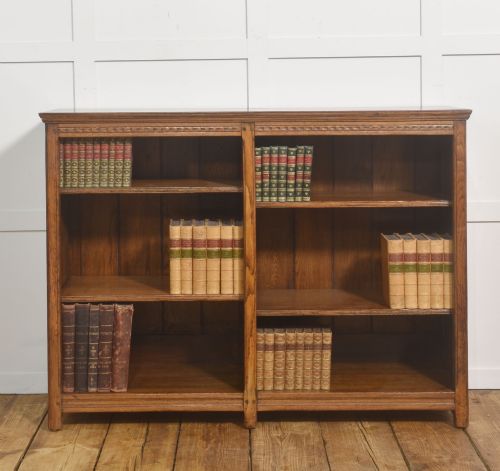
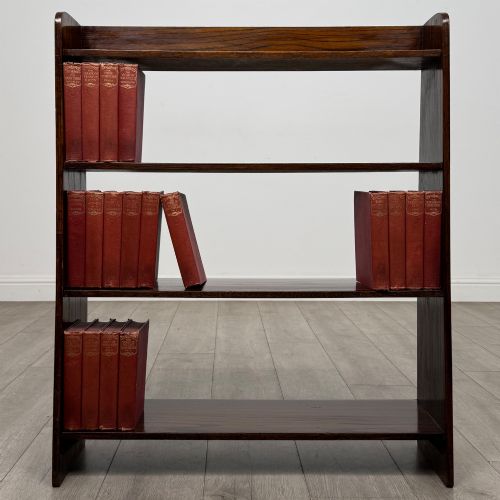
The version you meet most frequently on this page is the open oak bookcase, often standing at a modest height with simple or adjustable shelves. Alongside these standard bookcases, the selection includes related forms such as corner cabinets, wall shelves, and desks with integrated book storage.
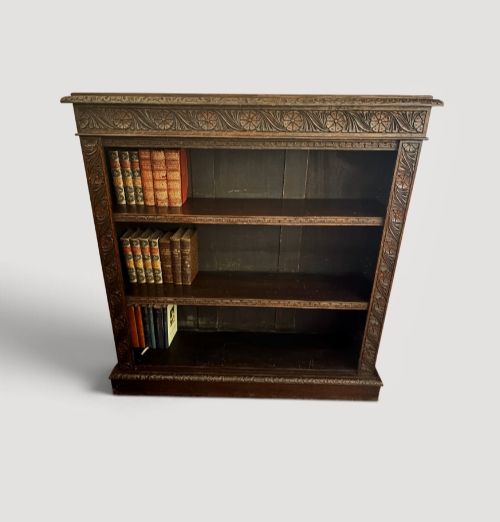
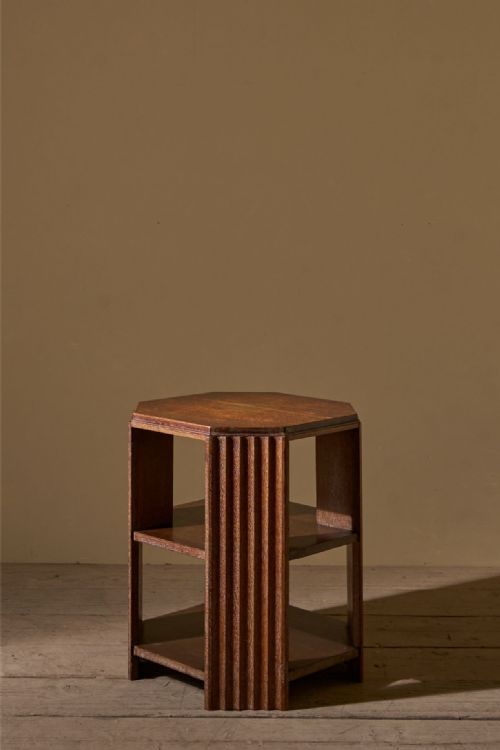
The stylistic influences vary widely across the pieces, drawing on Arts and Crafts simplicity, Gothic Revival detailing, Jacobean Revival turning, and clean Art Deco lines. These diverse designs reflect the changing tastes of makers working in oak through the Victorian and twentieth-century periods.
Distinctions in quality and execution
The standard of a piece depends heavily on the selection of the timber and the depth of the cabinetmaker's skill in handling solid oak. Pieces showing thoughtful proportion, clean joints, and well-executed decorative carving stand apart from simpler utilitarian furniture.
Makers working within the Arts and Crafts tradition often demonstrated superior craftsmanship through exposed joinery and hand-finished surfaces that celebrate the natural qualities of the wood. The presence of secondary timbers and the complexity of the interior shelving arrangement also mark out the finer examples.
Periods represented include Victorian, Edwardian, Arts and Crafts, and Art Deco styles.
Wylie Lochhead of Glasgow·E A Taylor
The Antique Oak Book Shelving Glossary
- Open bookcase
- A piece of furniture designed for book storage featuring unglazed shelves and no doors. This form makes volumes immediately accessible.
- Arts and Crafts
- A design movement prioritising traditional craftsmanship, visible construction, and simple forms often seen in oak furniture. It rejected mass-produced industrial decoration.
- Adjustable shelves
- Internal boards that can be moved to different heights using slots or pins. This feature accommodates books of varying sizes.
- Golden oak
- A bright, warm finish applied to oak timber that highlights the natural grain. It became popular during the Edwardian period.
- Breakfront
- A piece of furniture where the central section projects forward from the flanking wings. This architectural arrangement adds depth to large library bookcases.
Antique Oak Book Shelving: Frequently Asked Questions
How do I style an open oak bookcase?
An open oak bookcase serves as a functional focal point in a living room, study, or hallway. Balance heavy volumes with decorative objects or smaller items of pottery to create visual variety.
Keep the surrounding space uncluttered to let the natural grain and warm tones of the oak stand out against the wall.
What is the difference between Edwardian and Victorian oak bookcases?
Victorian bookcases tend to feature heavier proportions, darker finishes, and more elaborate carved detailing such as Gothic Revival motifs. They were built to furnish formal nineteenth-century libraries.
Edwardian pieces often appear lighter in scale, utilising golden oak finishes and simpler lines that reflect changing domestic interiors at the start of the twentieth century.
Are the shelves adjustable on these bookcases?
Many of the oak bookcases listed feature height-adjustable shelves to accommodate books of varying sizes. This practical addition allowed nineteenth and twentieth-century owners to reconfigure the interior space as their libraries grew.
Descriptions specify whether a piece includes this adjustable mechanism.
Where were these pieces made?
The furniture originates primarily from British workshops, reflecting regional preferences in cabinetmaking across the nineteenth and twentieth centuries. Makers utilised native British oak alongside imported varieties to construct these pieces.
Specific regional influences appear in pieces associated with Scottish workshops or provincial cabinetmakers.