

Antique Oak Bedside
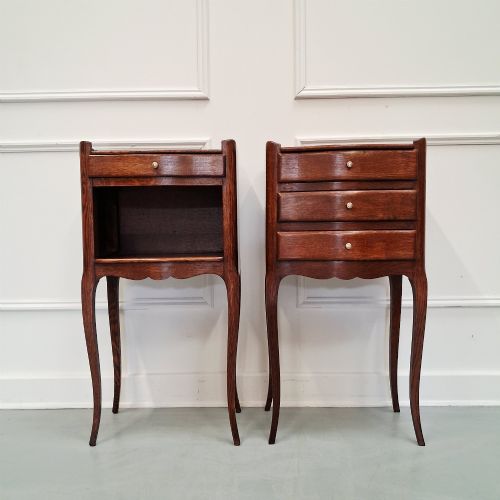
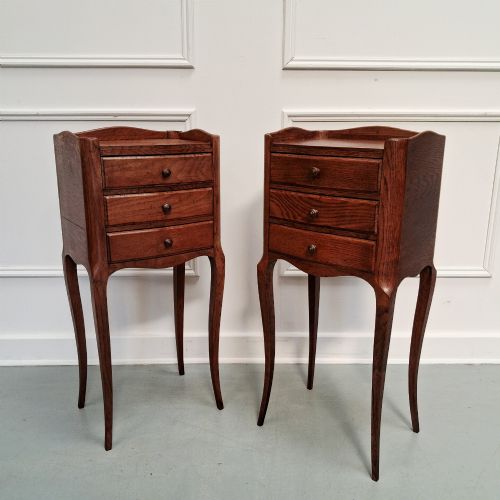
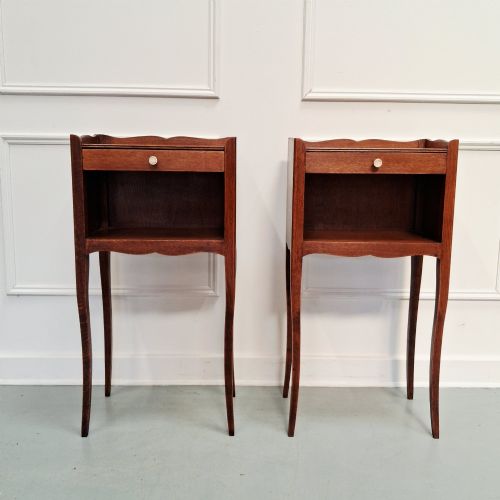
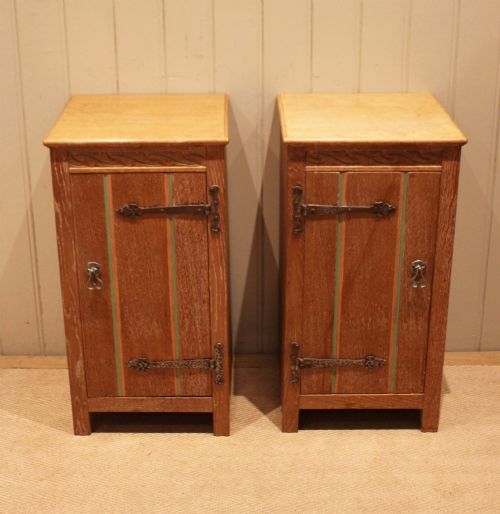
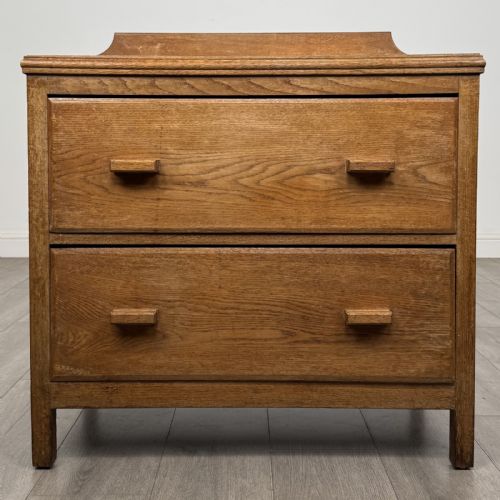
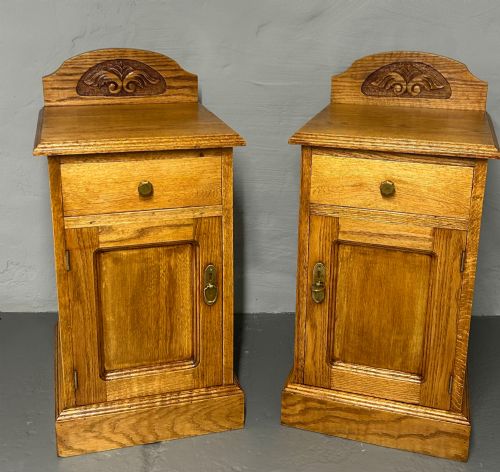
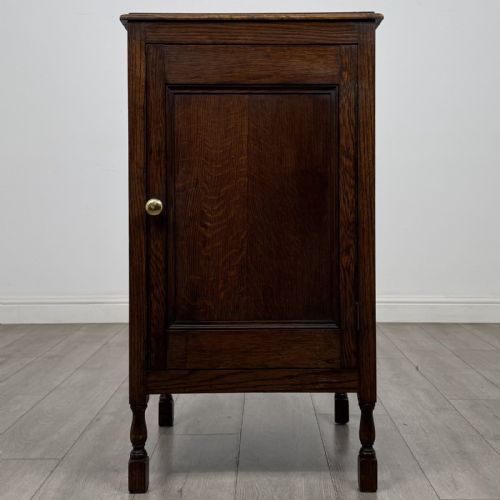
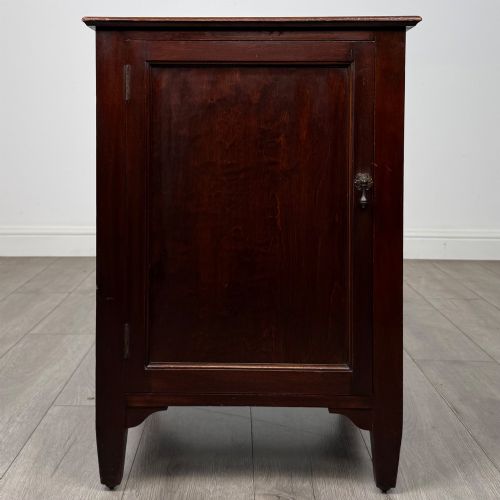
These antique oak bedside pieces offer solid timber construction and period charm, bringing functional surface space and enclosed storage to the bedroom.
Antique Oak Bedside
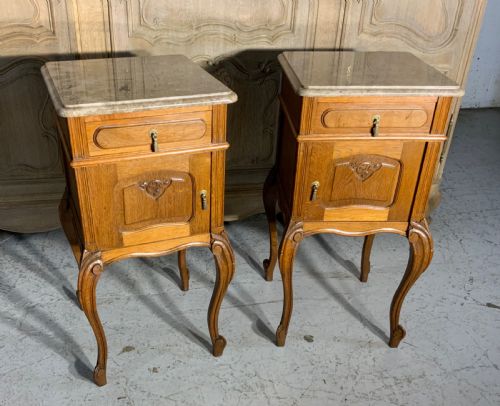
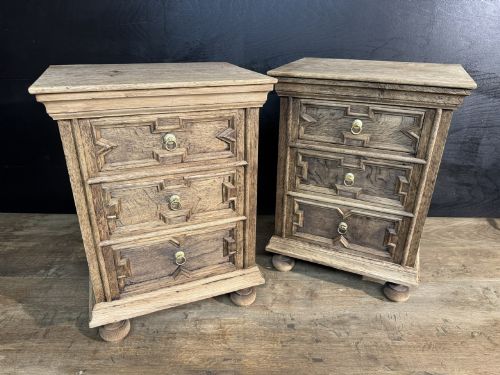
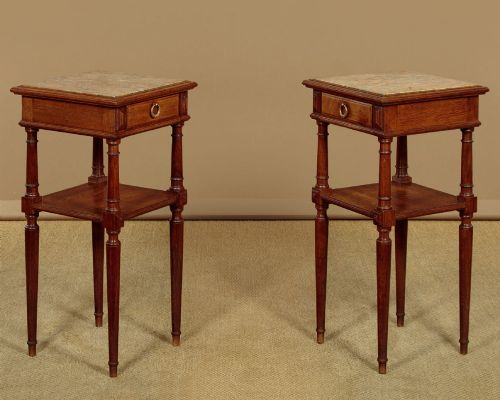
When you search for antique oak bedside furniture, you encounter a variety of practical forms designed to sit beside a bed. The selection centres on bedside cabinets, pot cupboards, compact side tables, and small chests of drawers.
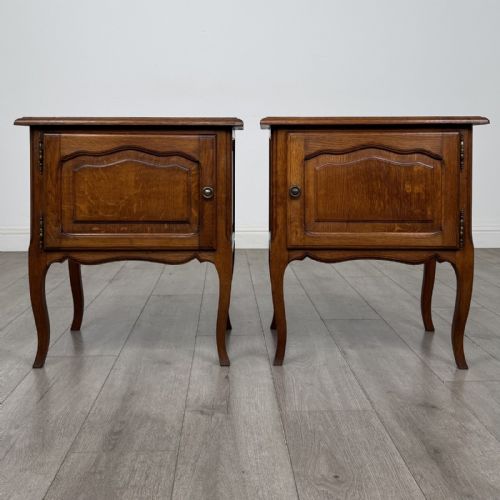
The pieces on this page span several centuries and movements, from Georgian close stools to Edwardian cupboards and nineteen-thirties limed or bleached oak designs. You frequently meet matched pairs alongside single items, particularly in French provincial and English revival styles.
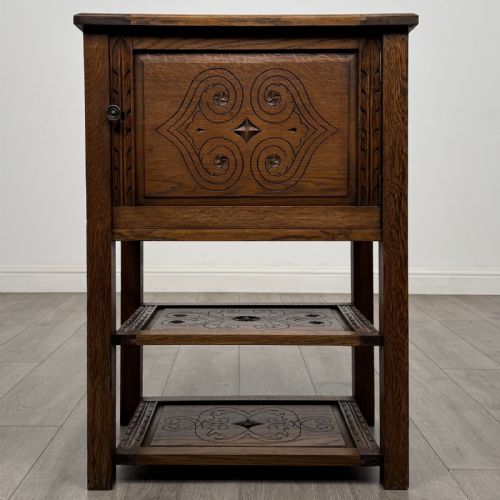
Makers utilised timber dimensions efficiently to create diminutive storage units that housed chamber pots or personal items. Side tables and three-tier stands provided open surfaces for lamps and night-time necessities.
Materials and construction
Carpenters relied primarily on solid oak, frequently augmented by burr oak veneers or secondary timbers like ash and pine. Surfaces received finishes ranging from traditional wax to liming, bleaching, and occasional mahogany staining.
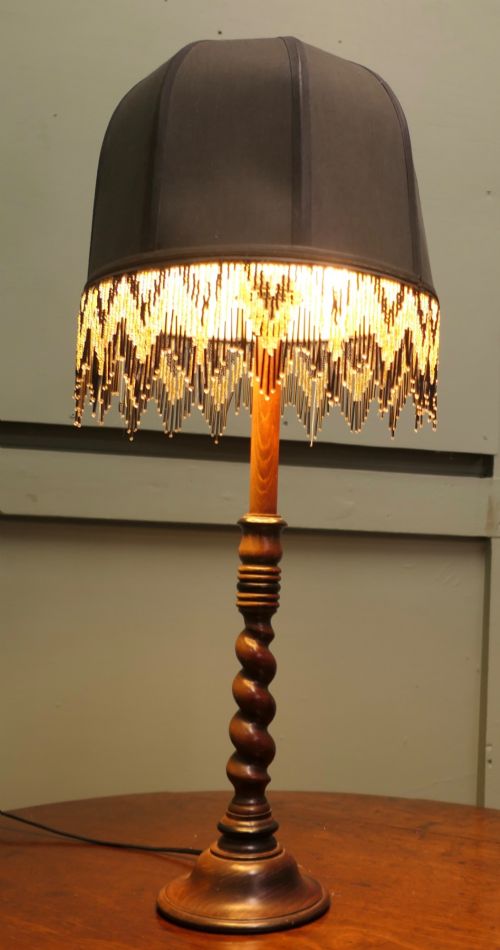
Construction techniques include turned legs such as barley twist and bobbin styles, alongside raised galleries and carved panel details. Hardware typically consists of brass handles, while specific forms incorporate marble tops or metal accents.
Joinery traditions of the Edwardian and Victorian eras ensured robust frames that survived decades of daily domestic use. Carved motifs and Gothic revival or Arts and Crafts styling reflect the aesthetic priorities of their respective periods.
Antique Oak Bedside Retail Price Guide 2026
Typical asking prices for oak bedside among the pieces listed under this phrase on Sellingantiques today, from the lower quarter to the upper quarter. They describe what is for sale here now, not the wider market.
An eighteenth-century close stool disguised as a polite little bedside chest offers discreet storage for the most pragmatic of domestic needs.
Assessing quality in oak bedside furniture
Quality reveals itself in the selection of the timber grain, particularly when burr oak or quarter-sawn oak displays distinct medullary rays. Superior pieces exhibit crisp hand-carving and well-proportioned turned legs rather than coarse, machine-cut decoration.
Construction integrity separates standard items from exceptional examples, noting how drawers run smoothly and doors hang true on original hinges. The presence of matching pairs elevates desirability, especially within French art deco and Edwardian formats.
Originality of surface finish and hardware plays a decisive role in evaluation. Untouched waxed patination or period brass handles contribute significantly to the integrity of the piece.
Heal And Son
The Antique Oak Bedside Glossary
- Pot cupboard
- A small enclosed bedside cabinet originally designed to house a chamber pot. These practical units feature a single door and often a drawer above.
- Barley twist
- A type of turned wooden leg resembling a spiral rope. This decorative feature appears frequently on Edwardian and Jacobean revival pieces.
- Limed oak
- A wood finishing technique that fills the open grain of oak with a whitish pigment. This treatment gained popularity in the nineteen-thirties for a lighter aesthetic.
- Close stool
- An early form of enclosed seat or chest concealing a chamber pot. Eighteenth-century versions often resemble miniature chests of drawers.
- Quarter-sawn
- A method of cutting logs that produces parallel growth rings and prominent medullary rays. This cut enhances the stability and visual pattern of oak furniture.
- Raised gallery
- A low wooden rim or border around the top surface of a table or chest. This feature prevents small items from rolling off the edge.
Antique Oak Bedside: Frequently Asked Questions
What is a pot cupboard?
A pot cupboard is a small enclosed bedside cabinet designed in the nineteenth century and earlier to house a chamber pot safely out of sight. They typically feature a single panelled door and sometimes a small drawer above.
Over time, these versatile cabinets transitioned into general bedside storage for books and personal items. Their compact footprint makes them ideal as small side tables in modern bedrooms.
How do I identify Edwardian oak bedside tables?
Edwardian oak bedside tables often display revival styles such as Jacobean bobbin turning or simple Arts and Crafts linear designs. They frequently utilise a warm wax finish and may incorporate mahogany staining to imitate older timber.
Examining the interior construction, drawer linings, and hardware helps confirm the period. Match these details against the lighter, bleached finishes typical of later decades.
Are French bedside tables different from English ones?
French bedside tables from the early twentieth century often showcase provincial charm or art deco geometric lines. They frequently appear in bleached or limed oak finishes with subtle panel work.
English equivalents from the same eras tend to feature heavier turned legs, such as barley twists, or simpler Edwardian cupboard doors. Both traditions prioritise enclosed storage alongside open surface space.
How should I care for antique oak furniture?
Maintain antique oak by applying a traditional beeswax polish sparingly to nourish the timber grain. Avoid placing pieces near direct heat sources or strong sunlight to prevent wood splitting.
Dust regularly with a soft, dry cloth and use coasters to protect polished surfaces from moisture. Proper humidity control in the room ensures the longevity of antique joints.