

Antique Nursing Armchair
An antique nursing armchair is a low-slung, upholstered seat designed for comfort, and these pieces bring intimate Victorian elegance to a modern bedroom or fireside.
Antique Nursing Armchair
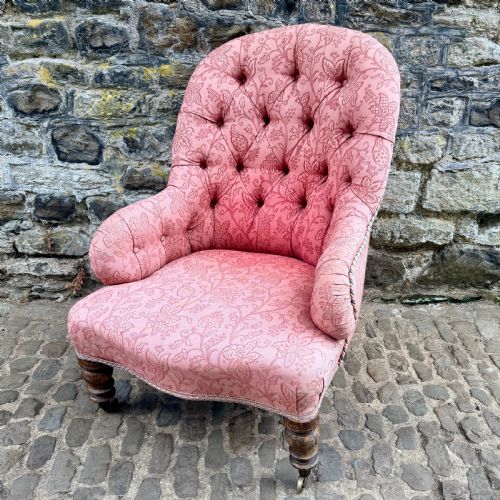
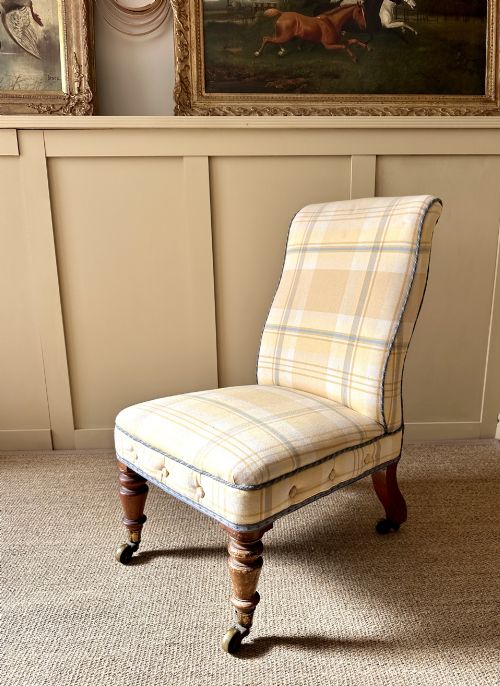
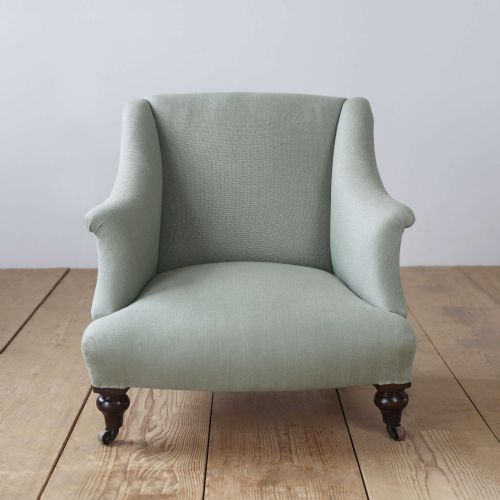
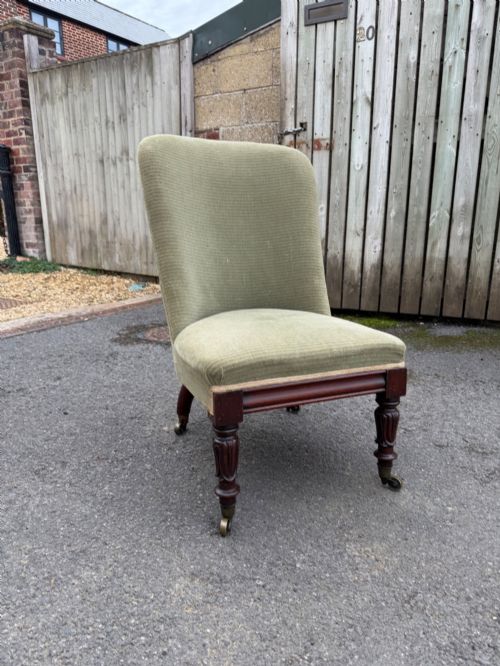
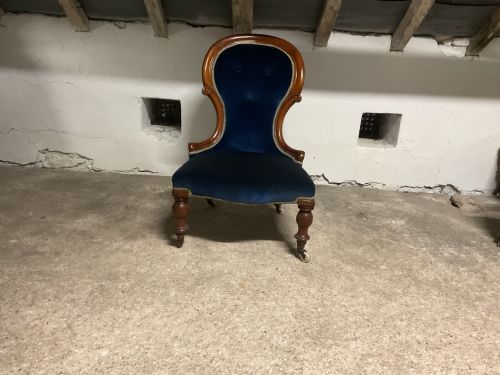
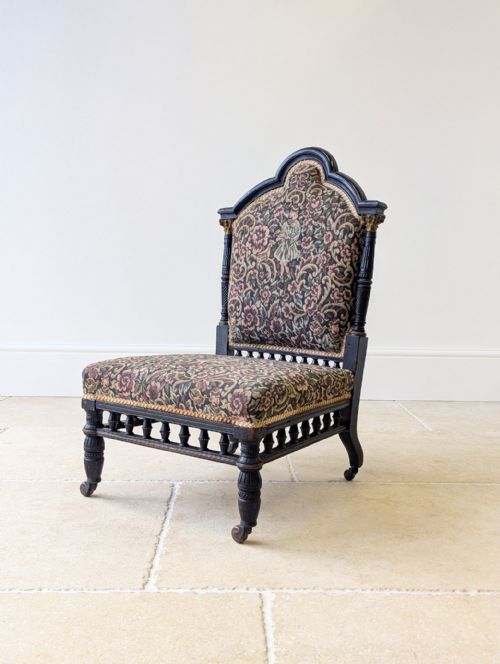
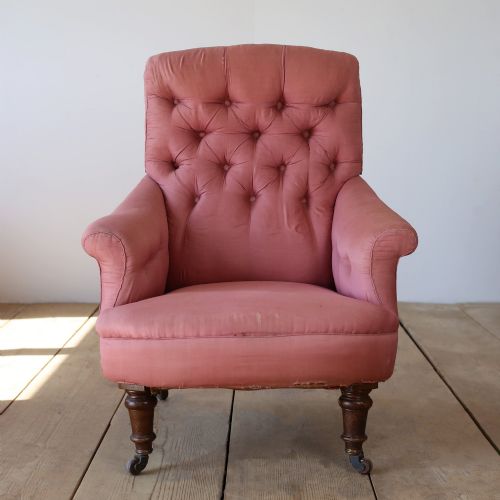
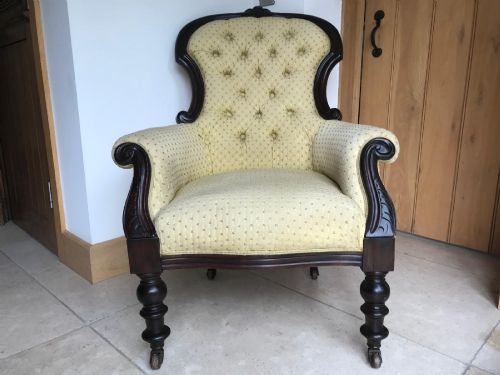
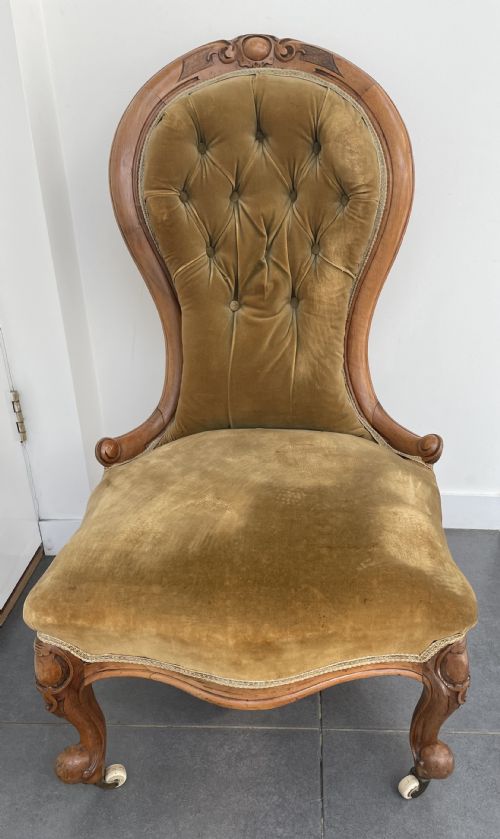
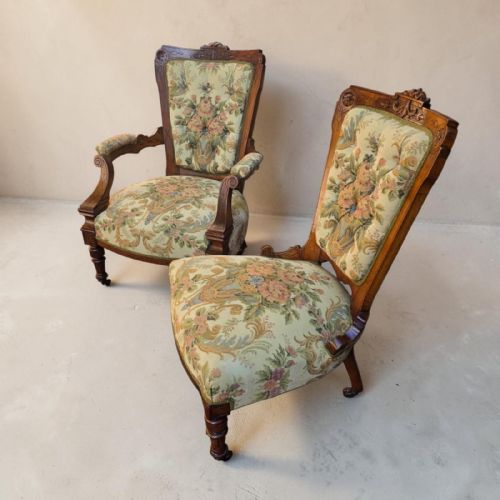
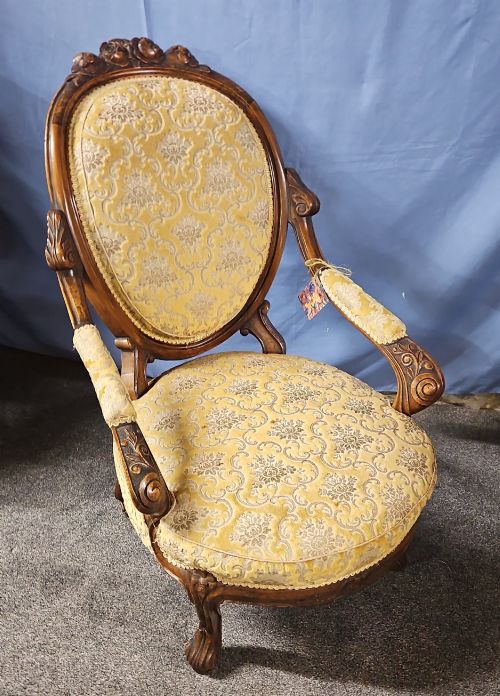
An antique nursing armchair is primarily defined by its low seat and upright, supportive back, which historically allowed mothers to feed infants with ease. On this page, the Victorian version dominates, frequently appearing in forms such as low salon chairs, slipper chairs, and button-backed occasional seating.
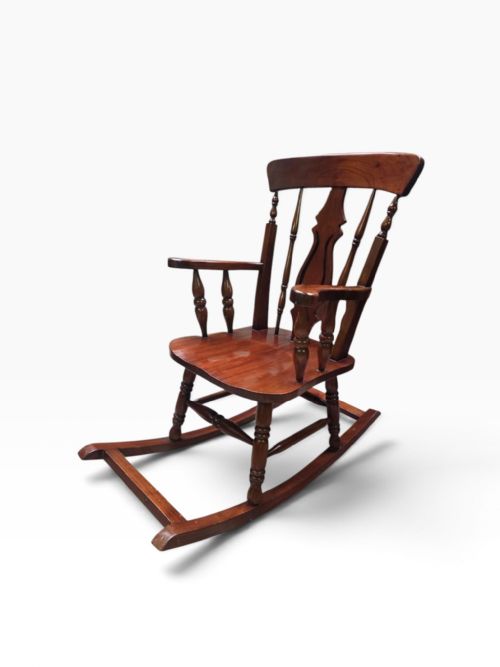
Makers utilised various related formats, including small rocking chairs, tub chairs, and bedroom chairs from the nineteenth century. These pieces share a compact footprint and generous upholstery, distinguishing them from larger fireside armchairs of the same eras.
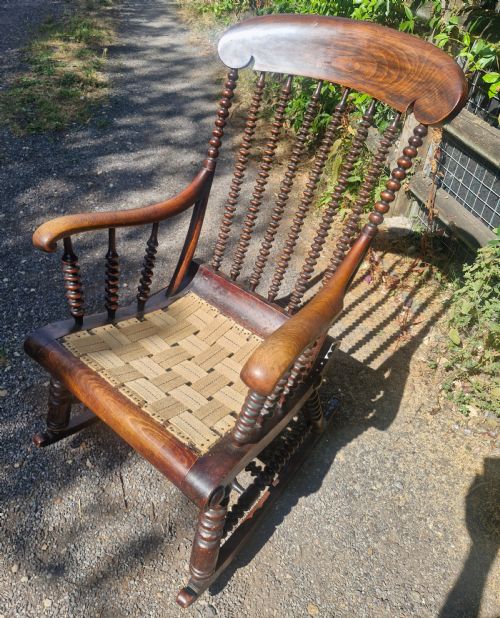
The historical spread reaches from George III and George IV through William IV and the Victorian era into Edwardian examples. Walnut and mahogany frames appear alongside rarer ebonised finishes and bobbin-turned or barley-twist structures.
Materials and Construction
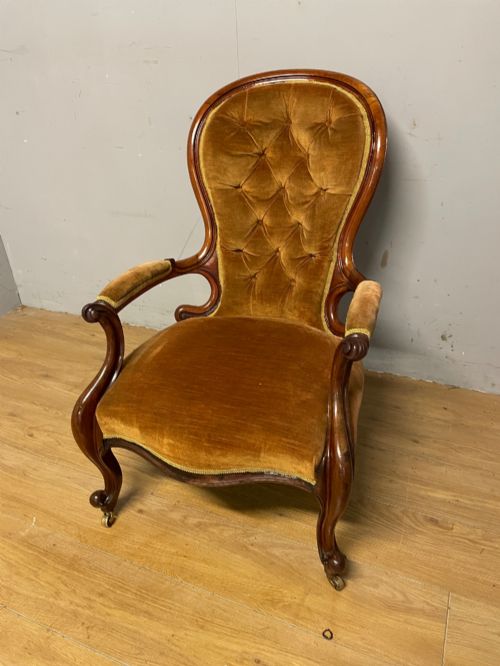
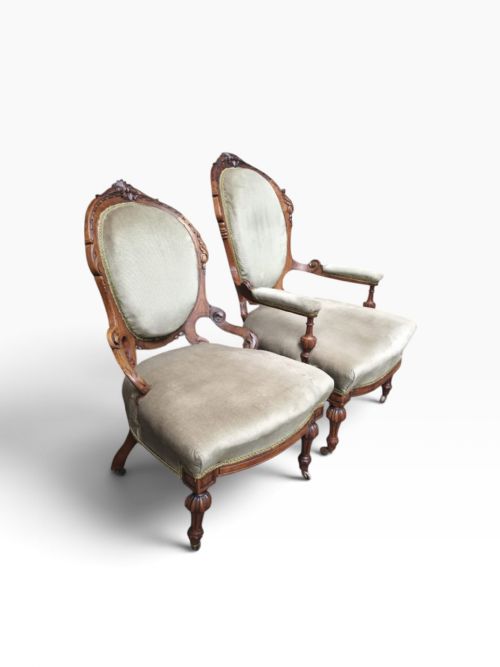
Cabinet makers built the structural frames using hardwoods such as mahogany, walnut, rosewood, elm, and ash, often incorporating turned or carved details like cabriole legs and brass castors. Joinery relied on traditional methods to support the continuous weight and pressure applied to low seating.
Upholstery forms a vital component of the construction, employing traditional stuffing techniques beneath fabrics like velvet, leather, and modern textile replacements such as Robert Kime designs. Button-backed upholstery appears frequently, requiring deep pleating and secure anchoring through the frame.
Materials recorded across the archive include brass castors, rosewood, leather, velvet, and ceramic components.
Design and Execution
The distinction between standard production and exhibition quality lies in the crispness of the wood carving and the sophistication of the frame silhouette. Elaborate walnut frames with detailed buttoning and well-proportioned spoon backs represent the upper tier of nineteenth-century manufacture.
Makers of high-status pieces demonstrated greater care in timber selection and joinery stability, whereas simpler vernacular chairs relied on local ash and elm without decorative embellishment. The integrity of the original show wood and the retention of maker stamps determine the distinction between ordinary workshop output and superior studio work.
Gillows·Holland and Sons·Howard and Sons
The Antique Nursing Armchair Glossary
- Slipper chair
- A low-seated upholstered chair originally designed for a lady's dressing room to allow ease when putting on footwear. These share the low proportions typical of nursing seating.
- Button back
- An upholstery technique where buttons are pulled tight through the padding to create a diamond-patterned tufted surface. This method secures the internal stuffing while adding a decorative texture.
- Bobbin framing
- A method of turning wood on a lathe to produce a series of rounded, spherical shapes resembling bobbins or spools strung together. It appears frequently on nineteenth-century structural frames.
- Bergere
- An enclosed wooden-framed armchair with woven cane panels on the back and sides. This lighter seating style offers visual permeability compared to fully upholstered frames.
Antique Nursing Armchair: Frequently Asked Questions
What is an antique nursing armchair?
An antique nursing armchair is a low-seated, upholstered chair built during the nineteenth century to provide comfort and support during infant feeding.
These pieces typically feature low profiles and padded backs, making them versatile for modern bedrooms and small sitting spaces.
How do I date a nursing armchair?
Dating relies on examining the timber, leg style, and upholstery framing methods visible in the piece. Victorian examples often show walnut or mahogany with button-backed velvet, while earlier Georgian versions utilise simpler elm and ash frames.
Castors, turned legs, and structural cues help narrow the production period between the early nineteenth century and the Edwardian era.
Were these chairs only used in nurseries?
Despite the traditional name, these low seats served multiple domestic functions across nineteenth-century homes, including bedroom dressing and drawing room entertaining.
Their compact scale made them suitable for any private chamber or parlour requiring accessible, comfortable seating.
Can I recover an antique nursing chair?
Many surviving chairs retain their original springs and webbing, but replacement upholstery is common to match contemporary interiors.
Preserving the underlying wooden frame while updating the fabric allows these historic pieces to function safely in modern daily use.