



Antique Nude Painting
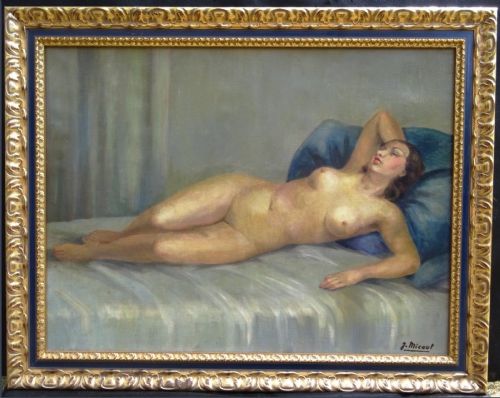
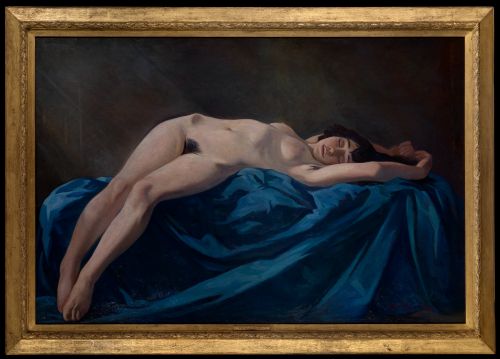
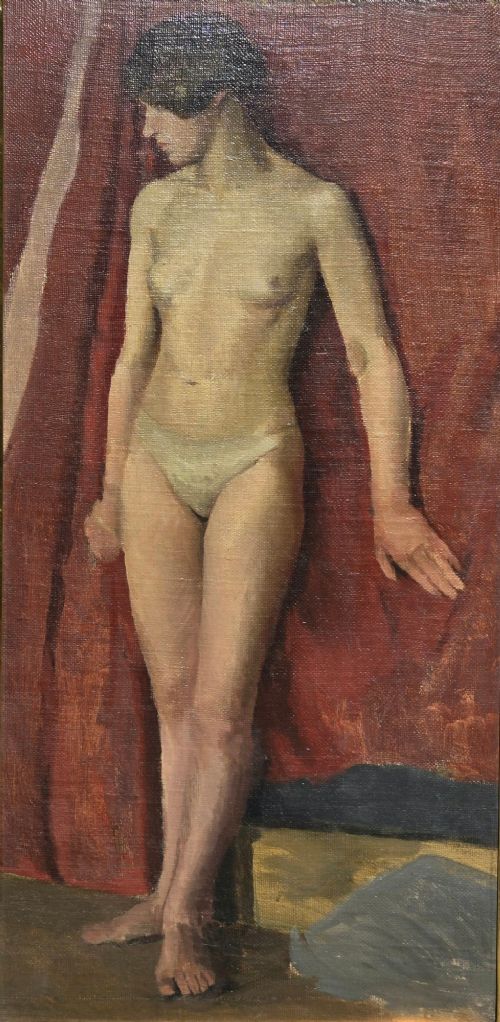
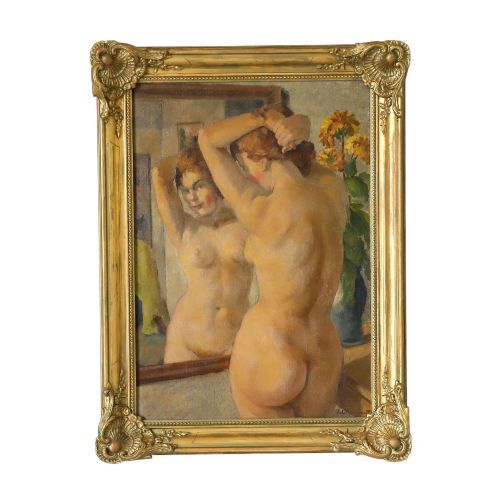
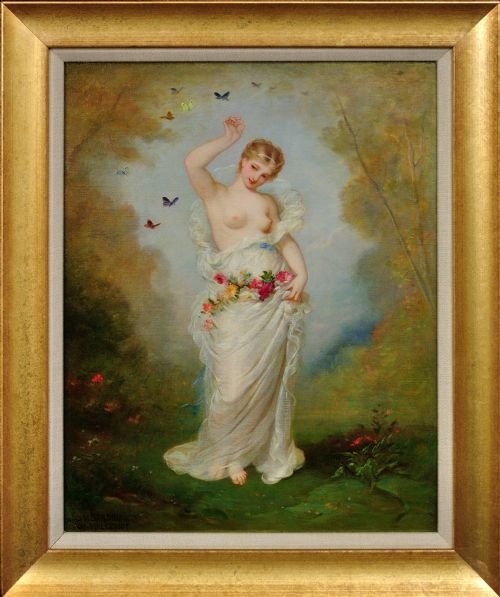
When you search for an antique nude painting, you encounter works spanning academic realism, impressionism and early twentieth-century modernism.
Antique Nude Painting
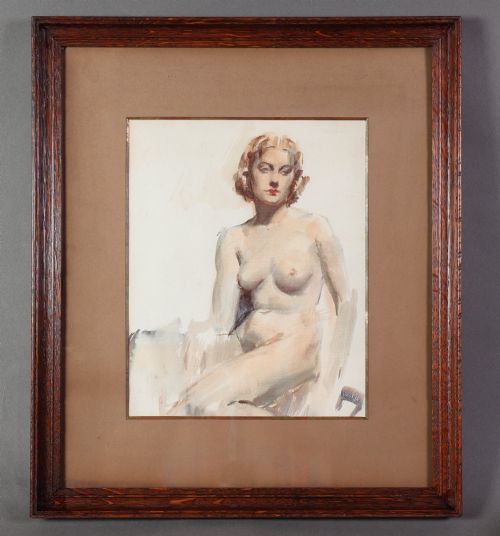
An antique nude painting encompasses oil on canvas, oil on panel, and watercolours created across the nineteenth and twentieth centuries. These artworks capture classical mythological figures, intimate interior scenes, and direct life studies by British, French, and wider European artists.
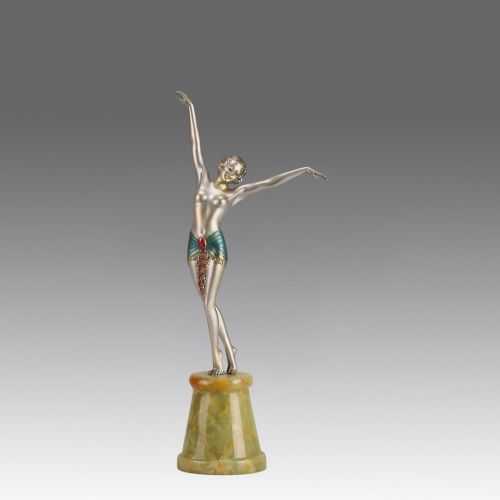
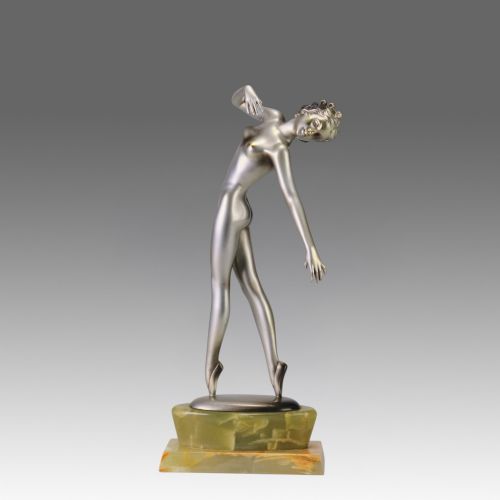
The pieces available on this page range from nineteenth-century academic and romantic compositions to avant-garde twentieth-century interpretations, including impressionist bather scenes and Art Deco miniatures. Buyers frequently encounter works executed on canvas, board, and paper from periods spanning the 1800s through to the mid-century.
Subject matter varies from narrative mythological tales involving nymphs and nereids to straightforward portraits of resting models and sunbathing figures. Each category reveals distinct regional training traditions, particularly within British and French schools of fine art.
Materials and technique
Painters typically applied oil paint onto stretched canvas, wooden panels, or heavy paper, utilising brushes and palette knives to build texture and tone. Watercolours and pen and ink on paper appear alongside these oils, representing lighter preparatory studies and finished works on paper.
Draftsmanship formed the foundation of these works, with artists sketching underlying forms before layering pigment to render flesh tones, light, and shadow. Panel paintings present smooth, resilient surfaces, whereas canvas supports exhibit visible weave textures beneath the painted layers.
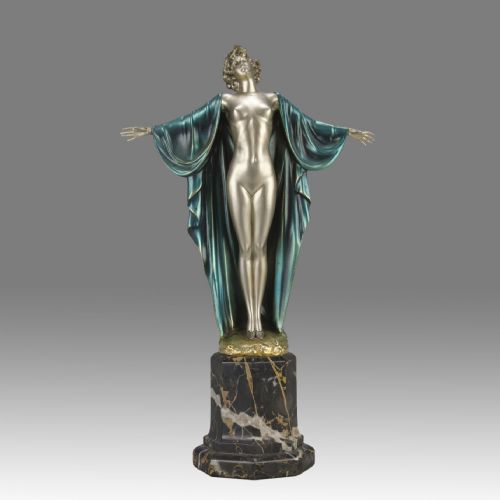
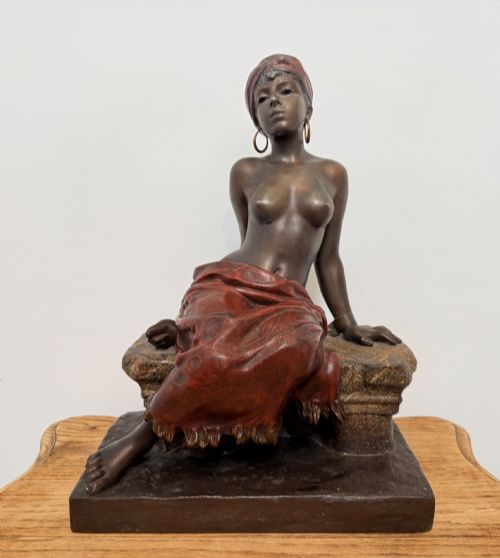
Several bronzes cleverly conceal their subjects inside sliding sarcophagi, offering viewers an interactive sculptural reveal.
Distinctions in craftsmanship
Superior works demonstrate sophisticated handling of light and anatomy, where tonal transitions across the human form display precise observation and anatomical understanding. Weaker examples rely on formulaic shading and rigid outlines that fail to capture the natural weight and volume of the subject.
The application of paint itself distinguishes fine studio output from more hurried or derivative productions, with master artists employing confident, varied brushwork. Compositional balance and the integration of the figure within its landscape or interior setting further elevate the artistic merit of individual pieces.
Ferdinand Preiss·Josef Lorenzl·Bergman Vienna·Bruno Zach·William Edward Frost
The Antique Nude Painting Glossary
- Academic Realism
- A style of painting produced under the influence of European academies of art, prioritising traditional techniques, smooth finishes, and classical subjects.
- Imprimatur
- An initial thin layer of paint applied to a canvas or panel to establish the foundational tone before the main composition is painted.
- En Grisaille
- A painting executed entirely in shades of grey or neutral monochrome, often used to emulate sculpture or as a preparatory method.
- Nereid
- A sea nymph from Greek mythology frequently depicted in classical and academic paintings involving bathing figures and water scenes.
- Intimist
- A genre of painting focused on domestic interiors and private daily life, capturing quiet moments of reflection or grooming.
Antique Nude Painting: Frequently Asked Questions
How do I date an antique nude painting?
Dating relies on examining the substrate, stretching methods, canvas type, and framing conventions alongside any visible signatures or gallery labels. Stylistic markers such as Art Deco geometry or nineteenth-century academic realism also provide clear chronological anchors.
Secondary clues include the formulation of the pigments and the ageing of the varnish layer, which yellows predictably over decades. Comparing the handling of the paint to documented works by known schools or practitioners helps narrow the period further.
What is the difference between oil on canvas and oil on panel?
Oil on canvas involves pigment applied to a woven fabric stretched over a wooden frame, introducing subtle texture from the threads beneath the paint layer. Oil on panel utilises a rigid wooden board or support, offering a smooth, stable surface that resists the cracking sometimes caused by canvas movement.
Panel paintings often allow for finer, more detailed brushwork because the rigid ground absorbs less paint flexibility. Canvas works, conversely, accommodate larger compositions more easily due to the lightweight nature of stretched fabric.
Where were most of these paintings produced?
The works originate predominantly from European art centres, with significant representation from British and French studios. Vienna, Brussels, and various regional schools across the continent also contributed notable pieces.
French academic institutions and British academies trained many of the painters whose works appear here, instilling rigorous standards of draftsmanship. Artists frequently travelled or exhibited internationally, spreading stylistic movements across borders.