





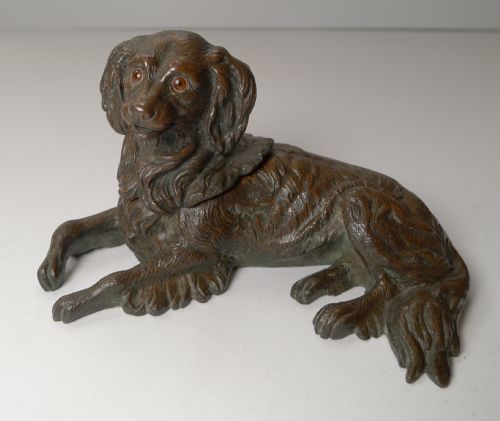


Antique Novelty Bronze
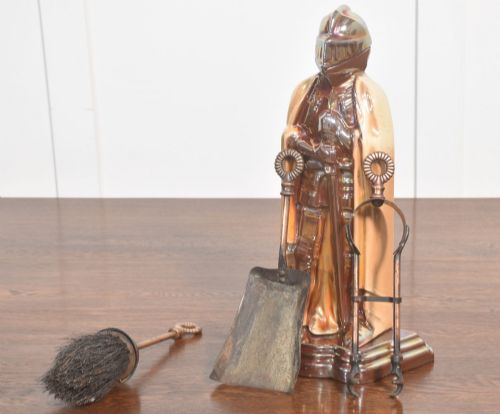
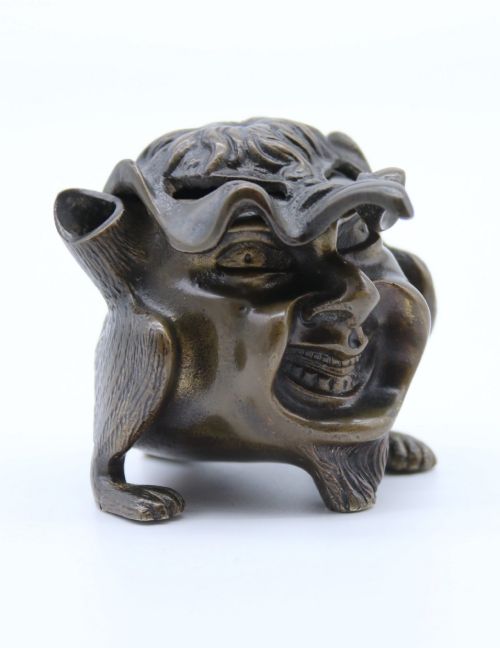
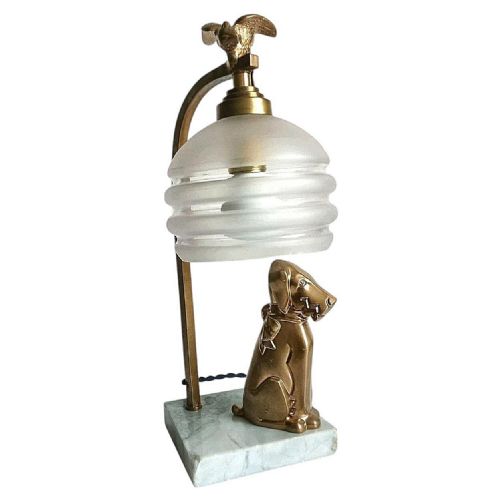
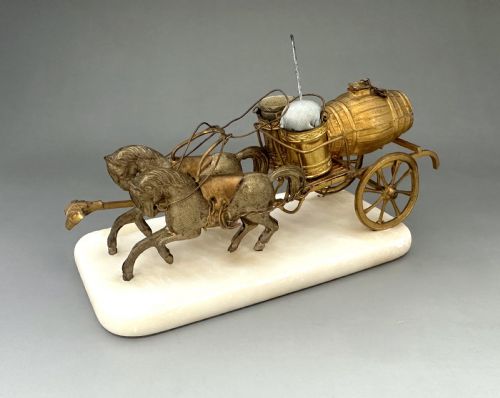
These antique novelty bronze pieces transform everyday items like inkwells and clocks into witty animal figures and theatrical characters.
Antique Novelty Bronze
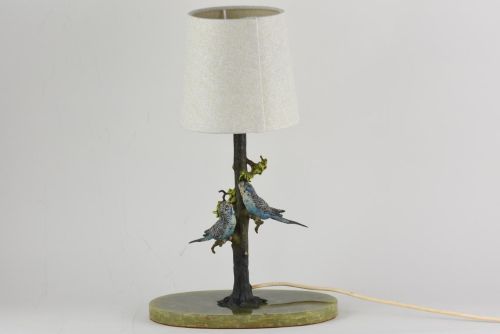
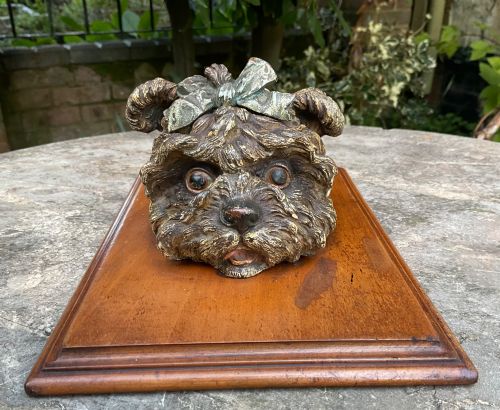
When searching for antique novelty bronze, collectors encounter practical desk accessories and household items cast in clever figurative shapes. These pieces range from Victorian animal studies and inkwells to Art Deco table lighters and desk clocks.
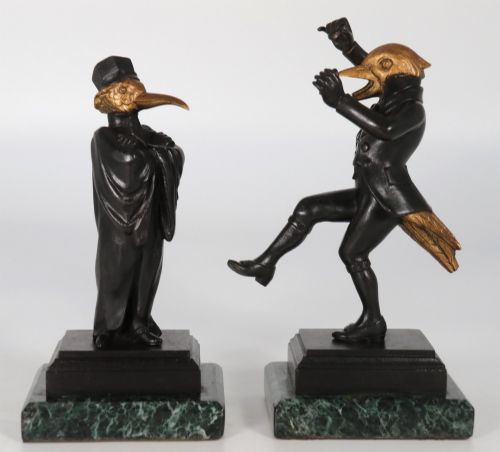
The objects frequently take the form of animals, birds, and human caricatures, serving both a decorative and a utilitarian purpose on desks and mantelpieces. Animals appear dressed in human clothing, while mechanical figures incorporate movements into everyday functions.
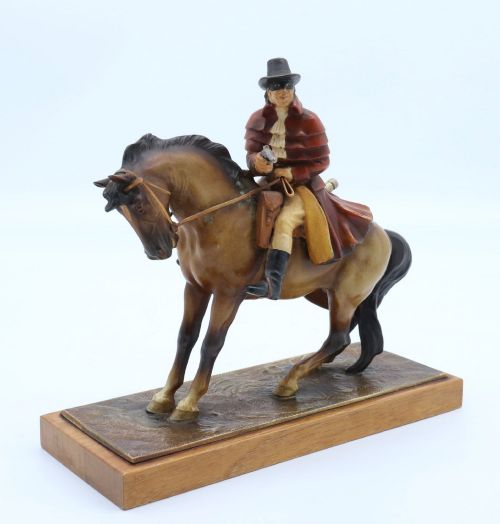
Examples on this page span the late nineteenth century through the Art Deco period, with strong representation from Victorian and Edwardian workshops. Inkwells and desk companions dominate the forms, alongside clocks and table lamps.
Materials and manufacturing techniques
Foundry work relies on casting metals such as bronze, brass, spelter, and cast iron into detailed moulds. Cold painted finishes add naturalistic colour to bronze animals, while gilt and ormolu treatments provide metallic lustre.
Makers incorporate inset glass eyes, champleve enamel, and cut crystal to enhance the realism and decorative appeal of animal and figural forms. Patination techniques create deep dark tones or aged surfaces on the metal bodies.
Antique Novelty Bronze Retail Price Guide 2026
Typical asking prices for novelty bronze among the pieces listed under this phrase on Sellingantiques today, from the lower quarter to the upper quarter. They describe what is for sale here now, not the wider market.
Listings feature items from the Victorian, Edwardian, and Art Deco periods, utilising bronze, brass, spelter, and glass.
Factors that determine quality
The crispness of the casting and the definition of fine details separate superior examples from simpler production pieces. Well-defined fur, feathers, and facial expressions indicate skilled hand-chasing after the metal leaves the mould.
The preservation of original cold painted colour or gilding significantly affects the integrity of a piece. Integrated functional elements, such as working hinged lids on inkwells or intact glass eyes, maintain the original design intent.
Hessen Paris·Andre Guilmet·Barwise London
The Antique Novelty Bronze Glossary
- Cold painted bronze
- Bronze figures painted with naturalistic pigments that are left to dry without kiln firing. This technique produces detailed multi-coloured finishes common on Austrian animal figures.
- Ormolu
- Gilded bronze produced by applying a mercury and gold amalgam to the metal surface. The process creates a rich golden finish seen on nineteenth-century decorative items.
- Spelter
- An alloy of zinc and lead used as a cost-effective alternative to bronze. It receives patination or paint to resemble heavier metals.
- Vide poche
- A small decorative dish or tray meant for emptying pockets of coins and keys. These often incorporate cast figural elements or animal motifs.
- Champleve enamel
- A technique where troughs are gouged into a metal surface and filled with vitreous enamel powder before firing. The coloured glass paste creates vibrant decorative patterns.
Antique Novelty Bronze: Frequently Asked Questions
How were these bronze inkwells used?
Inkwells sat on writing desks to hold liquid ink for dip pens, with hinged lids protecting the well from dust. The novelty figures often formed the lid or the surrounding stand.
Owners dipped their nibs into the hidden well, while the decorative bronze creature provided amusement during correspondence.
How do I care for cold painted bronze?
Cold painted pieces require gentle dusting with a soft brush rather than liquid cleaners or polishes. Moisture can damage the fragile pigments applied to the metal surface.
Keep the items away from direct sunlight and humidity to preserve the original painted colours.
How do I distinguish bronze from spelter?
Bronze feels heavier, rings with a clearer tone when struck gently, and holds a deep warm patination. Spelter is softer, lighter, and often shows a greyish metal underneath worn paint.
Magnification helps reveal the sharper chiselling typical of cast bronze compared to the softer edges of spelter.