

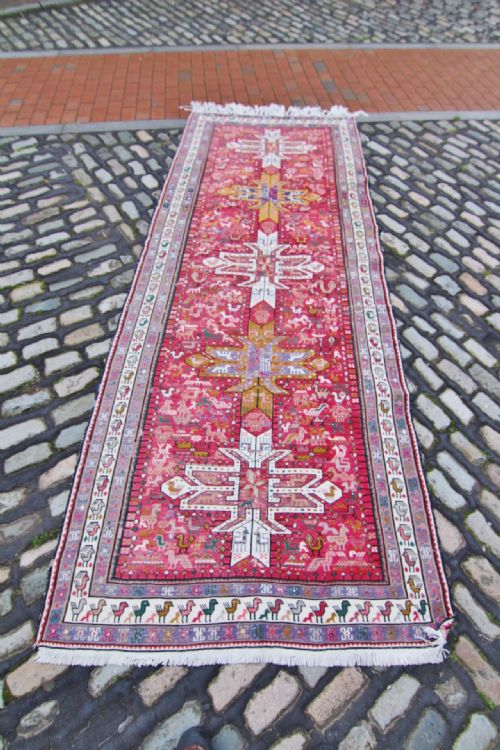
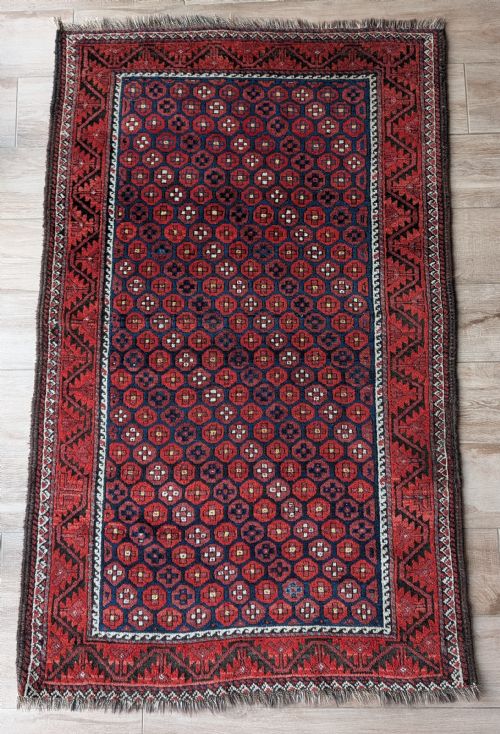
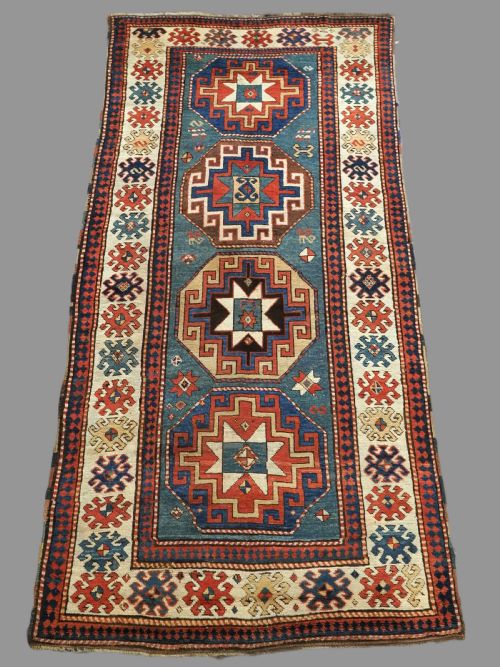
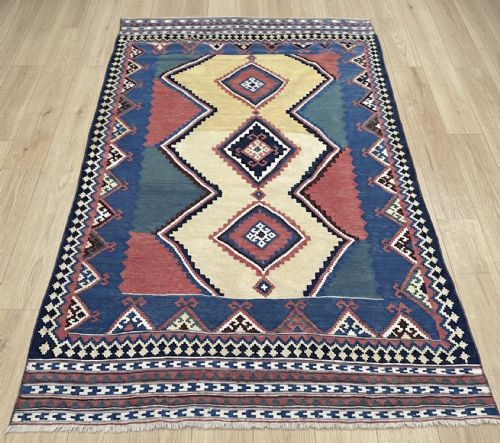
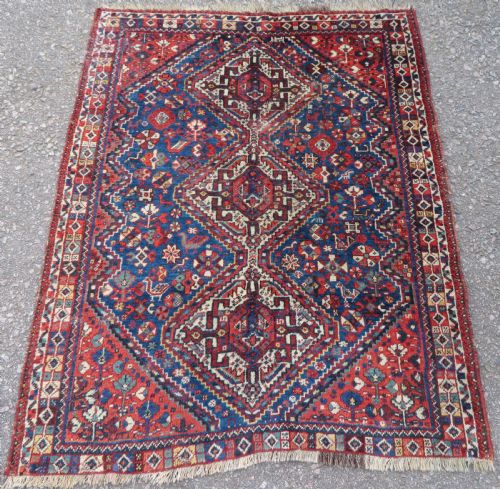
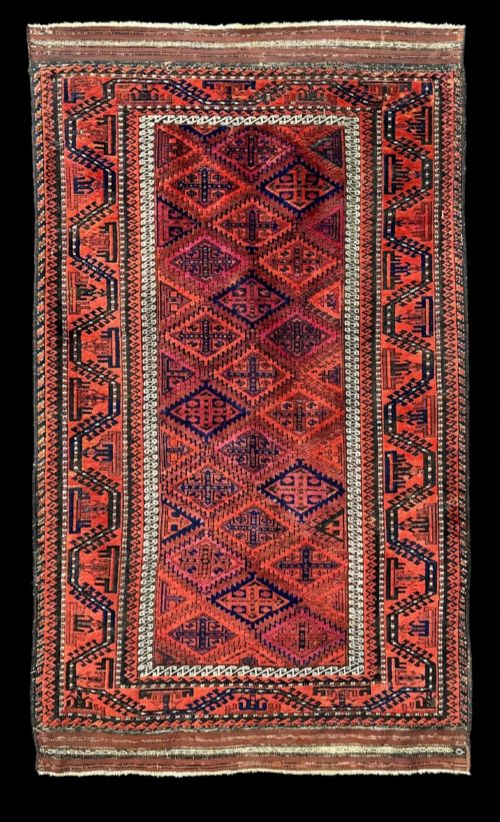
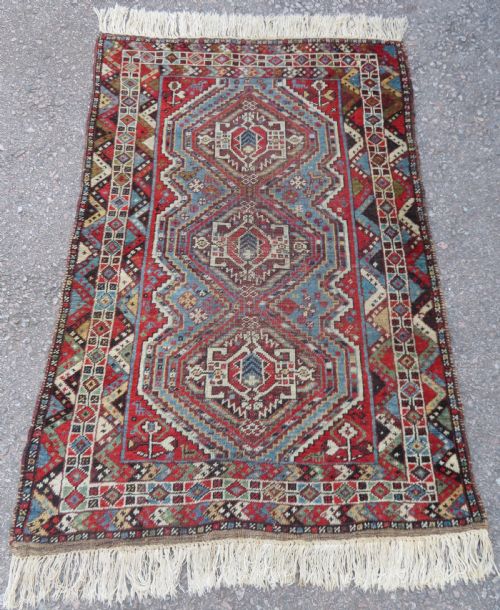
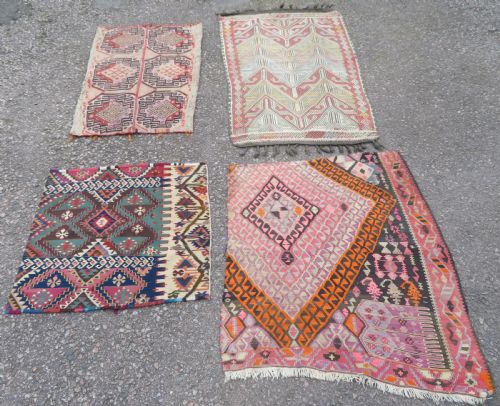

Antique Nomadic Runner
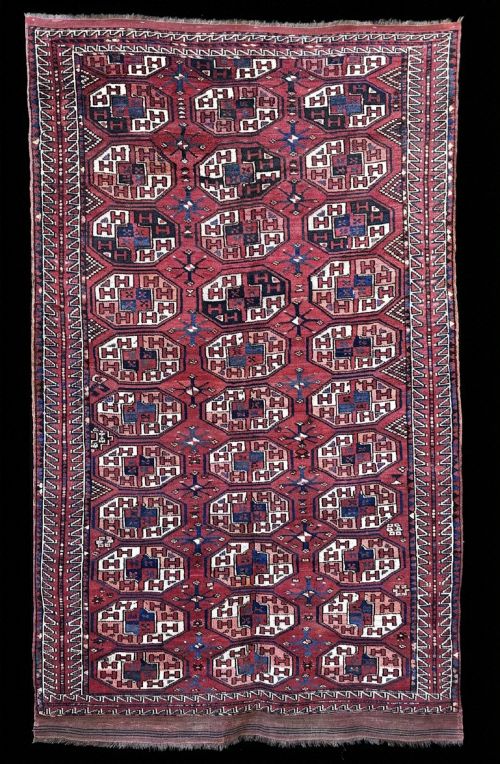
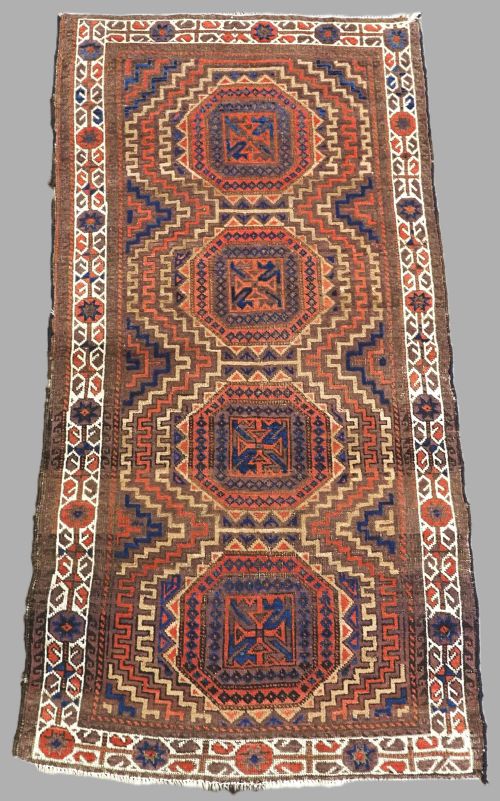
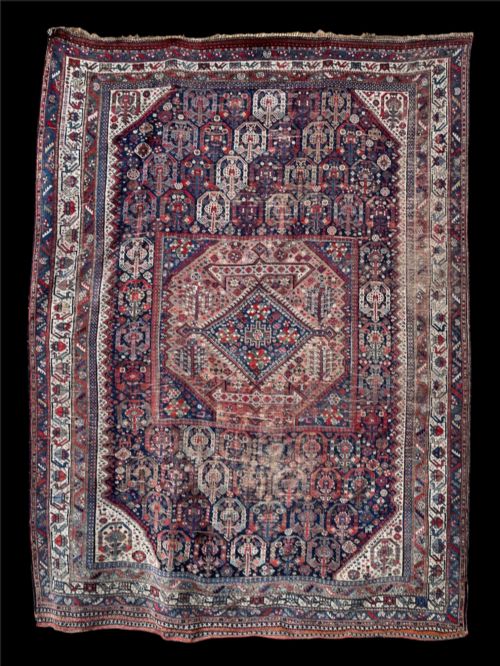
An antique nomadic runner brings the bold tribal artistry of nineteenth and early twentieth century weavers directly into your hallway.
Antique Nomadic Runner
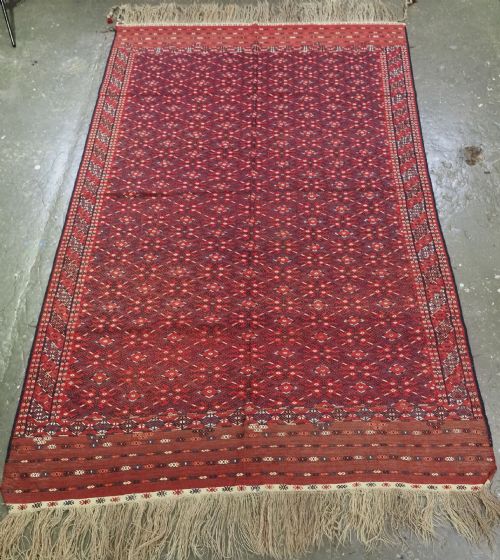
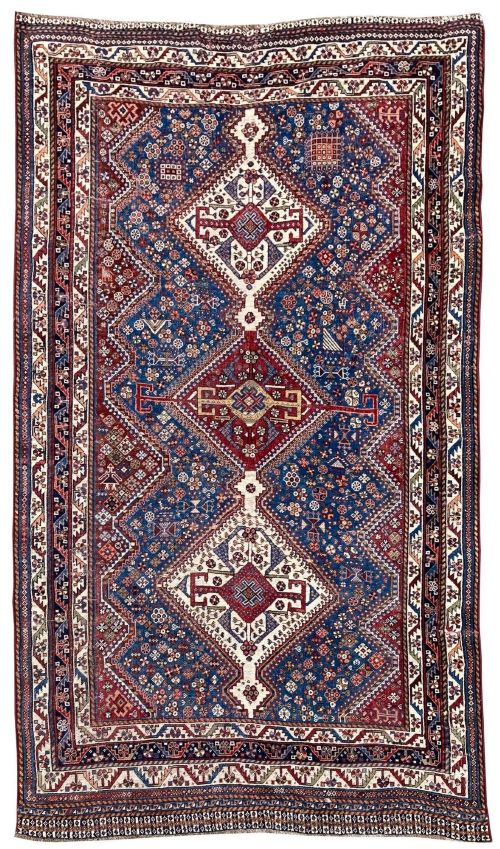
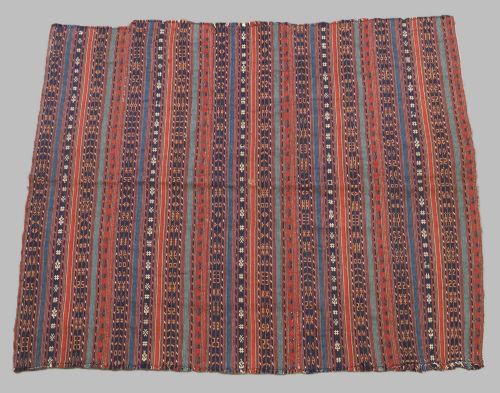
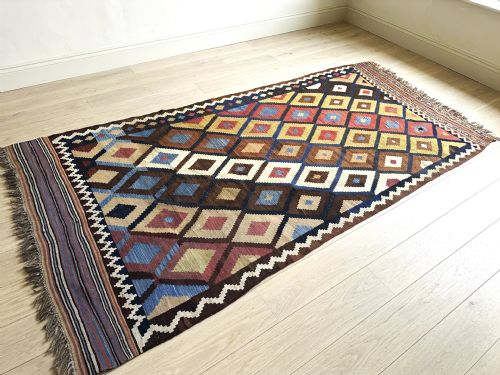
The antique nomadic runner sits within a tradition of narrow, elongated floor coverings woven by tribal and village groups across Persia, Anatolia, the Caucasus, and Central Asia. When you search for an antique nomadic runner, you encounter long, narrow formats designed for tents, corridors, and specific architectural spaces by groups such as the Baluch, Kurds, and Khamseh.
The pieces on this page span the late nineteenth century through to the 1930s, encompassing regional styles from Persian tribal areas to Central Asia. These textiles reflect the utilitarian needs of nomadic and semi-nomadic communities, translating practical floor coverings into expressive artistic statements through geometric patterns and tribal motifs.
How they were made
Weavers constructed these runners using hand-spun wool and cotton, often incorporating goat hair for durability along the edges and warps. Natural dyes provided the palette, yielding rich colours that soften gracefully over time without losing their underlying depth.
The techniques rely on traditional hand-weaving methods, producing either piled carpets or flatweave kilims depending on the tribal group and regional custom. These methods ensured the textiles could withstand the rigours of daily nomadic life.
Antique Nomadic Runner Retail Price Guide 2026
Typical asking prices for nomadic runner among the pieces listed under this phrase on Sellingantiques today, from the lower quarter to the upper quarter. They describe what is for sale here now, not the wider market.
Bread sofrehs occasionally carry stray grains of nomadic wheat folded deep within their flatweave folds.
What varies in quality
Quality in these runners rests on the precision of the weave and the saturation of the natural dyes used across the field. Finer knotting and well-balanced proportions separate exceptional tribal examples from simpler utility pieces.
The integrity of the wool and the preservation of original selvedges and ends also dictate the standing of a textile. Examples that retain their full length and graphic clarity command greater attention from collectors.
The Antique Nomadic Runner Glossary
- Gul
- A medallion or repeated octagonal motif frequently found in Turkmen and Baluch carpets. These symbols often denote specific tribal lineages.
- Kilim
- A flatweave textile produced without a pile by tightly interweaving warp and weft threads. They serve as floor coverings, covers, and bags.
- Mihrab
- A niche design representing the prayer direction towards Mecca, commonly seen in prayer rugs and specific runners. It provides a focal point for the composition.
- Sofreh
- A spread or cloth used for sharing meals or kneading bread within nomadic households. These items frequently feature striking tribal iconography.
- Selvedge
- The bound or reinforced edge of a rug that prevents the side cords from unravelling. Original selvedges indicate a well-preserved textile.
Antique Nomadic Runner: Frequently Asked Questions
Where were antique nomadic runners made?
These runners originate from tribal regions across Persia, Anatolia, the Caucasus, and Central Asia. Nomadic and village weavers produced them in areas such as Khorassan, Luristan, and Turkmenistan.
Production centres often aligned with specific confederacies, including the Khamseh, Qashqai, and various Kurdish groups. Each region imparted distinct weaving structures and colour palettes to its textiles.
How do I care for an antique wool runner?
Vacuum the runner gently without using a rotating brush roll to protect the hand-spun pile and flatweave ends. Keep the textile out of direct sunlight to prevent natural dyes from fading prematurely.
Rotate the runner periodically to ensure even wear across high-traffic areas. Professional cleaning should occur only when necessary using specialists familiar with antique tribal wool.
How do I identify tribal designs?
Tribal designs rely on geometric motifs, repeating guls, stylized animal forms, and symbolic tree of life patterns rather than elaborate floral curves. These patterns often reflect the oral traditions and environment of the weaving group.
Examining the structural quirks, wool quality, and dye combinations helps attribute a piece to specific groups like the Baluch or Luri. Regional palettes and knotting quirks remain key indicators for identification.