



Antique Neoclassical Bench
An antique neoclassical bench brings disciplined symmetry and classical restraint into a room, offering a long seat shaped by ancient Greek and Roman ideals.
Antique Neoclassical Bench
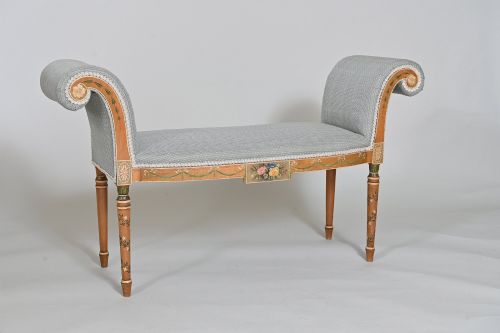
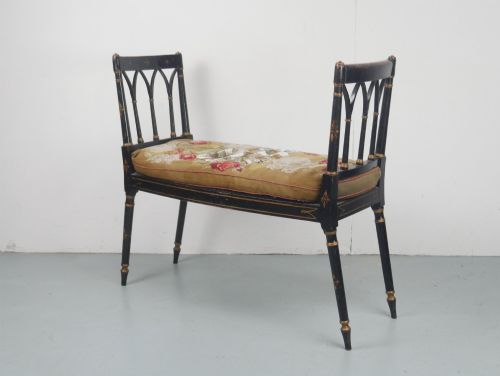
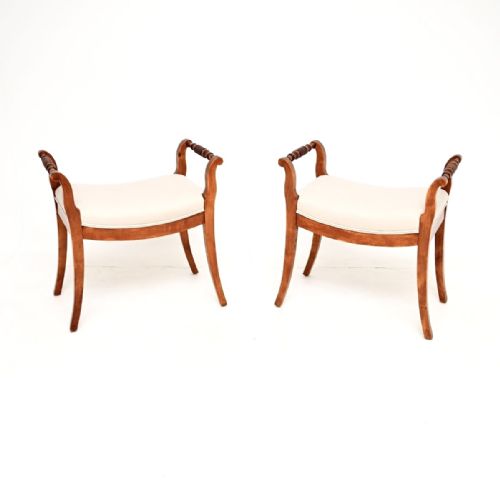
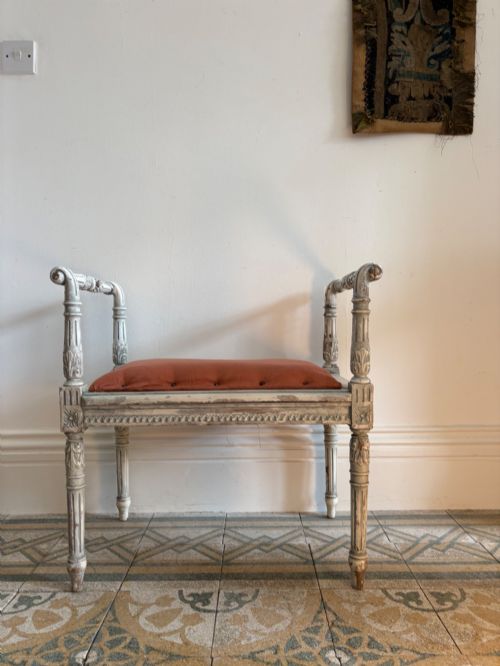
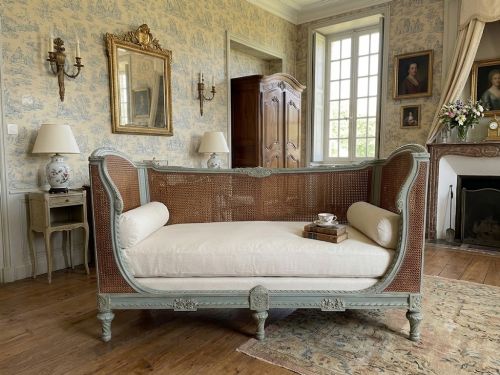
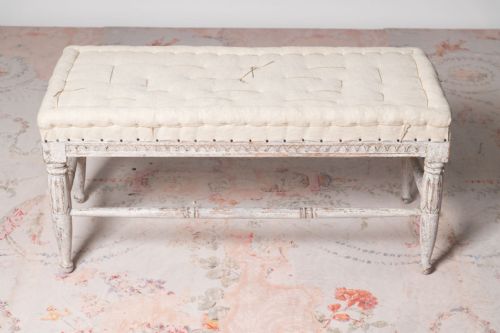
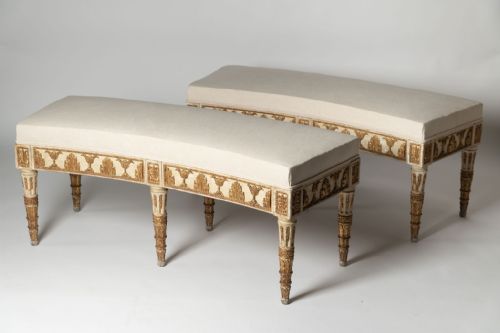
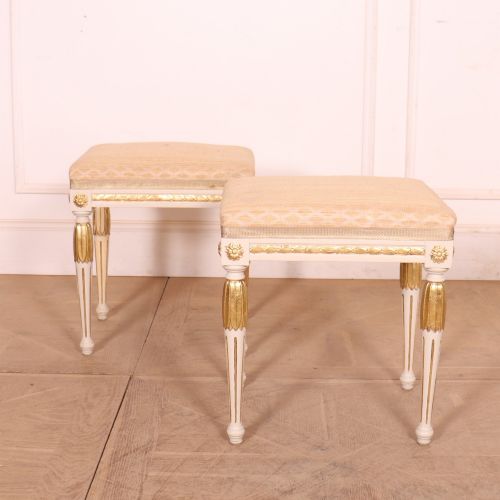
When you search for an antique neoclassical bench, you encounter a selection of long seats, window seats, and stools spanning the eighteenth century through to the early twentieth century. These seating forms draw upon classical architectural vocabulary, displaying balanced proportions, rectangular outlines, and structural clarity derived from archaeological discoveries of the period.
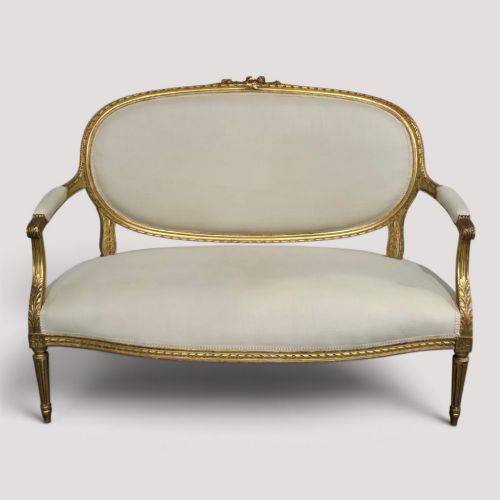
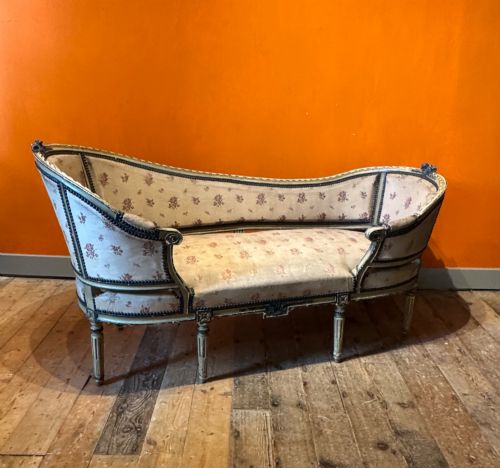
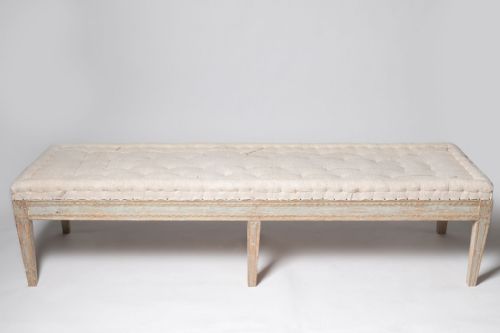
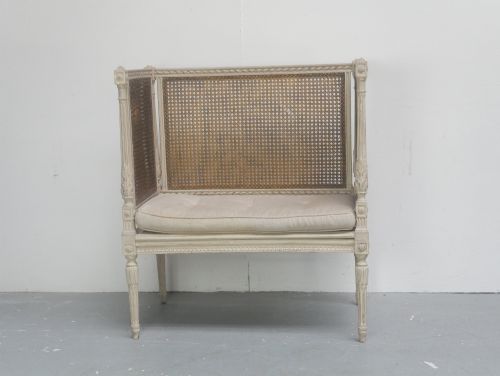
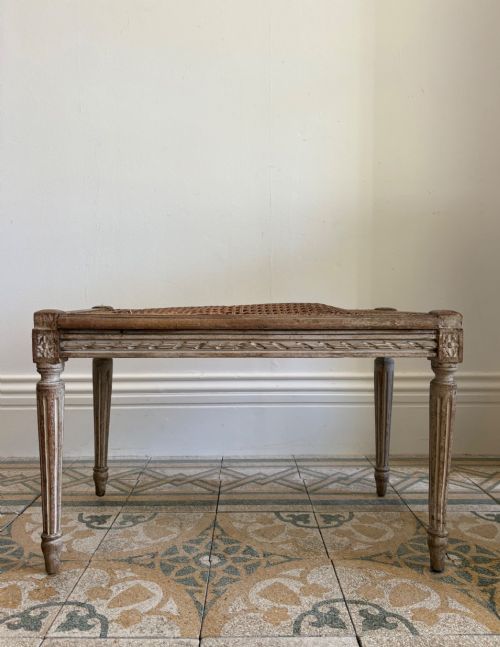
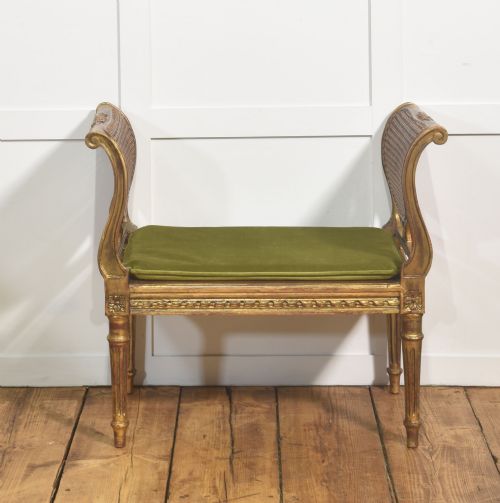
The pieces on this page originate from diverse European traditions, prominently featuring Swedish Gustavian designs, French Louis XVI and Empire creations, Italian giltwood pieces, and British Georgian styles. Forms vary from simple long stools and window seats with square tapering legs to more elaborate giltwood X-frame stools and upholstered settees.
The most frequently met examples combine painted wood or gilded surfaces with cane panels, silk, linen, or damask upholstery. They function practically as supplementary seating in hallways, bedrooms, and reception rooms, while visually anchoring a scheme with historical lineage.
How they were made
Timbers such as mahogany, satin birch, and oak provide the foundational carcases, often shaped through traditional joinery and detailed carving. Craftsmen applied layers of gesso and paint, frequently in white or muted tones, or finished the timber with fine gilding to catch the light.
Surface ornamentation relies on contrasting materials, utilising brass mounts, ormolu details, and inlaid satinwood to articulate the classical motifs. Canework panels are tightly woven into seat frames, while upholstered versions incorporate traditional stuffing covered in textiles like silk, linen, and red damask.
Antique Neoclassical Bench Retail Price Guide 2026
Typical asking prices for neoclassical bench among the pieces listed under this phrase on Sellingantiques today, from the lower quarter to the upper quarter. They describe what is for sale here now, not the wider market.
Listings on this page span the 18th century, 19th century, and early 20th century, utilising materials like giltwood, mahogany, cane, and painted wood.
What varies in quality
The refinement of the carving and the purity of the classical proportions determine the distinction between standard utilitarian seating and exceptional cabinetwork. Well-drawn frames exhibit harmonious relationships between the height of the legs, the sweep of the arm supports, and the length of the seat rail.
The integrity of the original surface finish dictates the preservation grade of each piece, whether that involves undisturbed period paint, genuine gilding, or patinated mahogany. Subtle details such as hand-woven cane and the precision of ormolu mounts elevate the execution of the design.
The Antique Neoclassical Bench Glossary
- Gustavian
- The Swedish interpretation of neoclassical design, characterised by restrained carving, pale painted finishes, and functional elegance. This style emerged during the late eighteenth century under King Gustav III.
- X-frame
- A structural furniture base formed by intersecting diagonal legs shaped like the letter X. It traces its lineage back to ancient Roman folding stools and often supports high-status seating.
- Ormolu
- Gilded bronze mounts applied to furniture for decorative accent and visual contrast. Makers cast and chased these metal elements to catch the light against dark mahogany or painted surfaces.
- Caning
- A woven lattice made from peeled rattan strips, utilised for light and flexible seat panels. This technique provides breathable support while adding texture to wooden frames.
Antique Neoclassical Bench: Frequently Asked Questions
Where should I place a neoclassical bench?
These long seats sit comfortably beneath large windows as window seats, function at the foot of a bed in a bedroom, or line a spacious hallway.
Their linear profiles and low backs allow them to provide seating without blocking light or obstructing views through a room.
How do I distinguish Gustavian from French neoclassical?
Gustavian pieces from Sweden favour lighter, restrained paint finishes, simpler fluted legs, and a subtle application of classical motifs.
French equivalents from the Louis XVI or Empire periods often display more ornate carving, richer gilding, and the addition of bronze or ormolu mounts.
Can I use these benches for daily seating?
Many examples are structurally robust enough for regular use, provided the wooden frame and joints remain sound and stable over time.
Pieces with delicate caning or historic silk upholstery benefit from more considered placement where weight distribution is managed carefully.
What is a window seat?
A window seat is a specialised form of long stool or bench engineered specifically to sit low within the architectural recess of a window bay.
They offer a resting place designed to match the interior woodwork and decorative style of the surrounding room.