



Antique Needlework Tapestry
These pieces of antique needlework tapestry bring centuries of hand-stitched artistry, botanical colour and classical narrative straight into a modern interior.
Antique Needlework Tapestry
When you search for antique needlework tapestry, you are looking at centuries of textile art spanning framed pictorial woolwork, samplers, suzanis and upholstered furnishings. The examples most frequently met on this page date from the Victorian and nineteenth-century periods, alongside earlier seventeenth and eighteenth-century fragments.
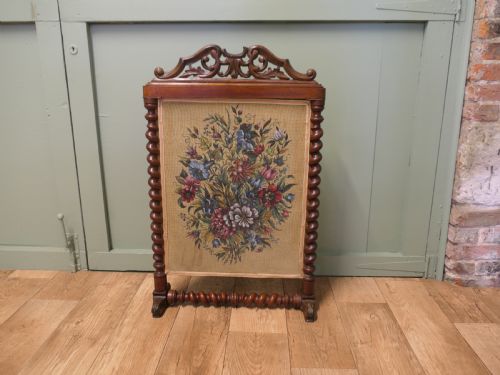
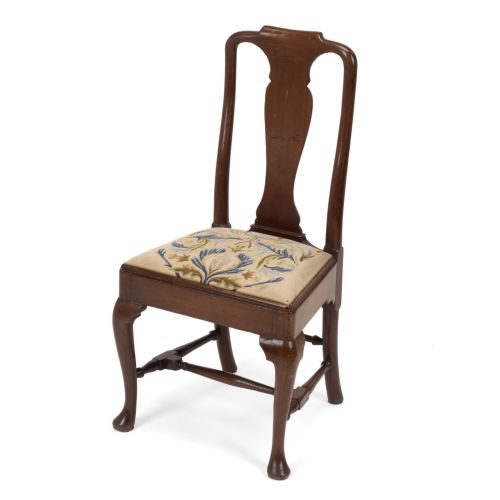
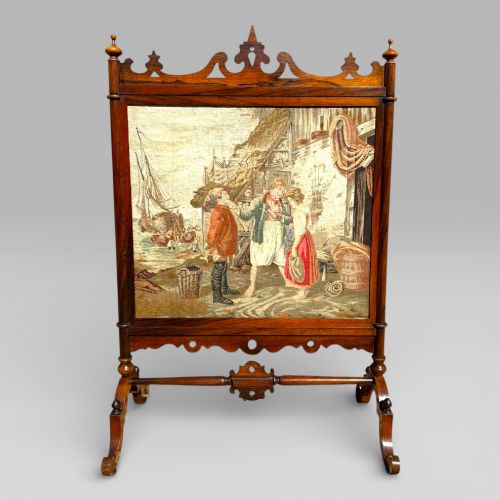
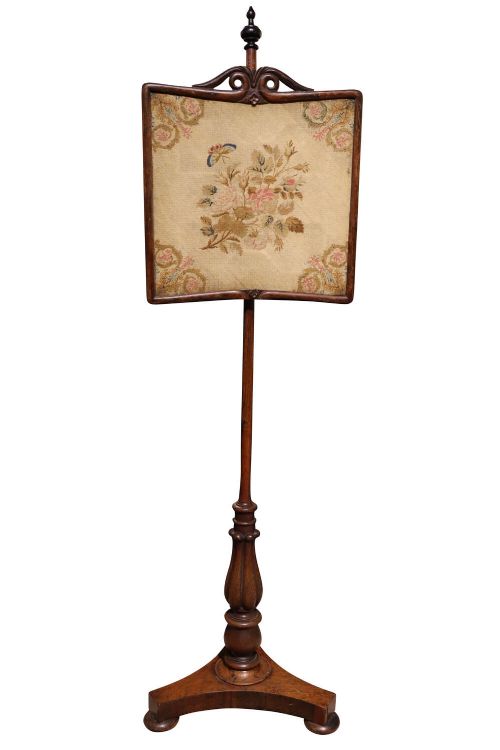
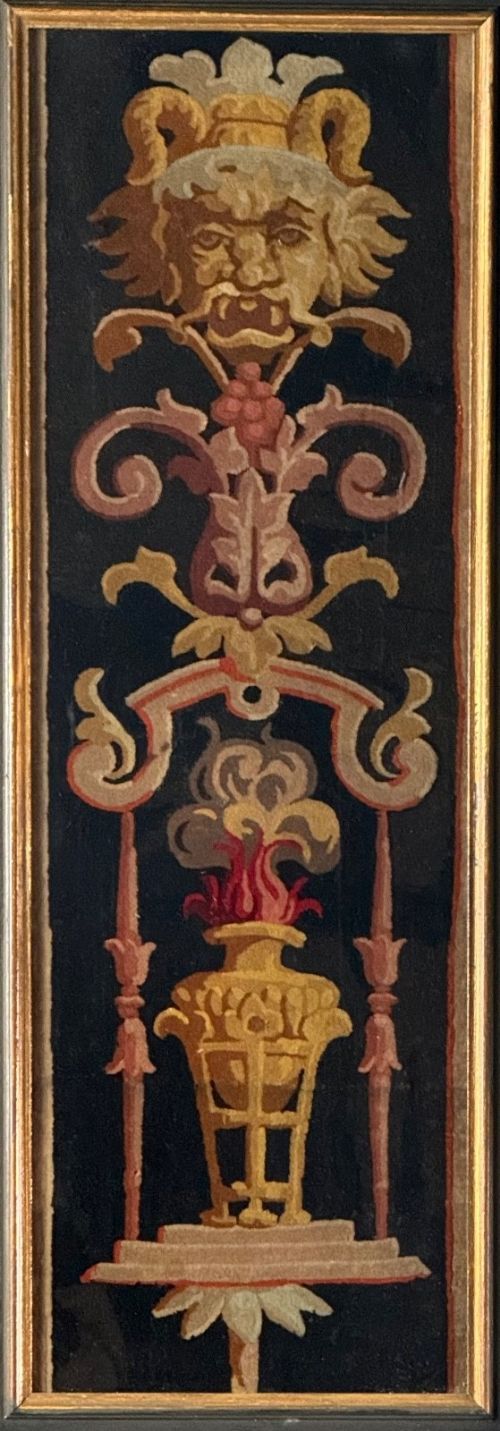
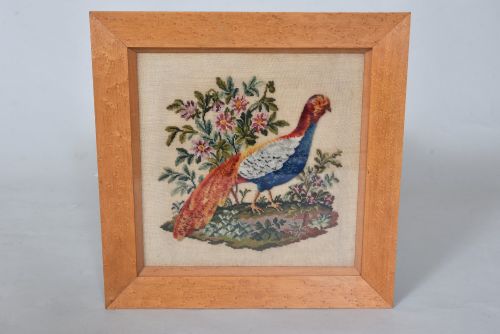
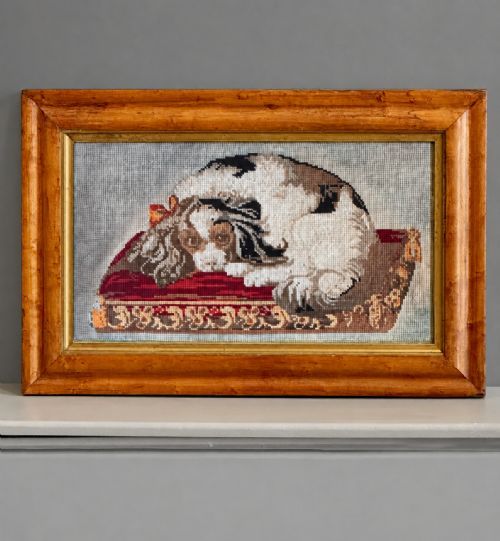
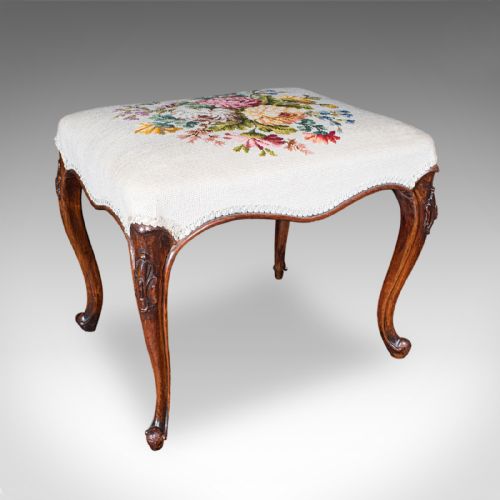
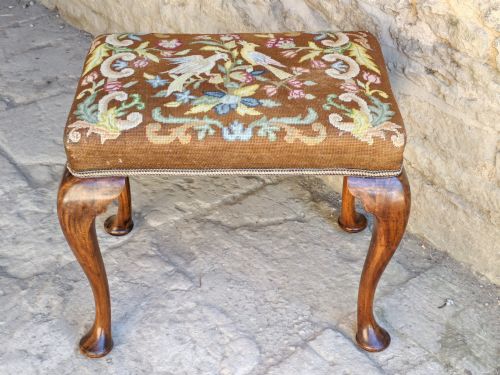
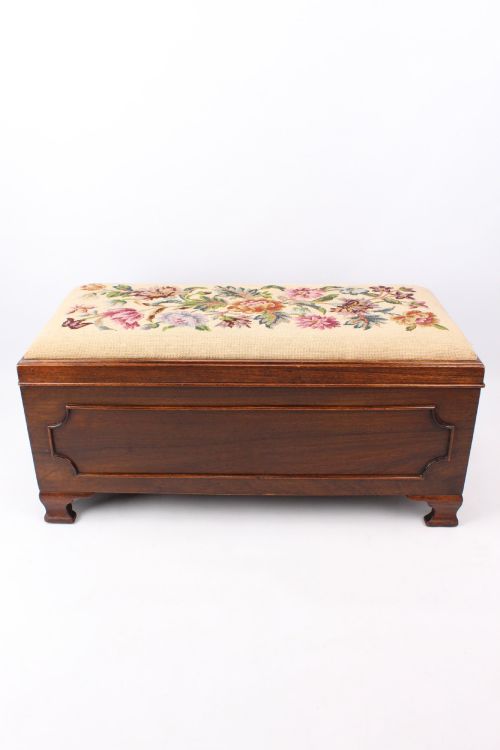
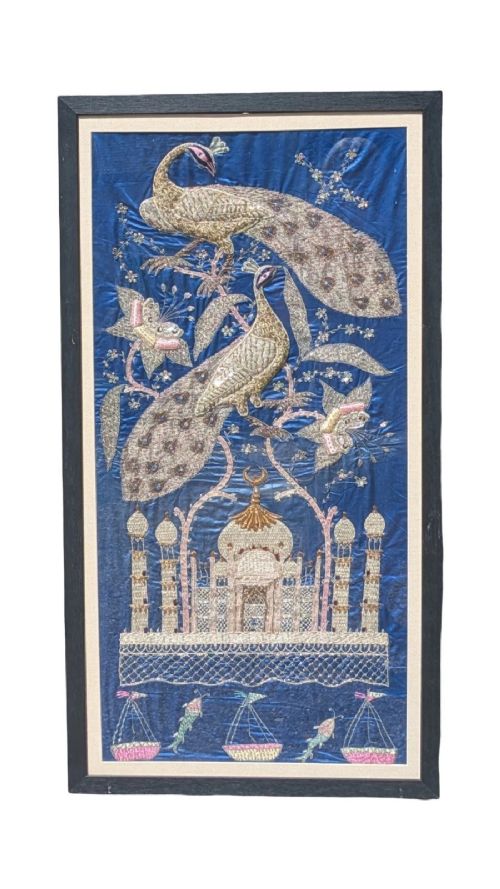
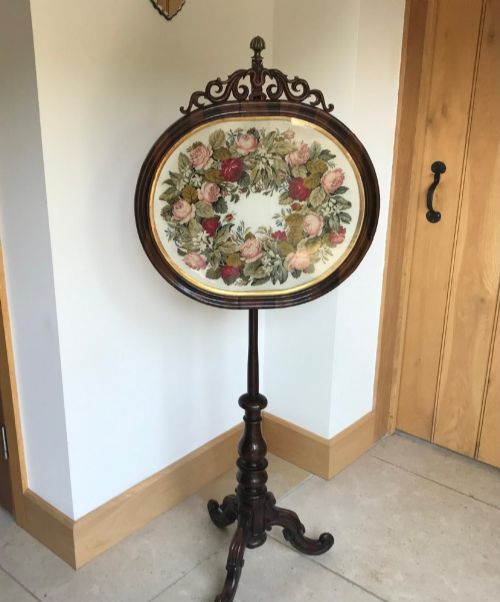
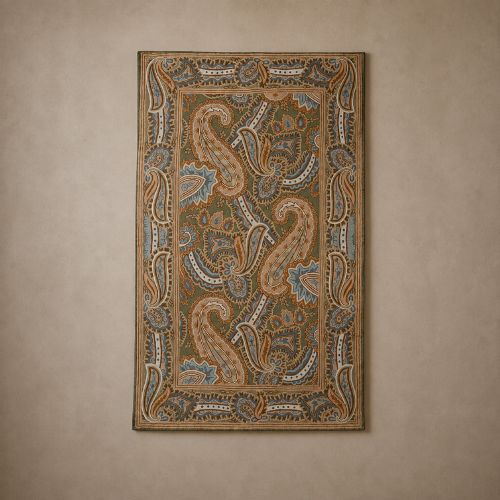
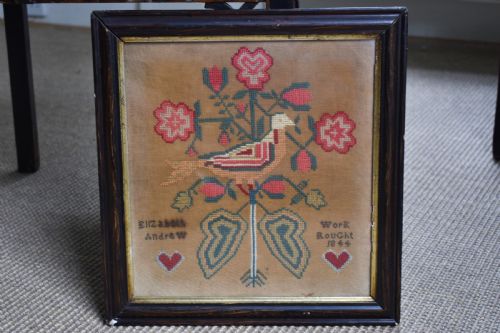
The forms vary widely from wall hangings, framed silk pictures and crewelwork panels to functional household items like pole screens, fireside footstools and armchairs. Whether you encounter a brightly coloured Berlin work spaniel or a detailed Central Asian suzani, each piece preserves traditional hand stitching on a base of linen, cotton, wool or canvas.
How They Were Made
The foundation materials rely heavily on sturdy natural textiles such as linen, canvas, cotton and woven wool, providing a stable ground for complex thread work. Artisans utilised wool, silk and metal threads to build up dense textures, stitching detailed pictorial scenes, floral patterns and geometric motifs by hand.
Framed works often incorporate specialised glazing or original timber surrounds like burr maple, rosewood and carved mahogany, protecting the delicate fibres within. Larger textile panels employ crewelwork embroidery or plushwork techniques, building dimensional depth through varied stitch lengths and multi-stranded yarns.
Antique Needlework Tapestry Retail Price Guide 2026
Typical asking prices for needlework tapestry among the pieces listed under this phrase on Sellingantiques today, from the lower quarter to the upper quarter. They describe what is for sale here now, not the wider market.
Someone spent countless winter evenings stitching a remarkably fierce tiger out of wool, ensuring its whiskers stayed wonderfully crisp for centuries.
What Varies in Quality
The distinction between ordinary and exceptional pieces lies in the precision of the needlework and the complexity of the colour palette. Finer examples display meticulous stitch tension, subtle tonal blending and sophisticated pictorial composition rather than rigid, mass-produced symmetry.
Material preservation heavily influences overall quality, particularly where original silk and metal threads remain vibrant alongside intact period frames. The artistry of the designer and the intricacy of the execution separate standard domestic samplers from masterwork wall hangings and portraits.
The Antique Needlework Tapestry Glossary
- Berlin work
- A popular mid-nineteenth-century style of needlepoint stitched in brightly coloured wools using charted grid patterns. It allowed home makers to create vivid pictorial scenes and animal portraits.
- Suzani
- A type of embroidered and decorative tribal textile traditionally made in Tajikistan, Uzbekistan and other Central Asian regions. These large panels feature bold floral designs and silk embroidery on cotton or linen foundations.
- Crewelwork
- A traditional form of surface embroidery using wool yarn on a fine linen or cotton twill fabric. It creates textured, scrolling floral and fauna designs often found on large wall hangings.
- Pole screen
- A nineteenth-century adjustable standing screen designed to protect a person's face from the intense heat of an open fireplace. The embroidered or needlework panel slides vertically on a wooden pole.
- Sampler
- A piece of needlework produced as a demonstration or test of skill in various stitches and alphabets. Earlier examples often record dates, maker names and moral verses.
Antique Needlework Tapestry: Frequently Asked Questions
How should I hang a large antique tapestry panel?
Large textile panels and wall hangings require even weight distribution to prevent distortion of the fabric over time. Professional framing behind conservation glass or mounting on a padded, fabric-covered batten safely supports the piece.
Keep textiles away from direct sunlight and moisture to preserve the natural wool and silk threads.
Can I use an antique needlework stool daily?
Many nineteenth-century footstools and armchairs retain their original needlepoint or gros-point upholstery. Gentle daily use is generally suitable if the wooden frame is stable and the underlying canvas remains strong.
Avoid placing heavy items on the stitched surface and check the tension of the wool periodically.
What is the difference between needlepoint and tapestry?
Needlepoint is stitched by hand through an existing stiff mesh canvas grid, whereas traditional tapestry is woven on a loom using warp and weft threads. Many people use the terms interchangeably for historic embroidered wall art.
Examining the reverse side reveals whether the design is stitched onto a woven ground or integrated directly into a woven textile structure.