
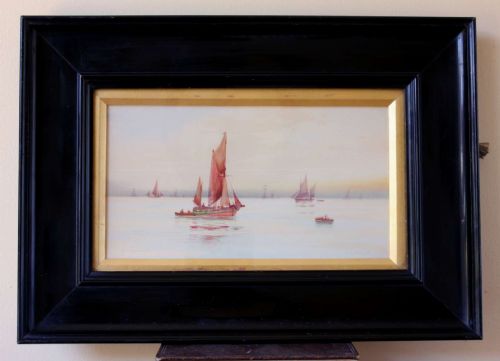
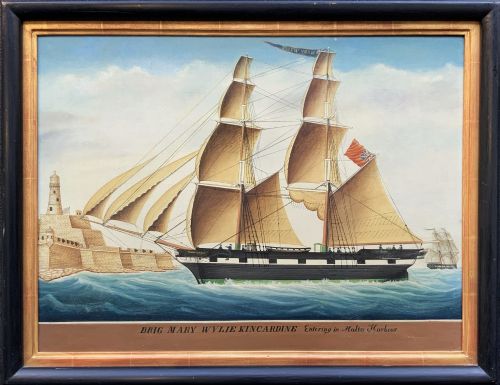
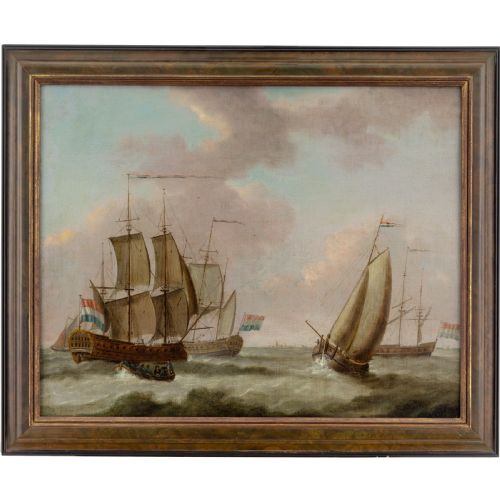
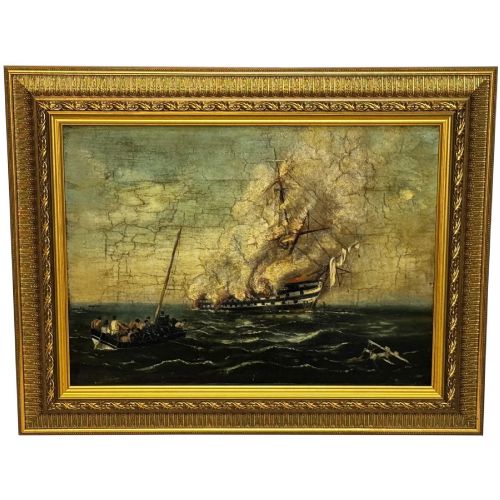
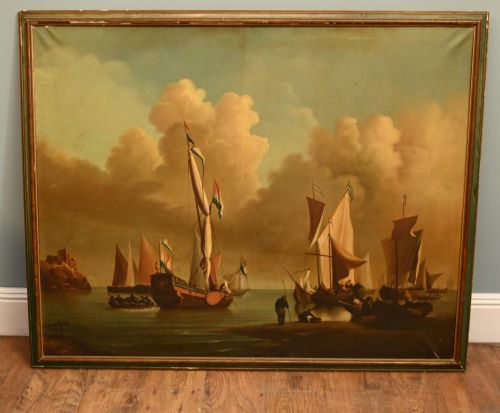
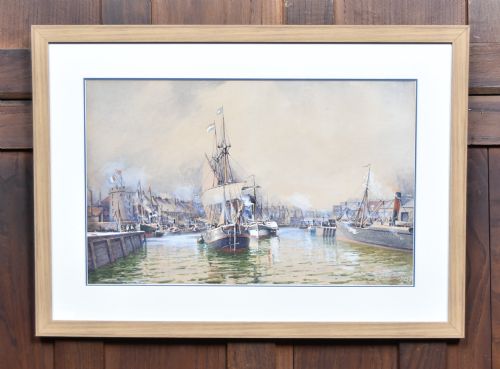
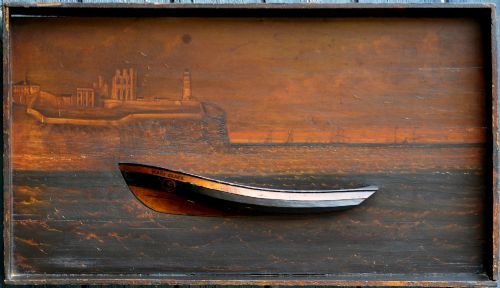
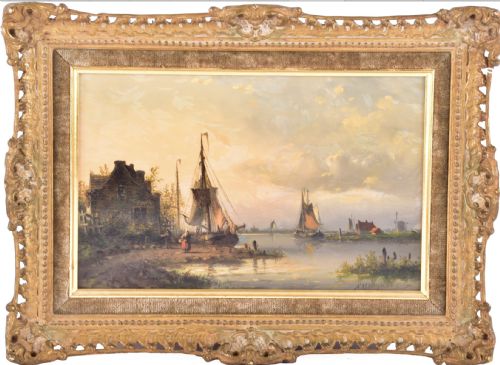

Antique Nautical Wall Painting
An antique nautical wall painting brings the drama of open water and historical shipping directly into a room.
Antique Nautical Wall Painting
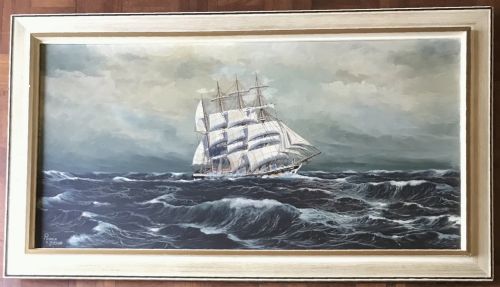
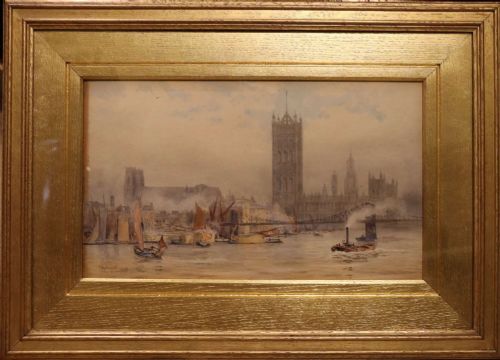
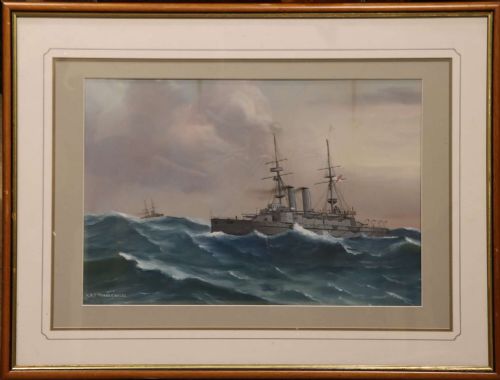
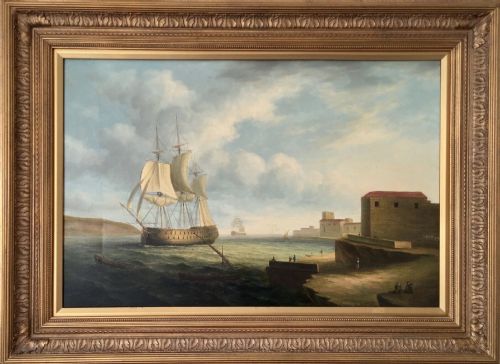
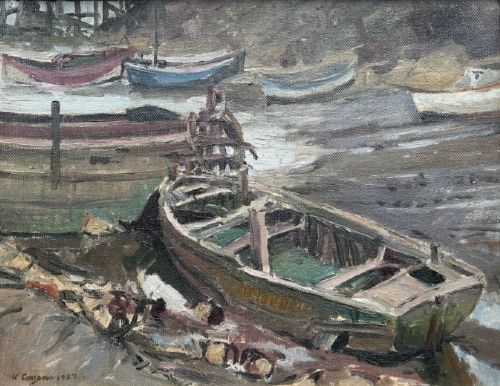
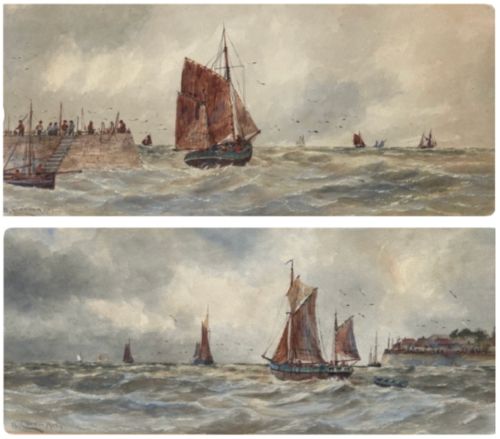
An antique nautical wall painting captures marine scenes ranging from quiet coastal harbours to turbulent open seas, reflecting the maritime heritage of the nineteenth and early twentieth centuries.
Buyers will frequently encounter framed works executed in oil on canvas or delicate watercolour on paper, often displaying traditional sailing vessels, steamships, or coastal fishing boats.
These works bridge fine art and historical record, frequently preserving specific vessels, ports, and naval engagements from the Victorian and Edwardian eras.
How they were made
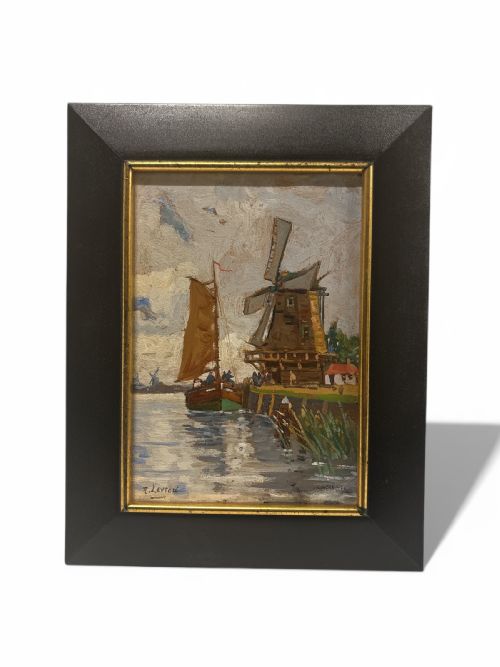
Artists built these marine works using traditional oil paints on canvas or board, alongside gouache and watercolour on paper, housed within wooden and gilt frames.
Support materials range from sturdy wooden panels and woven canvas to paper sheets, occasionally accompanied by glass protection and decorative giltwood framing elements.
Listings feature works spanning the nineteenth and twentieth centuries, utilising oil, watercolour, and gouache on canvas, paper, and wood.
What varies in quality
Quality rests upon the artist's command of maritime atmosphere, spatial depth, and the rigorous accuracy of rigging, hull structure, and water movement.
The sensitivity of the brushwork and the preservation of the original surface determine whether a piece captures the true motion of the sea or remains a static depiction.
James Orrock·Eugène-Louis Gillot·William McAlpine·Reginald Arthur Borstel·Lemuel Francis Abbott·James Kay·Bonaventura Peeters·Willem Bos·John Wilson Carmichael·George Stanfield Walters
The Antique Nautical Wall Painting Glossary
- Gouache
- An opaque watercolour medium that dries to a matte finish, frequently utilised for sharp details on maritime paintings and works on paper.
- Seascape
- A work of fine art depicting the sea, coastlines, or marine vessels operating in open water or harbour.
- Giltwood
- Wood carved and treated with a thin layer of gold leaf, commonly found on traditional frames enclosing nineteenth-century paintings.
- Diorama
- A three-dimensional model of a ship or marine scene set within a box, combining painting and miniature craft.
- Watercolour
- A painting method where water-soluble pigments are applied to paper, favoured by artists for luminous coastal light effects.
Antique Nautical Wall Painting: Frequently Asked Questions
How do I care for an antique oil painting?
Keep the canvas away from direct sunlight and dramatic fluctuations in room temperature to protect the paint layer from cracking. Dust the frame gently with a dry, soft cloth without applying moisture or cleaning solvents to the painted surface.
Professional cleaning should be left to conservators if grime accumulates over decades. Ensuring stable humidity levels protects both the wooden stretcher bars and the historical canvas.
What is the difference between an oil and a watercolour?
Oil paintings utilise pigments bound in drying oils applied to canvas or wood panels, resulting in rich textures and deep tones. Watercolours use water-soluble pigments on paper, producing lighter, translucent effects that require protective glass framing.
Oils are generally more durable and substantial in presence, whereas watercolours capture delicate atmospheric conditions and coastal light.
How can I identify the period of a marine painting?
Examine the vessel types depicted, as three-masted schooners, paddle steamers, and early ironclad steamships correspond directly to nineteenth and early twentieth-century technological developments. Clothing styles of any figures and framing techniques also offer reliable clues to the era.
Signatures, gallery labels, and inscriptions on the reverse of the canvas or panel frequently confirm the exact decade of creation.
Where should I hang a nautical painting?
Select a wall with indirect natural light to prevent glare on varnished oil surfaces or fading on paper works. Rooms with stable indoor climates away from damp areas like unheated kitchens or bathrooms are ideal for preservation.
Pairing the piece with traditional wooden furniture or classic architectural details enhances its historical character within the interior.