


Antique Nautical Prints
These antique nautical prints capture maritime history through etchings, watercolours, and aquatints that bring centuries of seafaring life straight to the wall.
Antique Nautical Prints
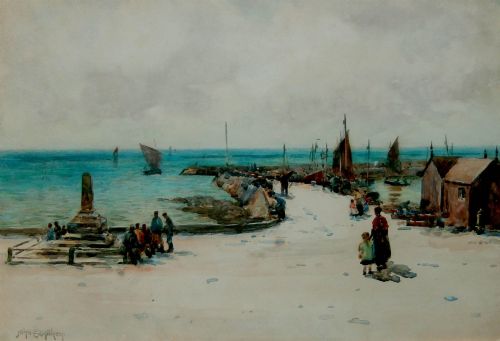
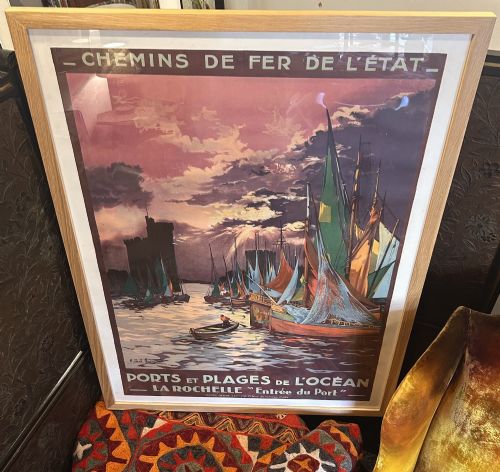
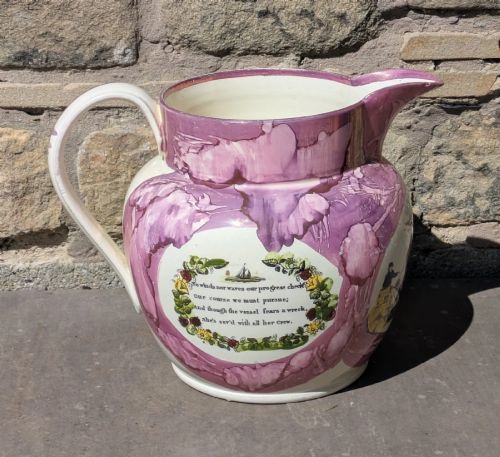
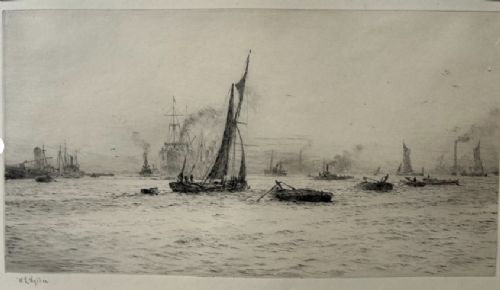
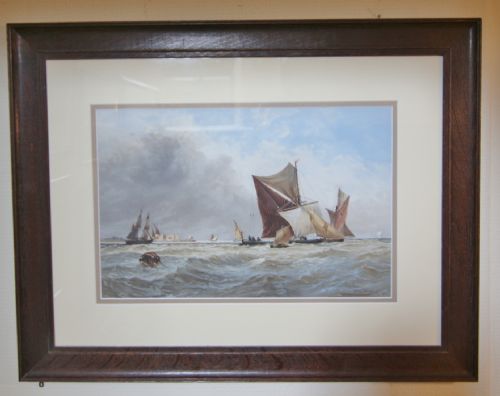
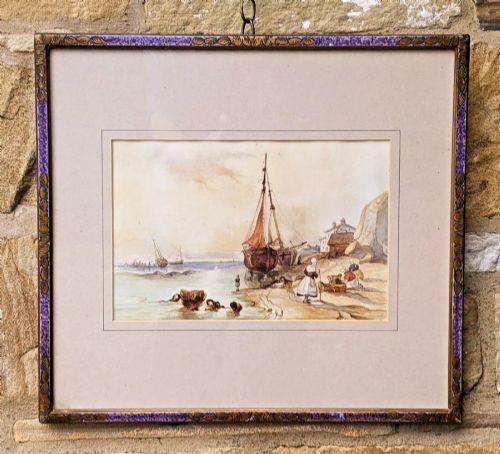
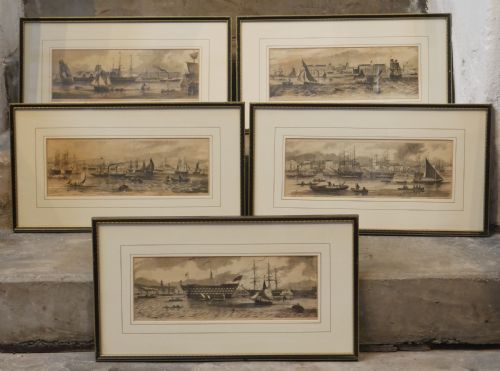
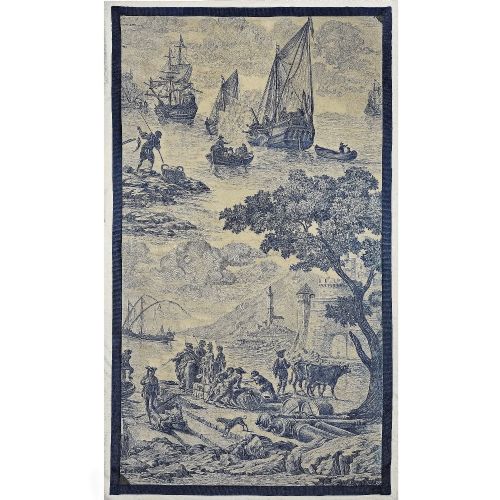
When searching for antique nautical prints, collectors encounter a diverse range of works spanning the nineteenth and early twentieth centuries. These pieces encompass framed aquatints, pencil-signed etchings, naval engravings, and original watercolours depicting coastal scenes, ships, and harbours.
The selection includes framed wall art and fine art prints capturing historical vessels, naval reviews, and maritime themes. Works range from intimate depictions of fishing boats to grand portrayals of royal yachts and steamships.
Originating predominantly from British and European hands, these works reflect the rich maritime heritage of the eras they represent. Buyers often find sets of engravings alongside single plates, offering varied perspectives on historical waterways and maritime milestones.
How they were made
Makers utilised paper as the primary support for these works, applying ink, watercolour, and aquatint techniques to create detailed maritime scenes. Engravings and etchings required precise metal plate work, transferring fine lines onto paper sheets.
Many surviving pieces retain their period framing materials, incorporating wood, oak, and giltwood. Glazing with glass frequently protects the delicate paper surfaces of watercolours and prints from environmental damage.
Listings feature paper works executed in watercolour, ink, and aquatint, alongside original oak and giltwood frames.
What varies in quality
Quality in these works rests upon the fidelity of the medium and the skill of the execution. Finer pieces demonstrate precise line work in etchings and vibrant preservation of pigment in watercolours.
The integration of original framing materials, such as period oak and giltwood surrounds, elevates the integrity of the piece. Superior examples often feature artist signatures in pencil, distinguishing them from unsigned commercial prints.
William Lionel Wyllie RA·Thomas Bush Hardy·John E. Aitken·Frank Wood·W J Huggins
The Antique Nautical Prints Glossary
- Aquatint
- A printmaking technique that produces tonal areas resembling watercolour washes. It was frequently employed to create atmospheric coastal scenes.
- Etching
- A method where lines are bitten into a metal plate with acid before being inked and printed. This process allows for remarkable fine detail in ship rigging.
- Giltwood
- Wood carved and covered with a thin layer of gold leaf. It is commonly found on traditional frames enclosing nineteenth-century maritime works.
- Engraving
- A process of cutting designs directly into a hard plate with a burin. The resulting prints offer crisp, enduring lines suited to naval subjects.
Antique Nautical Prints: Frequently Asked Questions
How do I date an antique nautical print?
Dating relies on the paper type, printing technique, and stylistic markers of the period. Engravings and aquatints often carry publication dates or stylistic traits specific to the nineteenth century.
Framing methods and backing materials also offer clues to the age of the piece. Surviving labels or inscriptions on the reverse frequently confirm the exact timeframe of production.
What is the difference between an etching and an engraving?
An etching uses acid to bite lines into a metal plate, resulting in softer, more varied strokes. This technique was favoured by artists seeking expressive maritime atmosphere.
An engraving relies purely on physical cutting tools pushed directly into the metal. The resulting lines are notably crisp and uniform, ideal for detailed technical depictions of vessels.
How should I frame and display these prints?
Protect paper works from direct sunlight to prevent the fading of inks and watercolours. Maintaining stable indoor humidity levels preserves both the paper support and any historic wooden framing.
Using conservation-grade materials behind the glass prevents acid migration from backing boards. This ensures the longevity of delicate nineteenth-century watercolours and etchings.
Are these works original period pieces?
The selections encompass authentic nineteenth and early twentieth-century productions created during the eras they depict. Mediums such as hand-applied watercolour and original plate-printed etchings confirm their period origin.
Historical subjects, from naval reviews to working harbour scenes, reflect contemporary documentation of maritime life. Contemporary framing often reinforces the period provenance of the artwork.