




Antique Ocean Vessel Art
When you search for antique ocean vessel art, you find paintings and objects recording centuries of maritime trade, naval battles and coastal journeys.
Antique Ocean Vessel Art
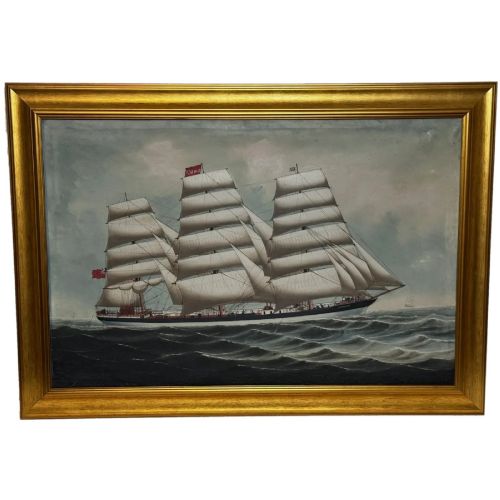
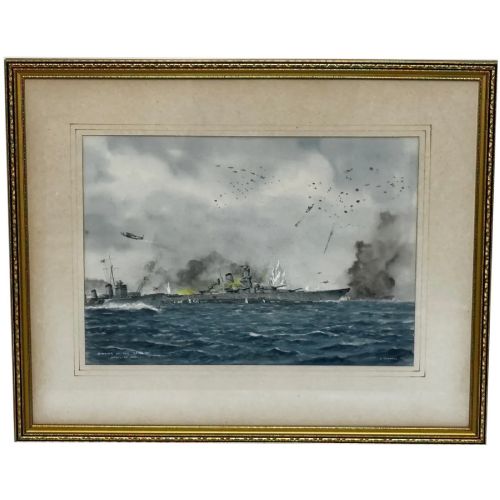
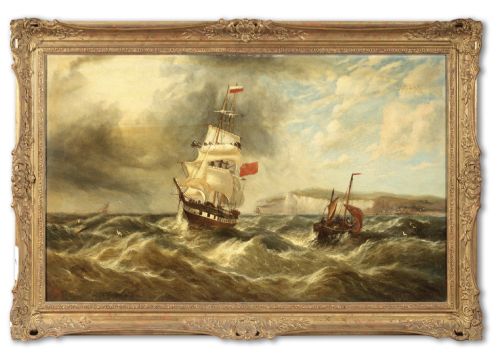
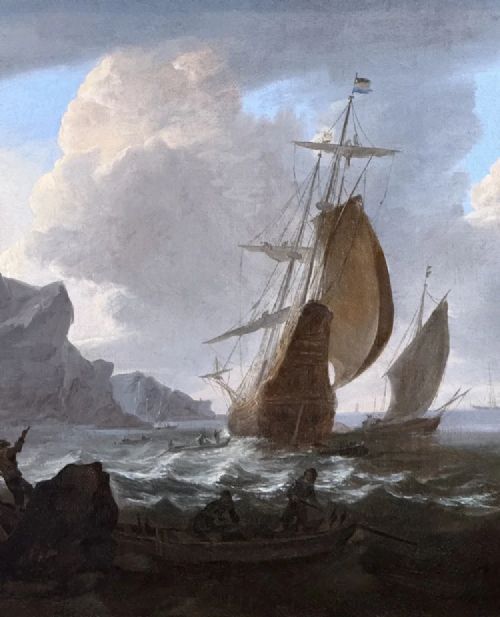
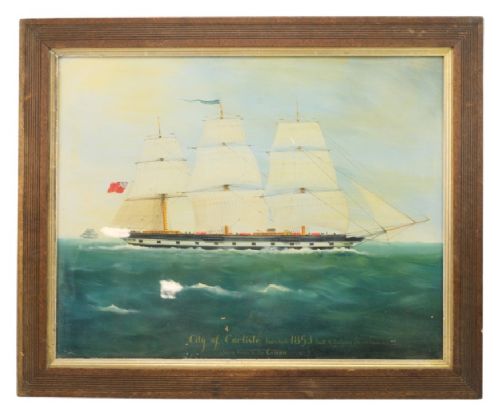
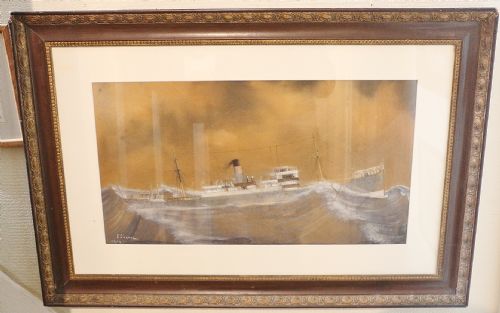
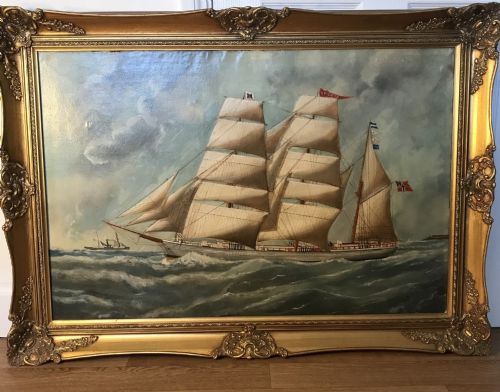
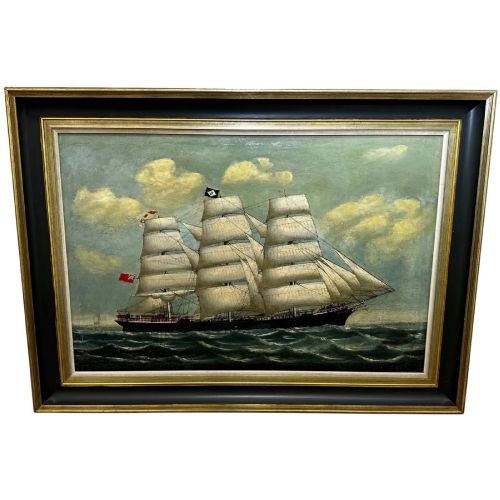
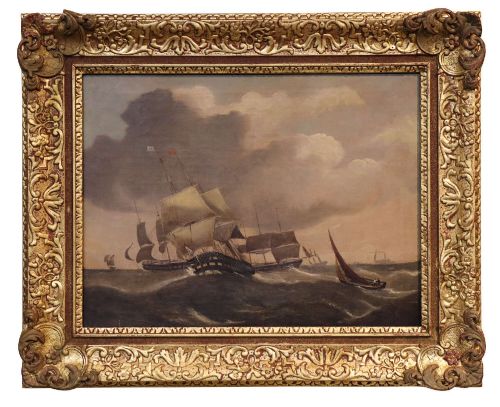
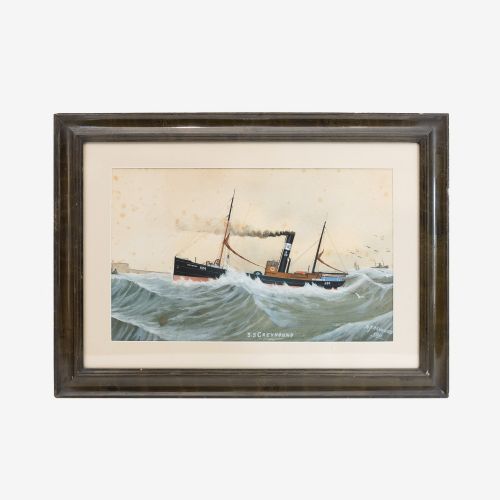
When searching for antique ocean vessel art, buyers encounter works depicting ships, boats and maritime scenes across various periods. The pieces appearing here span from the seventeenth century through to the mid-twentieth century, capturing sailing ships, steamers and coastal views.
The dominant forms are paintings, specifically oil paintings and watercolours on canvas, paper or wood. Buyers also find wall art and decorative objects such as dioramas, representing both named vessels and general maritime activity.
Origins range across British, European, Norwegian and Australian subjects and creators. The selection documents historical vessels such as clippers, barques and steamships operating in calm ports or heavy seas.
How they were made
The works utilise traditional artist materials including oil on canvas, oil on board, watercolour and gouache on paper. Support frames frequently incorporate gilt or giltwood moulding.
Decorative objects within the category employ glass and wood for folk art constructions such as ship models housed inside glass bottles. Canvases are stretched over wooden frames, while watercolours rely on paper supports protected beneath glass.
Bottle dioramas squeeze full three-masted sailing vessels through narrow glass necks using ingenious folding wooden rigging.
What varies in quality
Quality rests upon the artist's ability to render nautical rigging, hull proportions and water movement accurately. Works by listed academic painters or named maritime specialists demonstrate superior draughtsmanship compared to anonymous school pieces.
The condition of the pigment, stability of the canvas and originality of the frame influence the standing of an individual piece. Retained signatures, documented provenance and detailed historical context elevate the significance of marine artworks.
Reginald Arthur Borstel·John Rose Miles·Bonaventura Peeters·Lai Fong·Alexander Harwood·Charles William Adderton·Daniel Sherrin·Hendrik Willebrord Jansen·Samuel Owen·George Gregory·Marie-Edouard Adam·Gustave de Breanski·Frank Wood·William Boyce·Richard Ball Spencer·Thomas Bush Hardy
The Antique Ocean Vessel Art Glossary
- Barque
- A sailing vessel with three or more masts having the fore- and main-masts square-rigged and the mizzen-mast fore-and-aft rigged. This rig allowed efficient long-distance cargo transport.
- Clipper
- A very fast nineteenth-century merchant sailing ship with three masts and a square rig. They were built for speed on trade routes such as the tea and wool runs.
- Gouache
- An opaque watercolour paint made from pigments bound in water-soluble gum mixed with white filler. It provides heavier coverage than standard watercolour.
- Seascape
- A painting, photograph or other work of art that depicts the sea. These scenes frequently incorporate ships, coastal cliffs or harbours.
- Diorama
- A three-dimensional full-size or miniature model representing a scene. In maritime contexts, this often refers to model ships enclosed within glass bottles.
Antique Ocean Vessel Art: Frequently Asked Questions
What subjects appear in maritime art?
The artworks depict named merchant ships, passenger liners, naval vessels and fishing boats in various weather conditions. Scenes range from quiet anchorages and coastal piers to rough seas and gale-force winds.
Creators documented specific historical events, such as troop transports heading to the Crimea, alongside everyday commercial shipping and harbour traffic around Britain, Europe and further abroad.
How do I care for antique paintings?
Keep oil paintings and watercolours away from direct sunlight and high humidity to prevent fading and canvas distortion. Dust frames gently with a dry cloth and avoid liquid cleaners on painted surfaces.
Works on paper require protection beneath glass with acid-free mounts. Ensure hanging locations experience stable indoor temperatures away from direct heat sources.
How do I identify the period of a ship painting?
Examining the vessel type offers a primary clue, as three-masted schooners, wooden barques, iron hulls and steamships each belong to distinct technological eras. Clothing styles of any figures on deck or shore provide further dating evidence.
Signatures, framing methods and canvas stamps supply additional chronological markers. Comparing the style to known works by the artist helps narrow down the decade.
Where were these marine paintings displayed?
Historical marine paintings typically hung in the offices of shipping line owners, maritime merchants and the homes of naval officers. They celebrated specific commercial fleets and commemorated notable voyages.
Today, collectors place these pieces in domestic living spaces, libraries and offices with traditional decor. They serve as historical records of nineteenth- and twentieth-century shipping.