
Antique Narrow Shelf Stand
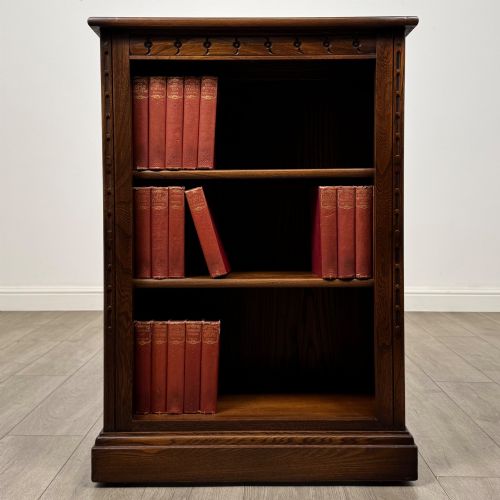
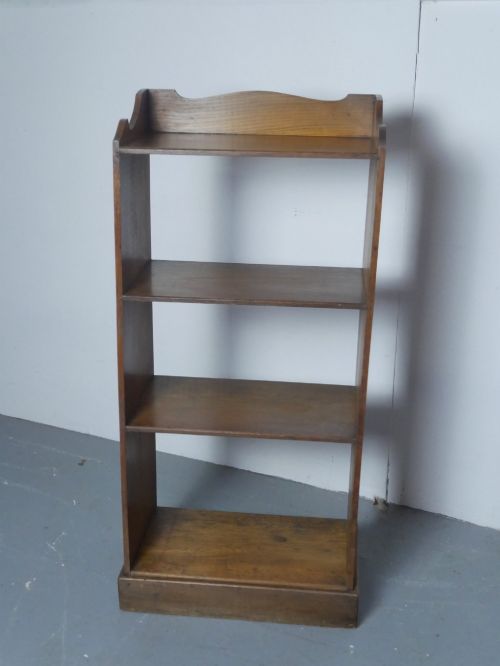
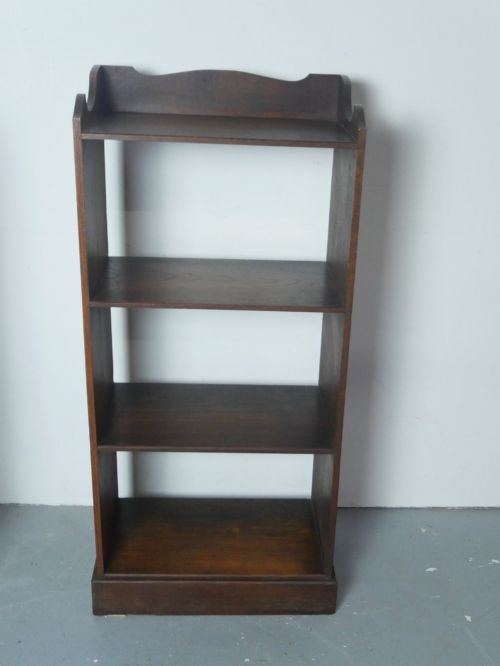
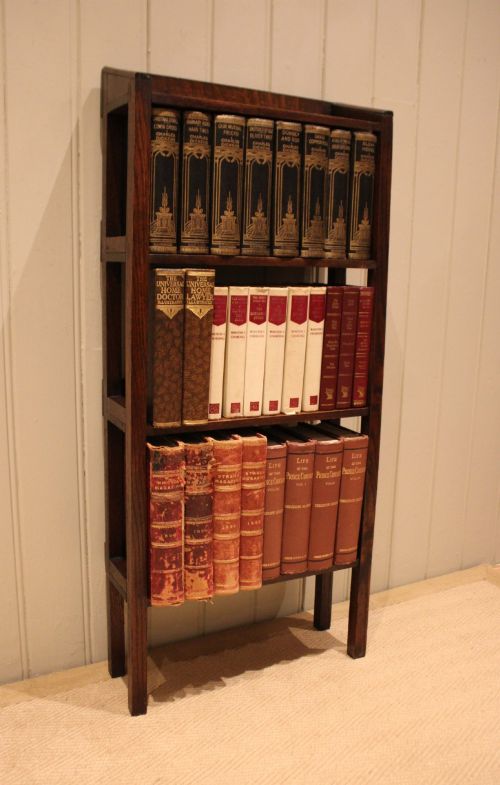
An antique narrow shelf stand provides compact vertical storage in compact spaces, bringing period character and practical display surface to domestic interiors.
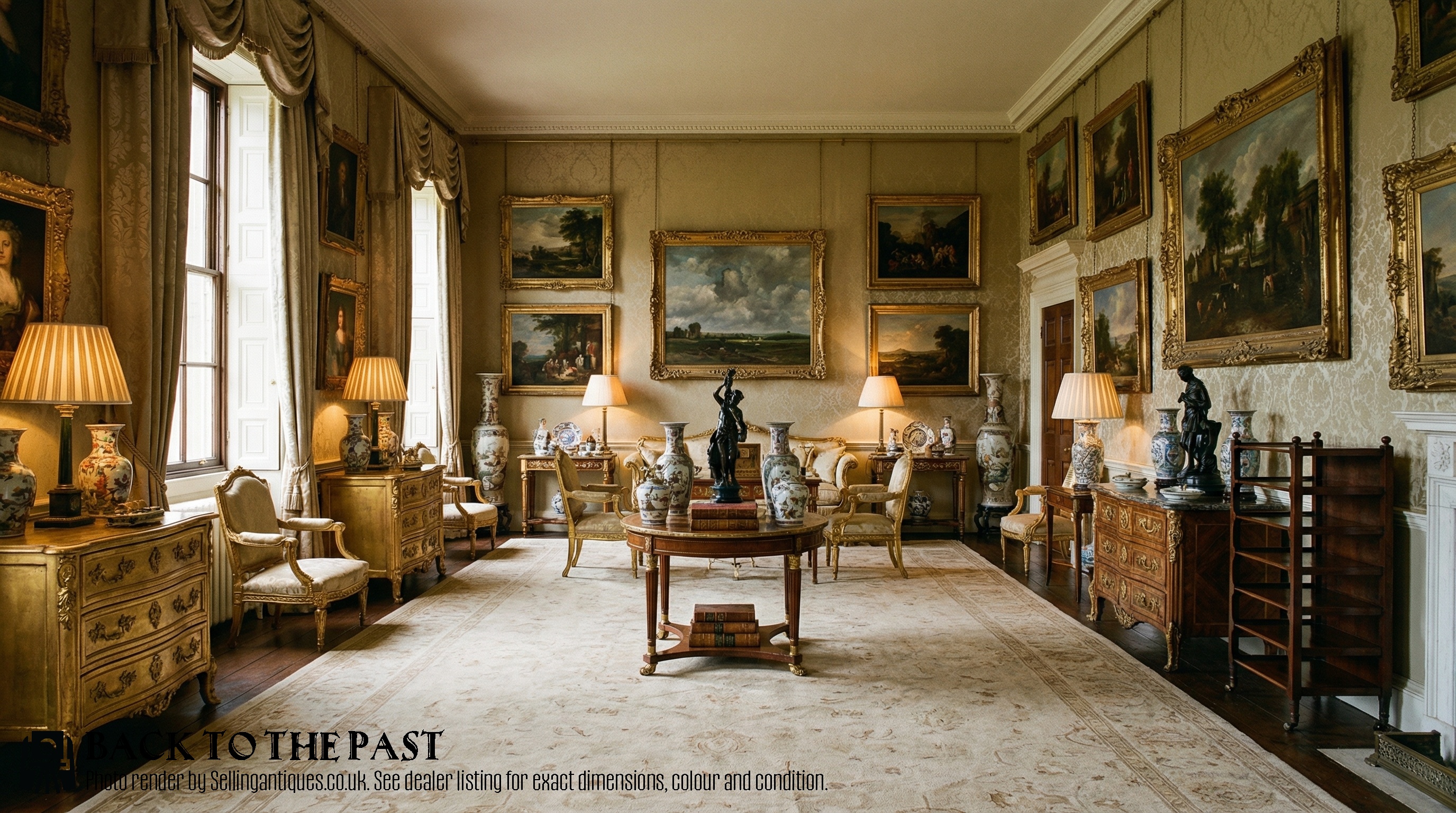
Antique Narrow Shelf Stand
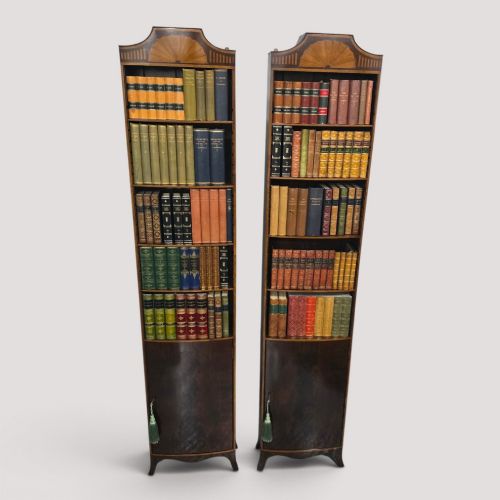
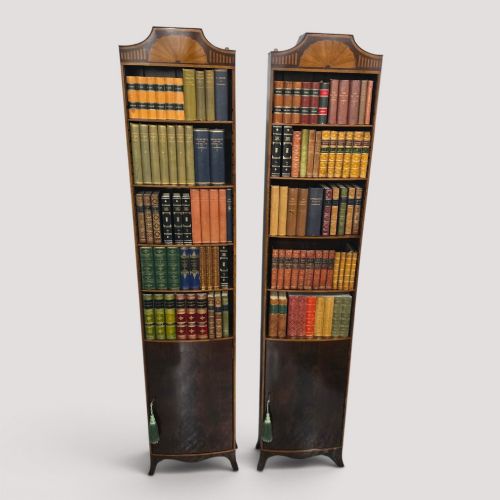
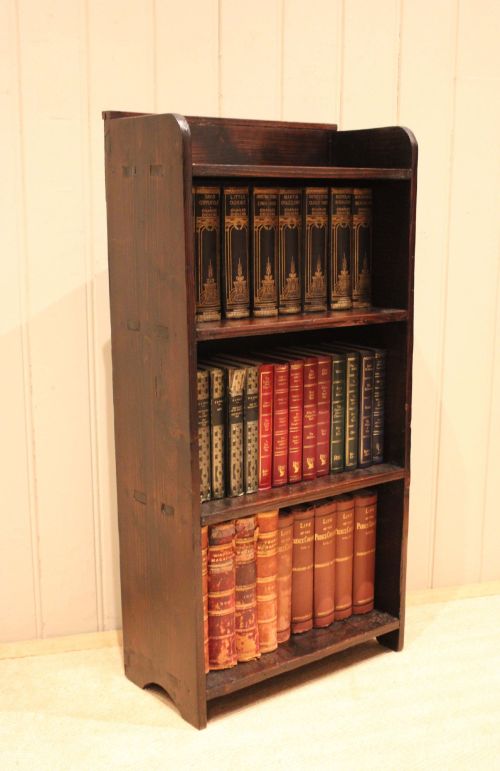
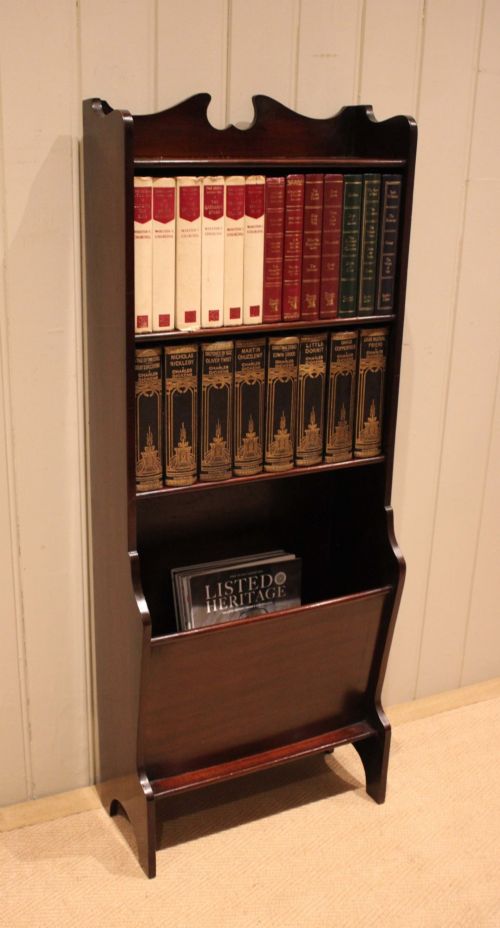
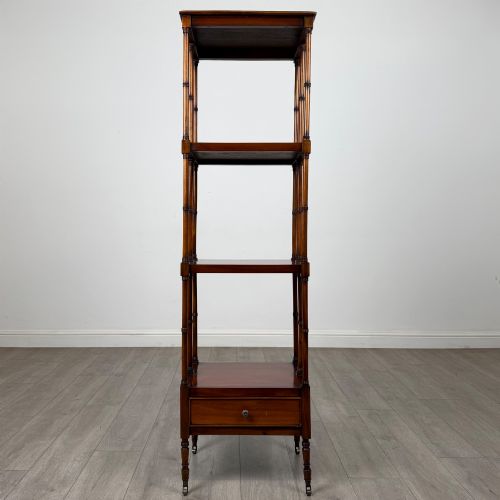
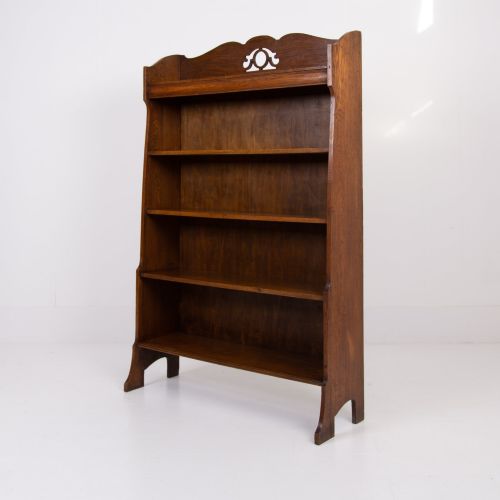
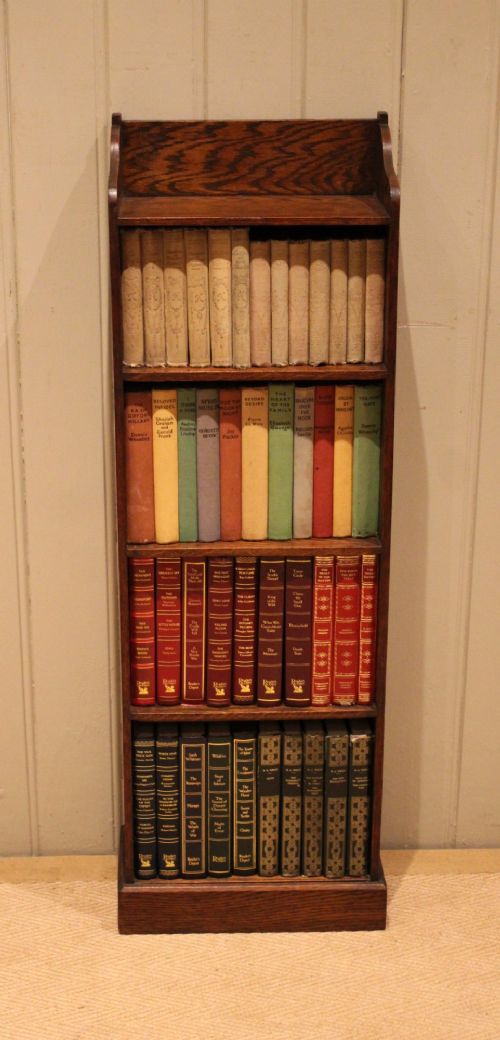
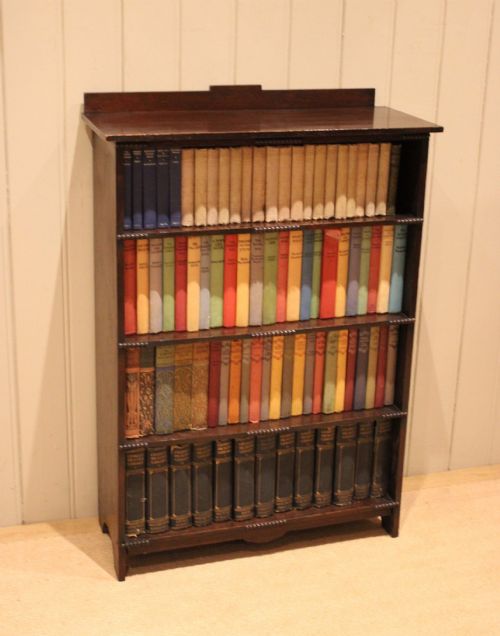
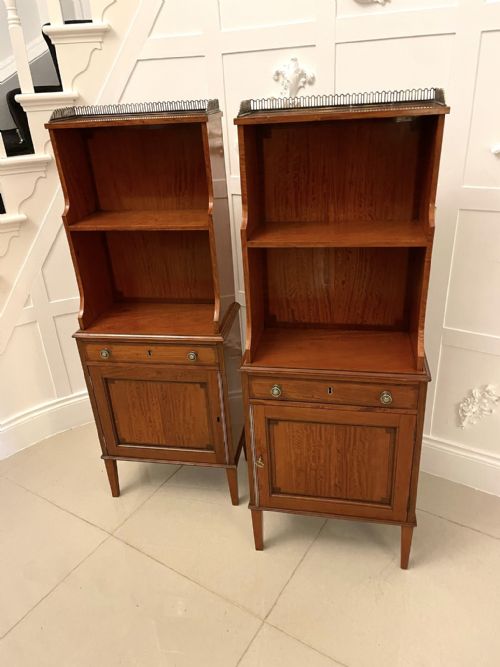
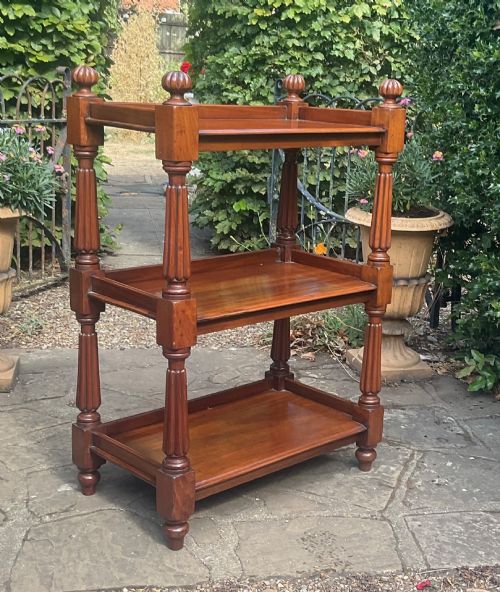
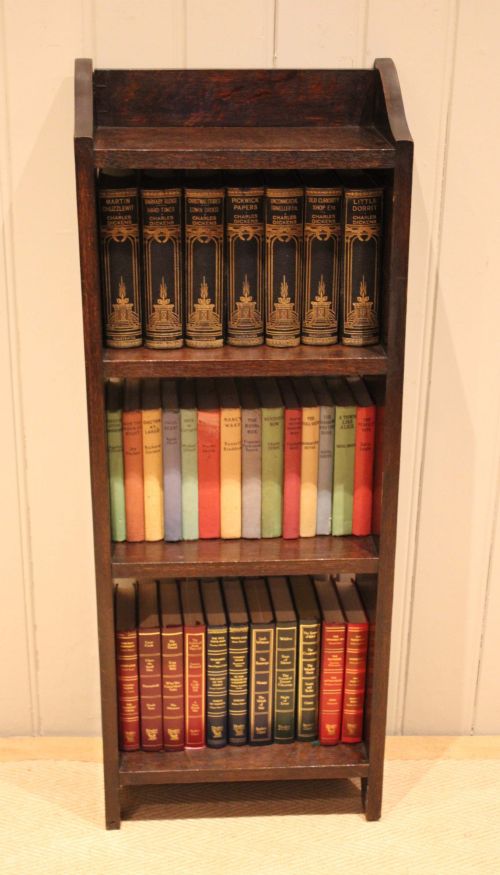
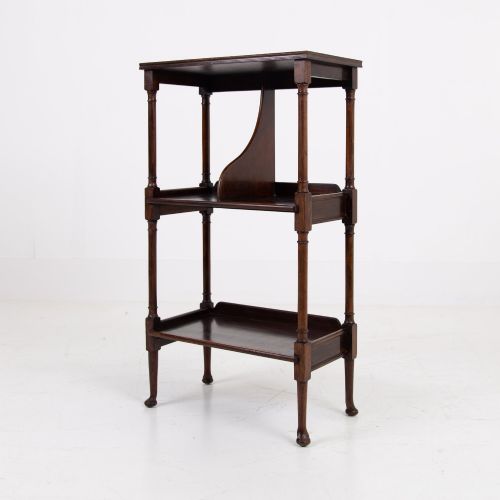
An antique narrow shelf stand takes various forms across the Victorian, Edwardian and early twentieth century periods, appearing most frequently as open bookcases, etageres, and small whatnots. These pieces serve to hold books and display objects without dominating smaller rooms or narrow hallways.
The selection here draws primarily from the Edwardian era and the 1920s, alongside nineteenth-century examples. You will encounter slim oak bookcases, mahogany display shelves, and tiered waterfall designs.
Makers and styles range from plain Arts and Crafts oak items to inlaid mahogany pieces reflecting Regency Revival and Georgian influences. Each piece offers upright shelving tailored for compact display.
Materials and construction
Makers constructed these stands using timbers such as oak, mahogany, rosewood, satinwood, walnut, and yew wood, often applying ebonised finishes or brass and ormolu mounts for decorative effect. Grain selection and timber density dictate the visual weight of each slim framework.
Joinery methods across the Victorian and Edwardian periods rely on traditional housing joints, panelled backs, and beaded edges to stabilise narrow upright proportions. Inlaid decoration and decorative cut-outs appear on specific Arts and Crafts variants.
Listings feature items built from oak, mahogany, rosewood, and walnut across the Victorian, Edwardian, and early twentieth-century periods.
Indicators of quality
Quality rests upon the choice of timber and the crispness of execution, distinguishing standard utility furniture from finer workshops. Well-figured mahogany, selected oak, and delicate satinwood veneers elevate the presence of a compact stand.
Proportion and structural integrity define the better examples, where narrow frames remain rigid and joints stay tight without heavy reinforcement. Refined details like subtle string inlay, decorative mouldings, or carved cut-outs separate standard production from superior pieces.
Gillows·Wylie Lochhead of Glasgow·E.A. Taylor
The Antique Narrow Shelf Stand Glossary
- Etagere
- A piece of furniture consisting of a number of open shelves for displaying small objects. This tiered stand offers vertical storage suited to tight spaces.
- Waterfall bookcase
- A set of open shelves where each successive shelf steps back from the one below it. This stepped profile creates a distinct cascading silhouette.
- Arts and Crafts
- A design movement prioritising simple forms, local materials, and visible craftsmanship. Pieces from this tradition often feature unadorned oak and functional joinery.
- Inlay
- A technique where pieces of contrasting timber or shell are inserted into depressions within a solid wood surface. This ornamentation defines many Edwardian and Revival pieces.
Antique Narrow Shelf Stand: Frequently Asked Questions
Where should I place a narrow shelf stand?
These compact stands suit hallways, tight landings, alcoves, and small reception rooms where floor space remains limited. Their upright footprint allows them to hold books or display objects without obstructing movement.
Position them against plain walls to let the timber grain and period details stand out clearly within the room.
How do I distinguish Edwardian pieces from Victorian ones?
Victorian stands tend to use denser timbers, deeper finishes, and more robust ornamentation, sometimes incorporating ormolu mounts or heavier mouldings. Edwardian examples often favour lighter oak or mahogany constructions with simpler lines and restrained inlay.
Reviewing the overall lightness of the frame and the style of any decorative woodwork helps clarify the period of manufacture.
Can these stands support heavy books?
Most narrow shelf stands are built for lighter volumes, novels, and display items rather than heavy folio sets or encyclopaedias. The slim uprights and shallower shelf depths are proportioned for everyday reading.
Distributing weight evenly across the shelves prevents unnecessary strain on the historical joinery.