


Antique Mythological Wall Plaque
An antique mythological wall plaque brings classical stories into domestic spaces, offering dramatic figures cast in bronze, carved in wood, or painted on porcelain.
Antique Mythological Wall Plaque
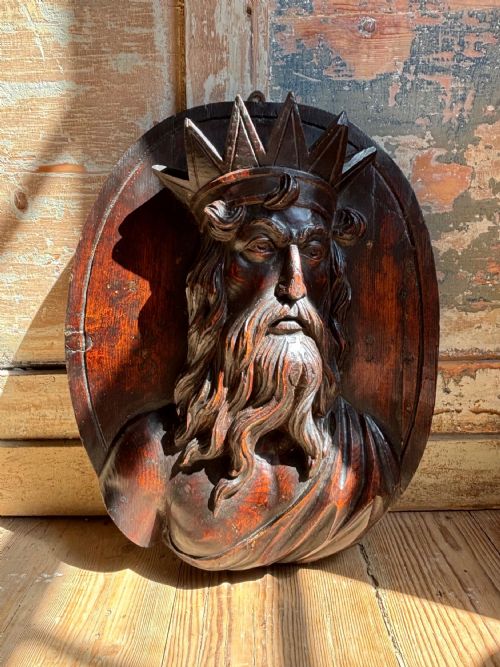
An antique mythological wall plaque represents classical deities, heroes, and mythological scenes across a variety of decorative formats. Buyers searching this phrase encounter items ranging from carved wooden panels and heavy bronze platters to large porcelain chargers and framed enamel works.
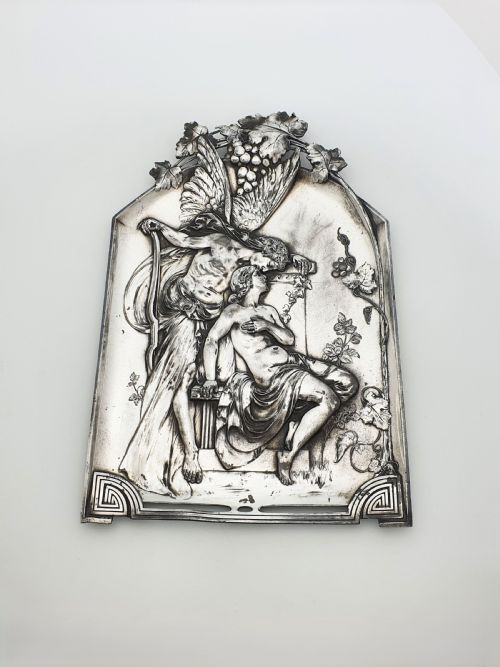
The selection on this page relies heavily upon nineteenth-century pieces alongside eighteenth-century examples, capturing the persistent nineteenth-century taste for classical revival and Art Nouveau interpretations. Common subjects span representations of Neptune, Diana, Venus, and Tristan, translating epic narratives into domestic interior decoration.
Forms vary from deep relief sculptures and wall plaques to decorative dishes and cabinet plates intended for display. These objects cross multiple aesthetic movements, including Neoclassical, Baroque, Grand Regency, and Arts and Crafts styles.
What varies in quality
Quality in an antique mythological wall plaque rests upon the crispness of the modelling, whether in the deep undercut of carved timber, the sharp detail of a cast bronze relief, or the precision of painted porcelain brushwork. Superior pieces display anatomical accuracy and expressive handling of classical drapery.
The sophistication of the surface finish further separates standard items from finer works, particularly where gilding, patination, or polychrome enamel painting remains intact and expertly applied. Maker signatures, full labelling, and the integration of materials like silver plating over copper indicate higher workshop standards.
Neoclassical and Art Nouveau styles dominate the aesthetic range of these classical wall displays.
Carlhian and Corbiere London·WMF
The Antique Mythological Wall Plaque Glossary
- Neoclassical
- A style reviving classical Roman and Greek motifs, symmetry, and heroic subjects. It dominates much of the nineteenth-century production seen here.
- Charger
- A large decorative plate or platter intended for display on a wall or sideboard rather than dining use. Vienna porcelain examples often depict complex mythological narratives.
- Patination
- The surface sheen or colour acquired by bronze, copper, or wood through age and handling. Controlled chemical patination is also applied intentionally during manufacture.
- Maquette
- A small preliminary model or sketch for a larger sculpture. These demonstrate the initial sculptural conception of a classical figure.
- Ebonised
- Wood treated to imitate ebony, producing a dense black finish. This technique creates high contrast behind metallic or carved reliefs.
Antique Mythological Wall Plaque: Frequently Asked Questions
How were antique mythological wall plaques displayed?
These pieces were primarily hung on walls as decorative art or displayed on sideboards and cabinets using plate stands. Larger chargers and carved wooden panels served as focal points in drawing rooms and libraries.
Heavier bronze platters and porcelain chargers often featured integrated hanging loops or were set within dedicated display frames to showcase classical narratives.
What mythological figures appear most often?
Classical deities and figures from Greco-Roman mythology dominate the available selection, with particular emphasis on Neptune, Diana, Venus, and Adonis. Tragic or heroic figures such as Tristan also feature in late nineteenth-century porcelain.
These subjects reflect enduring European interest in classical literature and Renaissance visual traditions throughout the eighteenth and nineteenth centuries.
How do I date a bronze mythological plaque?
Dating relies upon the casting technique, the style of the relief, and the nature of any patination or secondary metal plating. Grand Tour pieces from the nineteenth century often exhibit specific patinas associated with Italian souvenir workshops.
Comparison with documented workshop styles, such as Art Nouveau metalwork from the turn of the twentieth century, helps narrow the production period.
Are porcelain wall plaques fragile?
Porcelain chargers and cabinet plates require careful handling due to the brittle nature of ceramic bodies, especially examples of large proportions. Secure wall mounting or stable display stands are essential for safe exhibition.
Glazed and enamelled surfaces remain stable under normal indoor conditions, provided they are kept away from moisture and sudden temperature changes.