

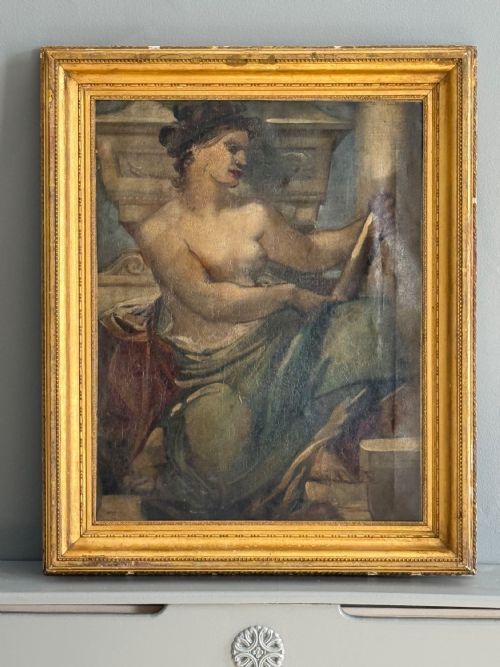
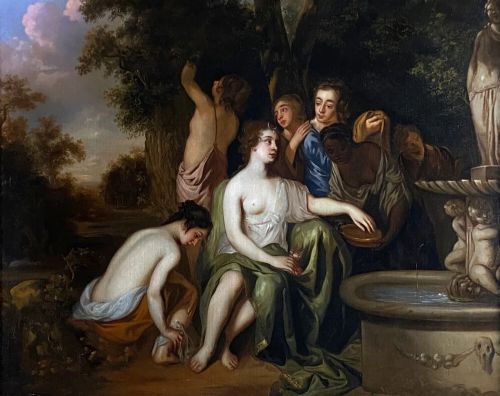
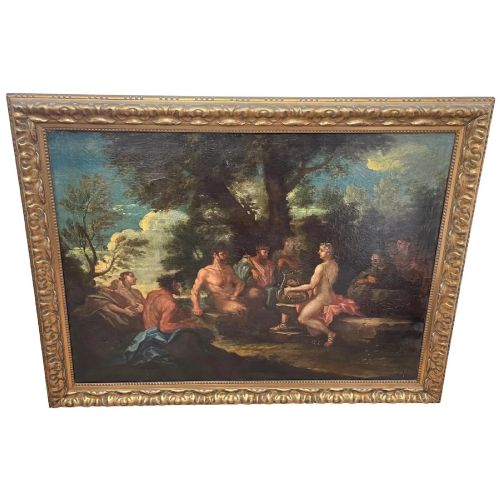
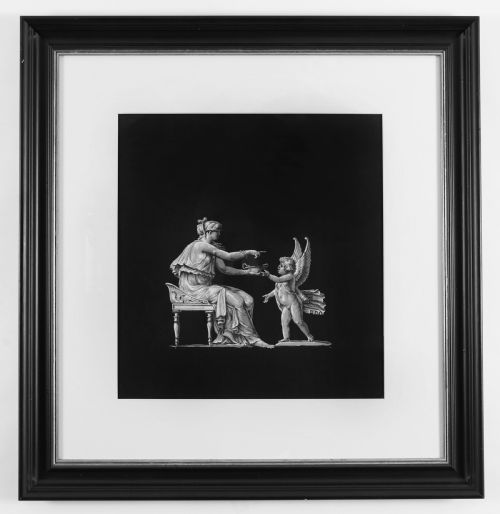
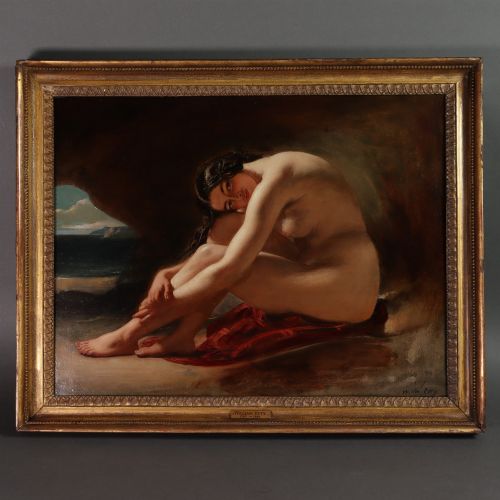


Antique Mythological Figure Painting
These antique mythological figure painting works bring classical deities and epic legends into your home through enduring oil, gouache, and porcelain forms.
Antique Mythological Figure Painting
When you search for an antique mythological figure painting, you encounter centuries of artistic interpretations drawn from classical Greek and Roman narratives. The subjects range from Olympian deities and tragic heroes to nymphs, satyrs, and cherubs rendered with dramatic flair.
The selections available span multiple centuries, with seventeenth-century Old Master interpretations and eighteenth-century compositions sitting alongside nineteenth-century academic revivals. Canvases and panels dominate the selection, accompanied by porcelain figures and decorative pitchers bearing hand-painted classical scenes.
Continental schools, particularly Italian, French, and Flemish traditions, provide the bulk of these depictions. Buyers frequently find works influenced by baroque movements, neoclassical ideals, and Victorian romanticism.
Materials and methods
Artists relied primarily on oil on canvas or wood panel, applying layers of pigment to build depth in flesh tones and sweeping landscapes. Gouache on paper also appears for more delicate compositions.
Framing often involves giltwood and gold leaf, which enhances the theatrical compositions of baroque and neoclassical subjects. Ceramics such as porcelain and faience utilise hand-painted enamel decoration fired onto the body to render detailed divine figures.
Listings feature seventeenth, eighteenth, and nineteenth-century works, demonstrating enduring interest in classical themes across multiple artistic periods.
Quality differences
Anatomy and movement separate standard decorative works from superior artistic achievements. The handling of musculature, drapery, and facial expression reveals the draughtsmanship of the painter or the skill of the porcelain decorator.
Provenance and proximity to established circles or followers of major historical painters elevate certain canvases. The integration of figures within a coherent mythological landscape dictates the visual success of the piece.
Sir Peter Lely·Antoine Calbet·William Etty·Cornelis Van Poelenburgh·Royal Crown Derby·Royal Vienna·William Edward Frost·Peter Paul Rubens·James Basire
The Antique Mythological Figure Painting Glossary
- Neoclassical
- A style originating in the eighteenth century inspired by the art and culture of classical Greece and Rome. It prioritises restraint, linear precision, and heroic subjects.
- Old Master
- A term for a European painter of skill who worked before about eighteen hundred. These works often display mastery of light and shadow.
- Gouache
- An opaque water-based paint that dries to a matte finish. It allows artists to achieve rich colour saturation on paper supports.
- Faience
- Tin-glazed earthenware produced in various European centres. It provides a smooth white ground suitable for painted mythological decoration.
- Baroque
- An artistic style prevalent from the seventeenth century characterised by dramatic movement and deep chiaroscuro. Works in this mode emphasise emotional intensity.
Antique Mythological Figure Painting: Frequently Asked Questions
How do I identify a mythological scene?
Look for specific attributes carried by the figures, such as wings on cherubs, tridents for sea gods, or specific animals accompanying Olympian deities like owls for Athena or eagles for Zeus.
Inscriptions on frames or reverse panels often name the classical subject, referencing tales from Ovid or classical drama.
Where were these paintings displayed originally?
Wealthy patrons hung large historical and mythological oils in formal reception rooms and galleries to signal classical learning and sophistication. Smaller gouaches and porcelain figures adorned cabinets and private drawing rooms.
During the nineteenth century, Grand Tour travellers brought home smaller works as mementos of their European travels.
How should I care for an oil painting?
Keep canvases away from direct sunlight and fluctuating humidity to prevent cracking in the paint layer and warping of the wooden stretcher bars.
Dust surfaces gently with a soft, dry brush and avoid chemical cleaners on both the painted surface and any giltwood frame.
What is the difference between an original and a later copy?
Period copies and works produced in the style of major masters often date from the nineteenth century, when artists studied historical techniques in European academies. Brushwork analysis and the age of the canvas or panel help determine the exact period of execution.
Signatures or studio stamps provide further clues regarding whether a piece is a direct contemporary work or a later tribute.