


Antique Mustard Pot Spoon
An antique mustard pot spoon is a small, purpose-made utensil designed to serve prepared mustard from a table pot, combining everyday utility with period craftsmanship.
Antique Mustard Pot Spoon
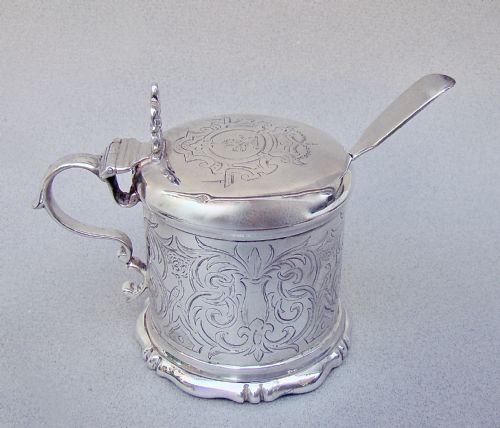
When you search for an antique mustard pot spoon, you are looking at small serving implements typically encountered alongside silver and silver-plated condiment vessels. These spoons appear frequently in listings that span the Victorian, Edwardian, and Art Deco periods, alongside earlier Georgian and William IV examples.
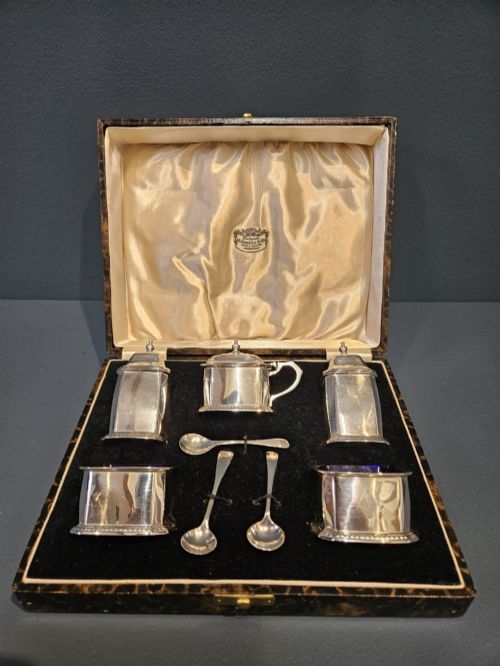
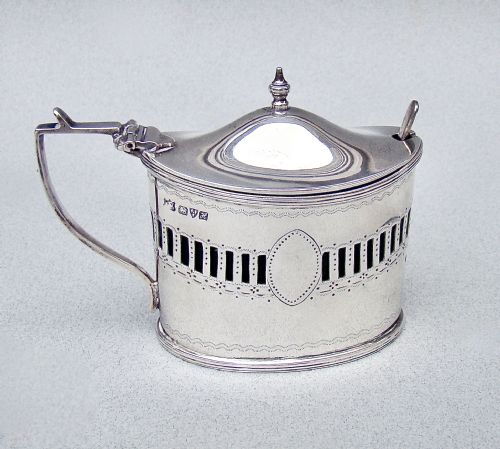
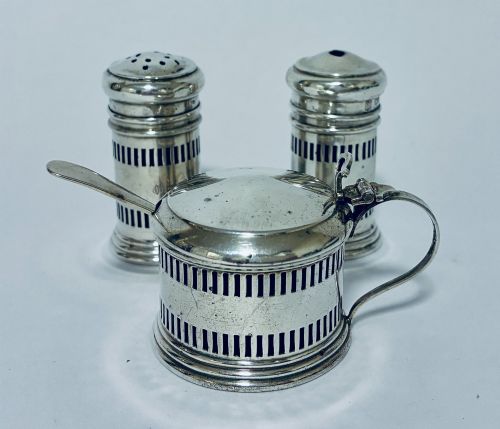
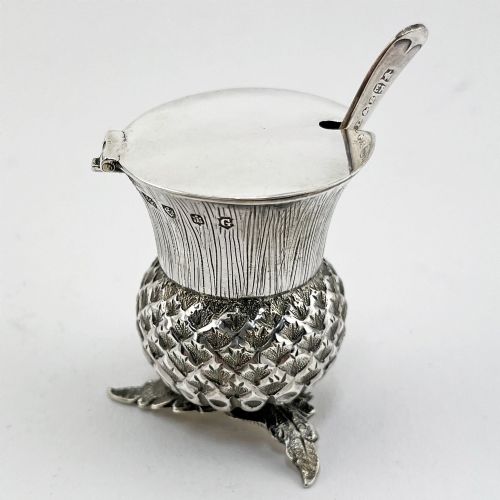
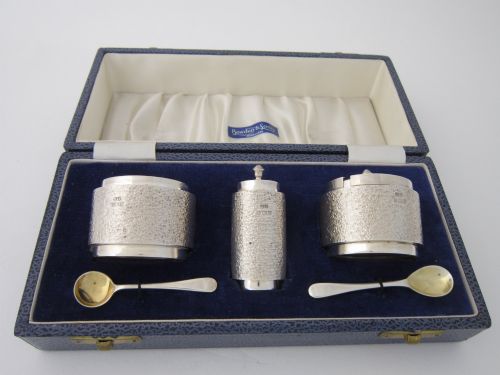
The pieces on this page range from individual spoons associated with single mustard pots to matching utensils found within larger cruet sets and condiment stands. You will encounter forms made to accompany blue glass, ruby red glass, and cut glass liners, as well as novelty designs such as thistles or pagoda shapes.
Originating from British workshops and silversmiths, these items reflect the formal dining habits of the nineteenth and early twentieth centuries. They bridge the gap between practical tableware and collectible silver.
Distinctions in Quality
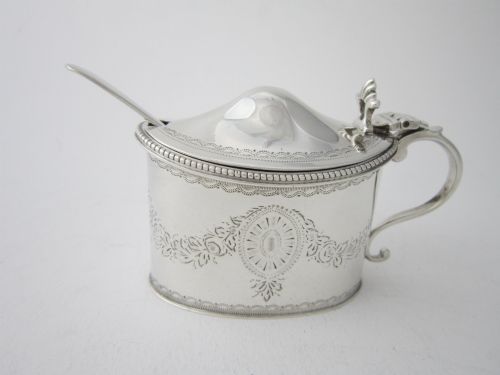
Quality in these spoons rests upon the weight of the metal, the crispness of any engraved or pierced decoration, and the integrity of the maker's mark. Pieces produced by notable silversmiths exhibit superior balance and finish compared to unmarked or mass-produced alternatives.
The presence of original associated wares, such as matching cruet sets or fitted presentation boxes, elevates a piece. Subtle details in handle shaping, such as floral motifs or period-specific revival styling, distinguish workshop-made items from simpler commercial output.
Listings feature sterling silver and silver plate materials, with periods ranging from Georgian and Victorian eras through to Art Deco.
Alfred Marston·Charles and George Fox·Charles Stuart Harris·Wilmot Manufacturing Co·Omar Ramsden·Elkington and Company
The Antique Mustard Pot Spoon Glossary
- Cruet set
- A matched collection of bottles, pots, and shakers held in a stand for condiments at the dining table. These sets frequently include mustard pots accompanied by their specific spoons.
- Hallmark
- An official stamp applied to precious metals indicating the standard of purity, the assay office, and the year of manufacture. These marks help verify the age and origin of silver spoons.
- Silver plate
- A base metal coated with a thin layer of silver using various techniques, including electroplating. This method offered an accessible alternative to solid sterling silver during the nineteenth and twentieth centuries.
- Liner
- A removable glass insert placed inside a metal mustard pot to protect the metal from vinegar and mustard corrosion. Liners are commonly seen in cobalt blue or ruby red glass.
Antique Mustard Pot Spoon: Frequently Asked Questions
What is an antique mustard pot spoon used for?
These small spoons were specifically designed to transfer prepared mustard from a table condiment pot to the diner's plate. They prevented diners from using their own cutlery in the communal mustard pot.
Over time, they became an integral part of formal dining table settings, particularly within Victorian and Edwardian households.
How do I know if the spoon belongs to the pot?
Matching a spoon to a pot involves checking the silver hallmarks, metal composition, and stylistic period to ensure they originate from the same era. Many complete sets maintain uniform design motifs across both the vessel and the utensil.
However, replacement spoons are common due to the small size and high risk of loss associated with these items.
Are these spoons made of solid silver?
The listings include both solid sterling silver pieces and silver-plated examples produced by various British manufacturers. Hallmarks on the metal help determine whether a piece is solid silver or plated over a base metal.
Silver-plated versions often date from the late nineteenth century onwards, coinciding with industrial plating developments.
How should I care for antique silver mustard spoons?
Caring for these items requires gentle cleaning with a soft cloth and specialist silver polish to preserve the original finish and hallmarks. Avoid harsh abrasives that can wear away thin silver plating or fine engraved details.
Storing them in dry conditions helps prevent tarnishing between uses.