


Antique Music Side Cabinet
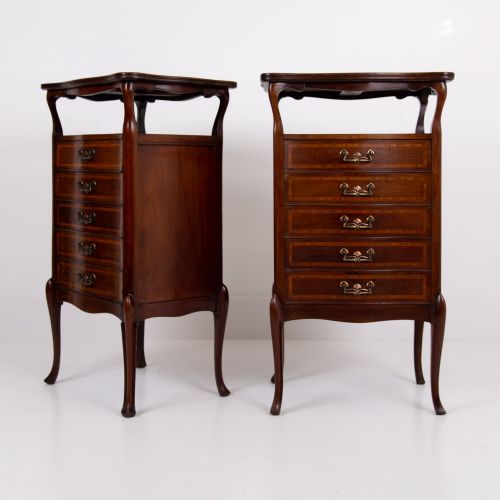
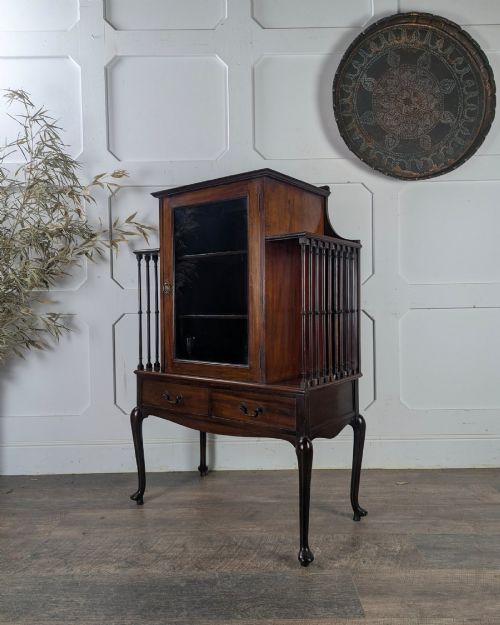
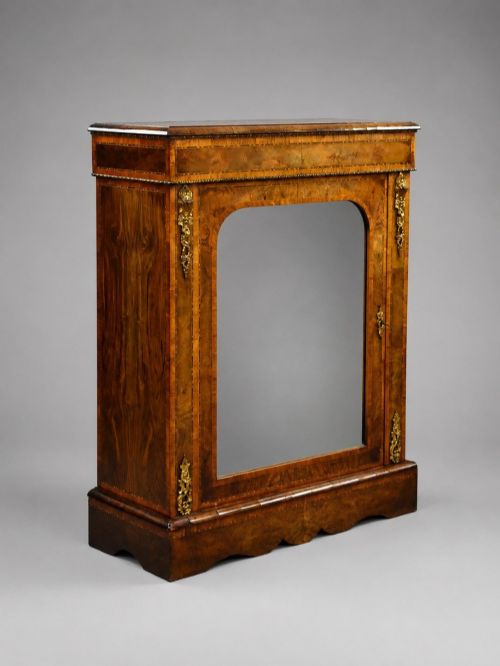
An antique music side cabinet organises sheet scores with timber craftsmanship, offering upright storage designed for nineteenth and early twentieth century drawing rooms.
Antique Music Side Cabinet
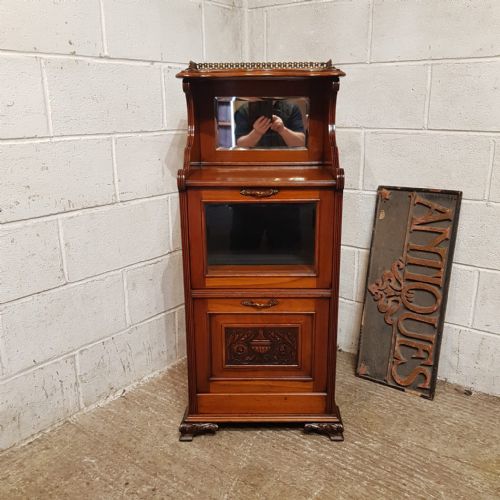
An antique music side cabinet provides tall, narrow storage designed specifically for sheet scores, featuring internal shelving or dropping drawers within Victorian and Edwardian forms. The pieces met most often on this page date from the nineteenth century through the early twentieth century, spanning periods such as Victorian, Edwardian, and the 1920s.
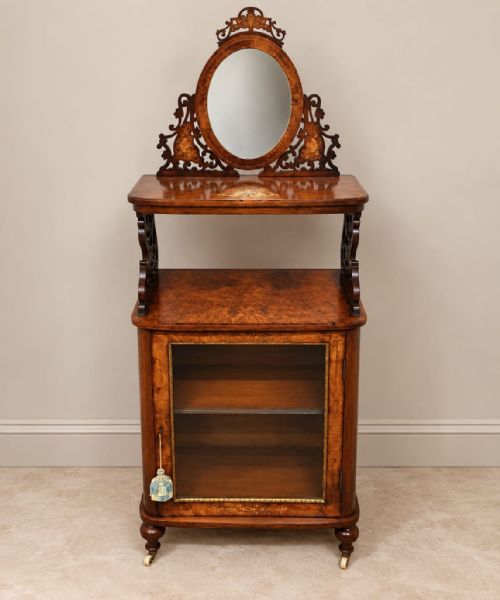
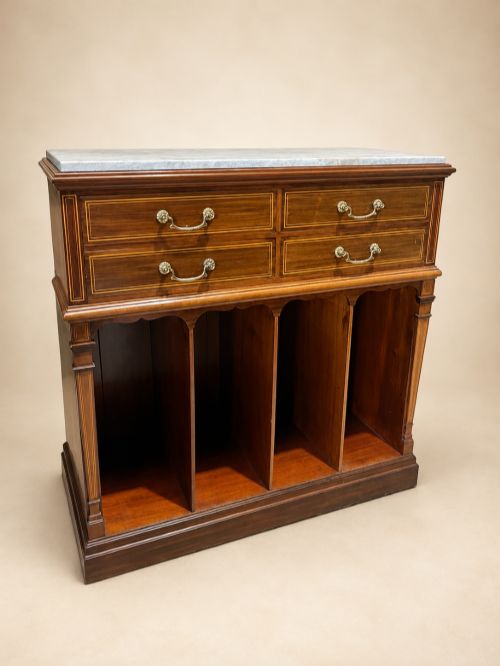
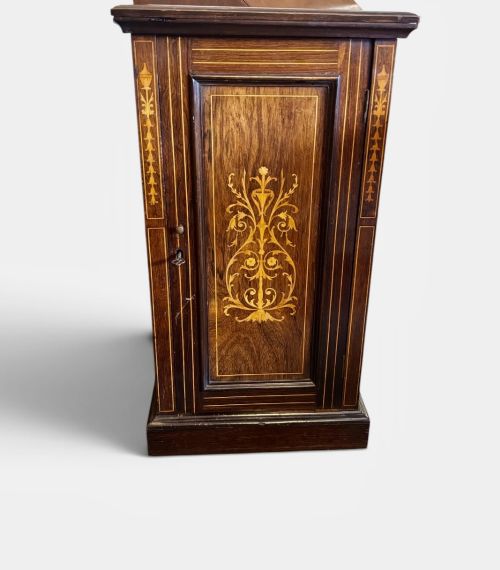
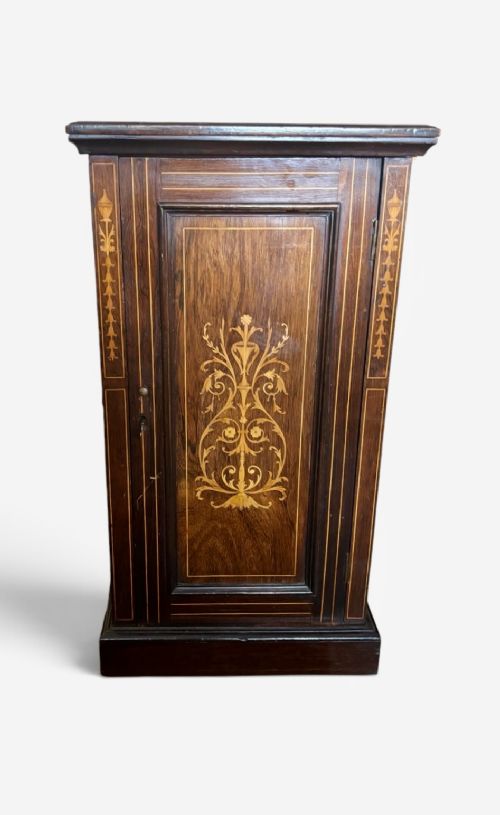
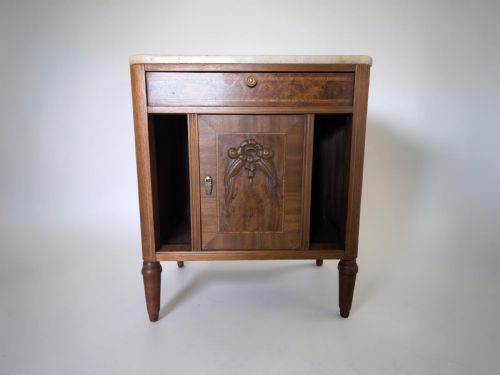
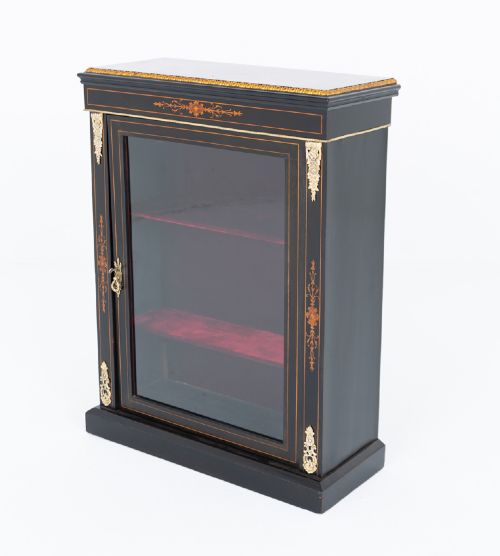
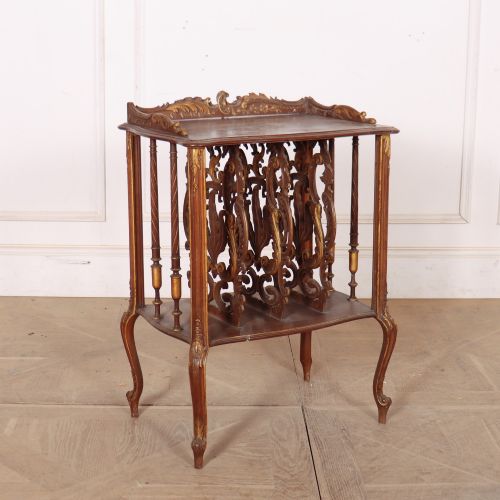
Makers constructed these cabinets in various formats, including dedicated music cabinets, canterbury combinations, pier cabinets, and slim side cupboards. Walnut, mahogany, rosewood, and burr walnut dominate the structural forms, frequently enhanced with inlaid marquetry, brass fittings, and glass panels.
Originating for domestic parlour and drawing room use, these items served pianists and households requiring vertical furniture that saved floor space while holding heavy portfolios of sheet music. Surviving examples reflect the decorative tastes of late Victorian, Sheraton Revival, and Art Nouveau periods.
How They Were Made
Cabinet makers built these pieces using solid timbers and decorative veneers, applying mahogany, walnut, burr walnut, rosewood, and satinwood over carcases. Craftsmen frequently incorporated boxwood marquetry, brass handles, and glass doors to elevate the visual appeal of the exterior.
Internal construction relies on fitted shelving, internal compartments for sheet music portfolios, and occasionally pivoting or dropping drawer mechanisms designed to keep paper flat. Surface finishes include French polish, which highlights the natural grain figures of figured walnut and rosewood.
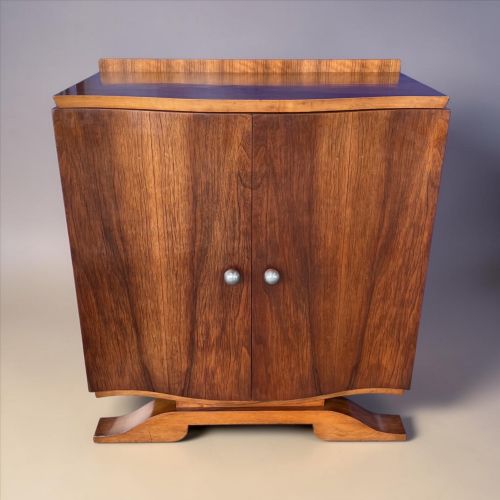
Listings feature mahogany, walnut, burr walnut, rosewood, and satinwood across Victorian, Edwardian, and Art Deco periods.
What Varies in Quality
The choice of timber and veneer figure dictates the initial visual grade, with heavily figured burr walnut, rosewood, and finely selected mahogany sitting above plain domestic hardwoods. Elaborate detailing, such as boxwood marquetry, Sevres plaques, or painted panels, separates standard utility pieces from high drawing room commissions.
Structural joinery and the execution of internal mechanisms define the upper tier of manufacturing. Smoothly operating drop drawers, original brass hardware, and intact glazed panels indicate superior workshop standards from makers such as Collinson & Lock or Keeble.
Collinson & Lock London·Keeble London
The Antique Music Side Cabinet Glossary
- Canterbury
- A low stand or cabinet featuring slatted partitions for holding music sheets or folios, often combined with a work top or small drawer below.
- Pier Cabinet
- A tall, narrow cabinet designed to stand against the wall space between windows, frequently featuring glass doors for display.
- Marquetry
- Decorative woodwork where pieces of contrasting veneer are fitted into a ground material to form geometric or floral patterns.
- Vernis Martin
- A type of simulated Japanese lacquer developed in France, utilised to create polished painted panels on furniture.
- Ebonised
- Timber treated with a dark stain or finish to imitate expensive ebony.
Antique Music Side Cabinet: Frequently Asked Questions
What is an antique music side cabinet?
These pieces are tall, narrow storage units built during the nineteenth and early twentieth centuries to hold sheet music in domestic drawing rooms. They provide vertical shelving or specialised drop drawers while occupying minimal floor space.
Craftsmen constructed them in styles ranging from plain Victorian mahogany to highly decorated Edwardian inlaid walnut and rosewood. Many feature glass doors, brass hardware, and marquetry details.
How were music cabinets used originally?
Households placed these cabinets in drawing rooms and parlours near pianos to keep heavy portfolios and loose sheet music organised and protected from dust. The internal compartments kept paper flat and sorted for musicians.
Over time, owners adapted them for general storage, using them as bedside cupboards, side tables, or display cabinets for small collectibles.
How do you distinguish Victorian from Edwardian cabinets?
Victorian examples generally utilise darker, heavier timbers like rosewood and burr walnut, often featuring robust carving, ebonised finishes, or heavy brass accents. They reflect the ornate tastes of the mid to late nineteenth century.
Edwardian pieces tend to employ lighter mahogany or satinwood with delicate Sheraton Revival inlays and satin finishes. Their proportions often appear more slender and restrained compared to earlier Victorian counterparts.
Can music cabinets be used as bedside tables?
Their compact footprints and narrow proportions make these cabinets suitable for use as bedside cupboards or small side tables. Many surviving examples share dimensions similar to traditional bedside furniture.
The internal shelving or drawers provide practical enclosed storage for modern bedroom or living room accessories while retaining period character.