
Antique Mountain Landscape
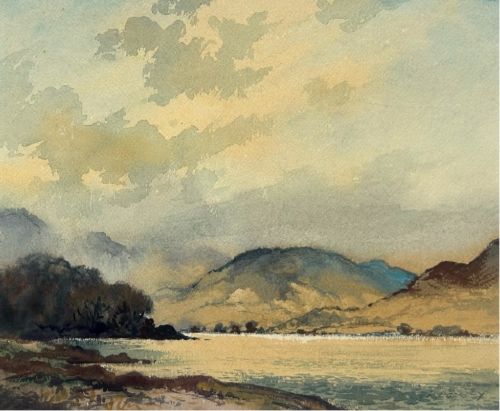
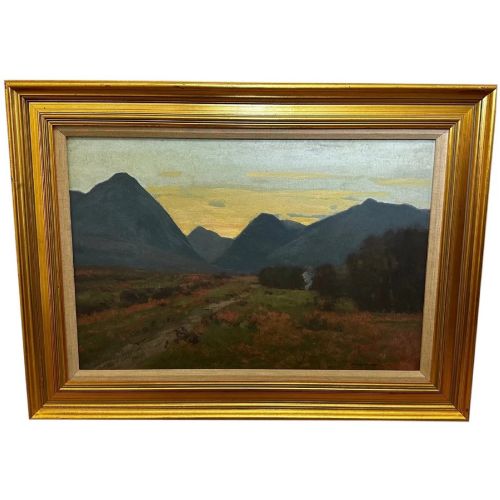
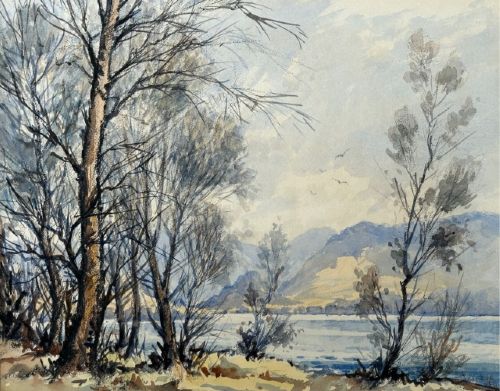
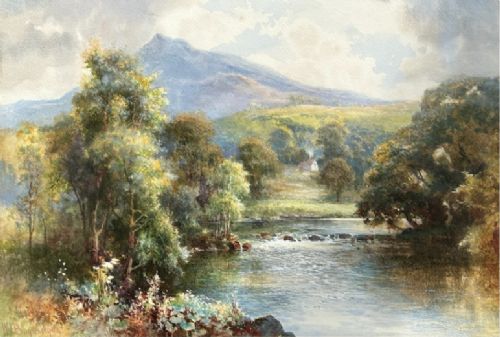
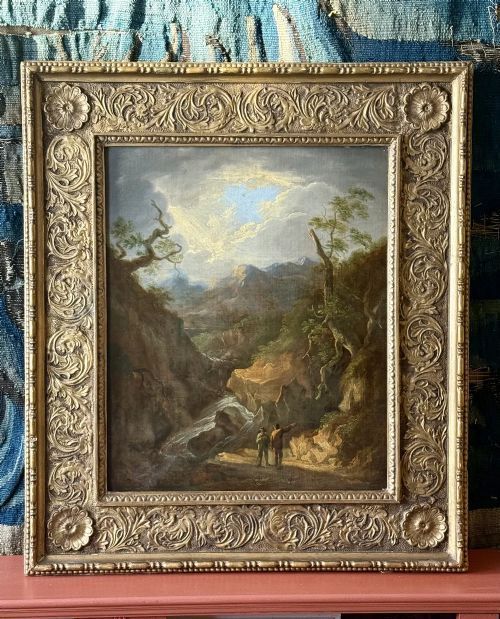
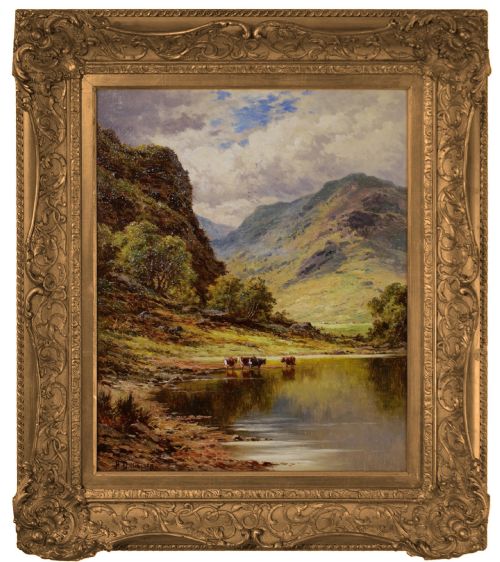
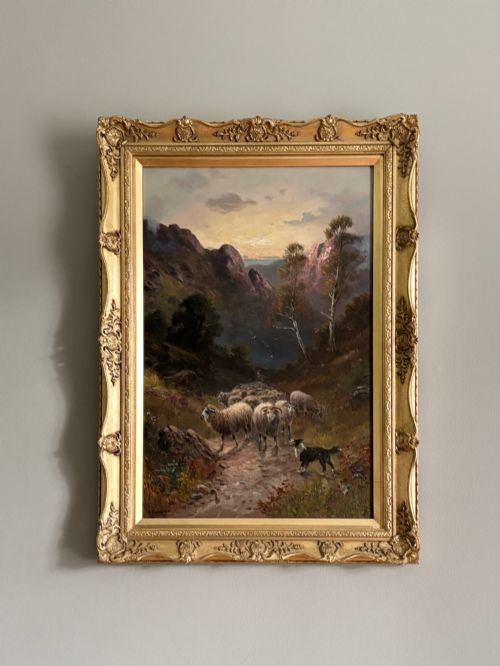
An antique mountain landscape captures the dramatic grandeur of high peaks, valleys, and lochs through historic oil, watercolour, and carved stone.
Antique Mountain Landscape
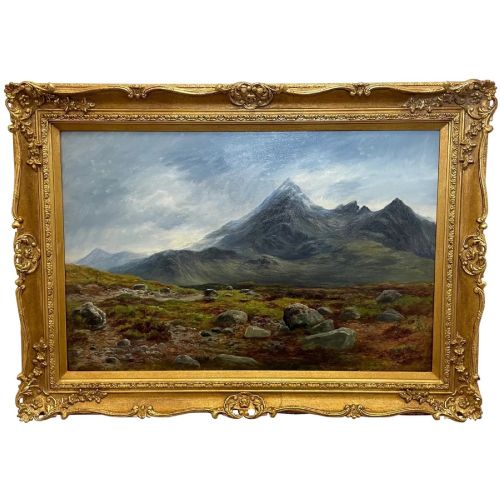
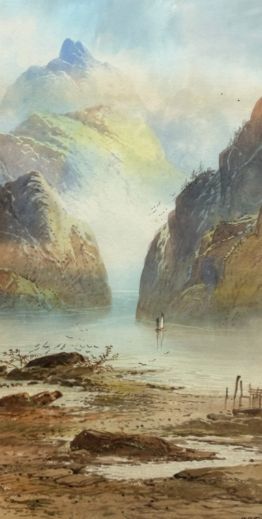
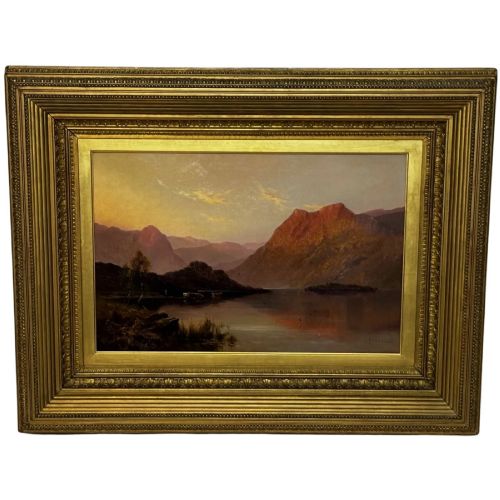
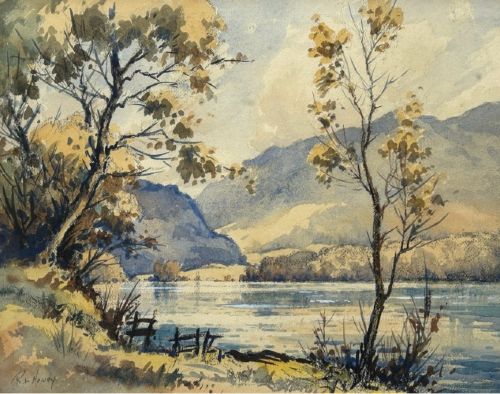
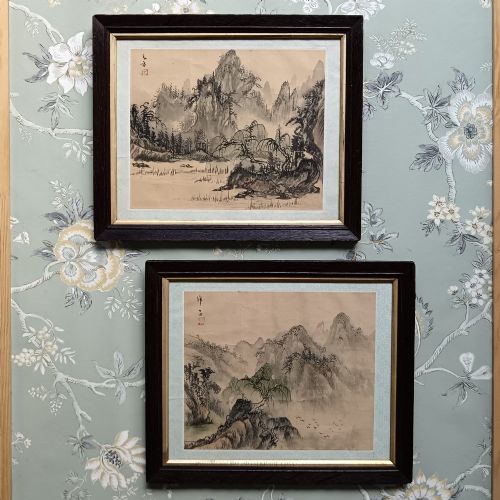
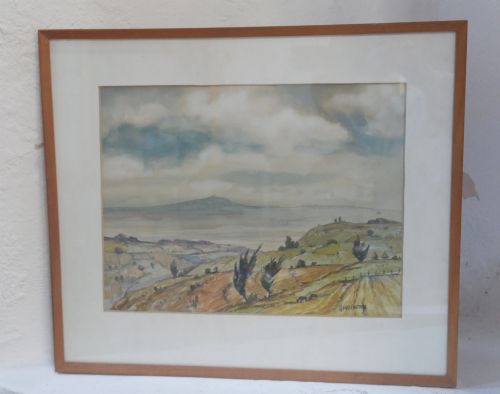
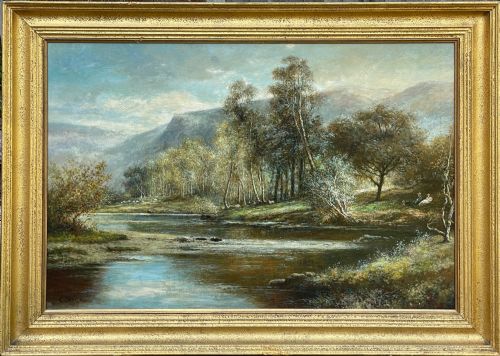
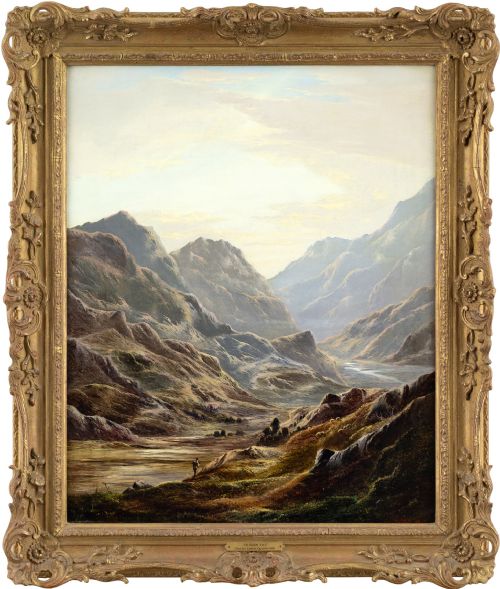
An antique mountain landscape represents the enduring artistic fascination with high peaks, deep valleys, and remote waterways, ranging from British highlands to continental ranges and Asian vistas. When exploring this phrase, a buyer most frequently encounters nineteenth-century and early twentieth-century oil paintings on canvas or panel, alongside detailed watercolours on paper. These works span British regional views from Wales and Scotland, continental European scenes, and traditional Eastern compositions.
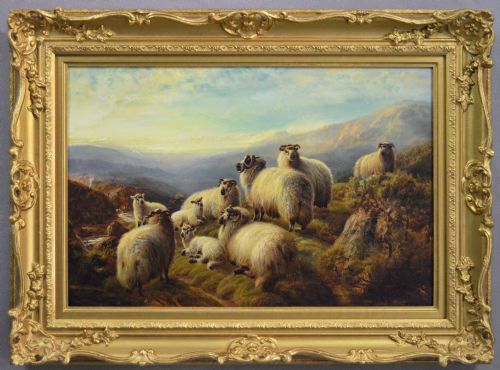
The subjects extend from sweeping alpine expanses and dramatic waterfalls to quiet upland pastures populated by sheep, cattle, and occasional travellers. Canvas formats dominate the selection, supported by framed watercolours and occasional carved jade sculptures on wooden stands. Works emerge from established nineteenth-century romantic traditions through to early twentieth-century Scottish impressionism and regional schools.
How They Were Made
Painters utilised oil on stretched canvas, wooden panels, or canvas laid onto board, building pigment with brushes and palette knives to capture shifting light and rock textures. Watercolours on paper employ washes and fine pen-and-ink detailing to render delicate atmospheric effects over mountainous terrain.
Many historical examples retain their original giltwood and gesso frames, which complement the depth of the painted vistas. Sculptural interpretations involve meticulous hand-carving in materials such as jade, mounted securely upon bespoke hardwood stands.
Countless Victorian sheep persist in finding dry resting spots across remote hillsides, quietly overseeing every major mountain pass.
What Varies in Quality
Quality rests in the artist's command of natural light, atmospheric perspective, and topographical accuracy, separating lively hand-rendered studies from formulaic commercial output. Superior works demonstrate confident brushwork and a balanced composition that draws the eye naturally through the valleys and toward distant peaks.
Materials and preservation also distinguish the selection, particularly the integrity of the original canvas support, the stability of the pigment, and the survival of period frames without heavy restoration.
William Beattie-Brown·Benjamin Barker of Bath·Sidney Richard Percy·George Houston·James Baker Pyne
The Antique Mountain Landscape Glossary
- Giltwood
- Wood carved and coated with a thin layer of gold leaf or metallic powder. This finish appears frequently on historical frames surrounding landscape oils.
- Gesso
- A plaster-like mixture applied to wooden frames as a smooth base before gilding. It allows intricate mouldings and relief decoration.
- Impressionism
- A style emphasising open composition, visible brushstrokes, and the accurate depiction of changing light. Scottish interpretations frequently apply this to rugged northern terrain.
- Watercolour
- A painting method where fine pigment is suspended in a water-based solution on paper. It creates luminous, translucent washes ideal for skies and mist.
- Panel
- A flat wooden board utilised as a sturdy painting support before canvas became universal. Artists valued its rigid surface for detailed topographical views.
Antique Mountain Landscape: Frequently Asked Questions
How do I identify the region in a mountain painting?
Artists often inscribed specific geographical markers, such as loch names, valleys, or specific peaks, directly onto the canvas reverse or within the formal title.
Compositional elements like regional cattle breeds, distinctive geological formations, and architectural hints in nearby cottages also provide clear clues to the depicted country.
Why do some watercolours appear faded?
Early paper pigments reacted sensitively to sustained ultraviolet exposure and ambient light over decades of domestic display. Watercolours executed in the nineteenth century naturally show softer, more subdued tonalities than high-oil mediums.
Proper archival framing behind protective glass helps arrest this gradual transformation.
Are original frames important for these artworks?
Original giltwood and gesso frames contribute historical context and aesthetic harmony intended by the creator or period framer. Matching the exact age of the canvas to its surround ensures the presentation remains unified.
Substantial nineteenth-century frames often carry maker stamps or remnants of old gallery labels.
How should I care for an antique canvas?
Maintain stable indoor humidity levels and avoid direct sunlight to protect the fragile oil pigments and underlying canvas from warping or cracking. Dust the surface gently with a soft, dry brush without applying moisture.
Professional conservators should handle any structural repairs or canvas tension adjustments.