



Antique Mother and Child
When you search for antique mother and child pieces, you encounter a diverse range of bronze sculptures, oil paintings, and portraiture celebrating maternal bonds across multiple centuries.
Antique Mother and Child
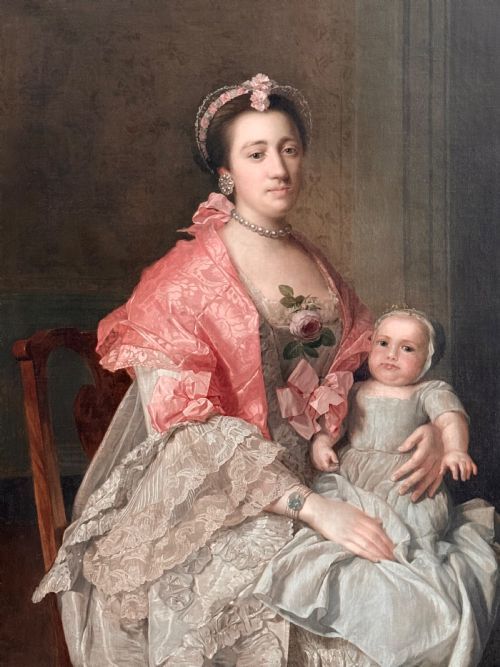
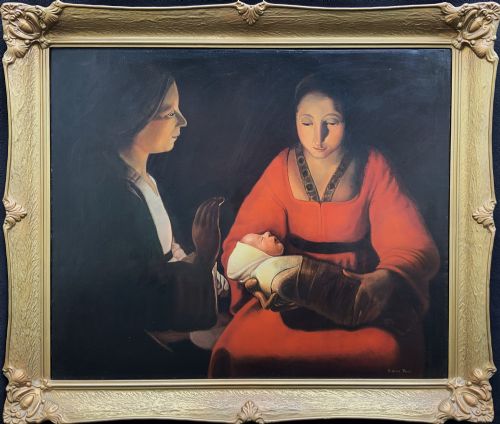
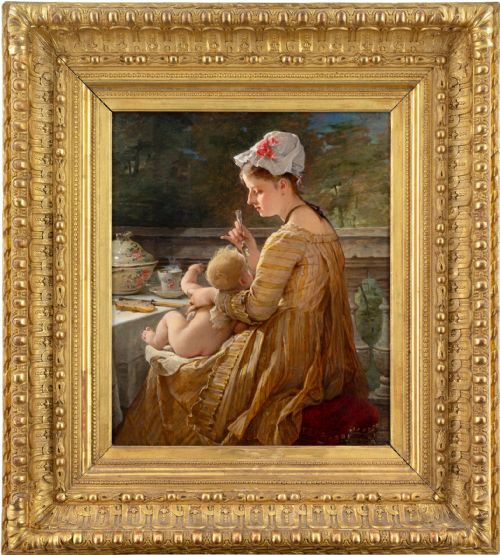
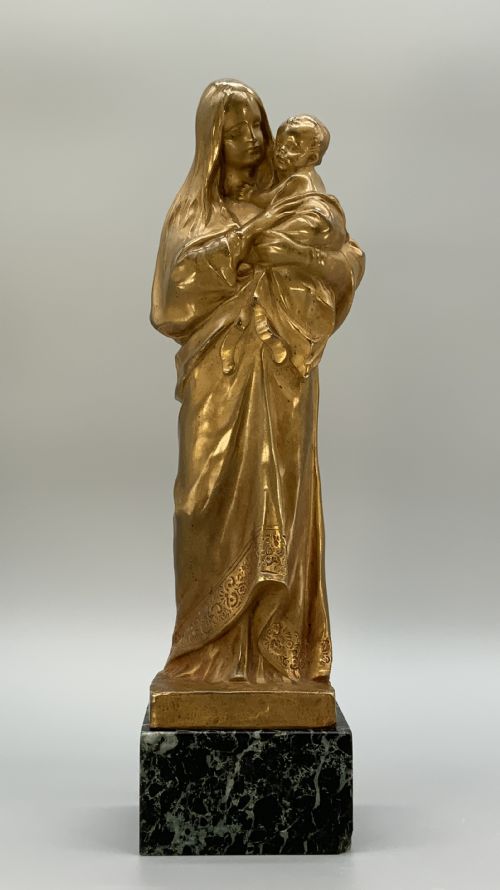
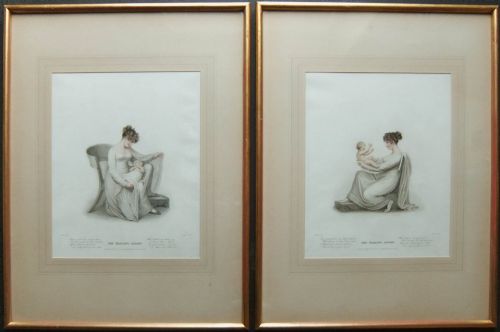
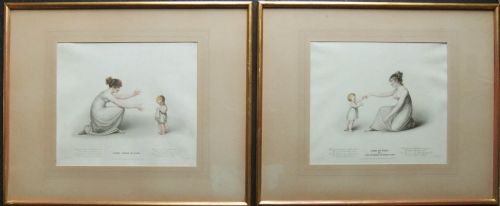
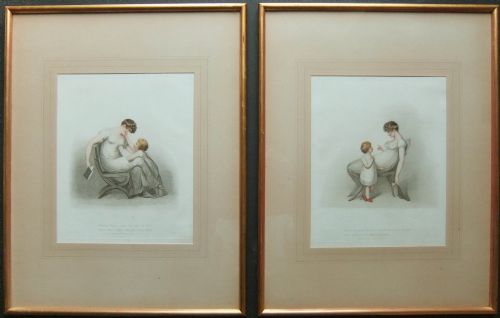
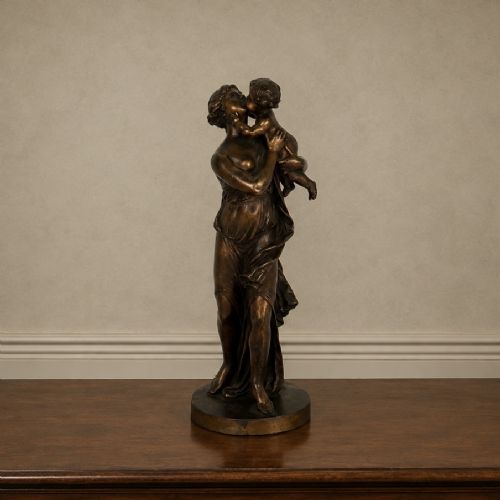
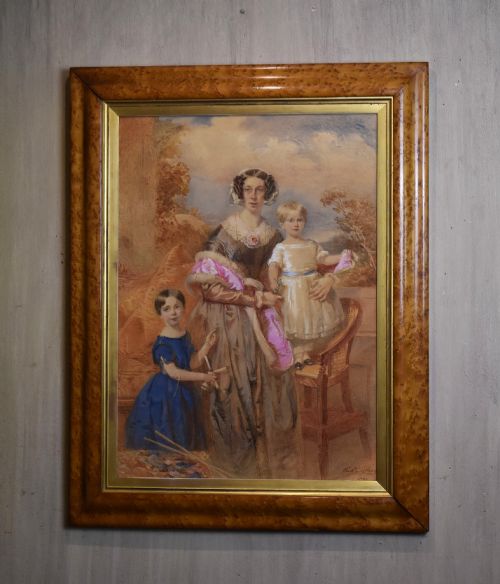
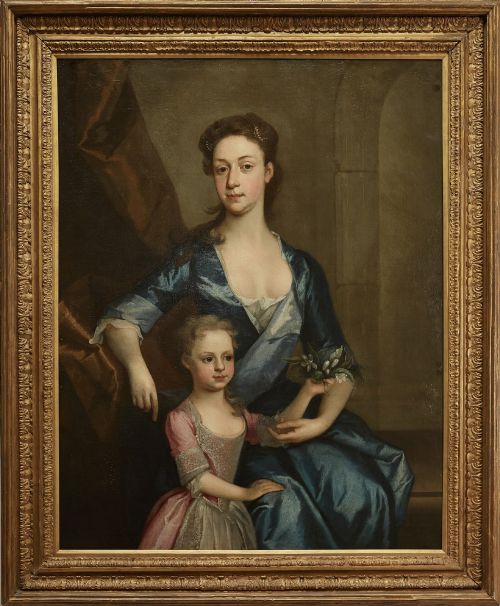
The category of antique mother and child encompasses a wide visual range, spanning from formal 18th century oil paintings and portraiture to intimate 19th century bronze sculptures and delicate watercolours. Buyers seeking these works will find representations that cross cultural and religious boundaries, including classical depictions, genre scenes of domestic life, and sacred Madonna and child subjects.
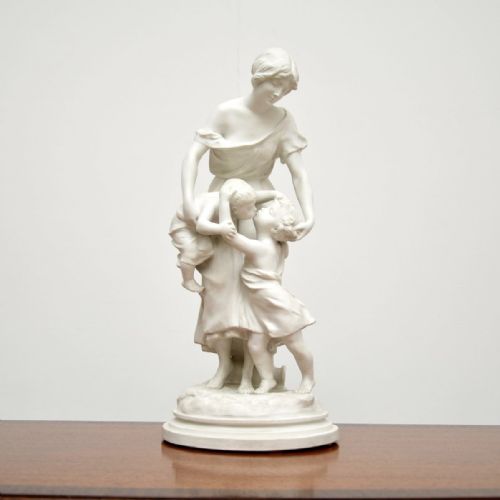
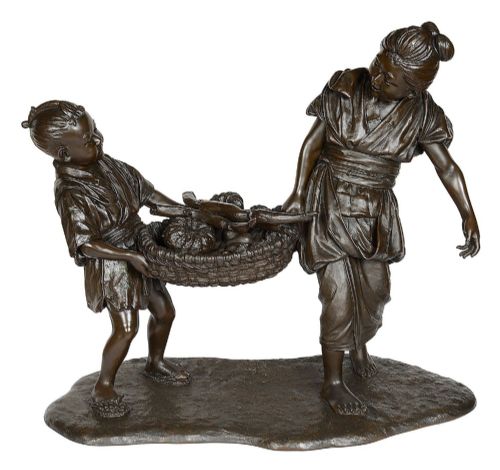
On this page, the most frequent encounters are with 19th century bronze figures, Victorian watercolours, and period oil paintings on canvas or panel. These forms capture familial affection through various artistic lenses, ranging from grand European foundry casts to quiet domestic watercolours executed by regional artists.
The scope extends from Georgian portraiture down through Art Deco statuary and 1930s oil paintings, showing how artists of different eras interpreted familial themes. Whether rendered in metal, pigment on canvas, or carved shell cameo, the pieces consistently focus on the physical and emotional closeness between parent and child.
How They Were Made
Metal sculptures in this selection rely predominantly on traditional lost-wax casting in bronze, spelter, or silvered bronze, often finished with detailed patination or gilding. Foundry marks and artist signatures frequently appear on the bases of these sculptural groups, indicating professional European production.
Flat works utilise oil paints on canvas, wood, or board, alongside watercolours and engravings executed on paper. Artists applied pigments with varying brushwork techniques, from the tight precision of early portraiture to the looser marks of later impressionist genre scenes.
Specialised decorative items incorporate carved shell cameos mounted in precious metals or hand-painted porcelain plates created in European ceramic factories. These objects combine skilled carving or ceramic painting with precise metalwork mountings typical of their respective periods.
Even horses get a look-in here, sharing the bronze spotlight with maternal affection.
What Varies In Quality
In painted works, quality is measured by the handling of light, anatomical proportion, and the preservation of the original pigment surface. Fine portraiture and genre scenes demonstrate superior draughtsmanship and compositional balance compared to more routine decorative outputs.
Material selection and mounting craftsmanship also dictate the upper tiers of the range, visible in heavy gold mounts on cameos, high-grade porcelain bodies, and signed works by recorded European artists and sculptors.
Hans Müller·Adam Buck·Luca Madrassi·Auguste Moreau·Royal Vienna
The Antique Mother and Child Glossary
- Patina
- The surface sheen or coloration developed on metal sculptures either naturally over time or artificially through chemical application by the foundry. It enhances the visual depth of bronze figures.
- Genre painting
- A style of art depicting scenes from everyday life, ordinary people, and domestic interactions rather than grand historical or religious subjects. These works capture relatable familial moments.
- Spelter
- An alloy of zinc and lead often used as a cheaper alternative to bronze for decorative sculptures, particularly popular during the Art Deco period. It is usually painted or bronzed to simulate more costly metal.
- Crystoleum
- A Victorian method of applying a hand-coloured print to the inside of concave glass and backing it with oil paint or other mediums. This technique creates a luminous, three-dimensional photographic appearance.
- Cameo
- A method of carving an object such as a shell or gemstone where a raised relief image stands out from a contrasting background. Table top examples are often mounted in precious metals.
Antique Mother and Child: Frequently Asked Questions
What materials are common in these sculptures?
The sculptural works on this page utilise materials such as bronze, silvered bronze, spelter, and carved shell. Many of these figures feature patinated surfaces or gilt treatments applied during manufacturing.
Foundries and individual sculptors selected these metals to capture fine details in drapery and facial expressions, ensuring durability alongside aesthetic appeal.
How do I identify the period of a painting?
Dating relies on examining the stretcher frames, canvas preparation, clothing styles, and the artist's signature where available. Stylistic indicators often point toward specific movements like the Georgian era or Art Deco.
Comparing brushwork techniques and framing materials to documented examples from the same decade aids in establishing accurate chronological placement.
Where were these bronze groups made?
Many sculptural groups originate from continental European foundries, particularly in France and Austria, where master bronze workers cast works by renowned artists. British foundries such as Coalbrookdale also contributed metal plaques and figures.
These pieces were frequently acquired by travellers on the Grand Tour or imported for the domestic art market.
Are these works signed by the artists?
Certain sculptures and paintings bear incised signatures, foundry stamps, or painted monograms identifying the creator. Signatures on bronzes are typically cast directly into the base or plinth.
Unsigned pieces are often attributed to specific periods or schools based on stylistic execution, material composition, and subject matter conventions.